
Mekong Delta
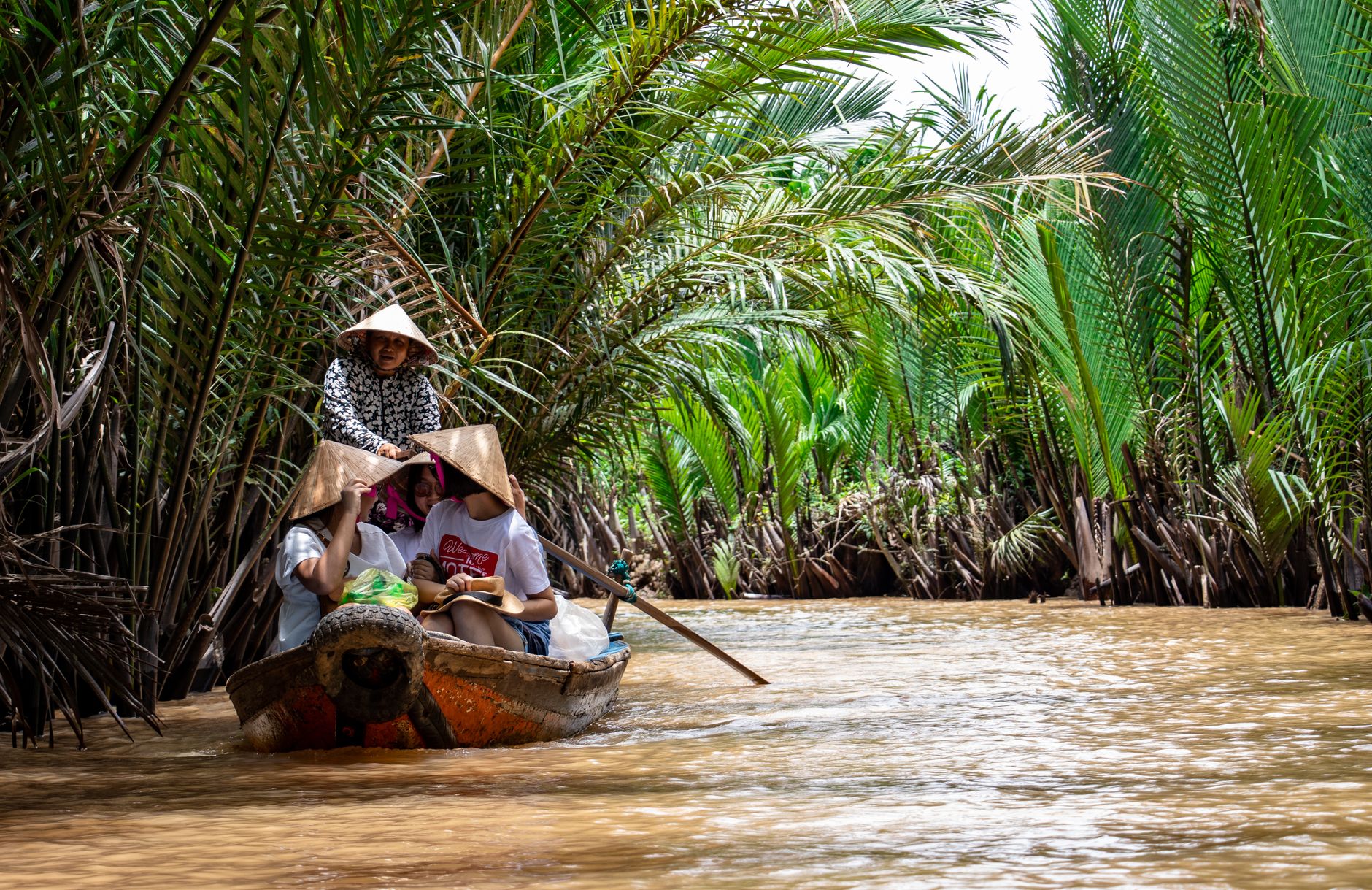
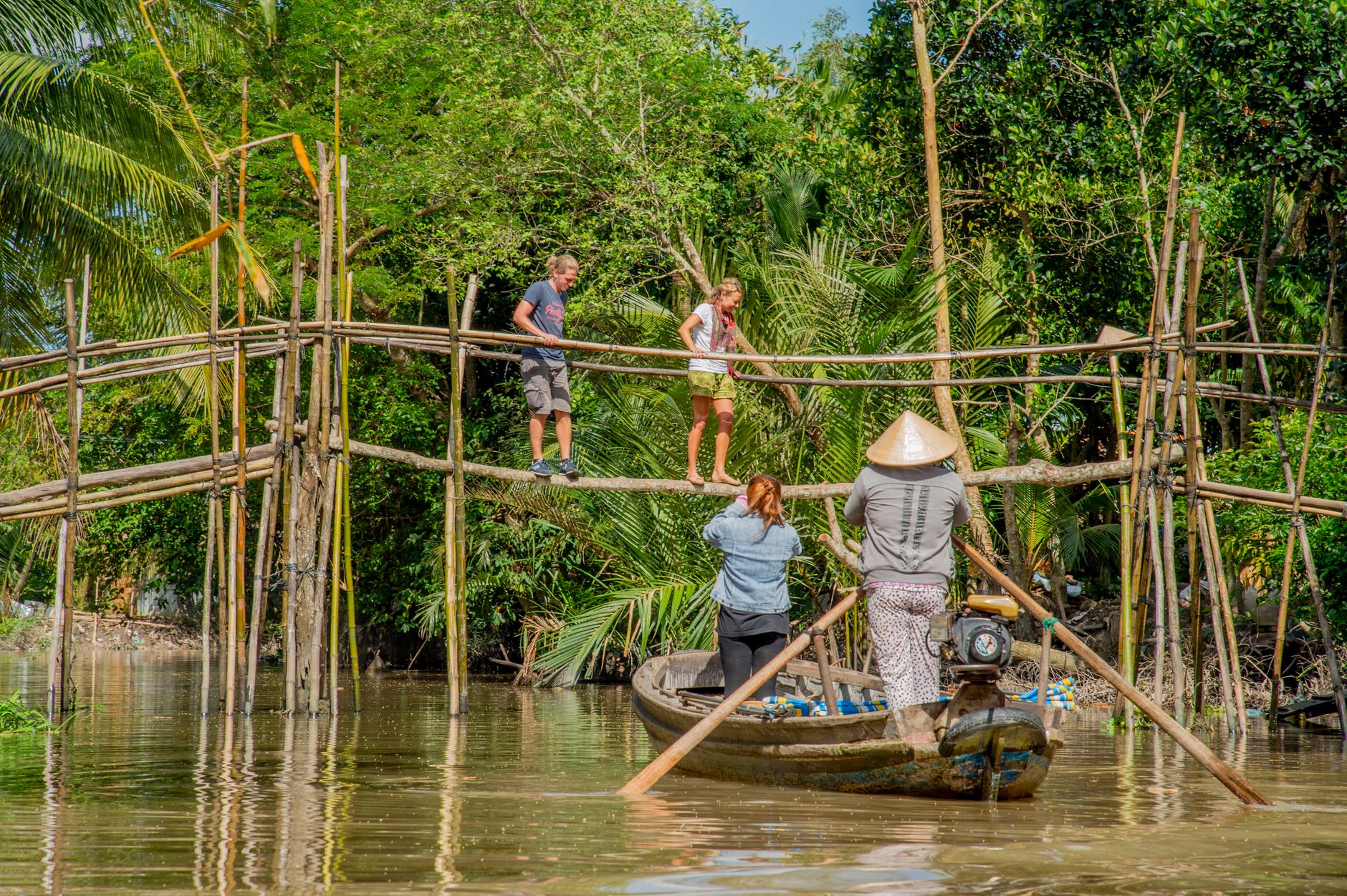
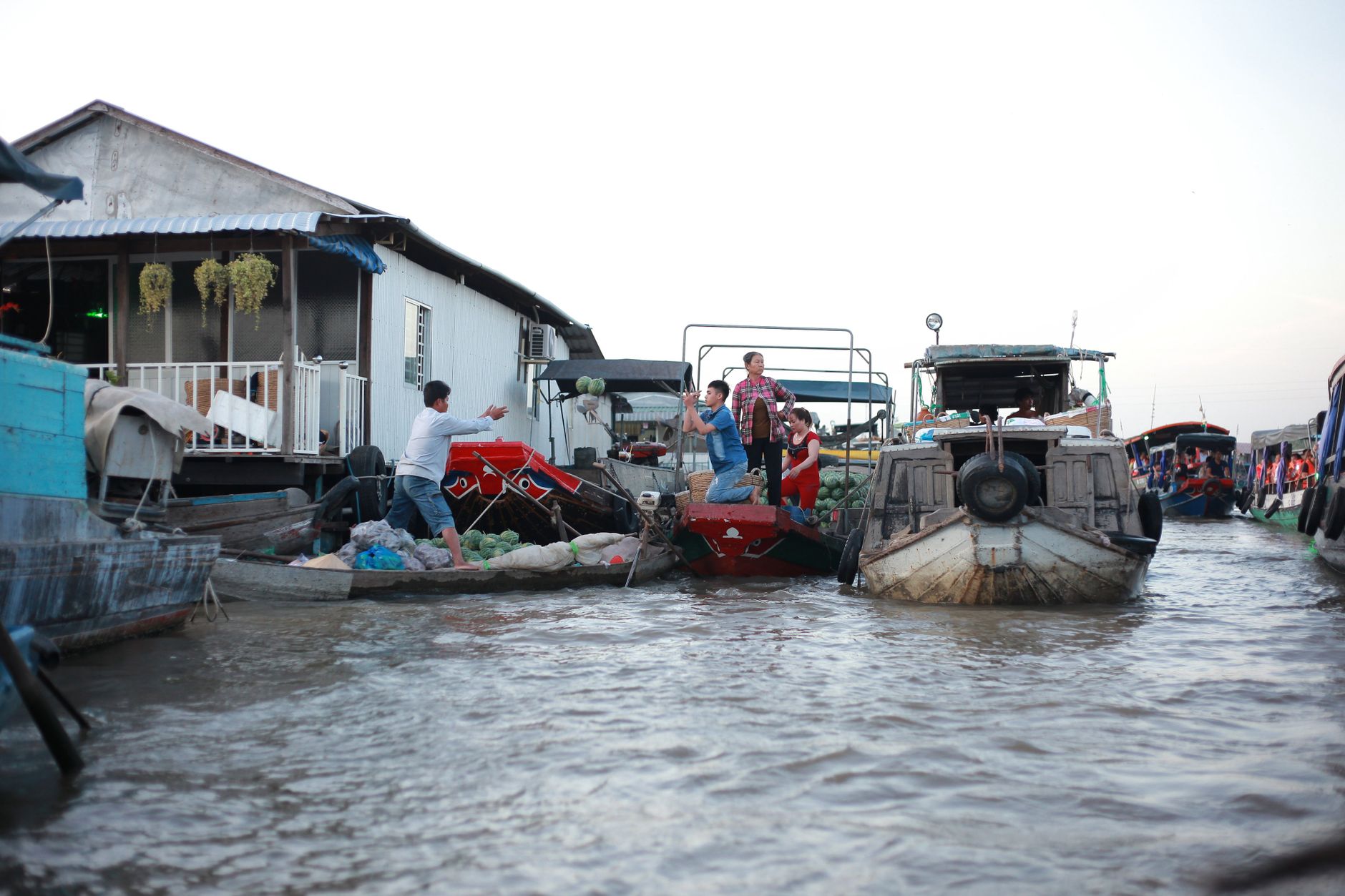
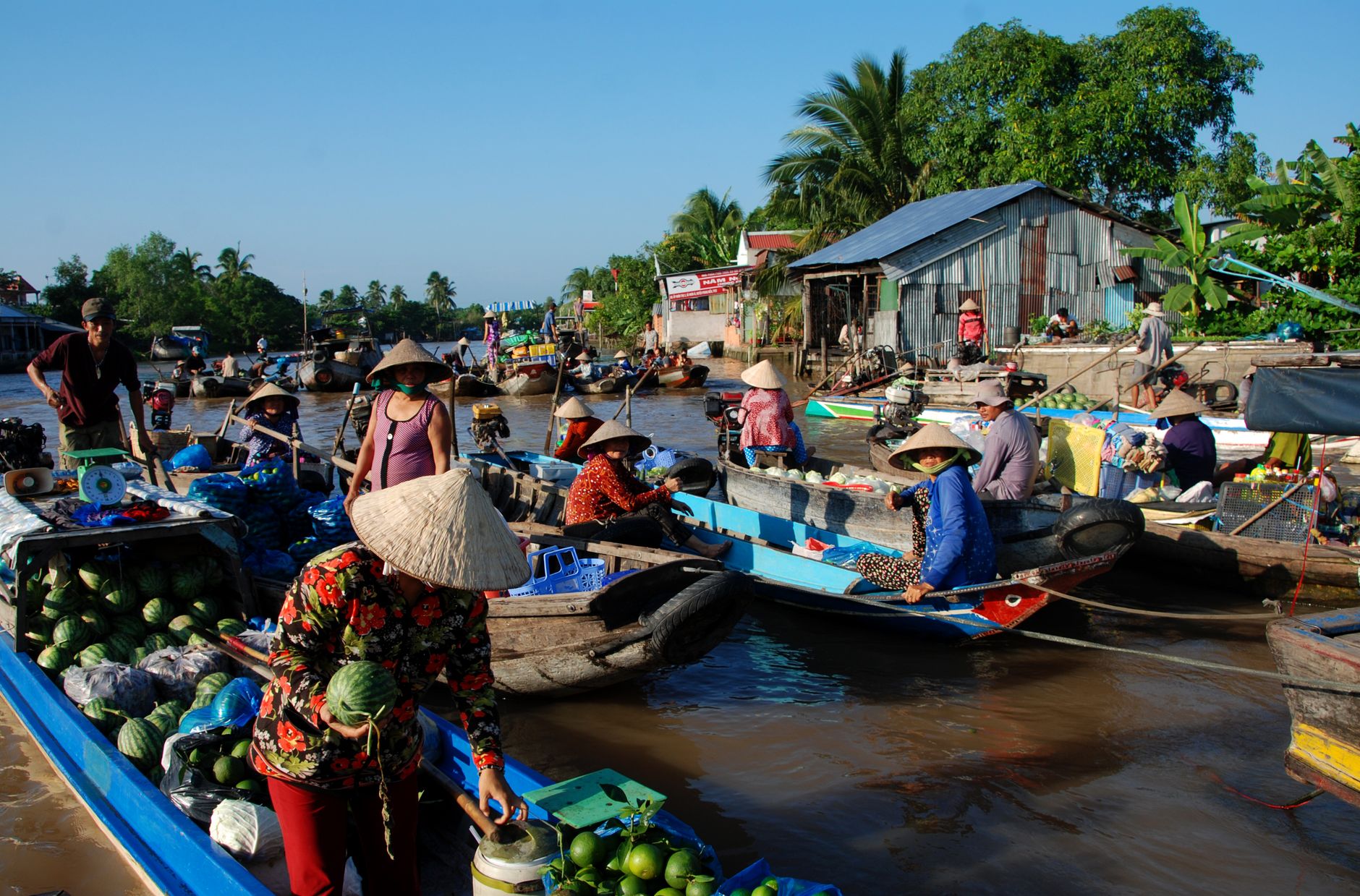
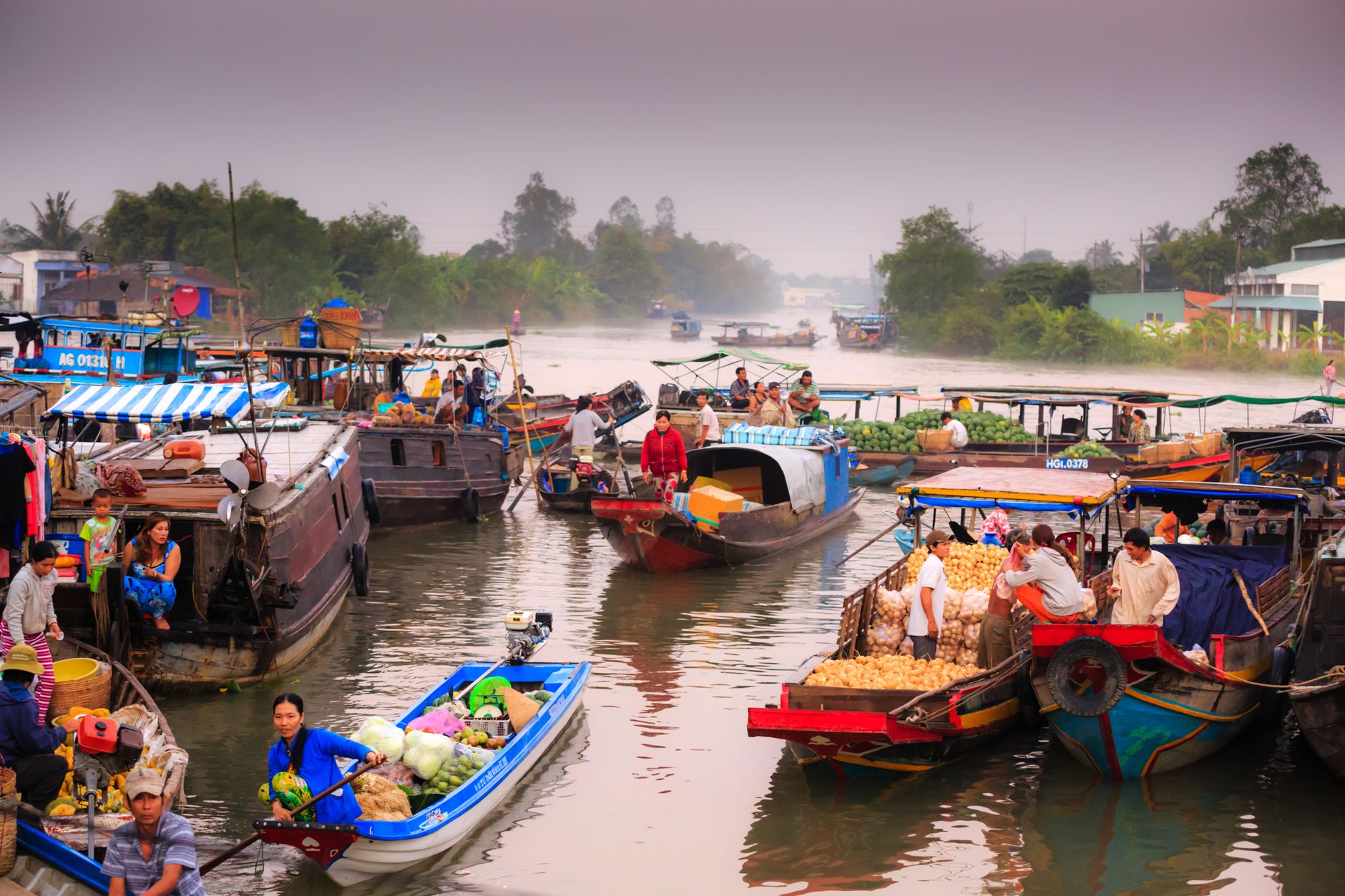
The Mekong arrives at the sea in nine branches, and the delta it has built over millennia is less a landscape than a waterway system that happens to have land between it. You get around by boat as often as by road. At Cai Rang, six kilometres from Can Tho, wooden vessels piled with jackfruit and dragon fruit cluster before dawn, their owners signalling what they sell by hanging a sample from a pole above the bow.
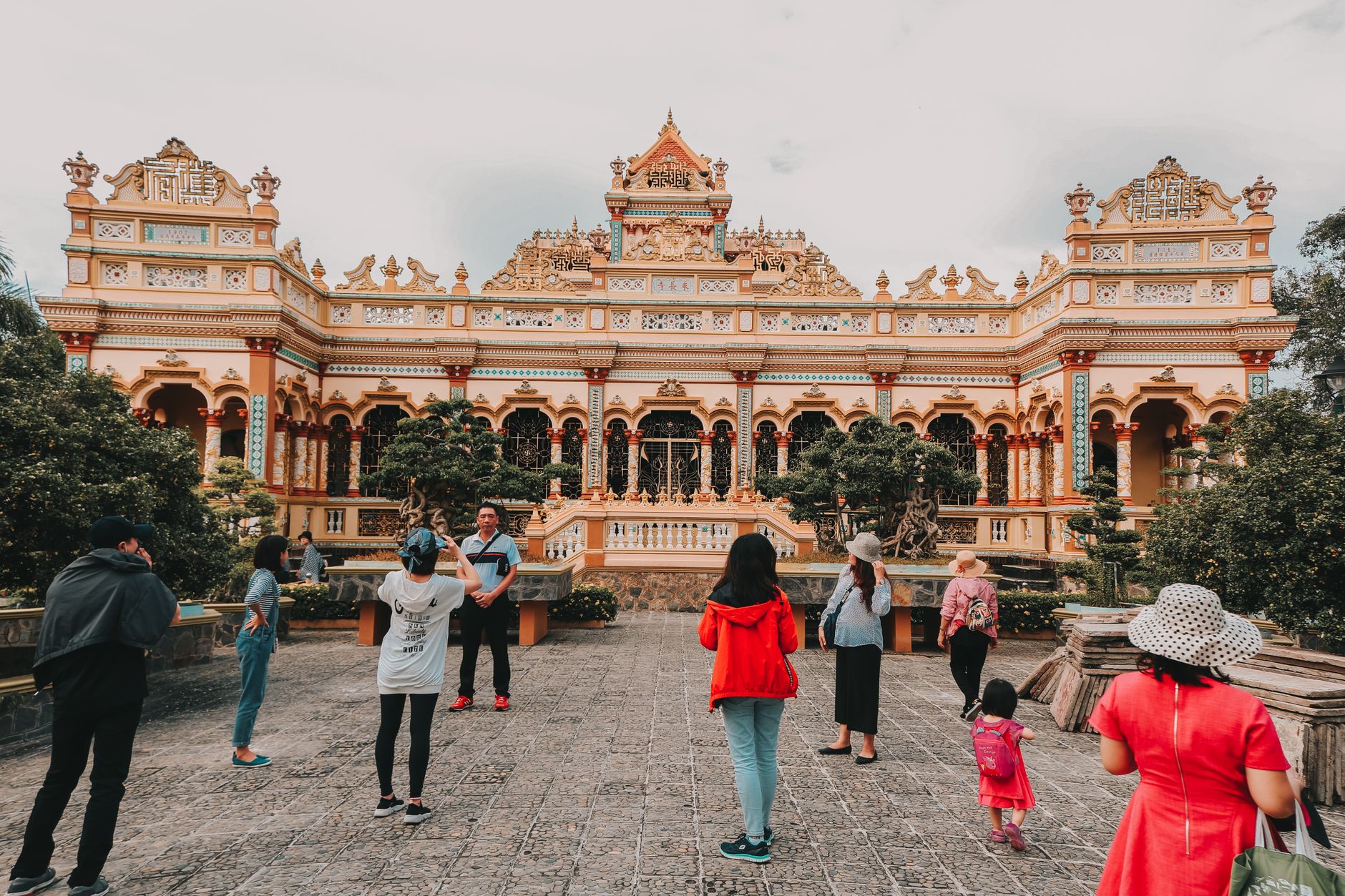
Home to 17 million people — ethnic Vietnamese, Khmer, Hoa Chinese, and Cham Muslim communities spread across Trà Vinh, Sóc Trăng, An Giang and beyond — the delta is one of the most ethnically layered regions in Southeast Asia, and its temples, pagodas, and floating markets reflect every strand of that history.
Popular cities in Mekong Delta

💛 What travellers fall for
People who come back tend to say the same thing: skip the organised day-tours and stay overnight in Can Tho. The floating market at Cai Rang is at its fullest well before seven in the morning — hire a small boat independently from the riverside rather than joining the larger tour vessels that arrive later.
How Mekong Delta came to be
People have lived on this delta since at least the fourth century BC. The first recorded civilisation here was Funan, an Indianised-Khmer culture that flourished from the first century AD — excavations at Oc Eo, in modern An Giang, have turned up Roman coins, evidence of just how far its trade networks reached. The Khmer state of Chenla succeeded Funan around the fifth century, and Khmer culture left a deep imprint that persists today in the region's monasteries and minority communities.
Vietnamese administrative control came later and fast: in 1698, the Nguyen Lords sent the noble Nguyen Huu Canh to establish Vietnamese governance, formally separating the delta from Cambodian authority. By 1802, Nguyen Anh had crowned himself Emperor Gia Long and unified the territories into what became modern Vietnam. The French followed — making the delta part of Cochinchina, their first Vietnamese colony, in the 1860s — and the waterways saw conflict again through both the First and Second Indochina Wars before 1975 brought the region into the unified Vietnamese state.
Who and what shaped it
People who shaped it
Landmark buildings
See Mekong Delta in motion
Plan your visit
On the map
When to go
The delta divides into two seasons: a dry season roughly November to April, when travel is easiest and river levels lower, and a wet season May to October, when the Mekong floods its banks and parts of the delta become almost entirely navigable by boat. February and March sit in a comfortable sweet spot — dry, relatively cool, and before the peak heat of April.
Right now
↡ Cities
Background & history adapted from Wikipedia (CC BY-SA) · specs from Wikidata (CC0) · weather from Open-Meteo · map data © OpenStreetMap contributors · photos from Wikimedia Commons / Unsplash with per-image credit. No third-party reviews or social posts reproduced.