
Hanoi
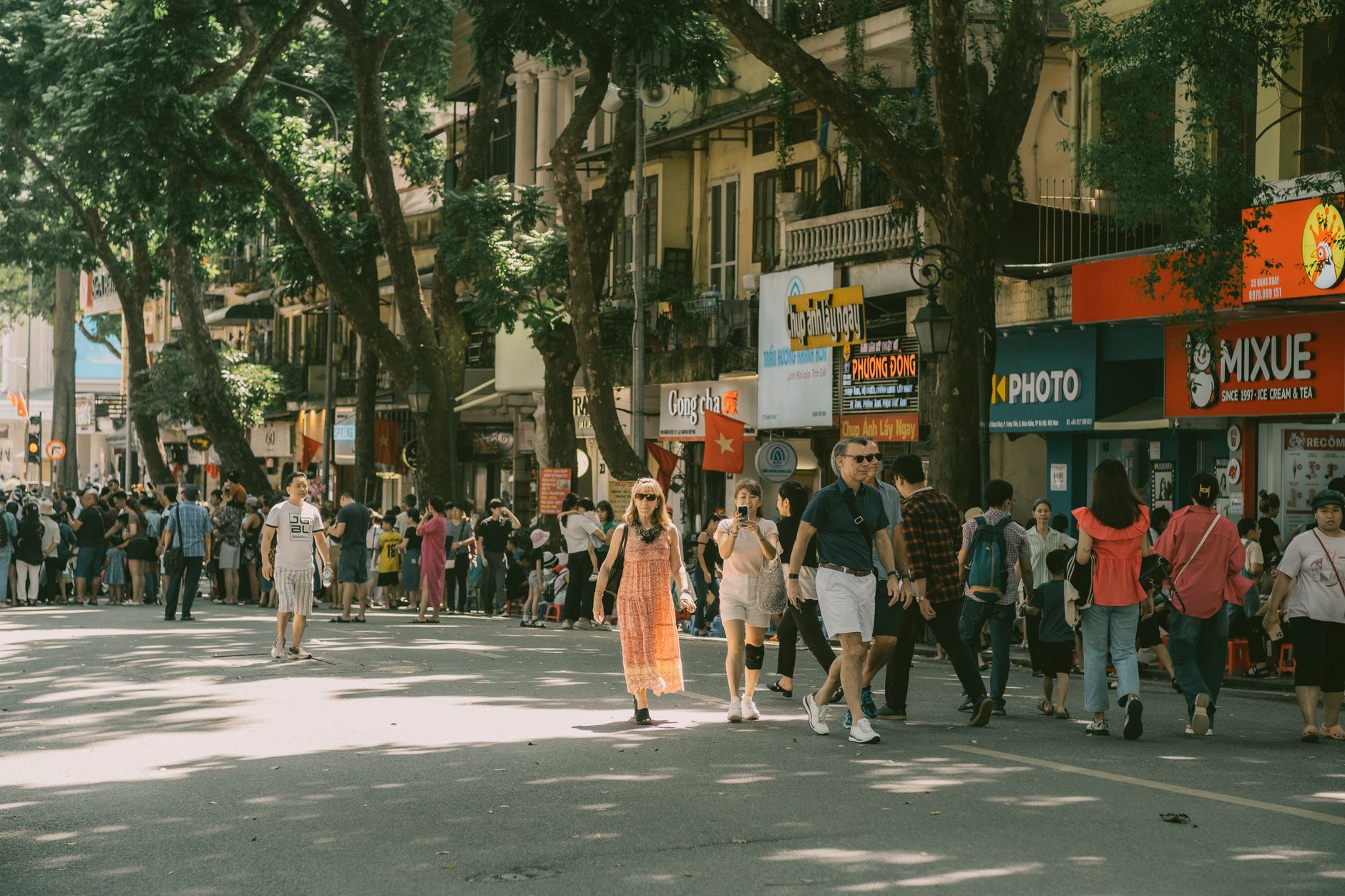


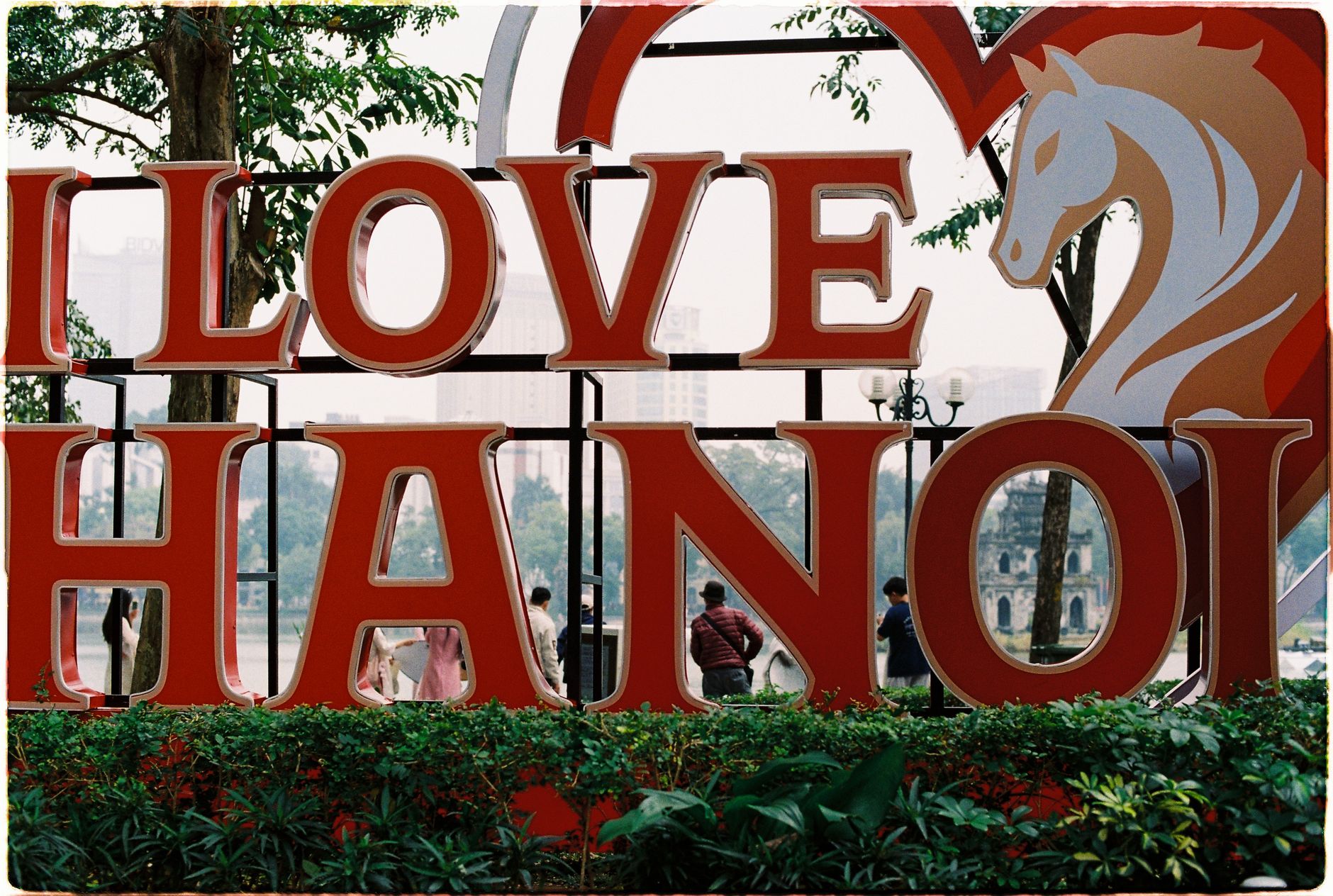
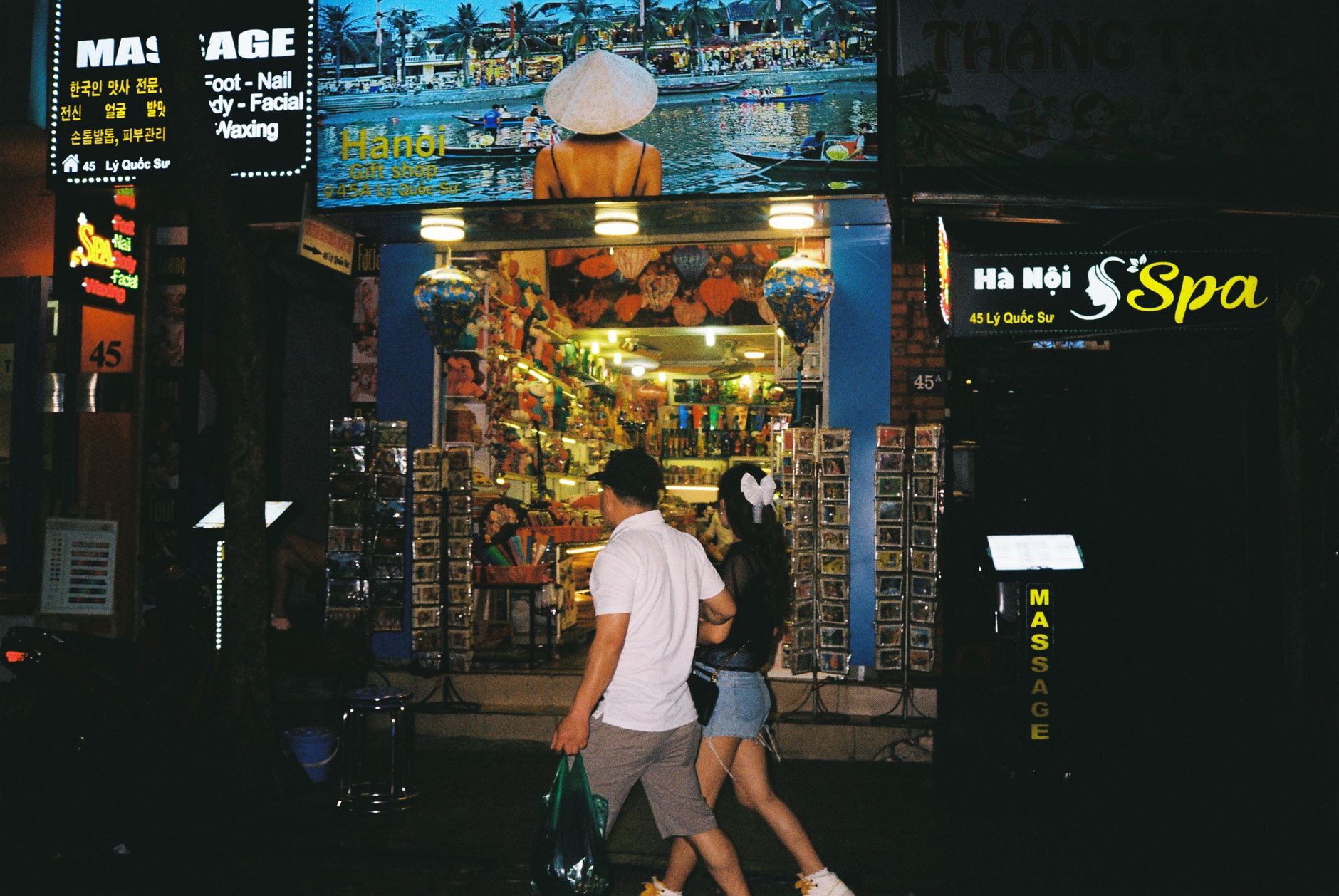
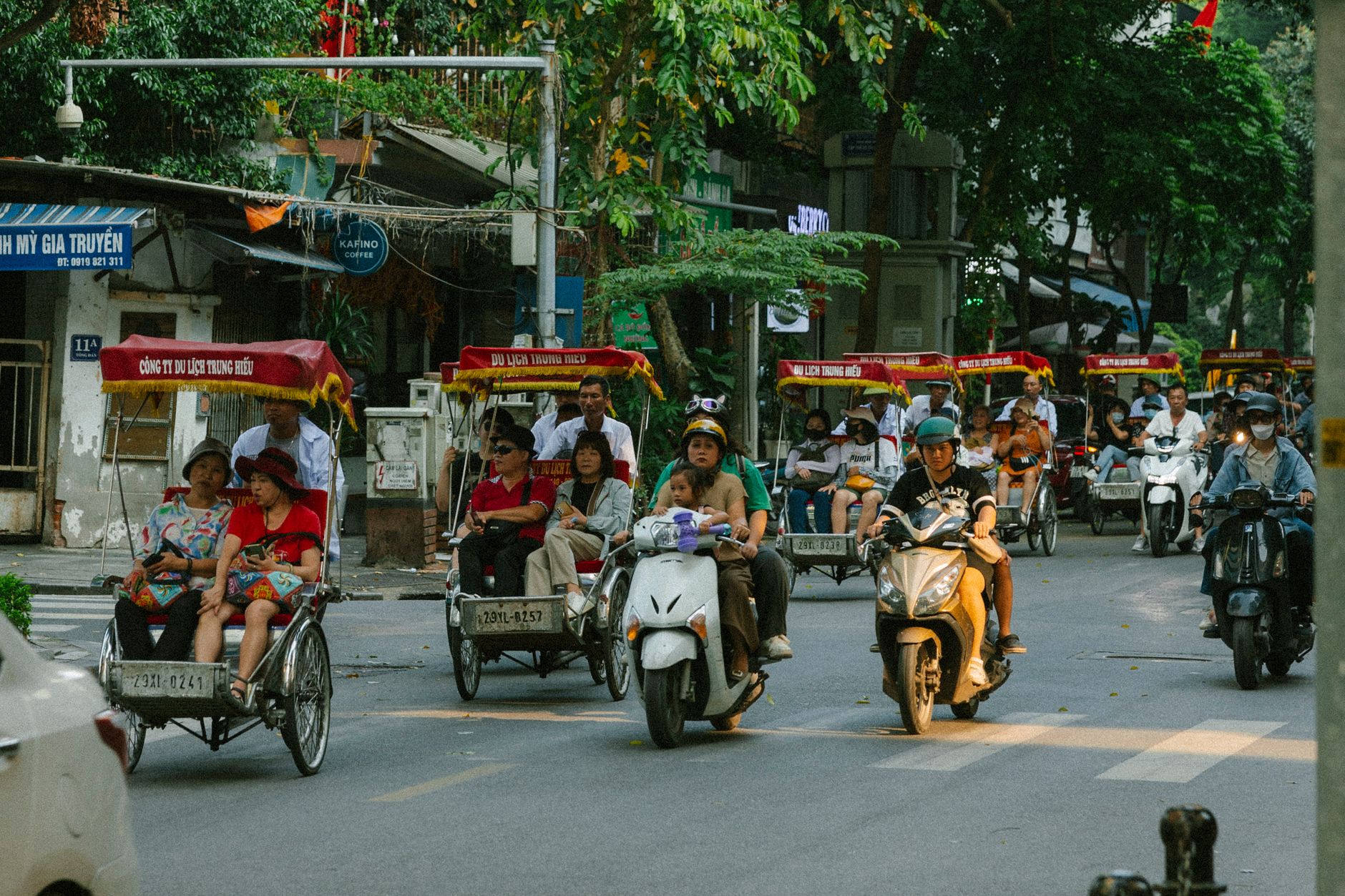
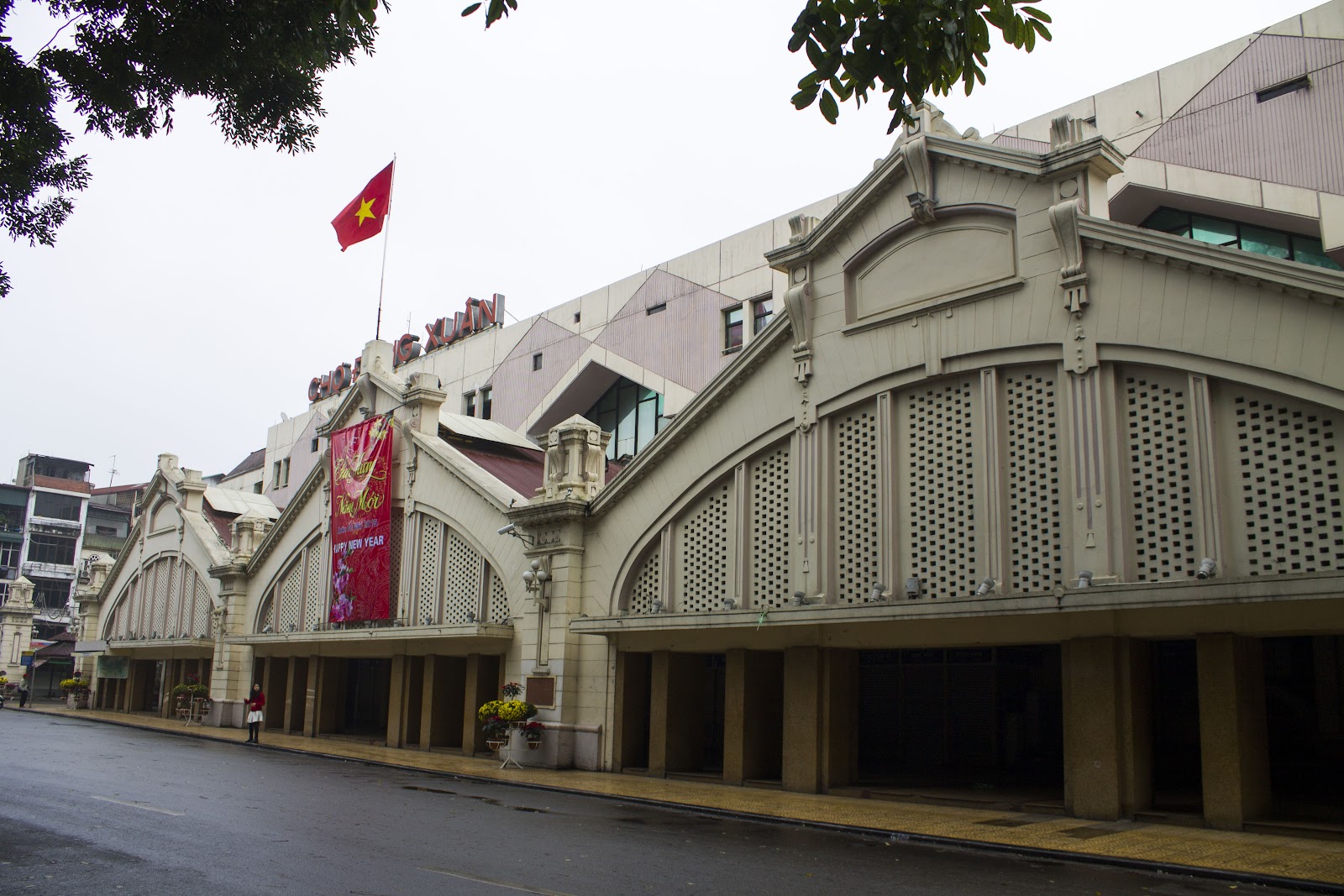
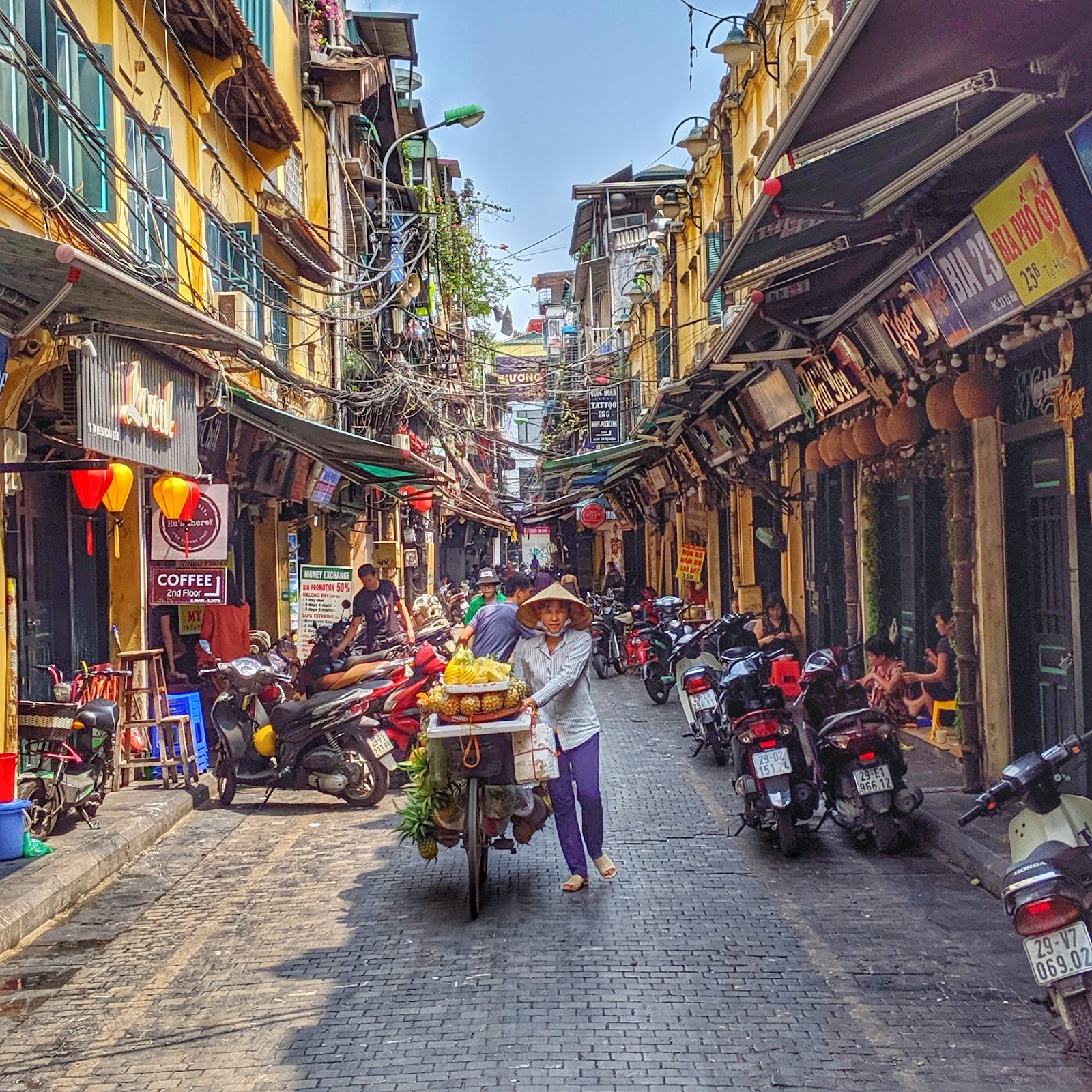
Hanoi announces itself through contradiction: French-era yellow facades pressed against ancient pagodas, motorbike streams parting around thousand-year-old lakes, the smell of pho broth rising at five in the morning from pavement kitchens that have been there longer than anyone can remember. This is a city that has worn many names — Thang Long, Dong Kinh, and finally Hà Nội, meaning simply "between rivers" — and each layer of its past is still legible in the streets.
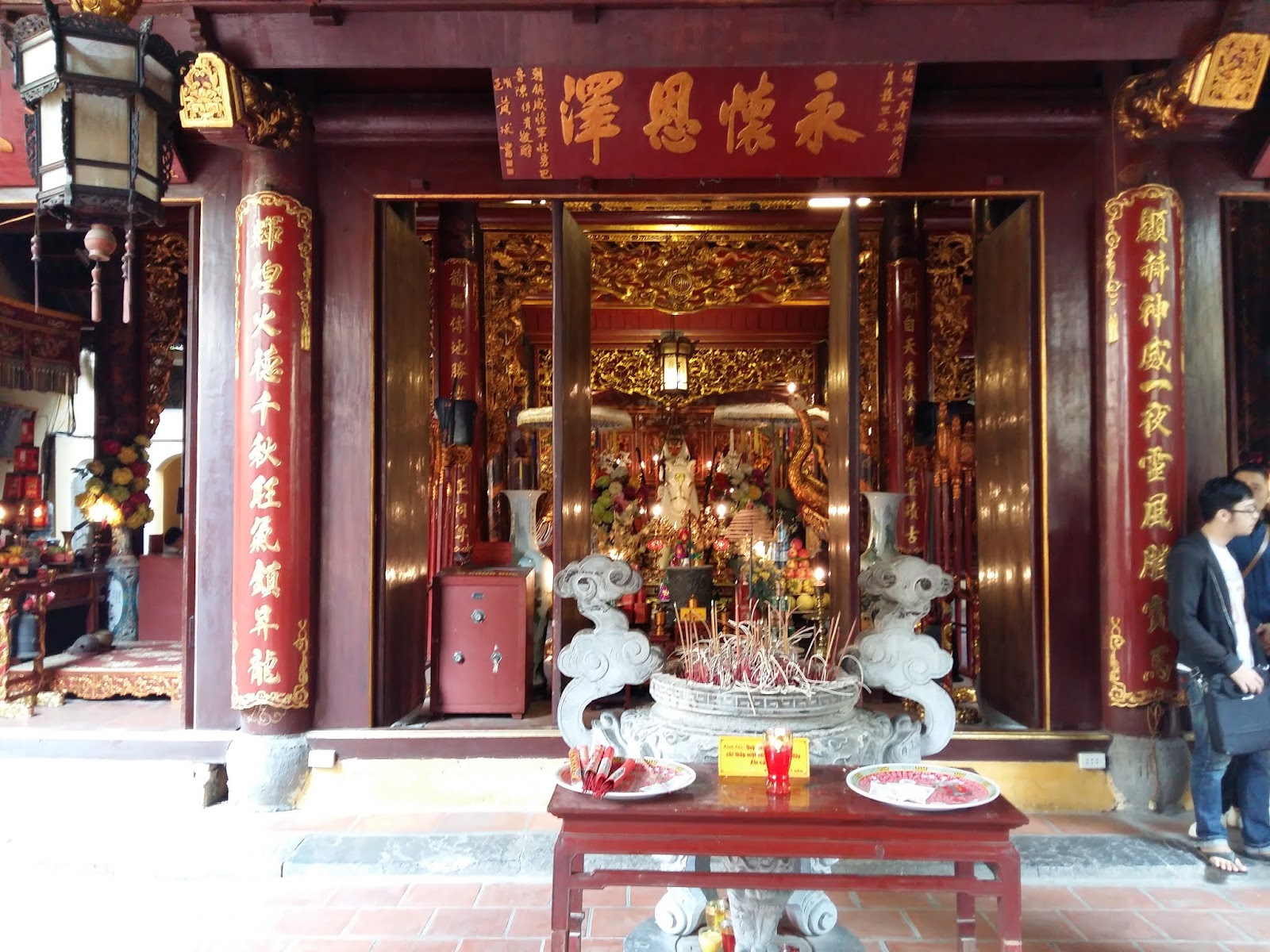
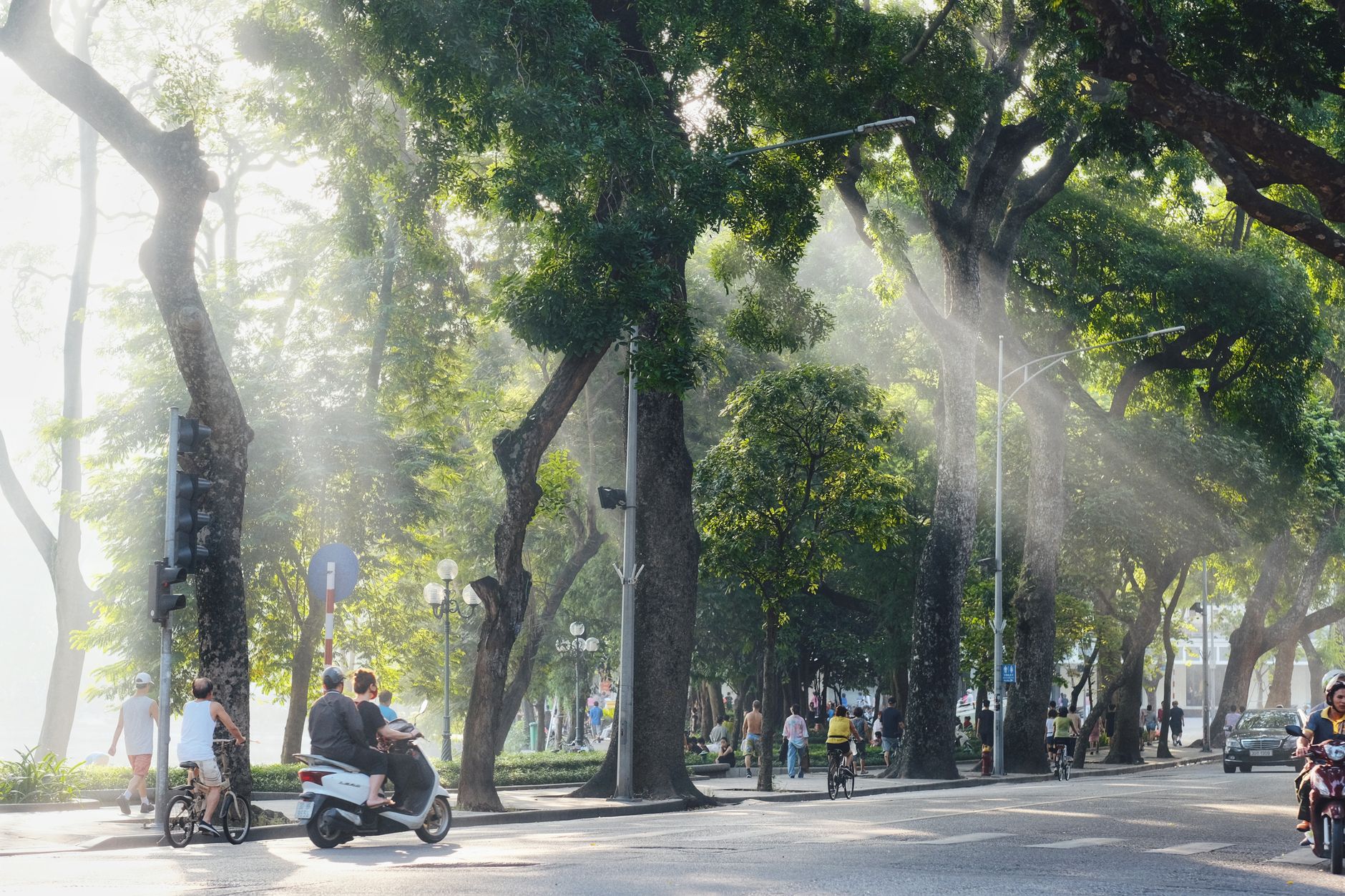
The Old Quarter's 36 guild streets, West Lake's causeways, the red-painted bridge leading to a temple on the water — Hanoi rewards the walker who slows down. The rest of Vietnam branches out from here: the limestone karsts of Ha Long Bay to the east, the mountain terraces of Sapa to the northwest, the ancient towns and beaches further south.
Popular cities in Hanoi


💛 What travellers fall for
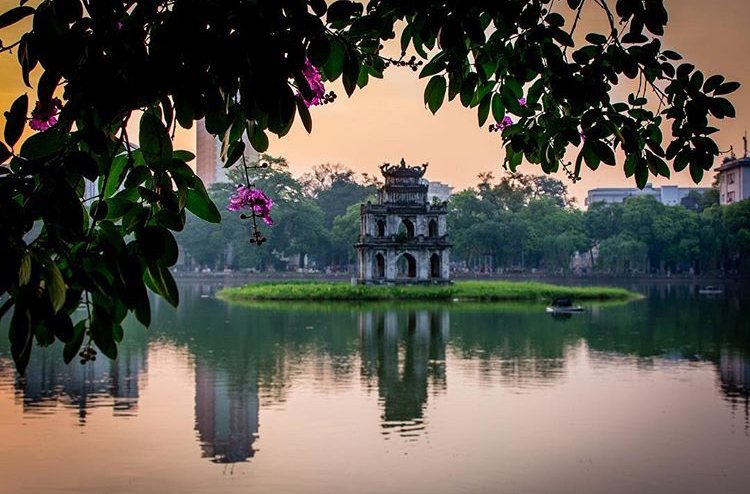
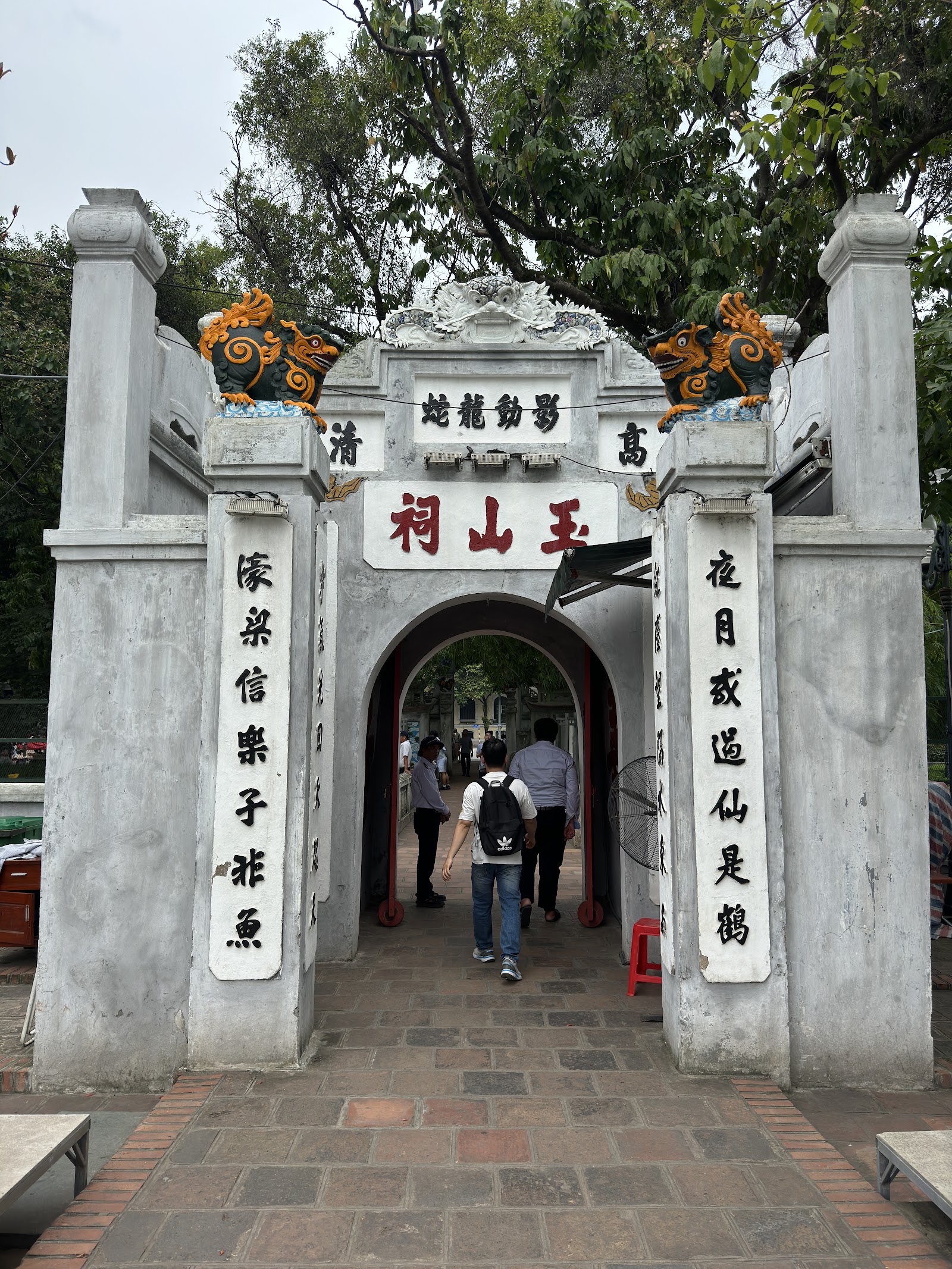
People who come back tend to anchor themselves around Hoàn Kiếm Lake early and late — before the city fully wakes, and again after dark when the water reflects the lights of Ngoc Son Temple. They also learn quickly that the metro's Line 2A is genuinely useful for reaching Ba Dinh district without the motorbike arithmetic.
How Hanoi came to be
In 1010, Emperor Ly Thai To moved his court to a citadel on the Red River delta and named it Thang Long — Soaring Dragon — after a vision he had on arrival. The dynasty that followed built the Temple of Literature in 1070, opened Vietnam's first university there six years later, and erected the One Pillar Pagoda after another emperor's dream, this one of a bodhisattva on a lotus flower. The city changed hands and names several times: Dong Do, Dong Kinh, and finally Hà Nội in 1831.
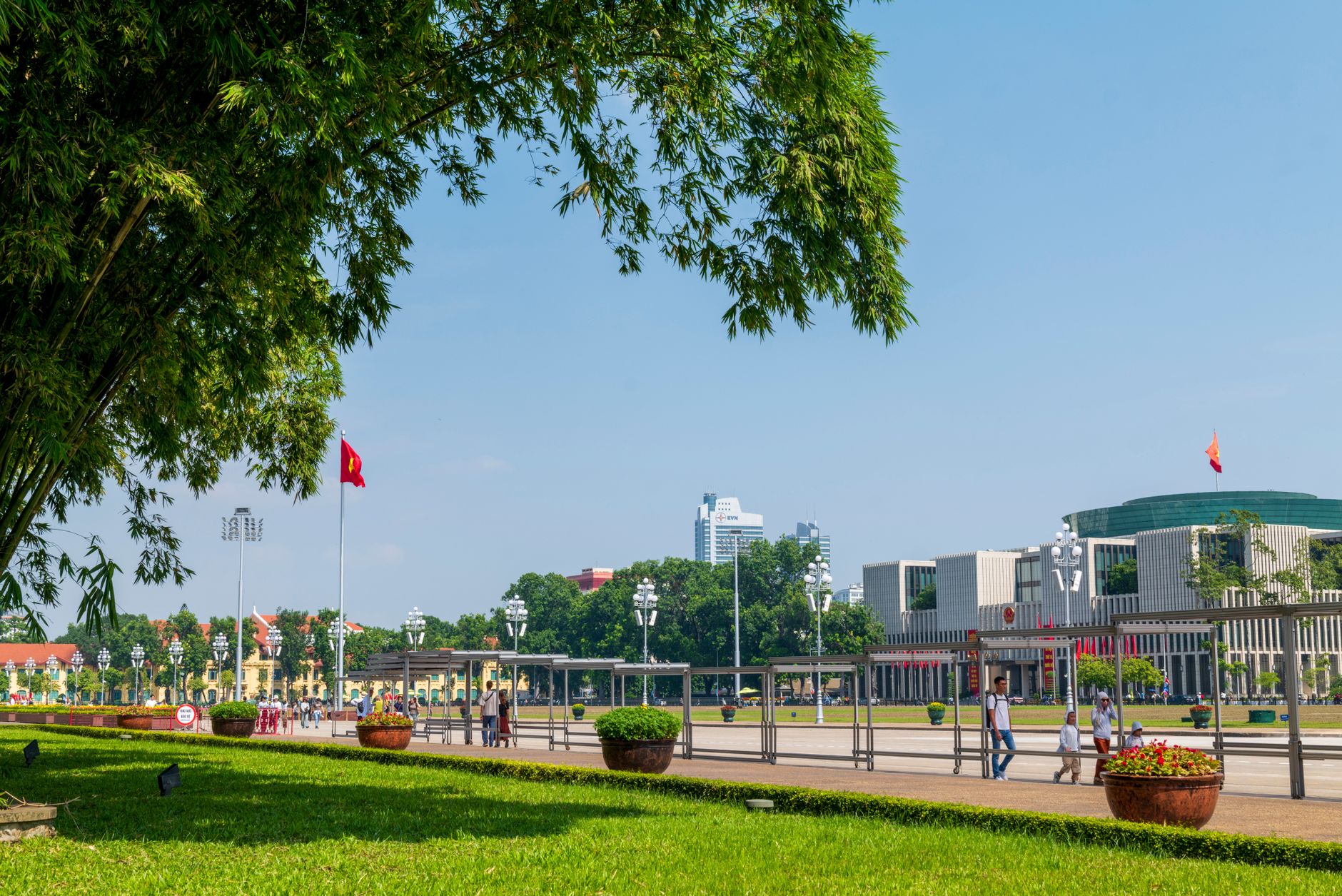
The French arrived in force in 1888 and left their mark in the Opera House (completed 1911, modelled on the Palais Garnier) and St. Joseph Cathedral (1886). In Ba Dinh Square on September 2, 1945, Ho Chi Minh declared Vietnamese independence. Hanoi became the capital of North Vietnam in 1954 and of the reunified country on July 2, 1976.
Who and what shaped it
People who shaped it
Landmark buildings
See Hanoi in motion
Plan your visit
On the map
When to go
Hanoi has four distinct seasons: winters (November to March) are cool and occasionally drizzly, spring (March to April) mild and hazy, summers (May to September) hot and wet with heavy afternoon downpours, and autumn (October to November) generally the most settled and pleasant time to be here.
Right now
↡ Attractions
↡ Cities


No places match these filters.
Background & history adapted from Wikipedia (CC BY-SA) · specs from Wikidata (CC0) · weather from Open-Meteo · map data © OpenStreetMap contributors · photos from Wikimedia Commons / Unsplash with per-image credit. No third-party reviews or social posts reproduced.