
Phu Quoc Island
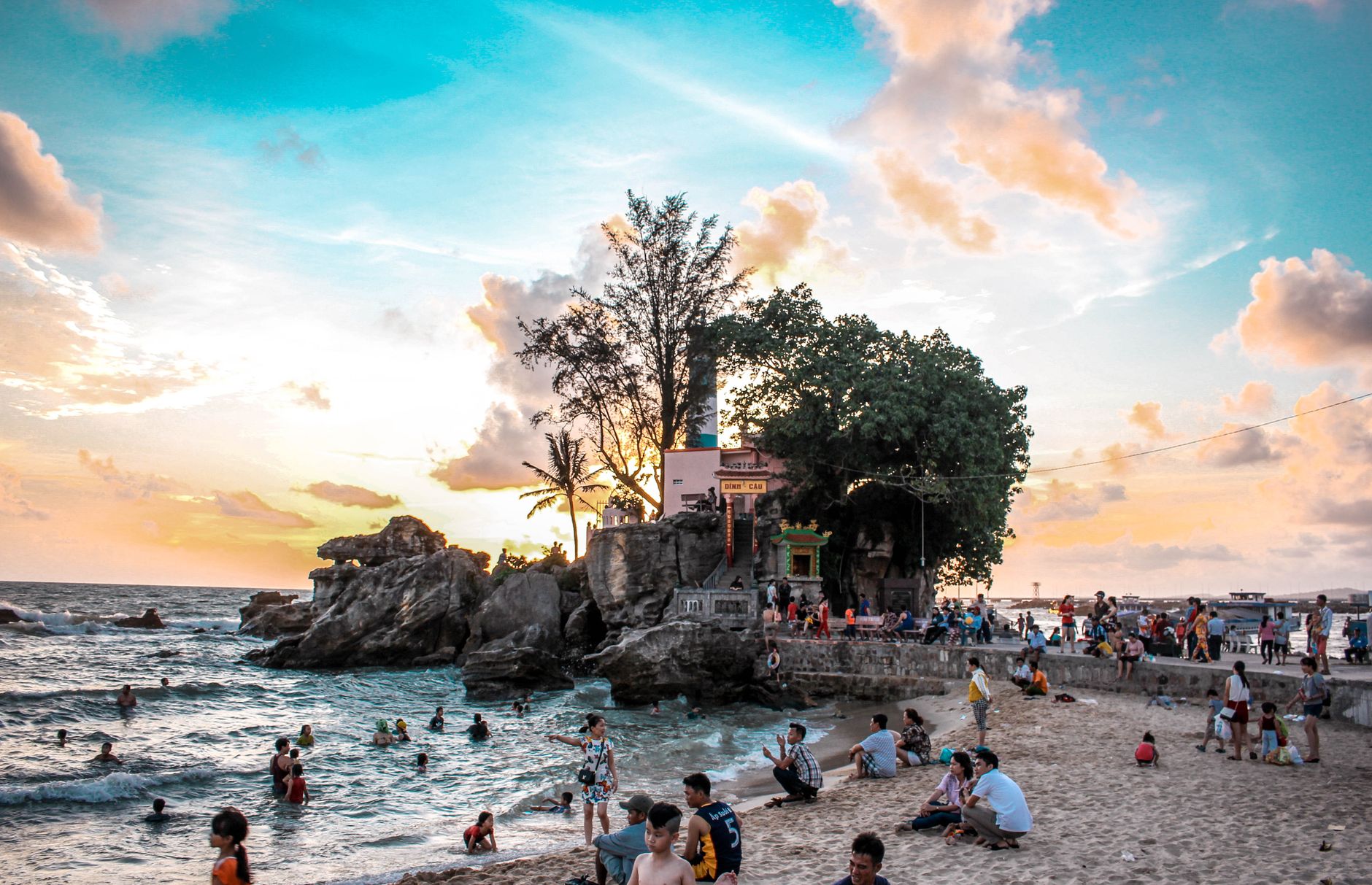
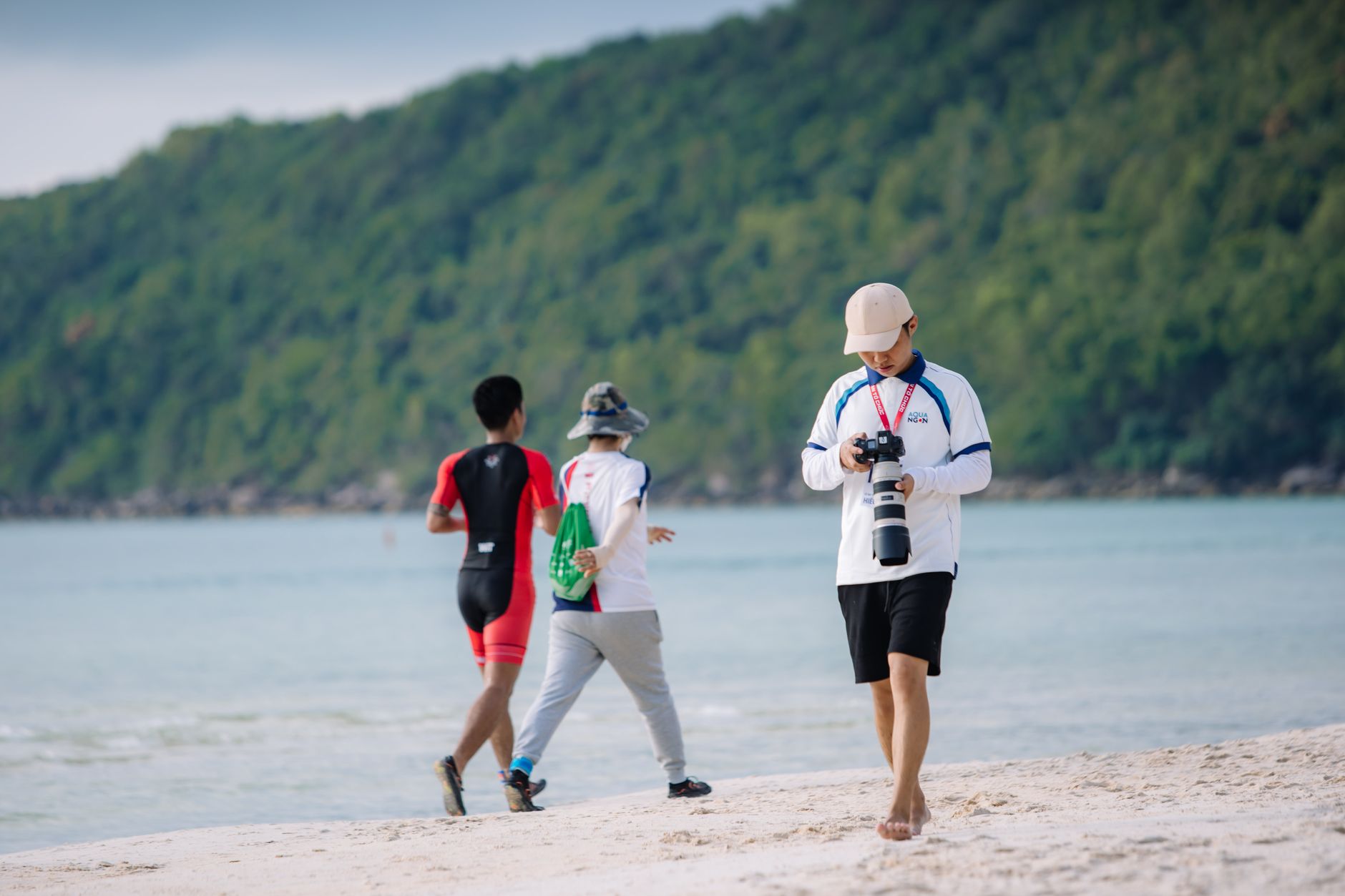
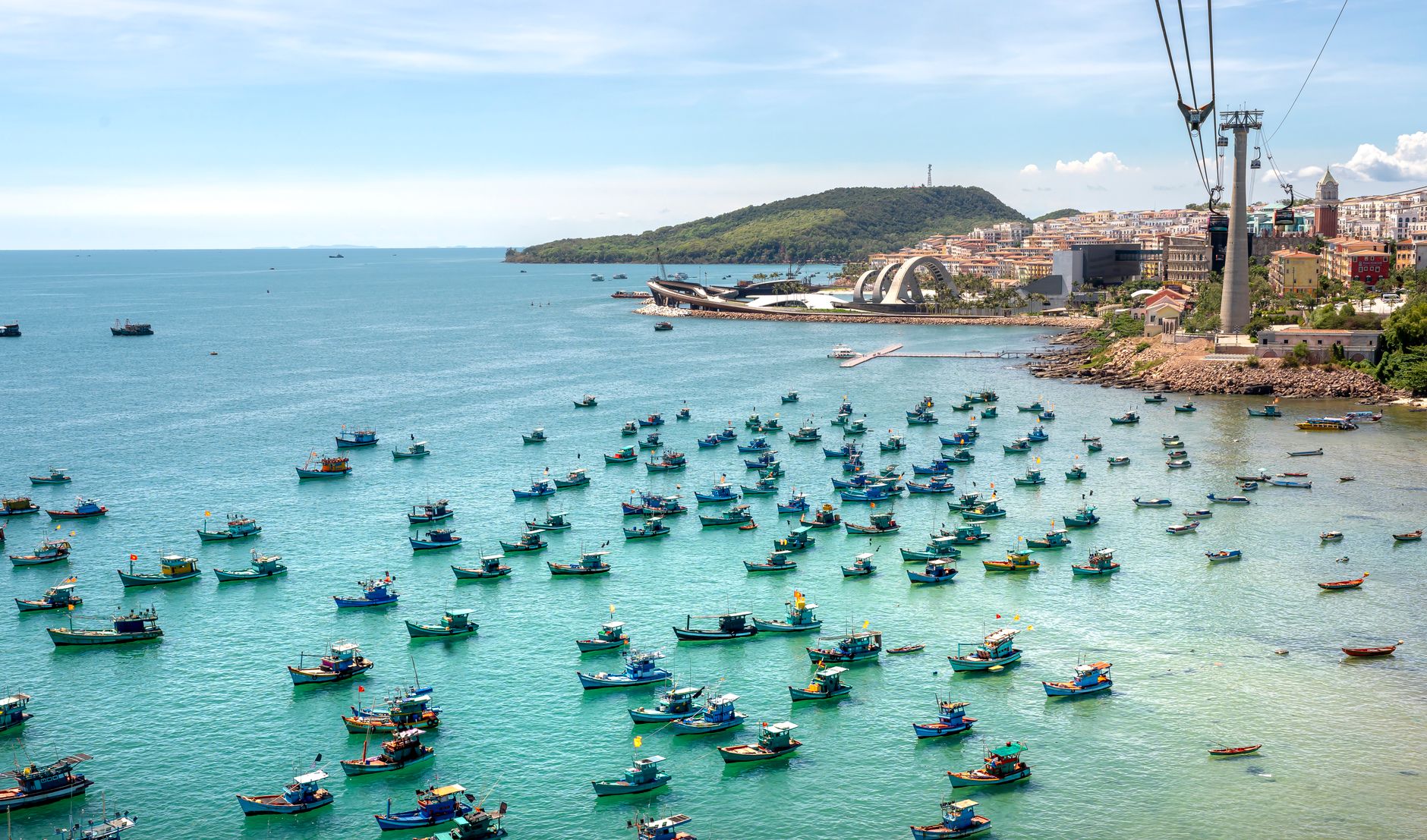
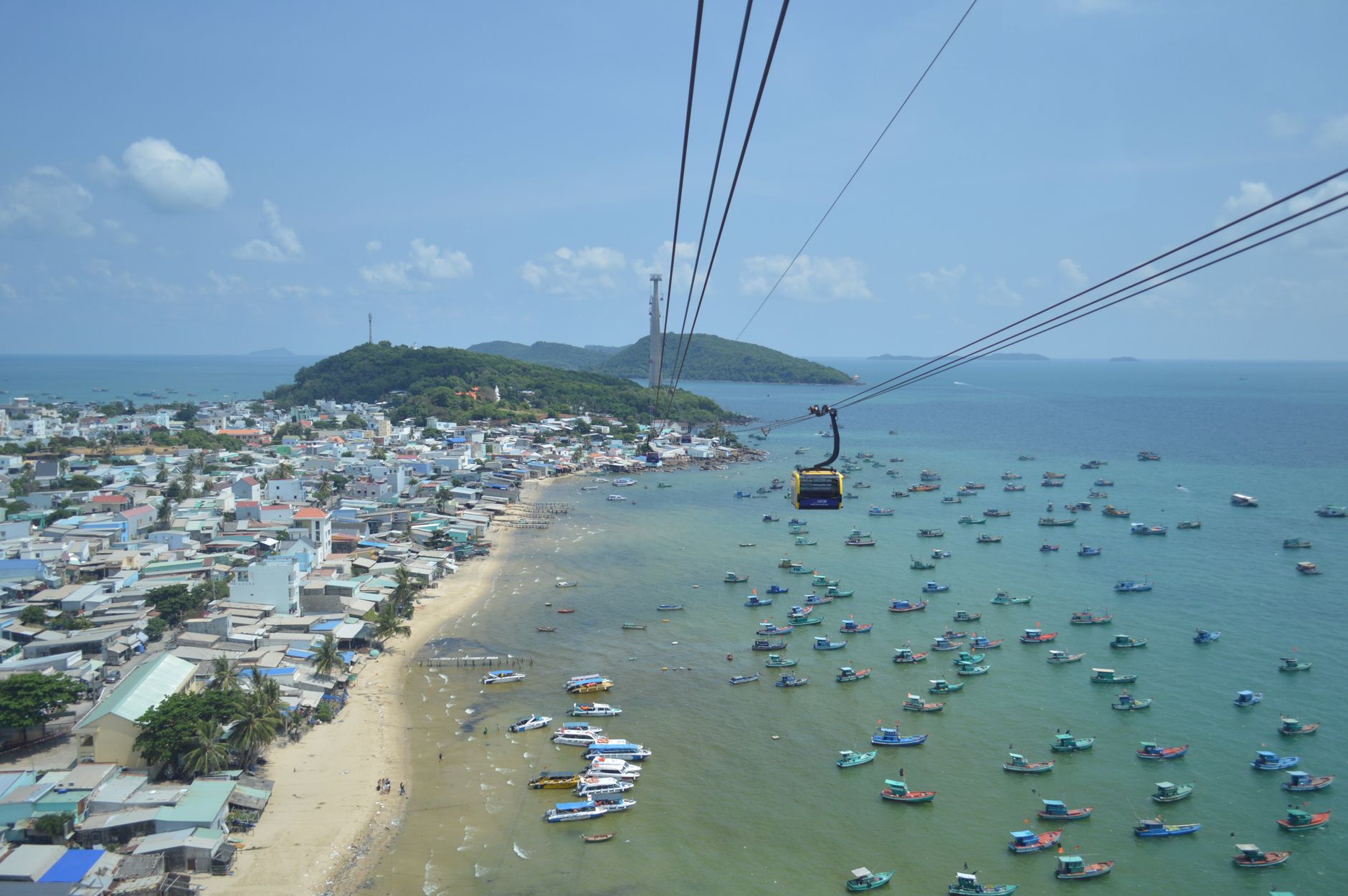
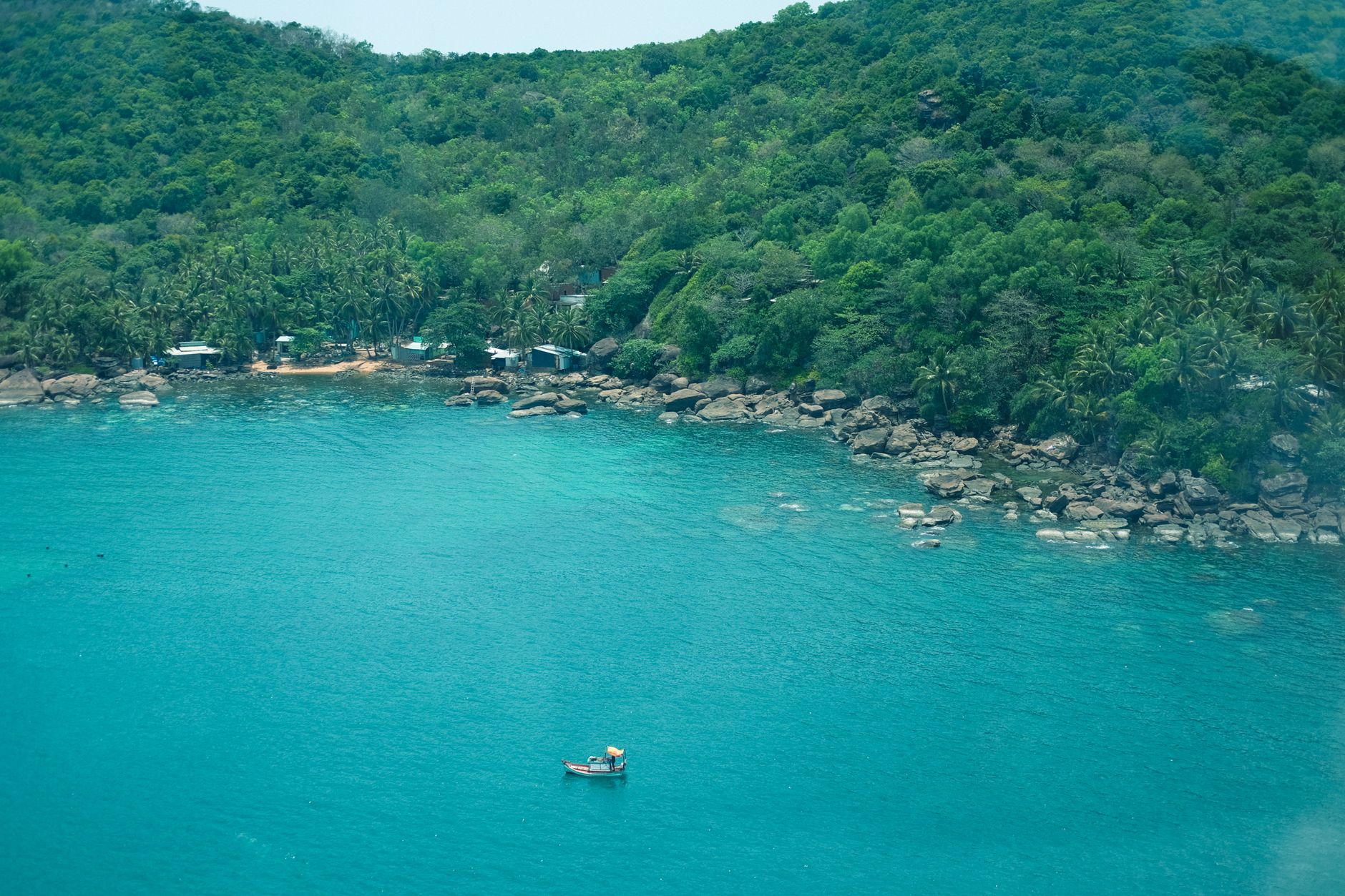
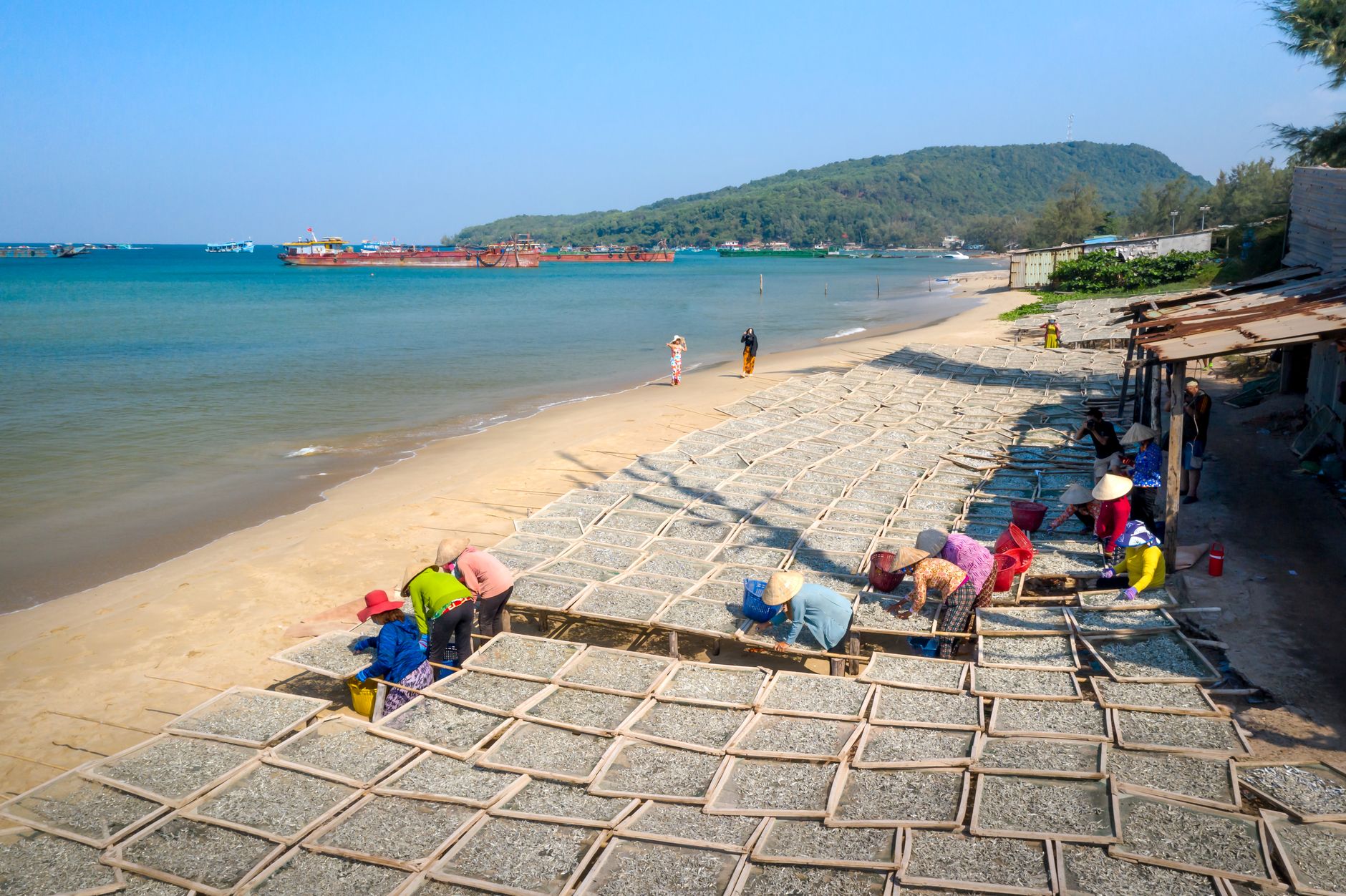
Phu Quoc sits in the Gulf of Thailand closer to Cambodia than to the Vietnamese mainland, and that geography has always shaped it — a place that different empires, missionaries, and merchants have passed through, claimed, and argued over for centuries. Today it is Vietnam's largest island, and it has changed fast: a decade ago the roads were mostly red dirt; now a cable car stretching nearly eight kilometres connects the south coast to an offshore island, holding a Guinness record for good measure.
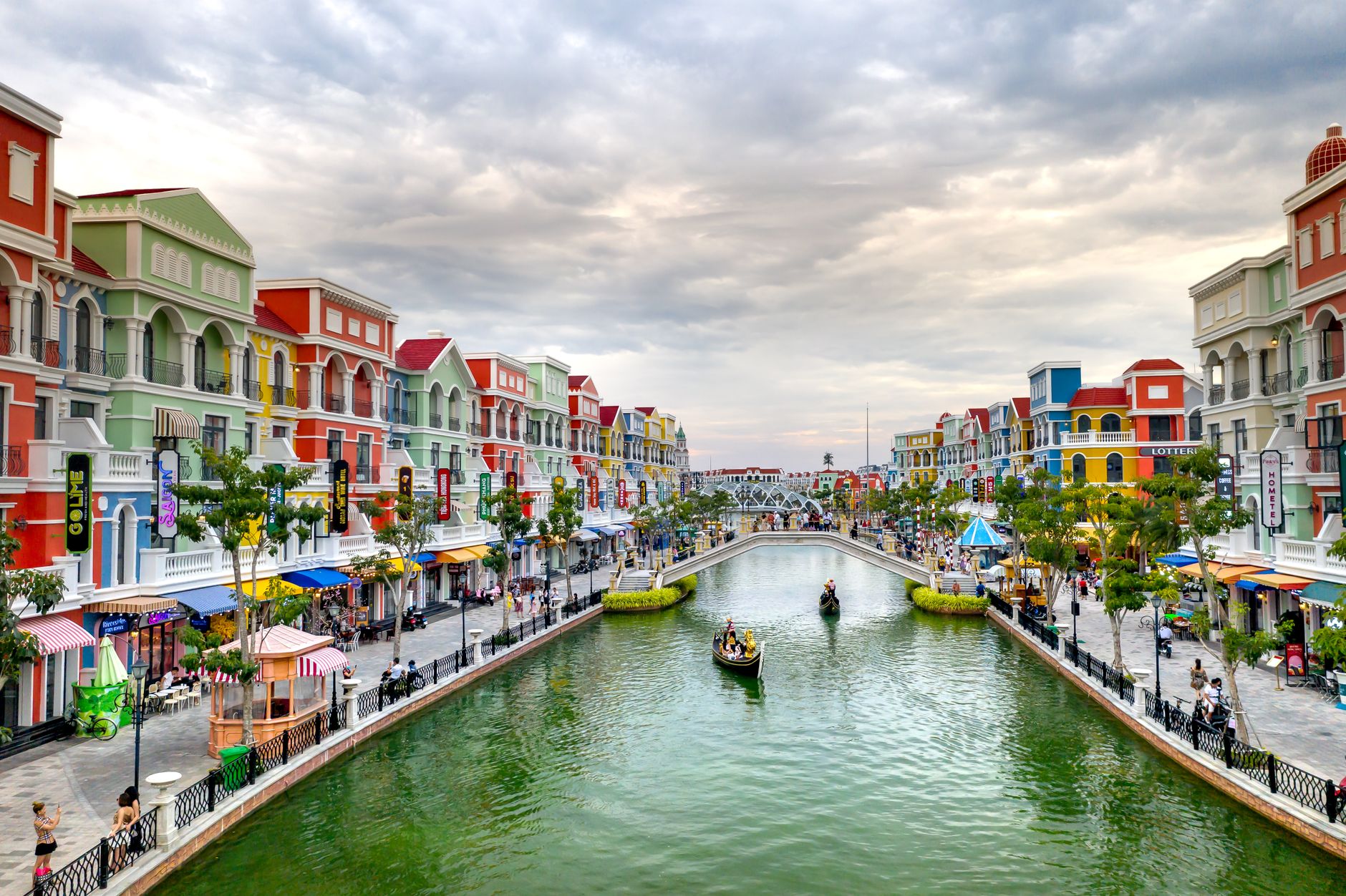
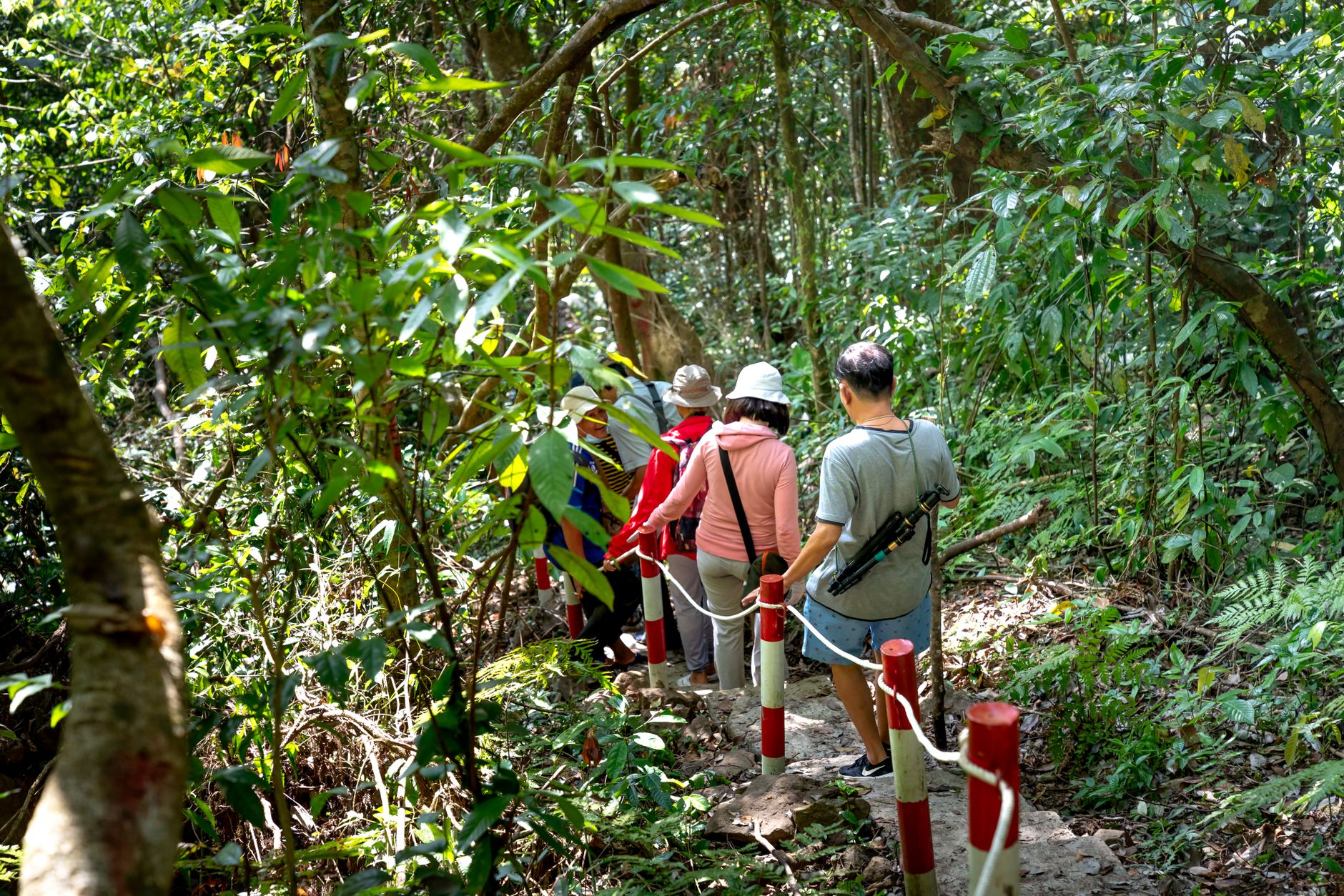
The island still runs on fish sauce and pepper — Phu Quoc's two most famous exports — and the northern forests remain largely intact. The south and west coasts, though, have been remade into something closer to a resort city, with architecture ranging from a Colosseum-inspired cable-car station to a bridge designed by an Italian architect that stops just short of itself.
Popular cities in Phu Quoc Island
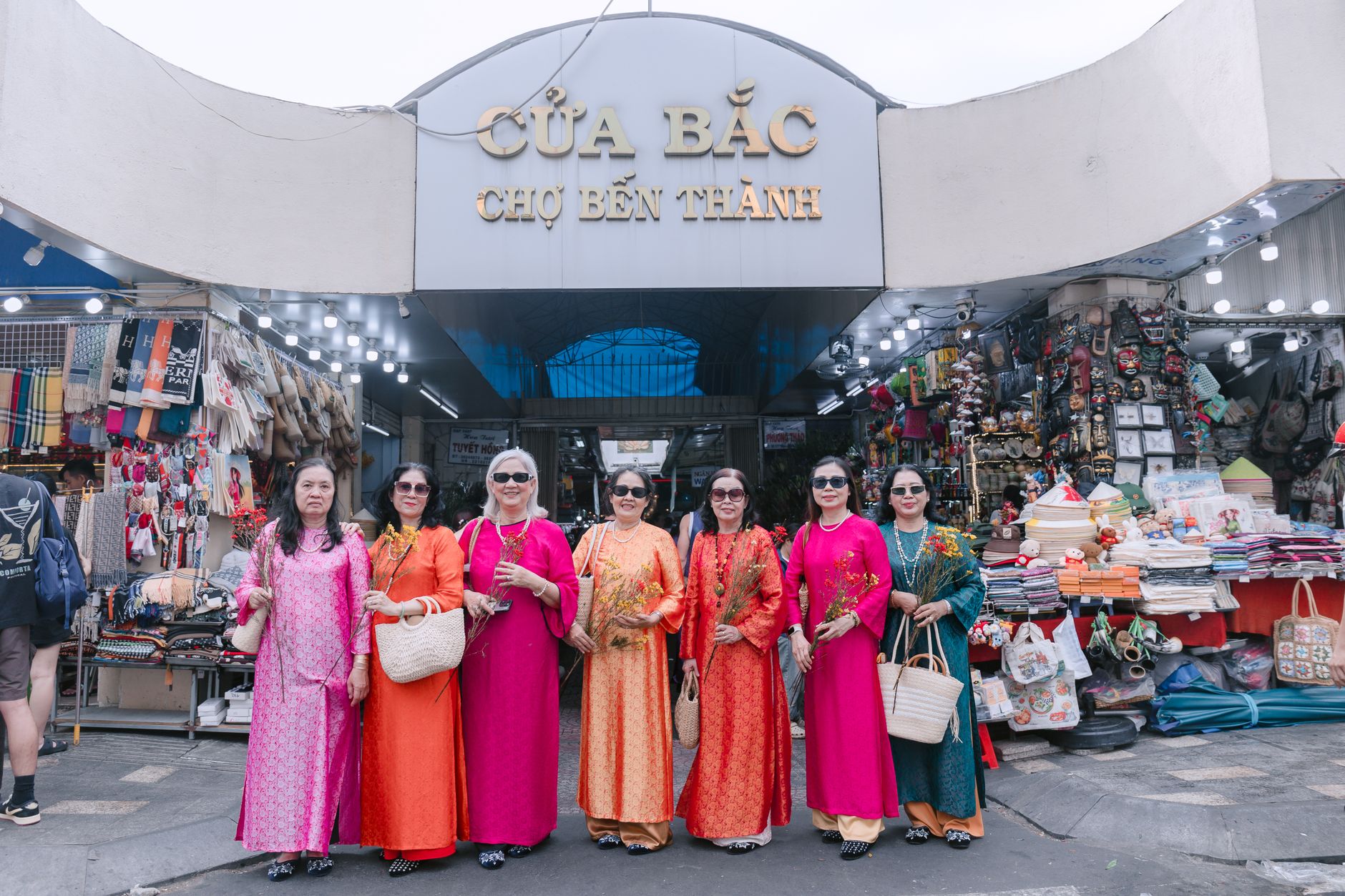
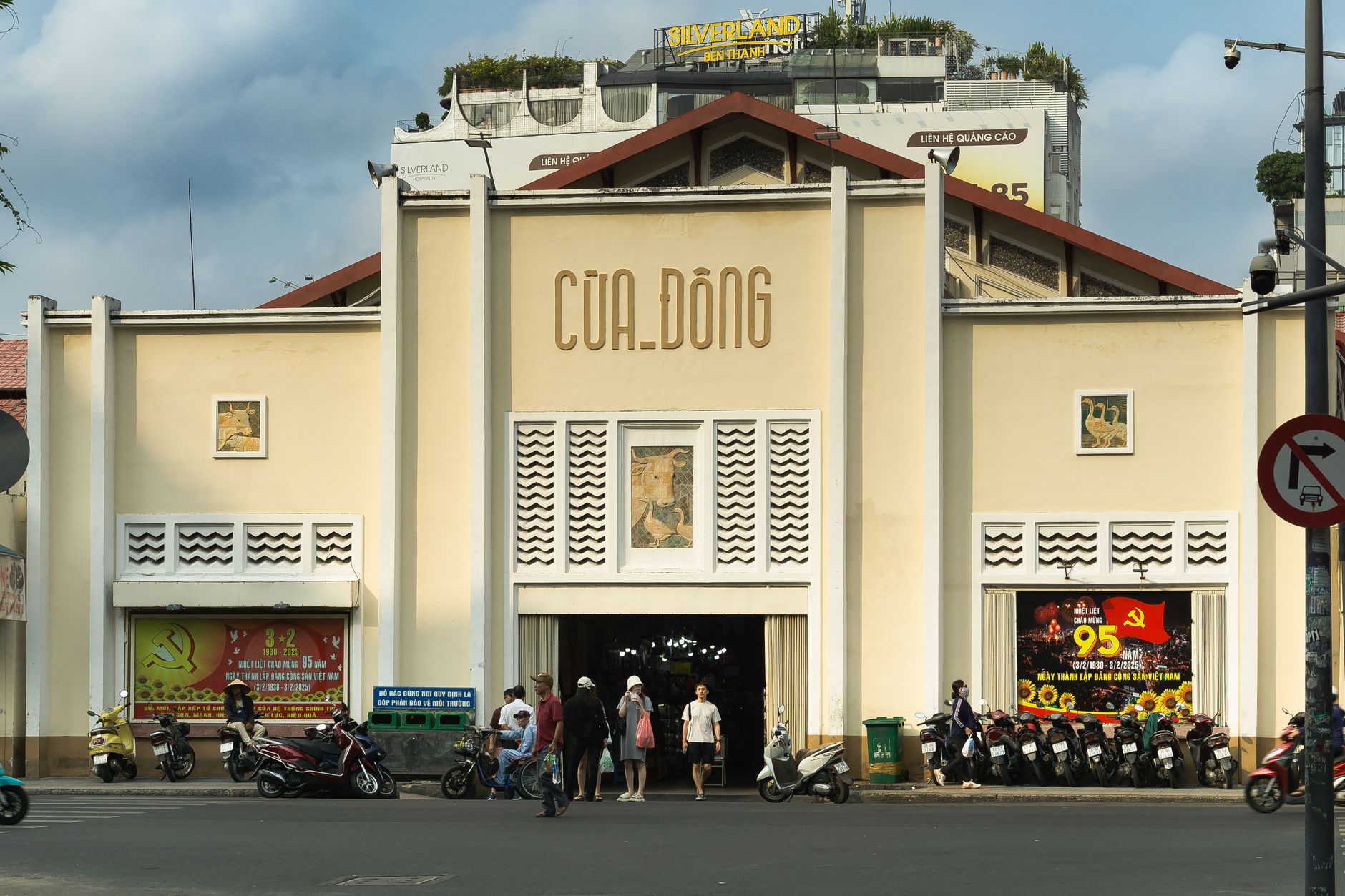
💛 What travellers fall for
People who return tend to head straight for the northern end of the island, where the national park keeps development at arm's length. The fish sauce factories around Duong Dong are worth a quick visit — the smell is confrontational, the process is ancient, and it reframes every meal you eat afterward. Long Beach at dusk is quieter than its reputation suggests.
How Phu Quoc Island came to be
The island appears in Cambodian royal documents as early as 1615, and around 1680 it fell within the Principality of Ha Tien — a maritime polity founded by Chinese merchant Mac Cuu under Cambodian patronage. A century later, the French missionary Pigneau de Behaine used Phu Quoc as a refuge during the 1760s and 1780s to shelter the fugitive Nguyen Anh, who was being hunted by the Tay Son army and would eventually reunify Vietnam as Emperor Gia Long.
The French later built what became known as the Coconut Tree Prison, which held more than 30,000 prisoners by 1973 — first Viet Minh fighters, then Viet Cong and North Vietnamese Army POWs. It survives as a national historical site. Cambodia formally dropped its territorial claims to the island in 1976, with the Brevie Line — drawn by French Indochina's Governor General Jules Brevie in 1939 — eventually confirmed as the maritime boundary. In June 2025, Phu Quoc was designated one of Vietnam's special administrative zones.
Who and what shaped it
People who shaped it
Landmark buildings
See Phu Quoc Island in motion
Plan your visit
On the map
When to go
November through April is dry and relatively cool, with calm seas ideal for the western beaches. The southwest monsoon arrives in May and stays through October, bringing afternoon downpours and swells that can close off the smaller offshore islands entirely.
Right now
↡ Cities
Background & history adapted from Wikipedia (CC BY-SA) · specs from Wikidata (CC0) · weather from Open-Meteo · map data © OpenStreetMap contributors · photos from Wikimedia Commons / Unsplash with per-image credit. No third-party reviews or social posts reproduced.