
Hoi An Ancient Town
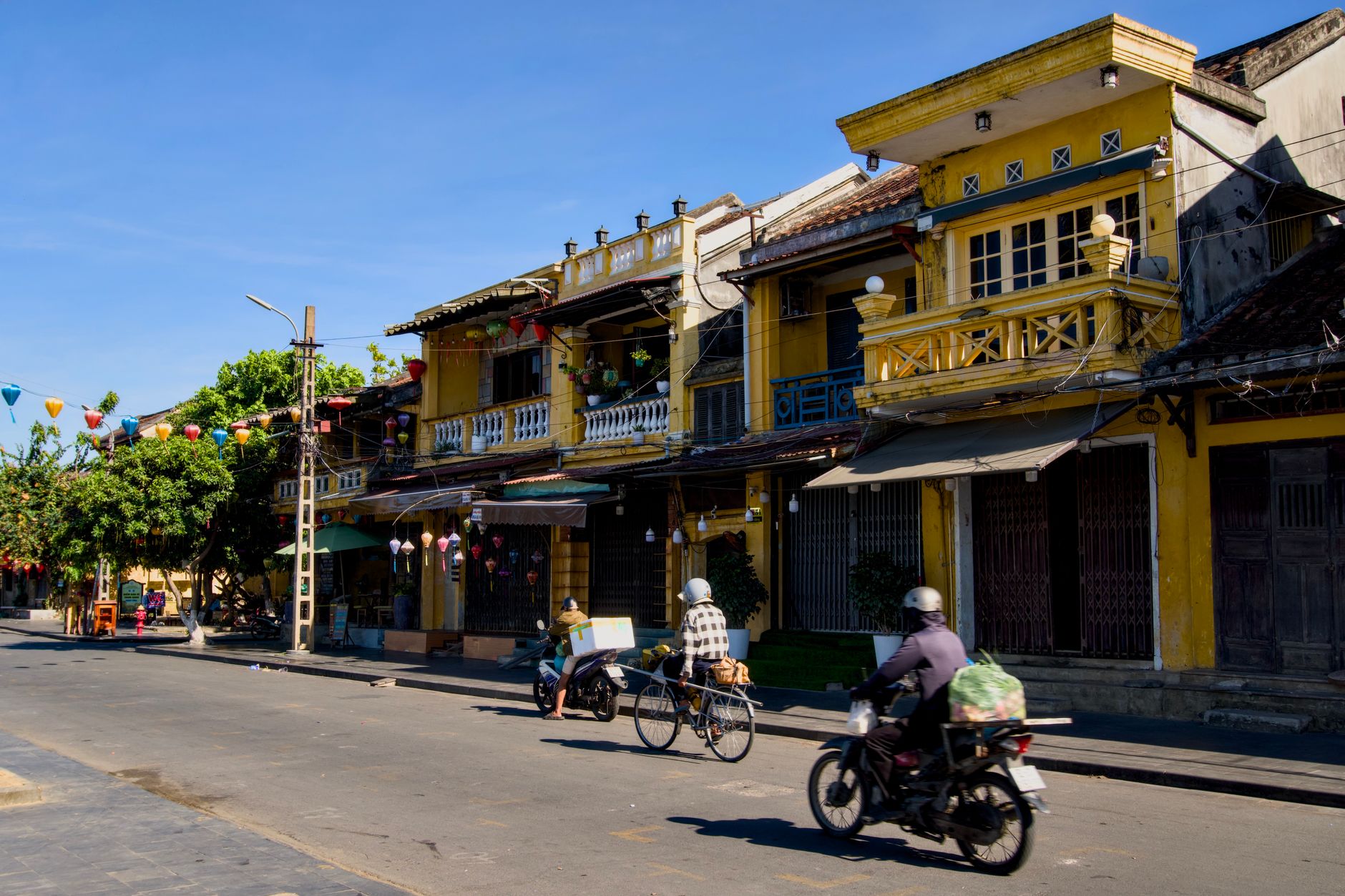

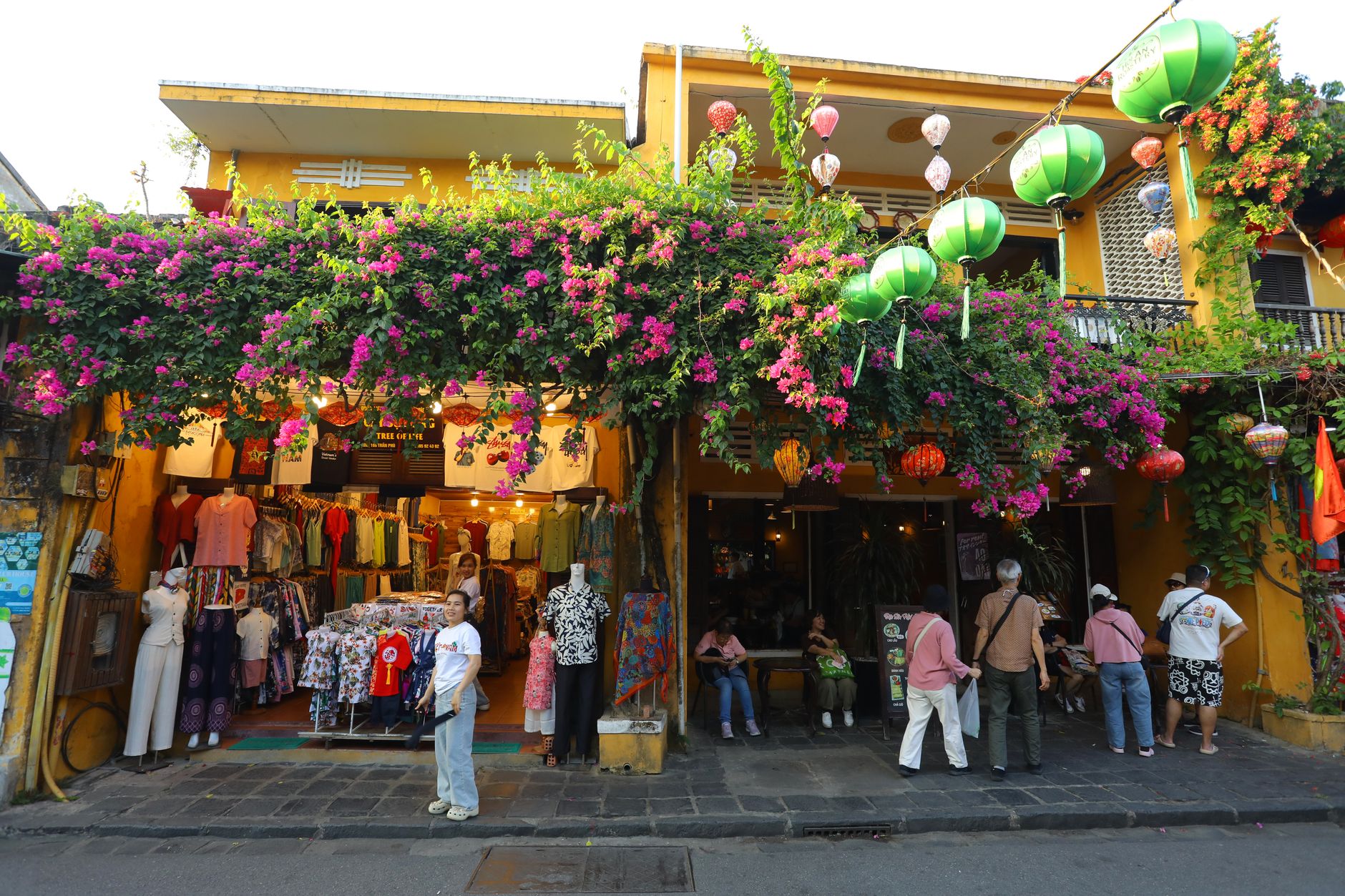

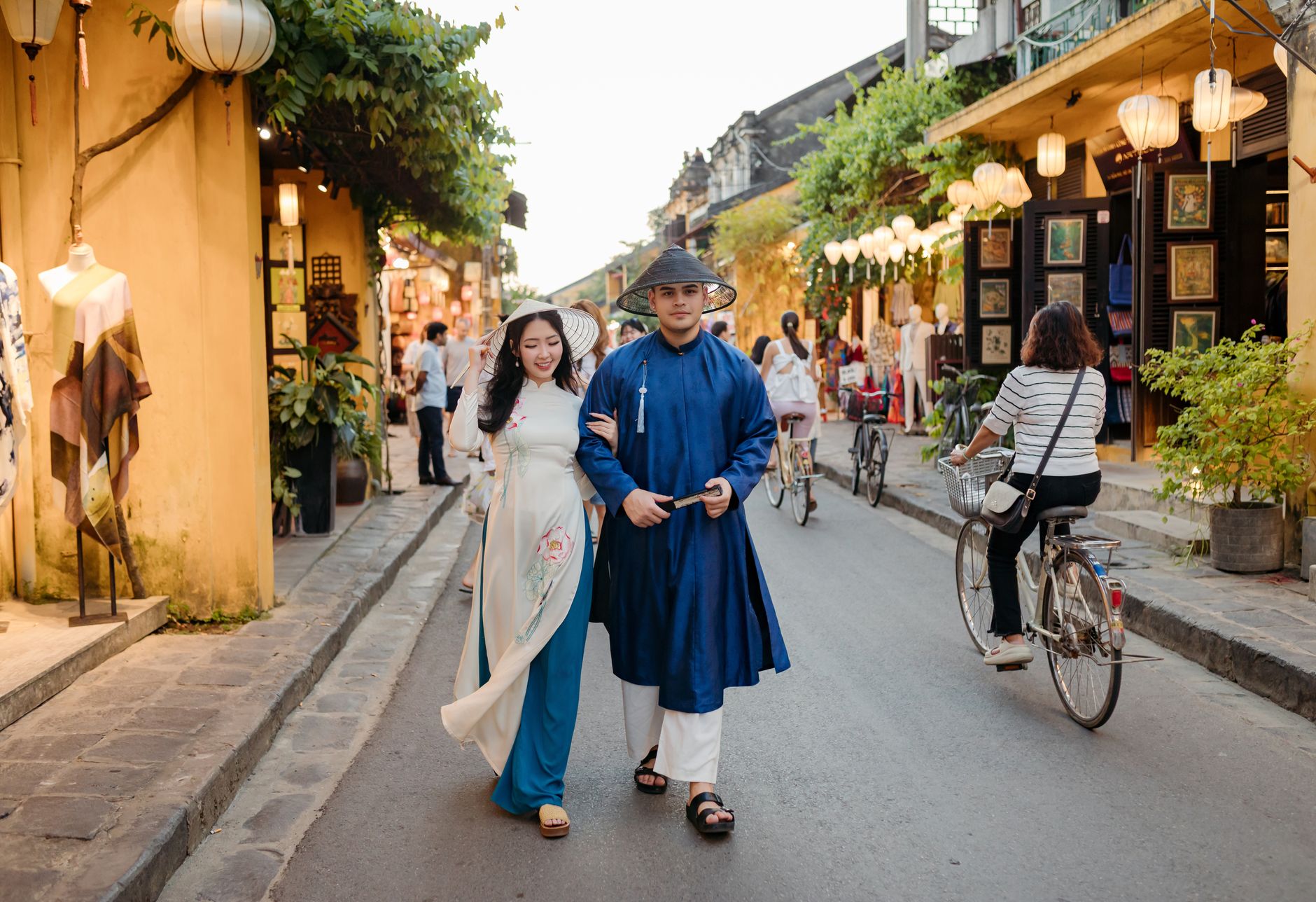
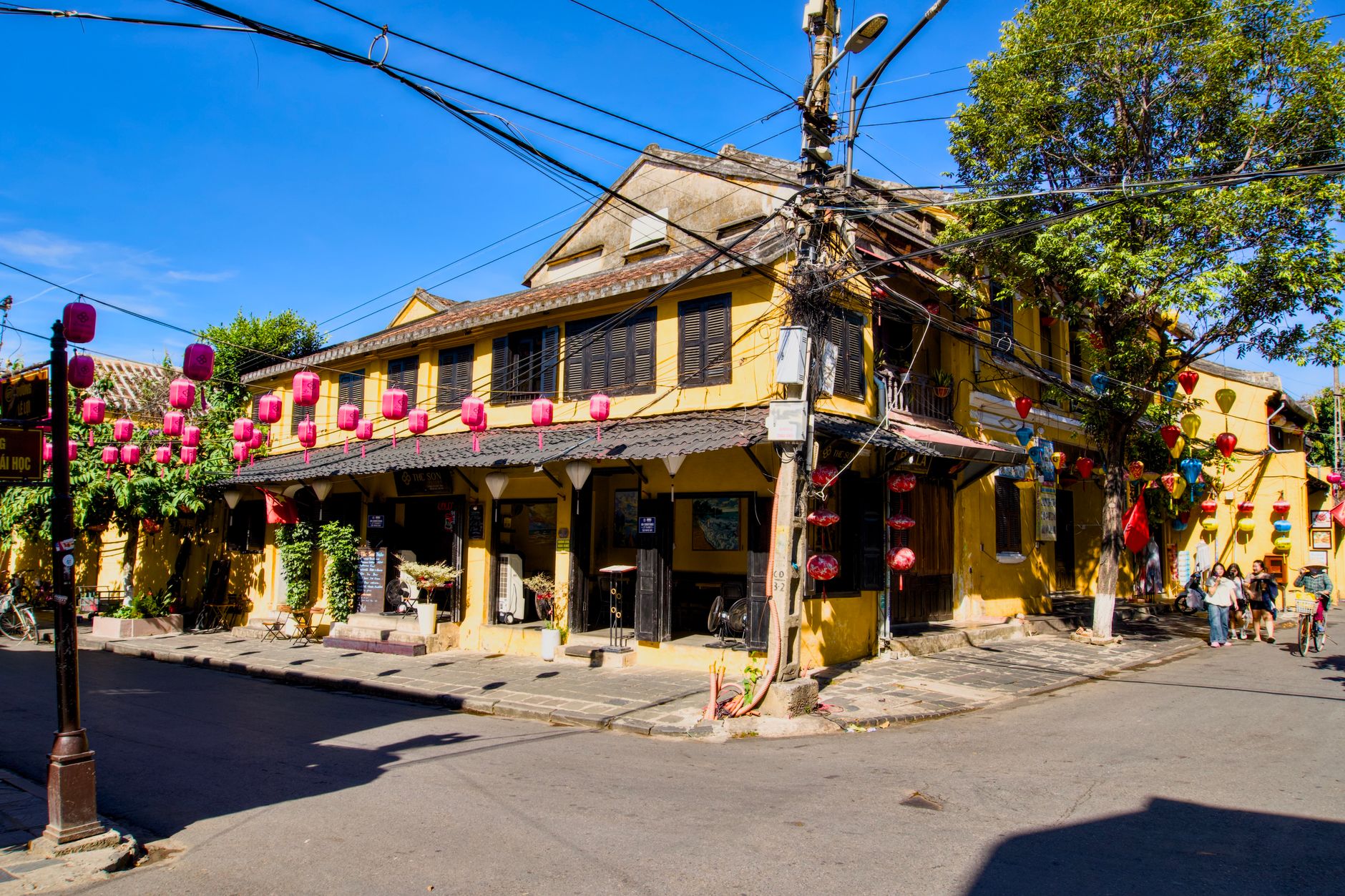
The first thing you notice in Hoi An Ancient Town is how the buildings lean toward each other across the narrow lanes — timber-framed, ochre-walled, held together by centuries of salt air and careful maintenance. More than a thousand of these structures still stand, many occupied by the same families who built them. The Japanese Covered Bridge, barely nineteen metres long, has anchored the western end of the old quarter since the late sixteenth or early seventeenth century, its roof sheltering a small shrine and the footsteps of everyone who has passed through since.
This is a place that traded with the world long before it became a destination. Chinese, Japanese, Dutch, and Indian merchants all left their mark in the assembly halls, ancestral houses, and temple eaves that line Tran Phu Street.
💛 What travellers fall for
People who come back tend to agree: buy the 120,000 VND ticket but spend most of your time on the streets themselves, which are free. Save your five tear-off stubs for the Tan Ky Ancient House and Phuc Kien Assembly Hall. Arrive before 9 am or after 9 pm, when the scooter ban lifts and the lanes feel briefly, genuinely local again.
How Hoi An Ancient Town came to be
Hoi An's origins reach back to the Cham Kingdom, which used this stretch of the Thu Bon River as a trading port as early as the second century CE. The town's defining era came after 1570, when Nguyen Hoang and his son Nguyen Phuc Nguyen took control of Quang Nam province, built the infrastructure for commerce, and turned Hoi An into one of Southeast Asia's busiest ports. For the next two centuries, Chinese, Japanese, Dutch, Indian, and Spanish merchants all kept warehouses and community halls here.
The decline was gradual and geological: the river silted up through the nineteenth century, regional trade shifted north to Da Nang, and Hoi An was left largely intact by neglect rather than design. That preservation earned it National Cultural Heritage status in 1985 and a UNESCO World Cultural Heritage designation in 1999.
Who and what shaped it
People who shaped it
Landmark buildings
See Hoi An Ancient Town in motion
Plan your visit
On the map
When to go
November through January brings the coolest and most manageable weather, with daily temperatures between 19 and 24°C, though brief flooding is possible in November. June through August is genuinely hot — daytime highs can reach 38°C — so early mornings and evenings are when the old town is easiest to move through.
Right now
Background & history adapted from Wikipedia (CC BY-SA) · specs from Wikidata (CC0) · weather from Open-Meteo · map data © OpenStreetMap contributors · photos from Wikimedia Commons / Unsplash with per-image credit. No third-party reviews or social posts reproduced.