
Hue
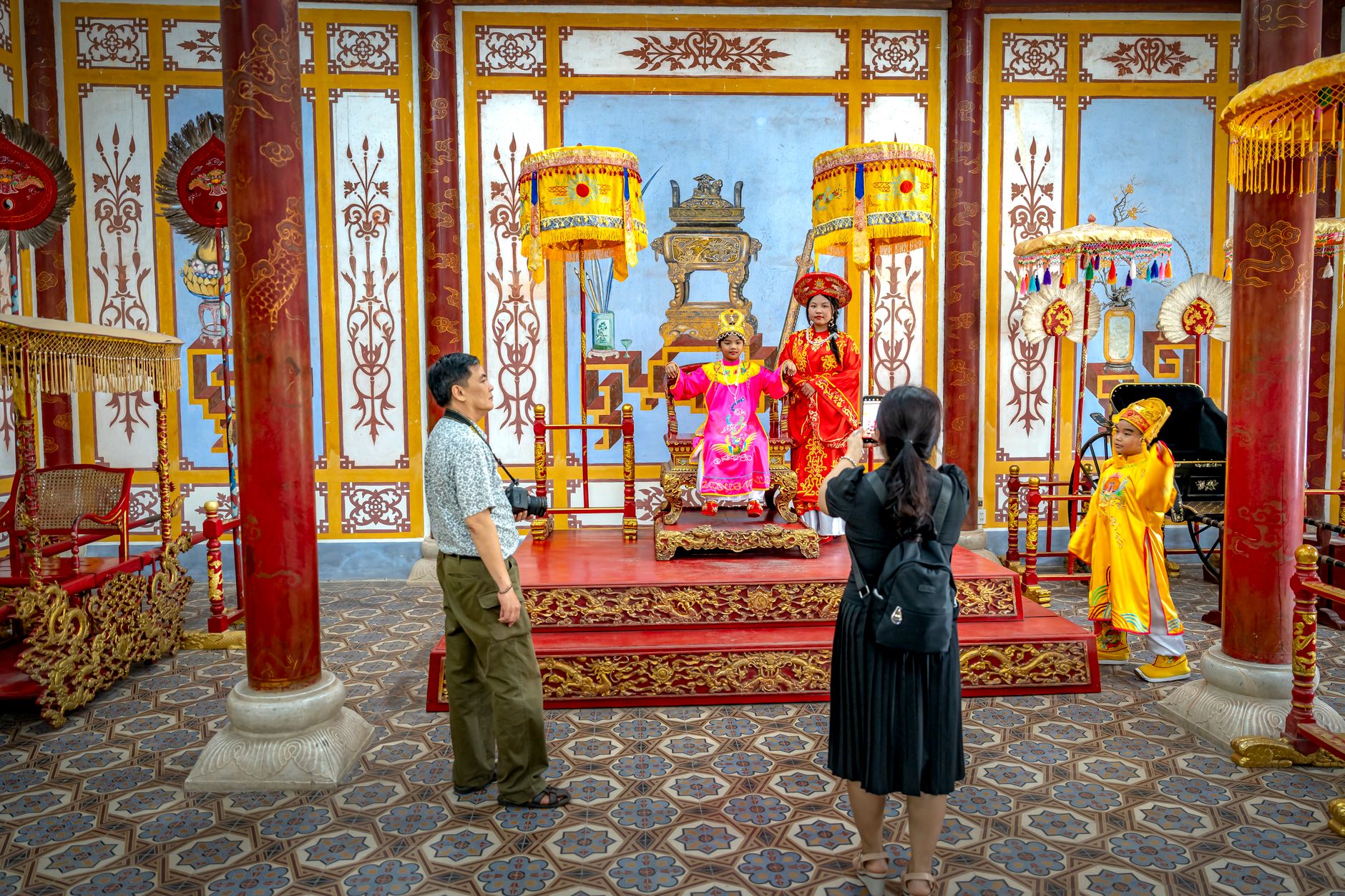
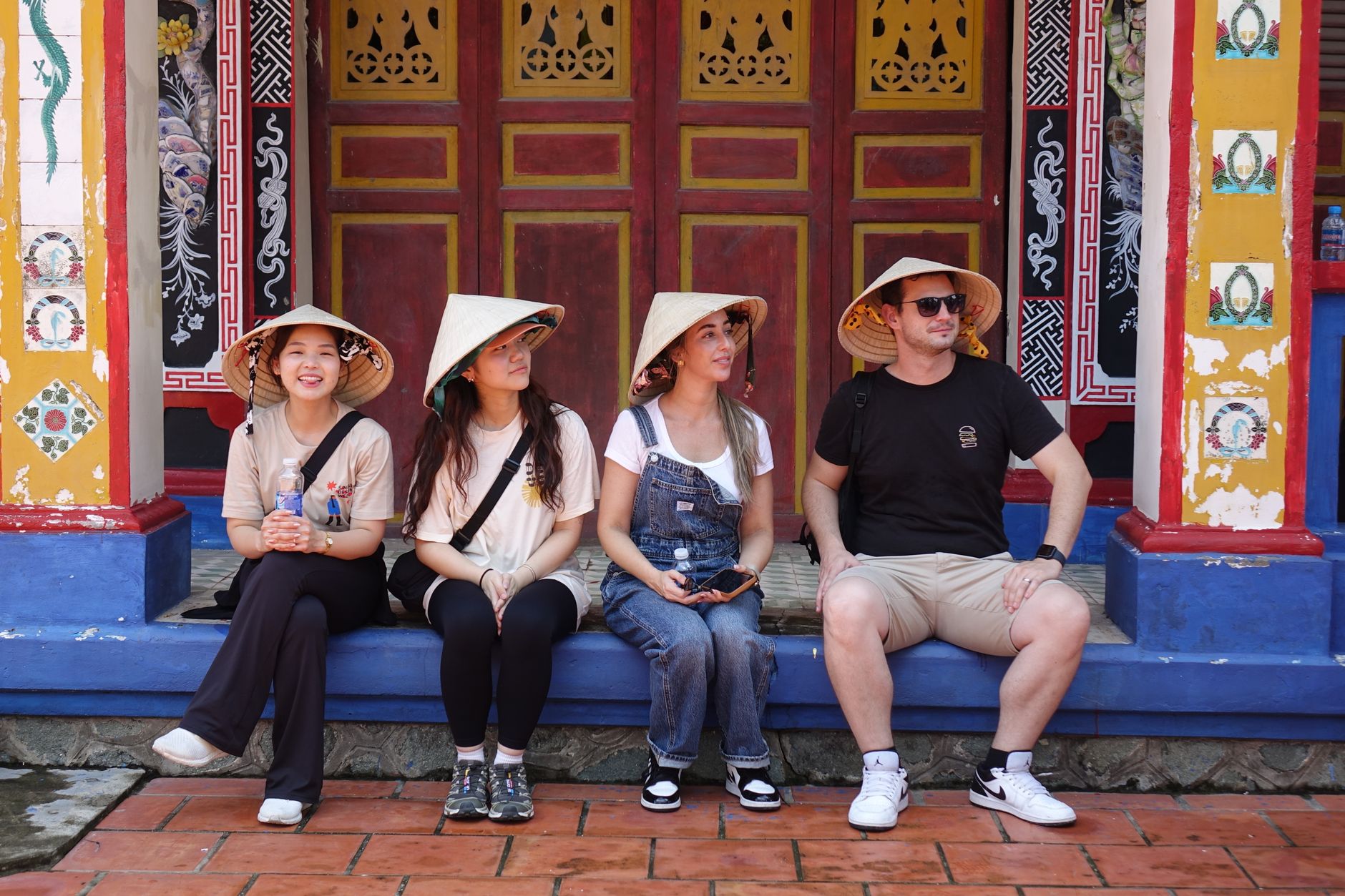
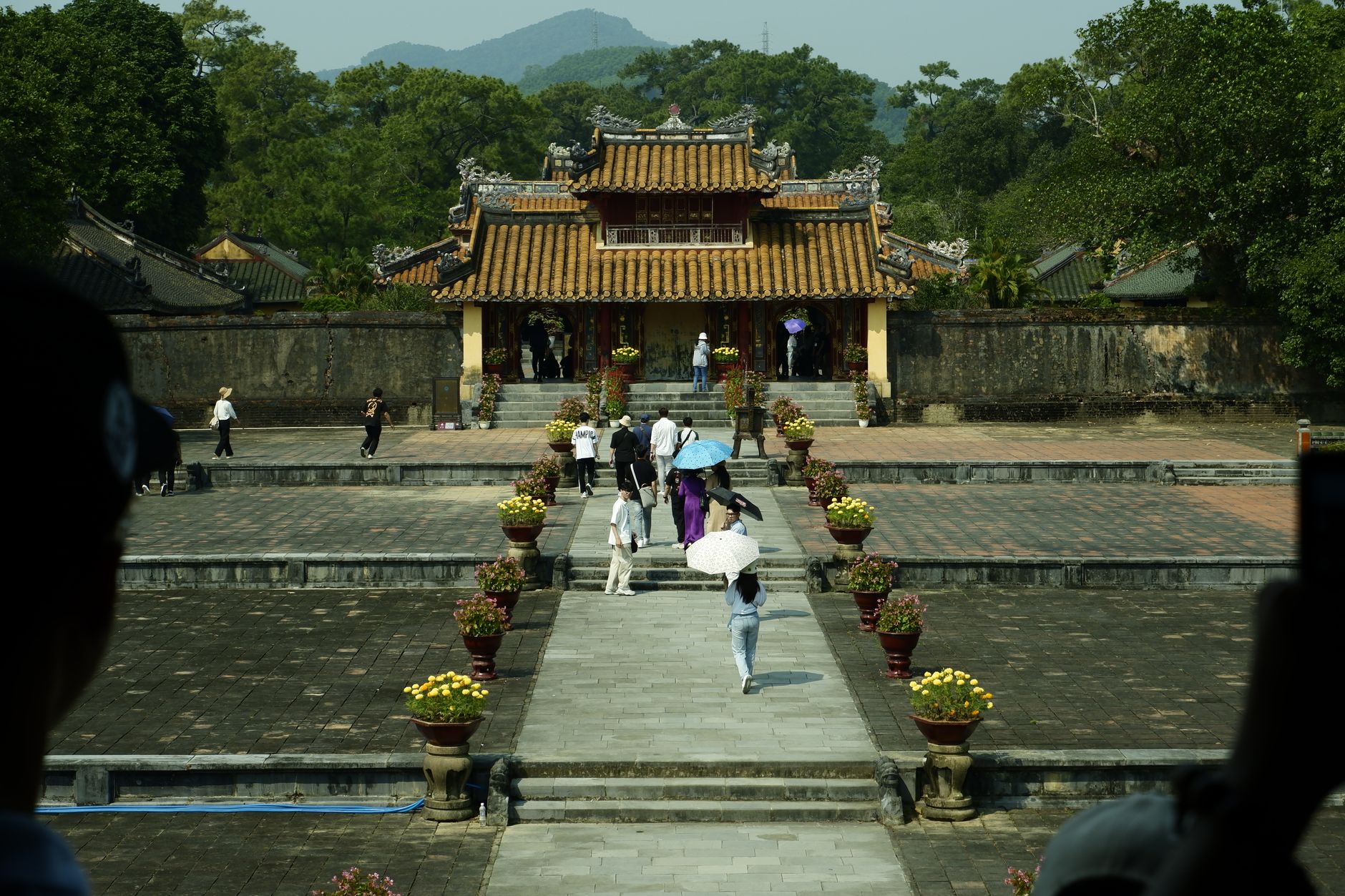
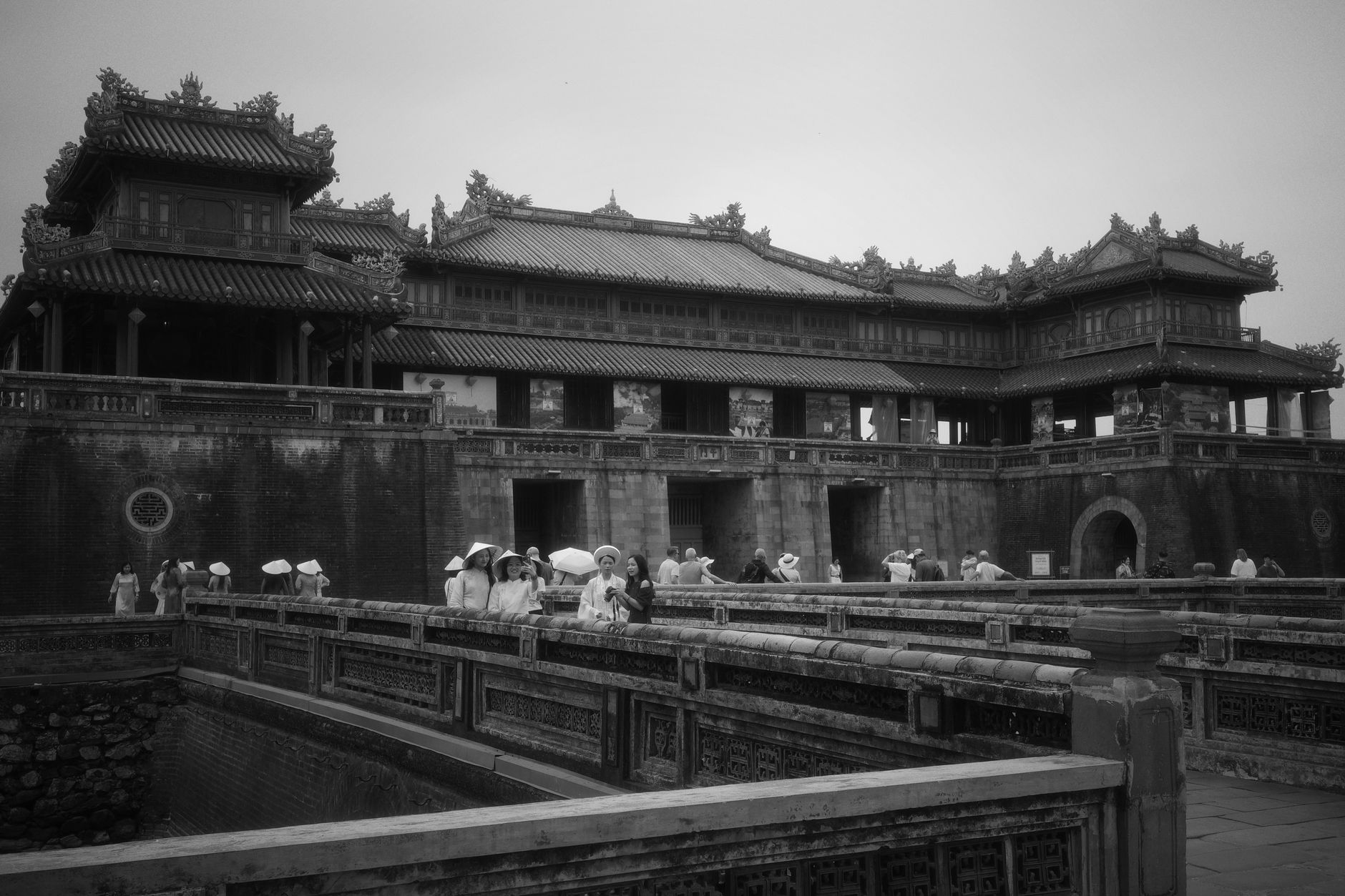
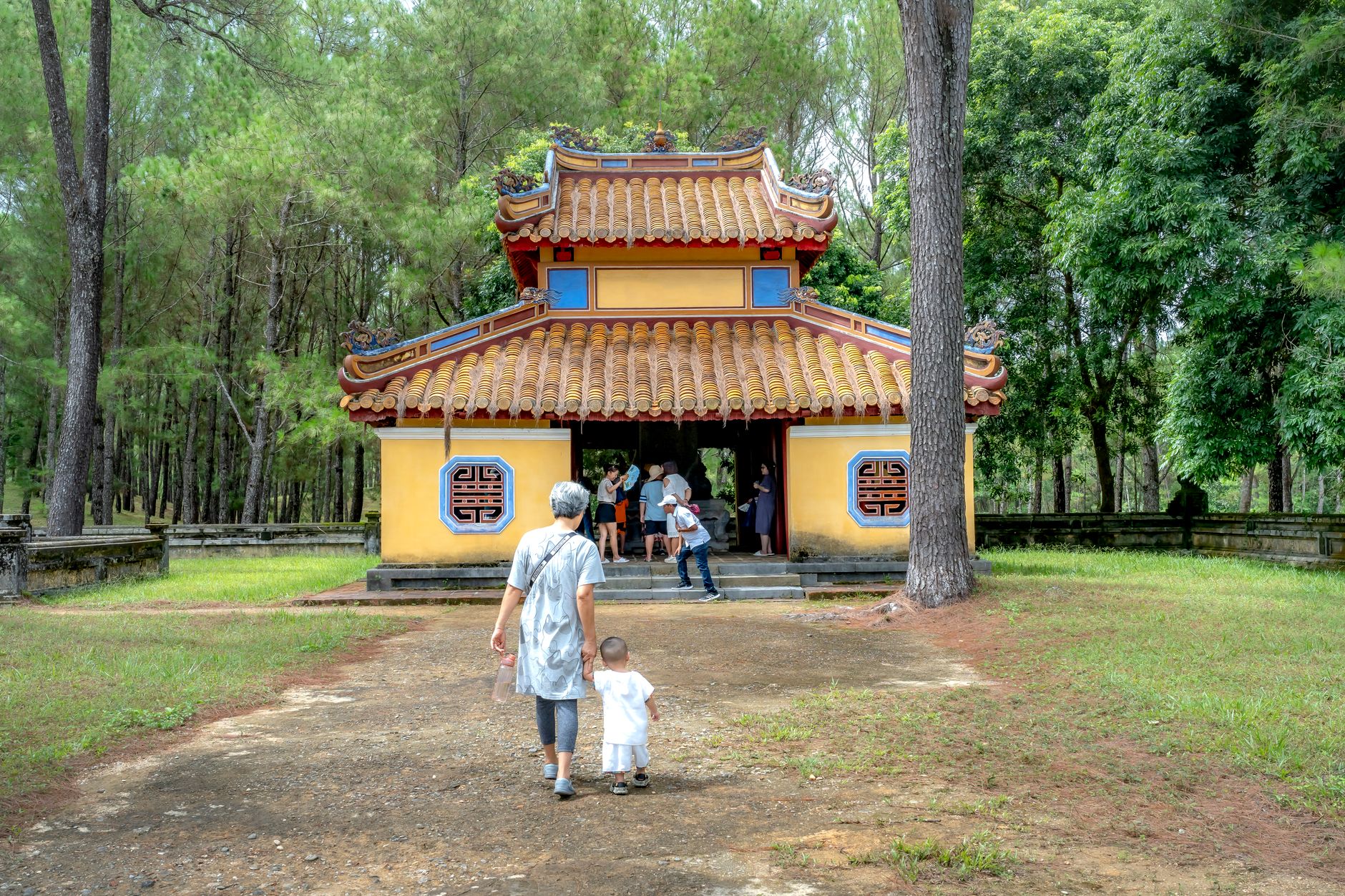
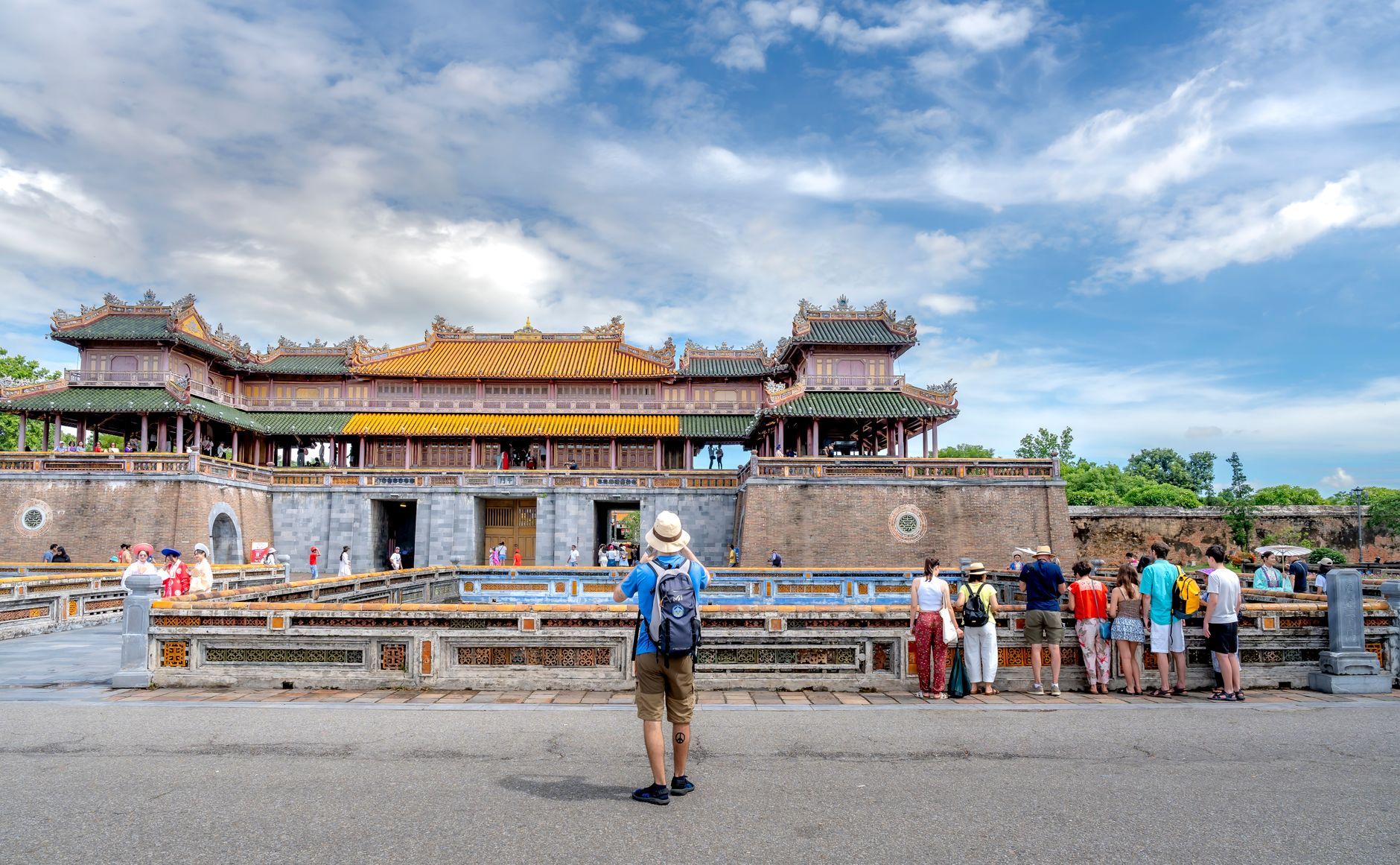
Hue is the city that still carries the weight of being a capital. The Perfume River cuts through its centre, and on the north bank the old Imperial Citadel sits inside walls two kilometres long, a moat running the perimeter — built in 1804, battered in 1968, and still standing in ways that matter. Of the 160 buildings that once filled the enclosure, ten major sites remain. That gap between what was and what is gives the place its particular atmosphere.
This is Vietnam's imperial heartland, a UNESCO World Heritage site since 1993, and the kind of city where the past isn't decorative — it's structural. The royal tombs south of the city, the Thiên Mụ Pagoda on its river hill, the Ngo Mon Gate: these are not reconstructions. They are the thing itself.
How Hue came to be
Hue changed hands across centuries — Chinese authority, Cham rule, then Vietnamese in 1306 when the King of Champa ceded two prefectures in exchange for a royal marriage. In 1558, Nguyễn Hoàng was appointed lord of the region and founded Thiên Mụ Pagoda in 1601. The capital shifted to Phú Xuân (present-day Hue) in 1687, and after Emperor Gia Long unified Vietnam in 1802, he began building the Imperial City the following year.
The Nguyễn dynasty left its mark in gates, temples and elaborate royal tombs — much of the Citadel's refined design came under Emperor Minh Mang between 1820 and 1840. In 1949, Saigon became the national capital, and in 1968 the Tet Offensive destroyed much of what remained. What survived is now among the most significant architectural ensembles in Southeast Asia.
Who and what shaped it
People who shaped it
Landmark buildings
See Hue in motion
Plan your visit
On the map
When to go
Hue sits in a rain shadow between two mountain passes and has a reputation for grey, wet weather — October through January brings heavy rainfall and occasional flooding. The clearest, most comfortable months run from February through April, before the heat of summer settles in from June onward.
Right now
Background & history adapted from Wikipedia (CC BY-SA) · specs from Wikidata (CC0) · weather from Open-Meteo · map data © OpenStreetMap contributors · photos from Wikimedia Commons / Unsplash with per-image credit. No third-party reviews or social posts reproduced.