
La Plata
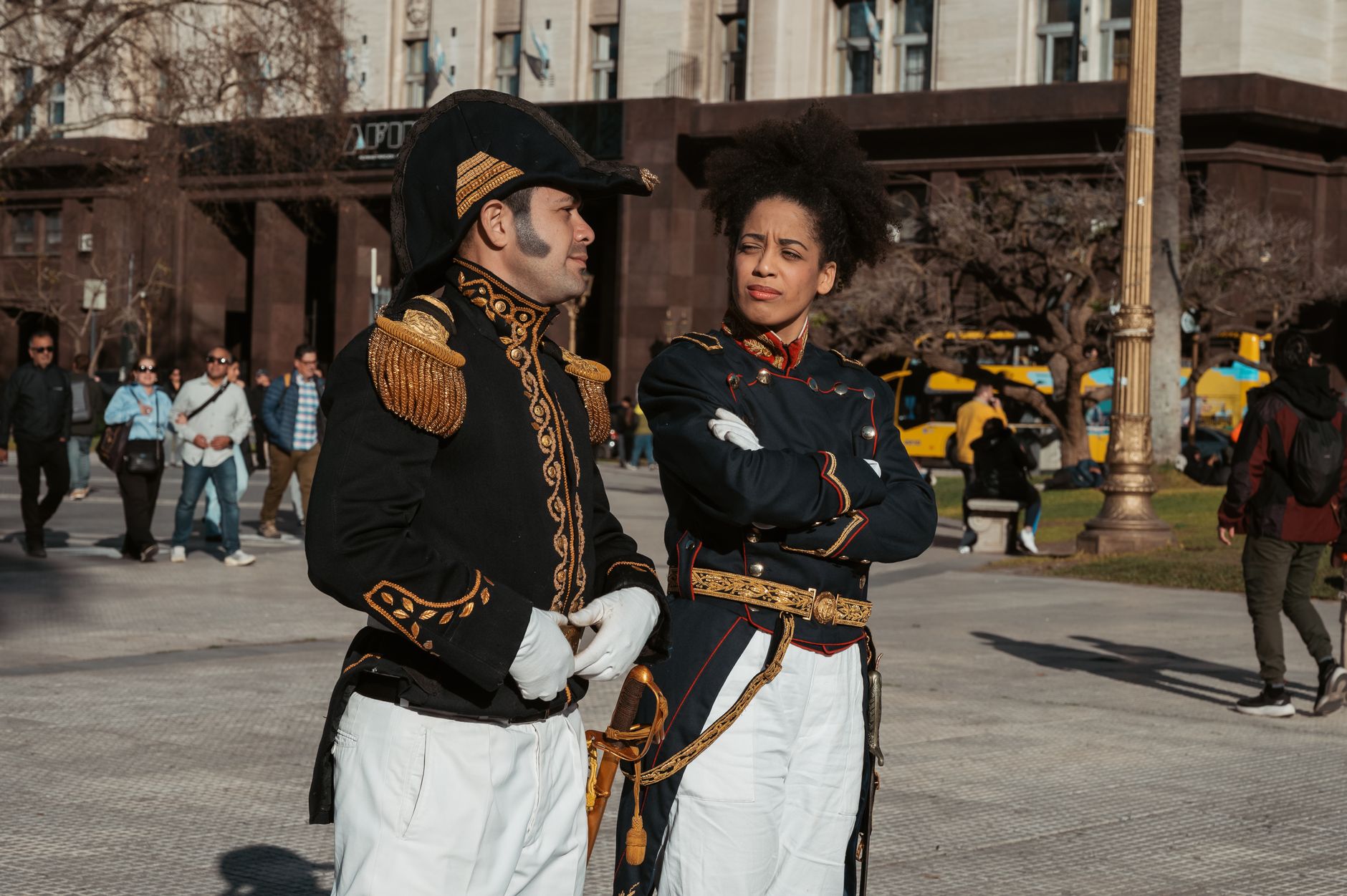
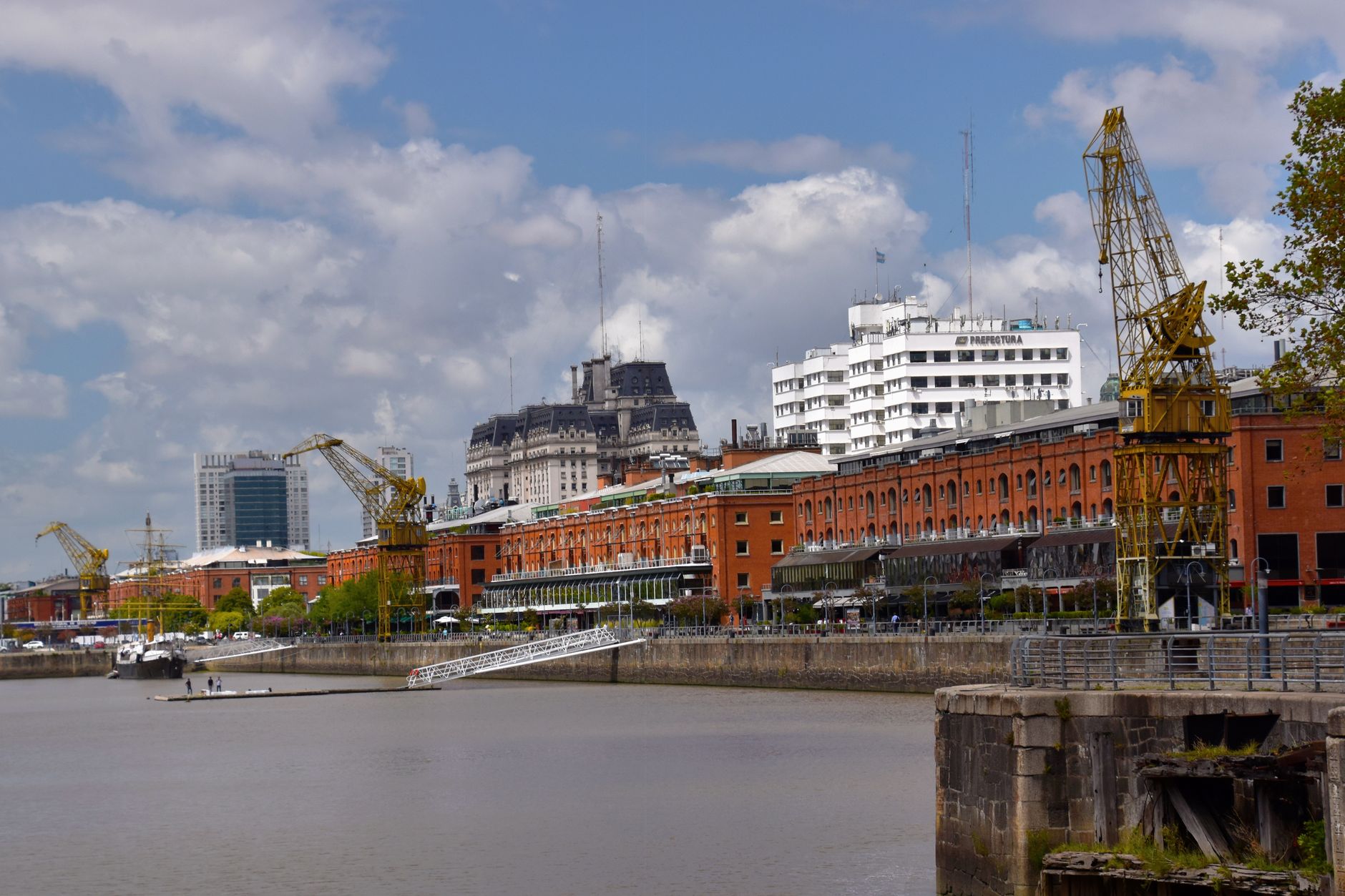
La Plata was drawn on a blank page. In 1882, governor Dardo Rocha picked a patch of pampa and handed architect Pedro Benoit the task of building a provincial capital from scratch — grid streets crossed by diagonals, twenty-three parks threaded through the blocks, everything measured and modern. Two years later it became the first city in South America to run electric street lighting, and in 1889 Paris awarded it gold for 'City of the Future.'
That ambition is still legible in the streets. A UNESCO World Heritage house by Le Corbusier sits a short walk from a neo-Gothic cathedral that took 115 years to finish. The natural history museum opened in 1888 and is still one of the serious ones. La Plata rewards the kind of traveller who slows down long enough to read the stones.
💛 What travellers fall for
People who come back tend to linger around the Paseo del Bosque in the late afternoon, when the light drops into the trees and the observatory dome sits quietly above it all. They also make a point of entering the Curutchet House rather than just photographing the facade — the interior is the argument Le Corbusier was making.
Deals in La Plata
Book directly at the provider
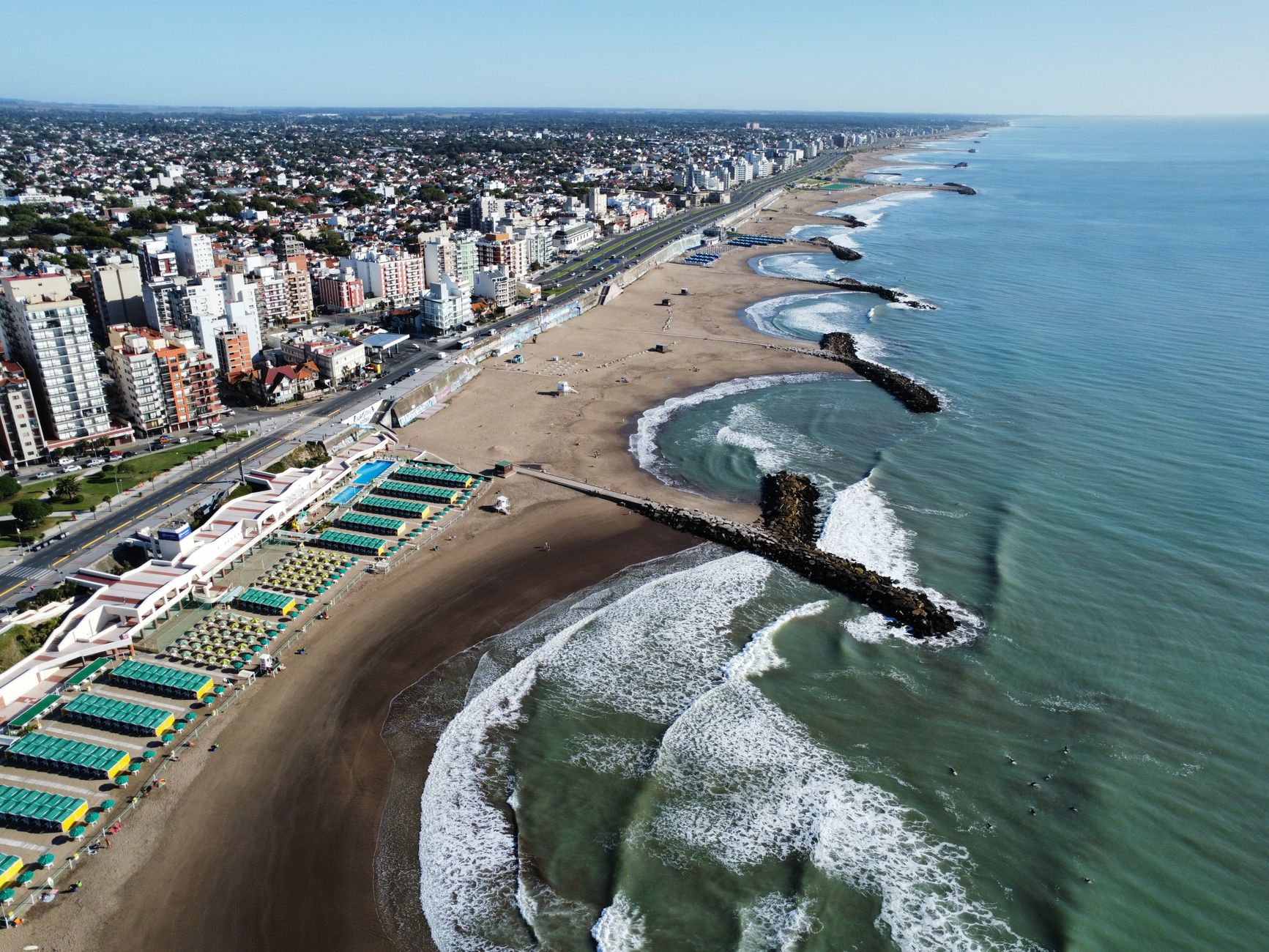

How La Plata came to be
La Plata exists because Buenos Aires stopped belonging to Buenos Aires Province. When the federal government absorbed the city as its capital in 1880, the province needed a new seat of power. Governor Dardo Rocha chose the site, Pedro Benoit drew the plan, and on November 19, 1882, the city was formally founded — one of the few purpose-built capitals in the Americas.
It moved fast. Electric lights by 1884, a natural history museum by 1888, a cathedral begun the same year (though not finished until 1999). In 1952, during the Perón years, the city was renamed Eva Perón; after Perón's overthrow in 1955 it became La Plata again. The Teatro Argentino, one of Argentina's great opera houses, burned almost completely in 1977 and was rebuilt. The city has always had a talent for starting over.
Who and what shaped it
People who shaped it
Landmark buildings
See La Plata in motion
Plan your visit
On the map
When to go
Summers run warm and humid, averaging 23–25°C from December through February — fine for walking if you start early. Winters are mild rather than cold, though damp; a light jacket covers most of June through August.
Right now
Background & history adapted from Wikipedia (CC BY-SA) · specs from Wikidata (CC0) · weather from Open-Meteo · map data © OpenStreetMap contributors · photos from Wikimedia Commons / Unsplash with per-image credit. No third-party reviews or social posts reproduced.