
Luján

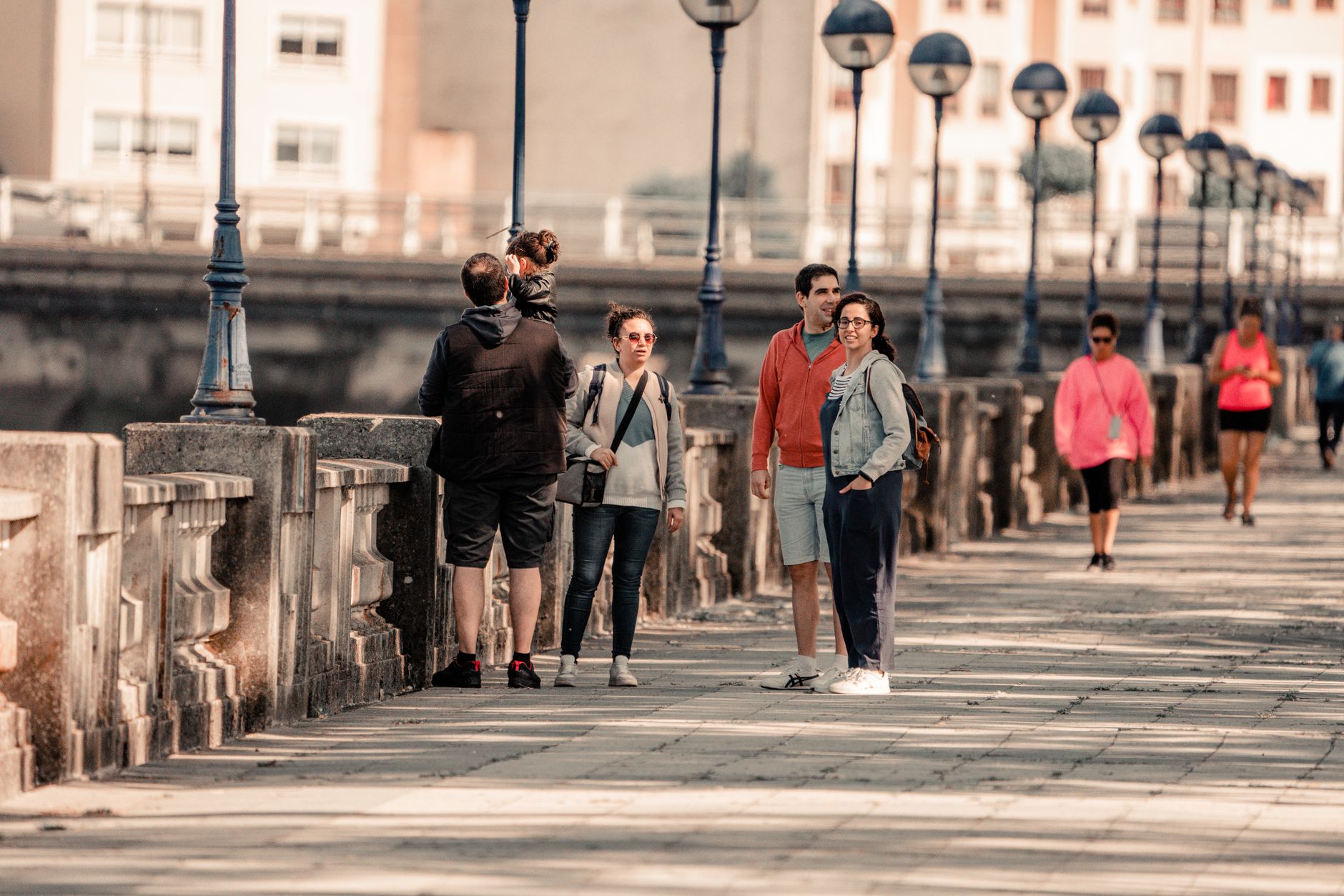
Sixty-eight kilometres northwest of Buenos Aires, Luján is where Argentina keeps its most tender story: a tiny terracotta statue, just 38 centimetres tall, that refused to move. In 1630, an ox-cart carrying the figurine of the Virgin ground to a halt on the Luján River bank and would not budge, and that stubborn stopping-point became, over the centuries, a city.
What grew around it is worth a full day of slow attention — a Gothic basilica with 106-metre towers and seventeen bells shipped from Milan, a museum complex that holds the country's first steam locomotive and the cell where a British general sat after a failed invasion, and a river valley that has yielded some of the most significant fossil beds in the Americas.
💛 What travellers fall for
People who come back tend to time it around the first Sunday of October, when the overnight pilgrimage from Buenos Aires arrives at dawn and the plaza fills with walkers who have covered sixty kilometres on foot. Outside that weekend, a Tuesday or Wednesday morning gives you the Basilica nearly to yourself — the light through the copper roof is different when the nave is quiet.
Deals in Luján
Book directly at the provider


How Luján came to be
The city's founding moment is inseparable from an enslaved man named Manuel, brought from Angola, who was the sole witness when the ox-cart stopped in 1630 and who spent the rest of his life guarding the small Virgin statue. He is known today as El Negro Manuel, and his devotion preceded any church or settlement by decades.
In 1671, landowner Ana de Matos purchased the venerated image and moved it to her estate on the river, anchoring the settlement's geography. Official Villa status followed in 1755 under King Ferdinand VI of Spain. The railway connection to Buenos Aires in 1864 opened the city to mass pilgrimage, and construction of the current Basilica — designed by French architect Ulderico Courtois — began in 1889, finishing in 1937. In 1998 it was declared a National Historic Monument.
Who and what shaped it
People who shaped it
Landmark buildings
See Luján in motion
Plan your visit
On the map
When to go
Luján is warm and temperate through most of the year, with rain distributed fairly evenly across the seasons. Spring and autumn — September through November, March through May — offer comfortable walking temperatures; summer afternoons in January and February can be humid and hot.
Right now
Background & history adapted from Wikipedia (CC BY-SA) · specs from Wikidata (CC0) · weather from Open-Meteo · map data © OpenStreetMap contributors · photos from Wikimedia Commons / Unsplash with per-image credit. No third-party reviews or social posts reproduced.