


★★★★★
Marginal
Azul sits on the flat pampa about four hours south of Buenos Aires, and the thing that stops most first-time visitors in their tracks is an Art Deco cemetery gate in the middle of cattle country. Francisco Salamone designed it in the late 1930s, and it stands at the edge of town like a monument to some other, more grandiose century.
The town has a second surprise: it was named Argentina's City of Cervantes in 2007, and Casa Ronco holds one of the finest collections of Cervantes scholarship in the country. Every spring, Teatro Español — which once hosted the Bolshoi Ballet — fills up for the annual Cervantes festival. The pampa and Don Quixote, side by side.
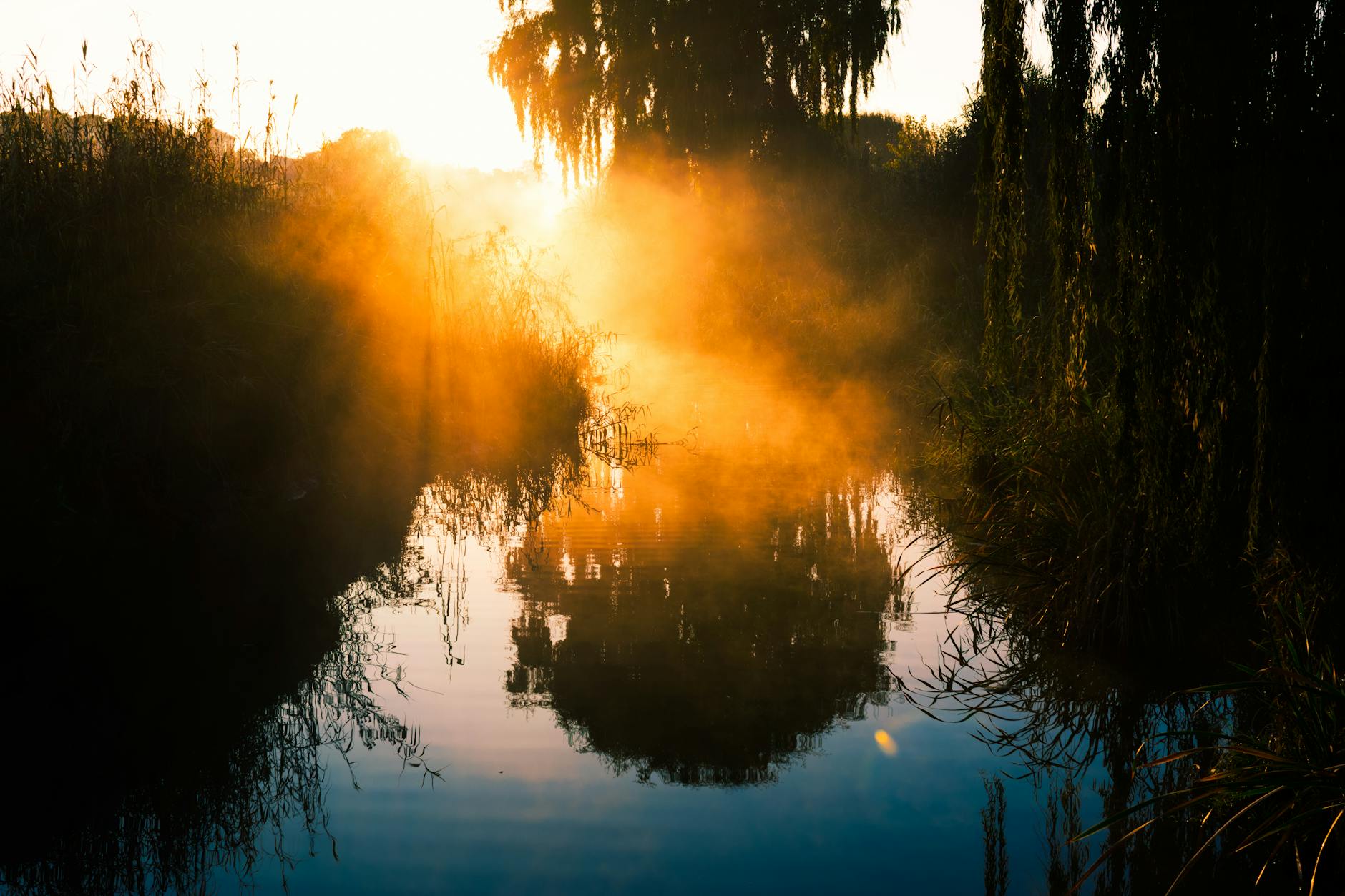
People who come back tend to go straight to the Costanera on a warm evening, when locals set up grills along the Río Azul and the light goes gold over the water. They also make a point of walking the old train station, which runs occasional exhibitions inside its handsome shell, and of spending longer than expected at Casa Ronco.
Azul began as a military fort — San Serapio Mártir del Arroyo Azul — ordered by Governor Juan Manuel de Rosas in December 1832 to hold the frontier against indigenous incursions. The fort anchored a settlement, and by 1895 provincial authorities formally recognized it as a town. Nuestra Señora del Rosario cathedral was consecrated in 1906 as the town solidified around its central plaza.
The Teatro Español opened in 1897 and became an unlikely cultural anchor for the surrounding pampa. The late 1930s brought Salamone's stark, modernist public works. Then, on January 19, 1974, ERP militants attacked the Army barracks on the town's outskirts in what was, at that moment, the most violent assault of its kind in Argentina — a reminder that the quiet pampas absorbed the country's convulsions as fully as anywhere else.
Spring (October–November) and autumn (March–April) are the most comfortable seasons, with temperatures between 20 and 26°C. Summers are warm and thundery, occasionally spiking above 38°C; winters are mild by day but can drop below freezing at night, though snow is rare.
Marginal
Pasable
Bienn
Pasable
Ok
Background & history adapted from Wikipedia (CC BY-SA) · specs from Wikidata (CC0) · weather from Open-Meteo · map data © OpenStreetMap contributors · photos from Wikimedia Commons / Unsplash with per-image credit. No third-party reviews or social posts reproduced.
We started Yeppa because finding real travel inspiration felt harder than it should be. The site is young and we're a small team, so we genuinely need the help of early visitors like you: if anything looks broken, odd or just plain wrong, we'd love to hear about it.
Tell us what you ran into: a broken link, a wrong photo, anything odd. We read every message.
Your note is on its way to us. It makes Yeppa better for everyone.
Subscribe to the newsletter and get travel deals & inspiration for trips that start near you.
Check your inbox and confirm your subscription. From then on we'll send you travel deals & inspiration.