
Mar del Plata
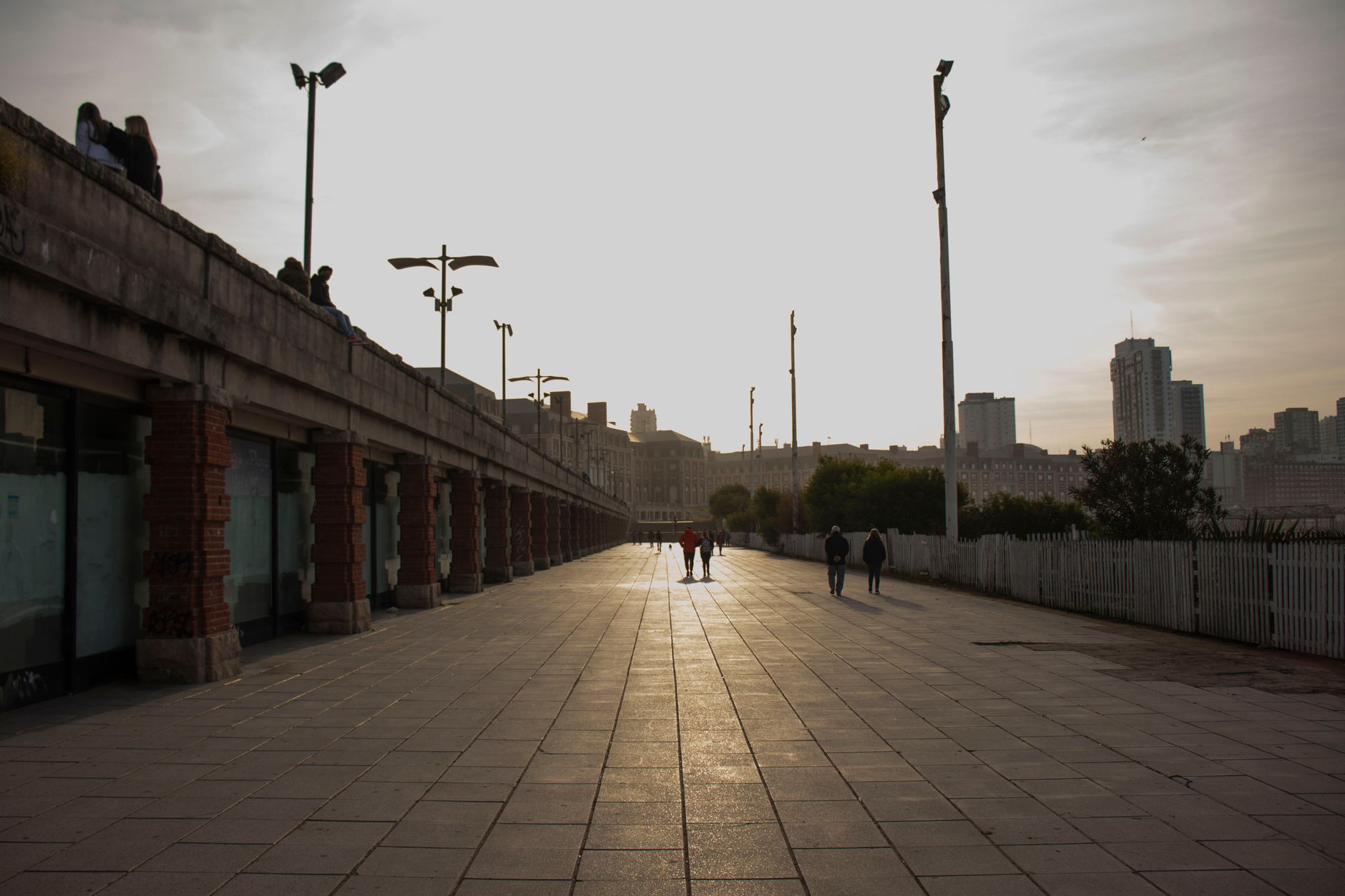
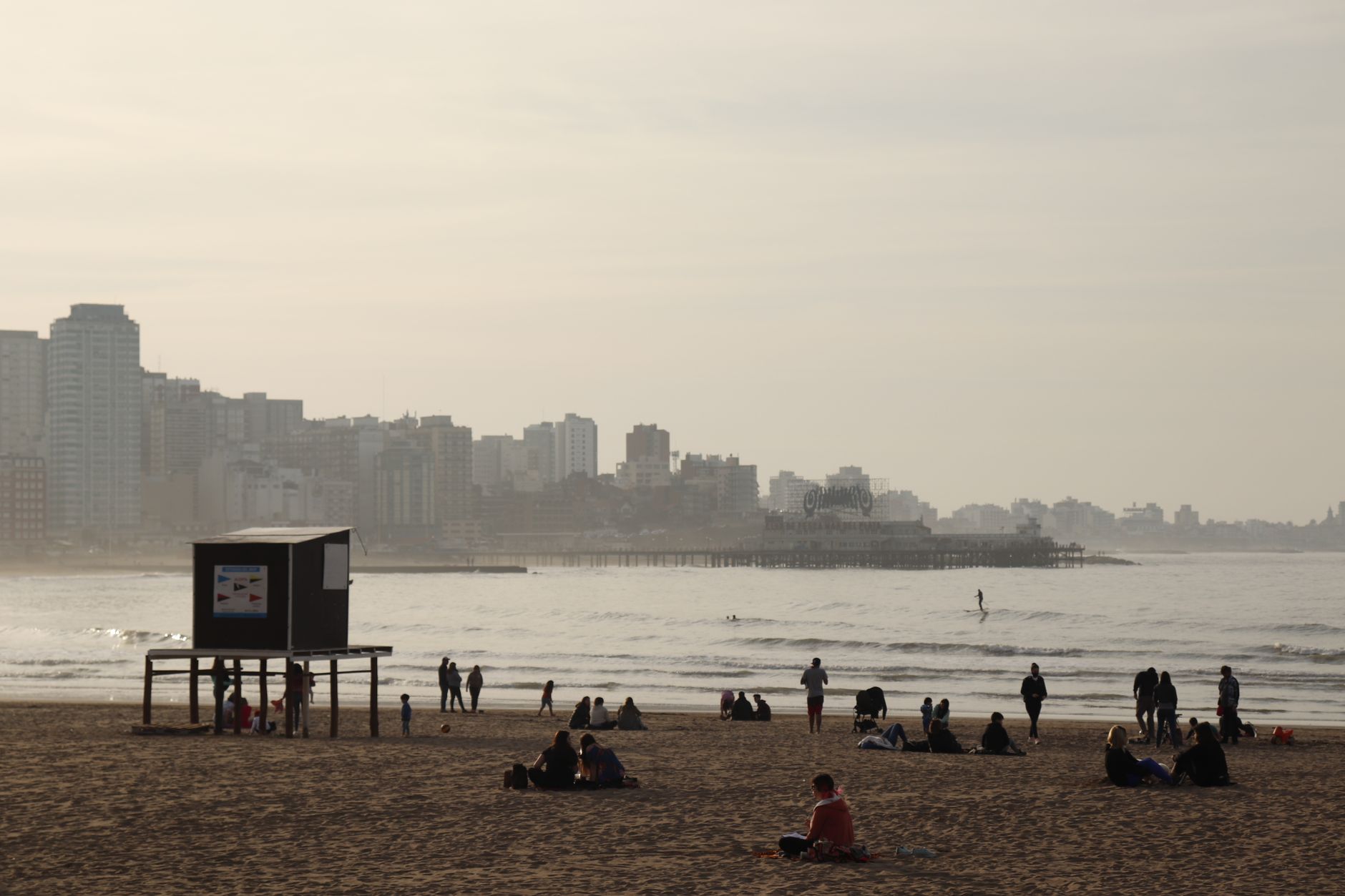
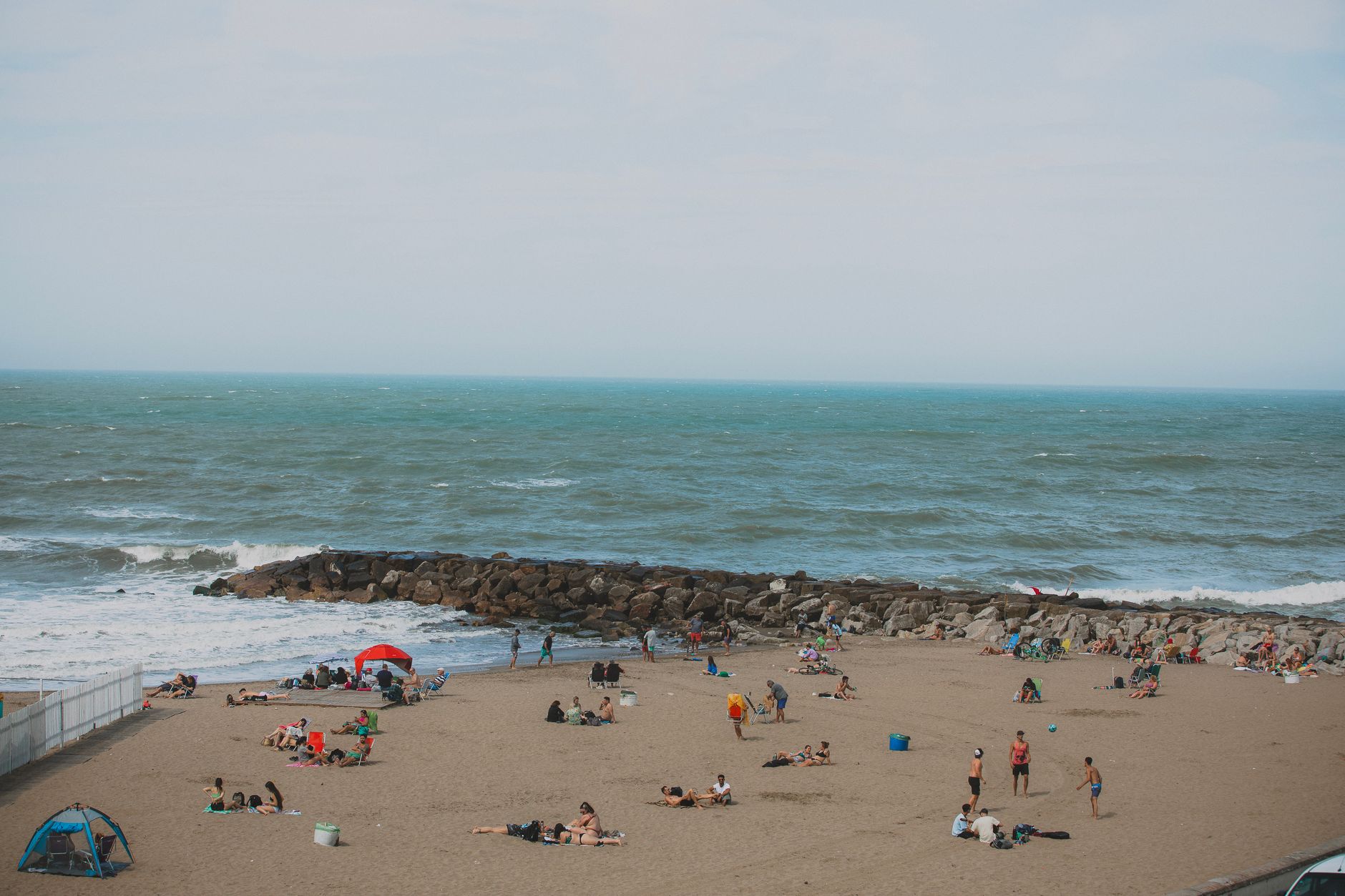
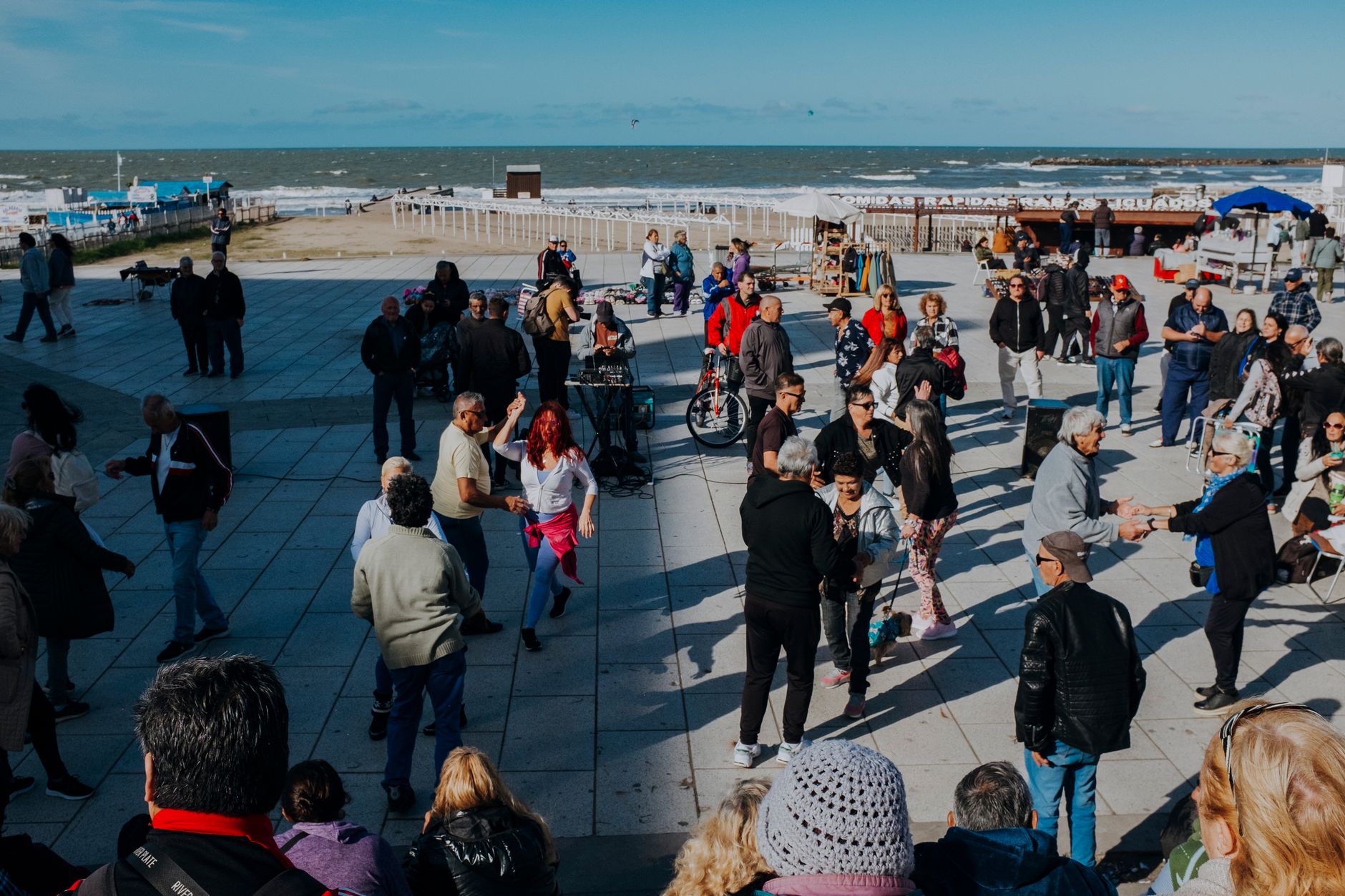
Stand on the Playa Bristol on a January afternoon and you'll understand why the population of this Atlantic city nearly triples in summer — the beach is enormous, the light is flat and white, and the waves are serious enough to matter. Mar del Plata sits about 400 kilometres south of Buenos Aires and has been drawing Argentines to the sea since the 1880s, when the railway first arrived and the city's identity as a resort locked into place.
But the resort story is only part of it. The port, opened in 1916, made this the largest fishing centre in the country, and the city that grew around both impulses — leisure and labour — has its own distinct architectural character: Gothic water towers, a casino the size of a palace, and a neighbourhood full of 1930s and 1940s stonework.
💛 What travellers fall for
People who come back tend to do the same thing: walk Barrio Stella Maris early, before the season crowds arrive, to look at the stone houses properly. They also mention the Torre Tanque — free guided tours, a viewpoint at 74 metres, and almost no queue if you go on a weekday morning.
Deals in Mar del Plata
Book directly at the provider

How Mar del Plata came to be
The land was first worked by Portuguese colonist José Coelho de Meyrelles, who established a fishing settlement called La Peregrina in 1856 and started a meat-salting plant the following year. The city itself dates to 10 February 1874, when landowner Patricio Peralta Ramos formalised his holdings and promoted the site as a seaside resort — a vision that gained real momentum in 1886 when the railway connection to Buenos Aires opened.
By 1907 Mar del Plata had been declared a city, and in 1916 the sea port opened, anchoring an industrial identity alongside the resort one. The decades that followed left a layered architectural record: Alejandro Bustillo's Central Casino in 1939, the Gothic-style Torre Tanque completed in 1943, and Amancio Williams's daring Casa Puente — a house bridging a stream — designed the same year.
Who and what shaped it
People who shaped it
Landmark buildings
See Mar del Plata in motion
Plan your visit
On the map
When to go
Summers are warm and occasionally extreme — January 2022 hit 42.4°C, though the average sits around 20°C and the sea reaches about 19°C in February. Winters are mild but can dip below freezing at night, and coastal fog is common; snow is rare.
Right now
Background & history adapted from Wikipedia (CC BY-SA) · specs from Wikidata (CC0) · weather from Open-Meteo · map data © OpenStreetMap contributors · photos from Wikimedia Commons / Unsplash with per-image credit. No third-party reviews or social posts reproduced.