
Villa Gesell
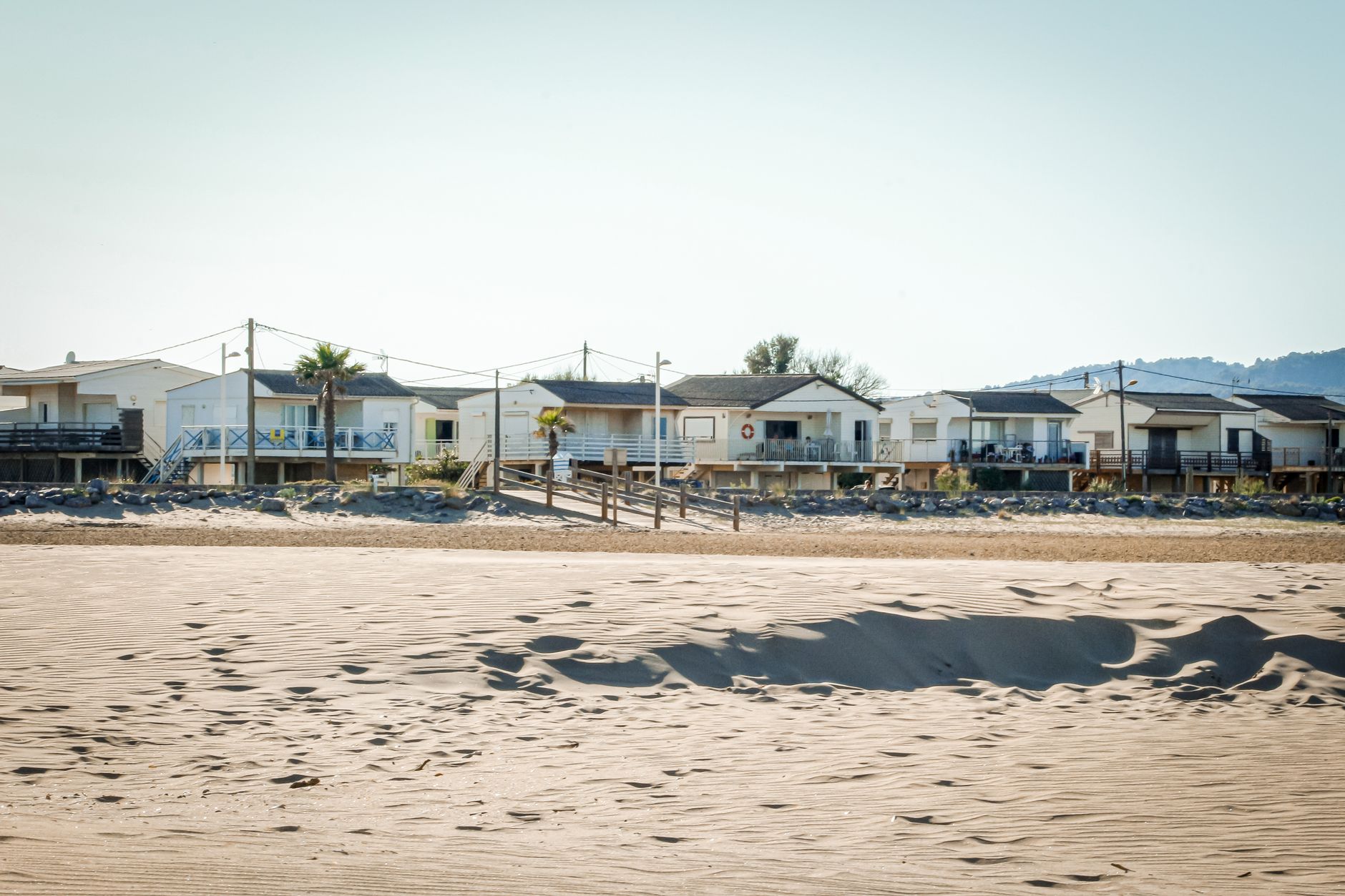
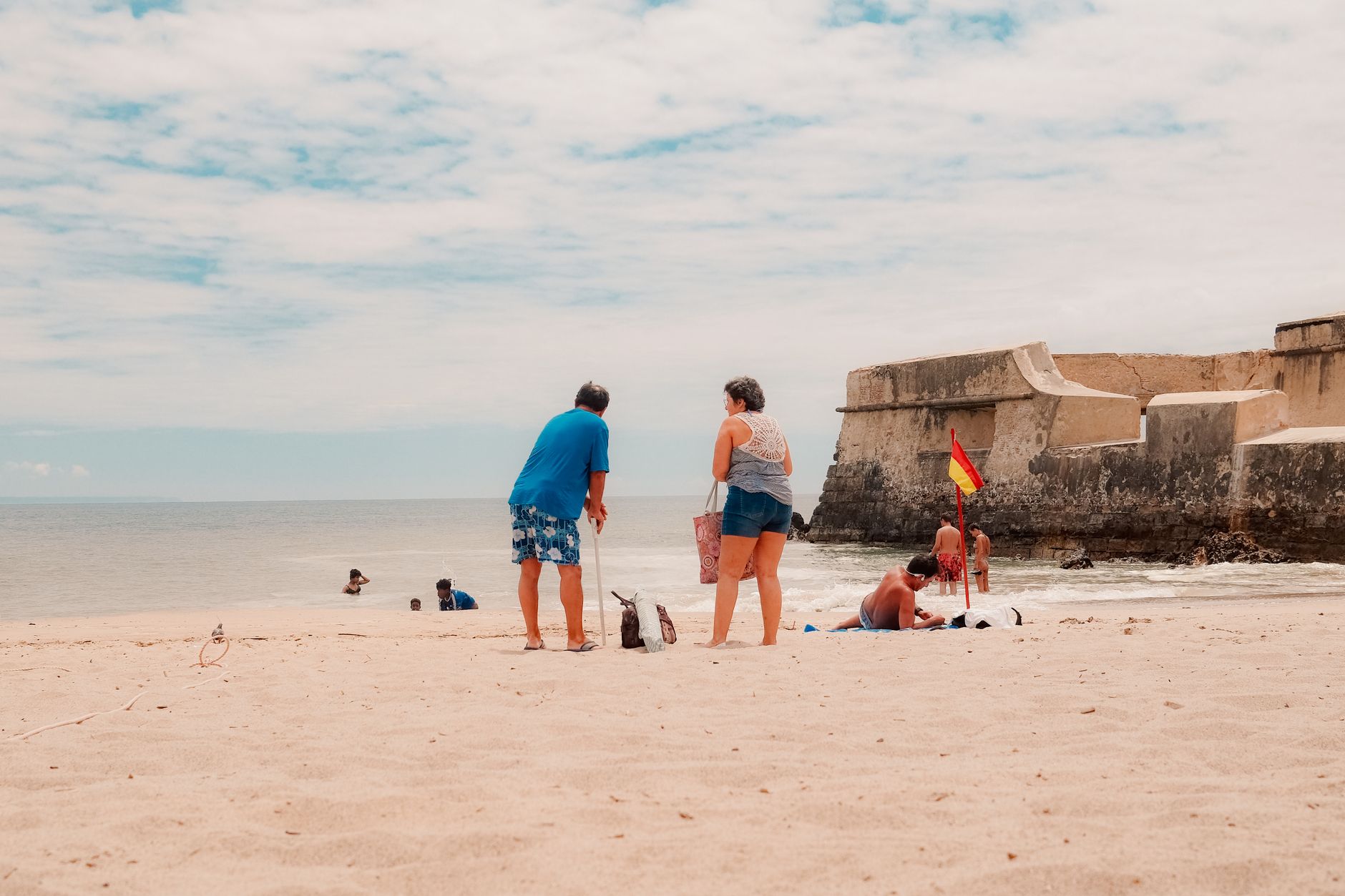
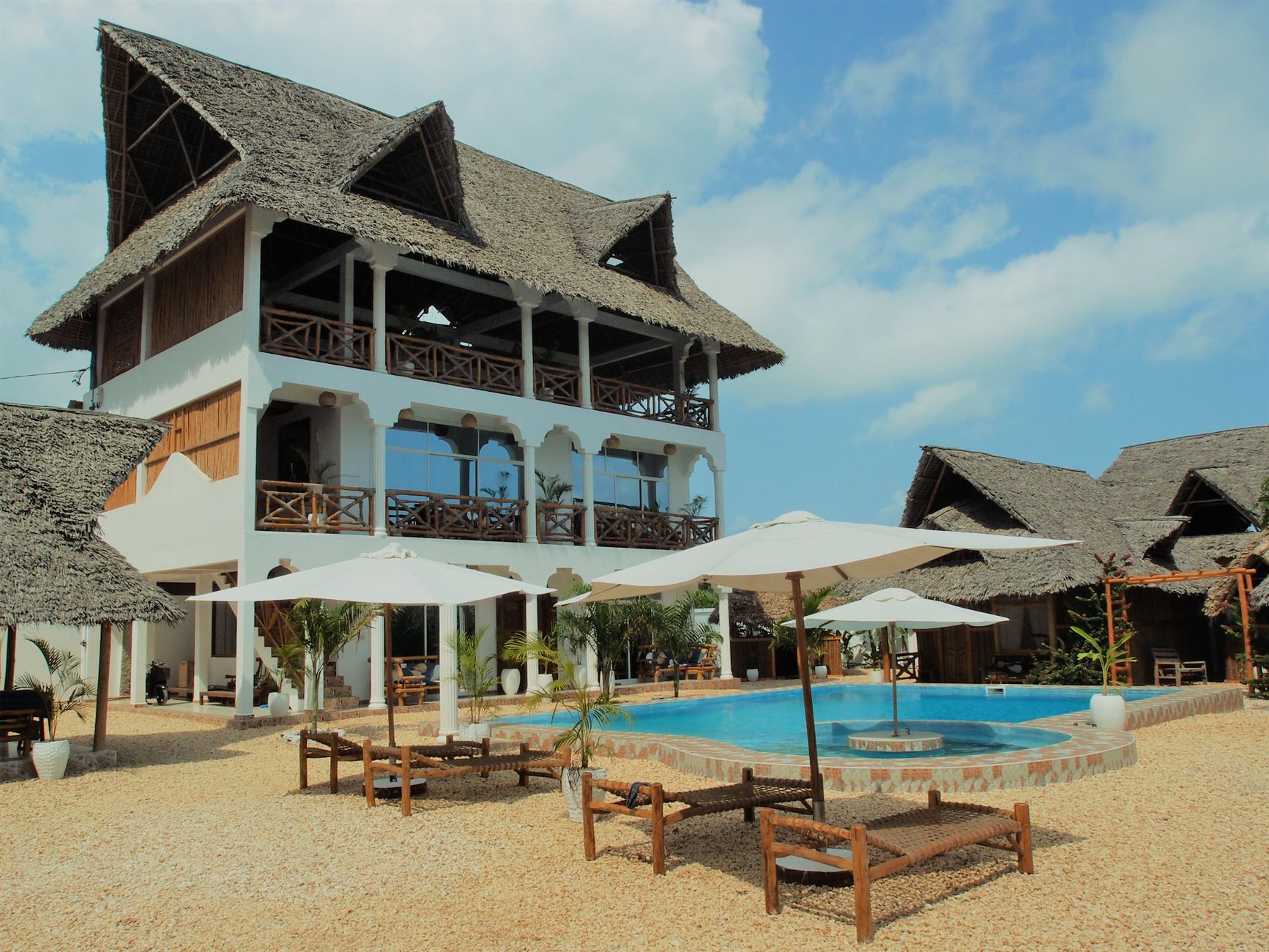
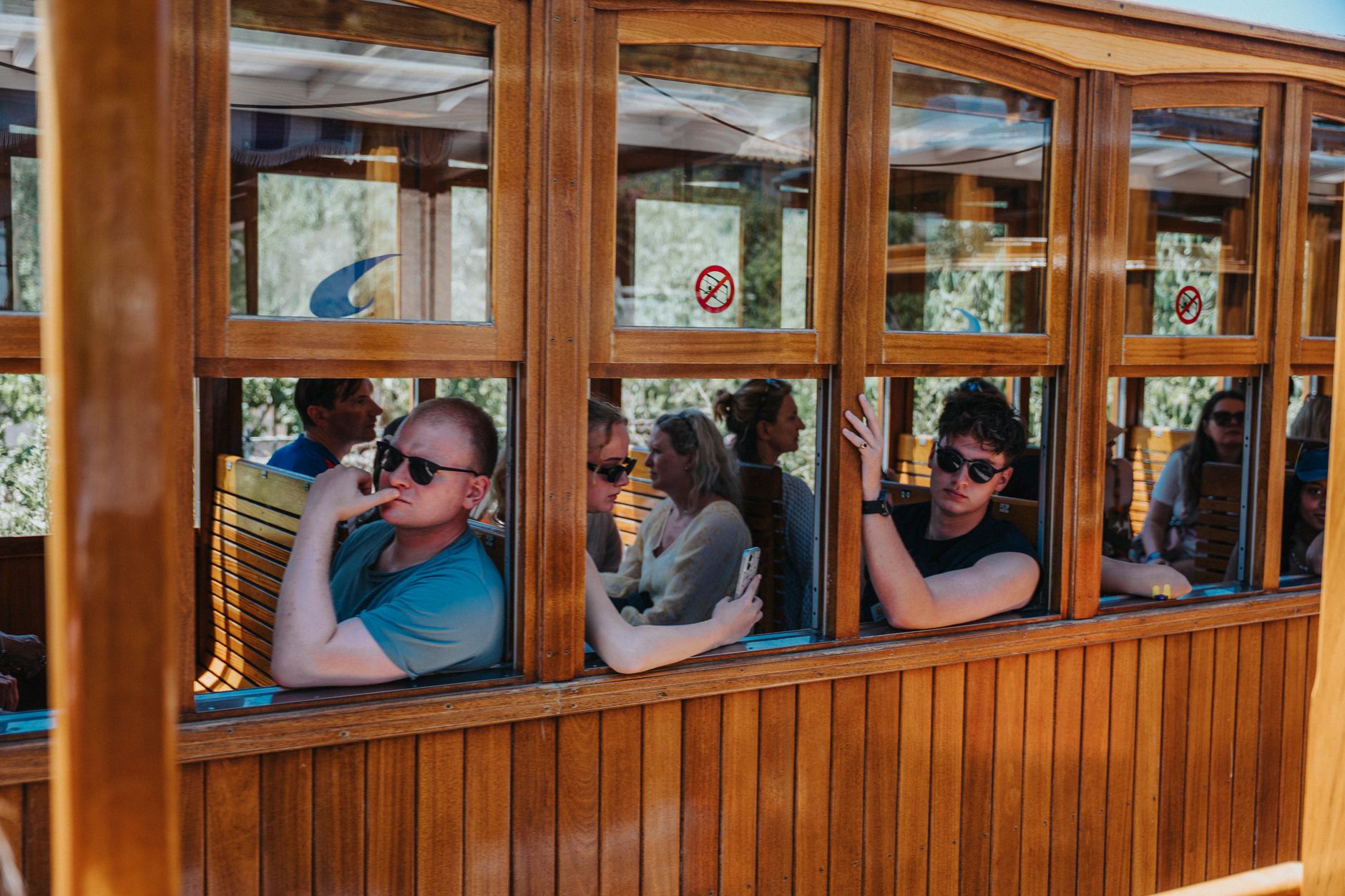
Villa Gesell begins with a single improbable act: a man buying 16 square kilometres of Atlantic sand dunes and deciding to plant trees on them. That 1931 gamble eventually produced a city — one with pine-shaded streets, a ten-kilometre beach of gradual slope, and an identity that swings between family resort and the place where Argentine rock music found its early voice.
The pines are still there, grown tall enough to cast real shade over Avenida 3, the pedestrian spine where hand-carved wooden signs mark the shops. The beach stretches south past the annexed villages of Mar de las Pampas and Mar Azul, reaching 21 kilometres of coastline in all.
💛 What travellers fall for
People who keep coming back tend to push south early — the further you walk from the main beach access, the quieter the sand. The lighthouse reserve at Faro Querandí, about 30 km down, rewards the trip with dune scrub, fewer people, and the tallest lighthouse on this stretch of coast. Rent a bike on Avenida 3; the pine canopy makes the afternoon heat manageable.
Deals in Villa Gesell
Book directly at the provider


How Villa Gesell came to be
Carlos Idaho Gesell, son of the German economist Silvio Gesell, bought the dune field in 1931 for 28,000 pesos with the practical intention of growing timber near Mar del Plata to cut supply costs for his furniture business. He moved there permanently in 1937. By 1940, money was running short and he built a small timeshare called La Golondrina — The Swallow — which is roughly when the place stopped being a forestry project and started becoming a town. The first three hotels followed in 1944; one of them, Hotel Playa, still stands.
Gesell himself was a singular presence: he banned alcohol, cigarettes, and casinos from his town (the casino eventually went to neighbouring Pinamar instead). In the 1960s and 70s, the city became unexpectedly countercultural — Luis Alberto Spinetta and other musicians played bars here, and Villa Gesell acquired a reputation as the birthplace of Argentine rock. Carlos Gesell died in Buenos Aires in 1979; the city he planted in sand became its own administrative partido in 1983.
Who and what shaped it
People who shaped it
Landmark buildings
See Villa Gesell in motion
Plan your visit
On the map
When to go
Summers (December–February) are warm and sunny, with sea temperatures peaking around 20°C, but the city fills with Argentine families on holiday. Autumn — particularly March through May — brings mild days, calmer water, and noticeably emptier beaches. Winter is cool and often grey; the town quietens considerably outside the main season.
Right now
Background & history adapted from Wikipedia (CC BY-SA) · specs from Wikidata (CC0) · weather from Open-Meteo · map data © OpenStreetMap contributors · photos from Wikimedia Commons / Unsplash with per-image credit. No third-party reviews or social posts reproduced.