
San Nicolás de los Arroyos
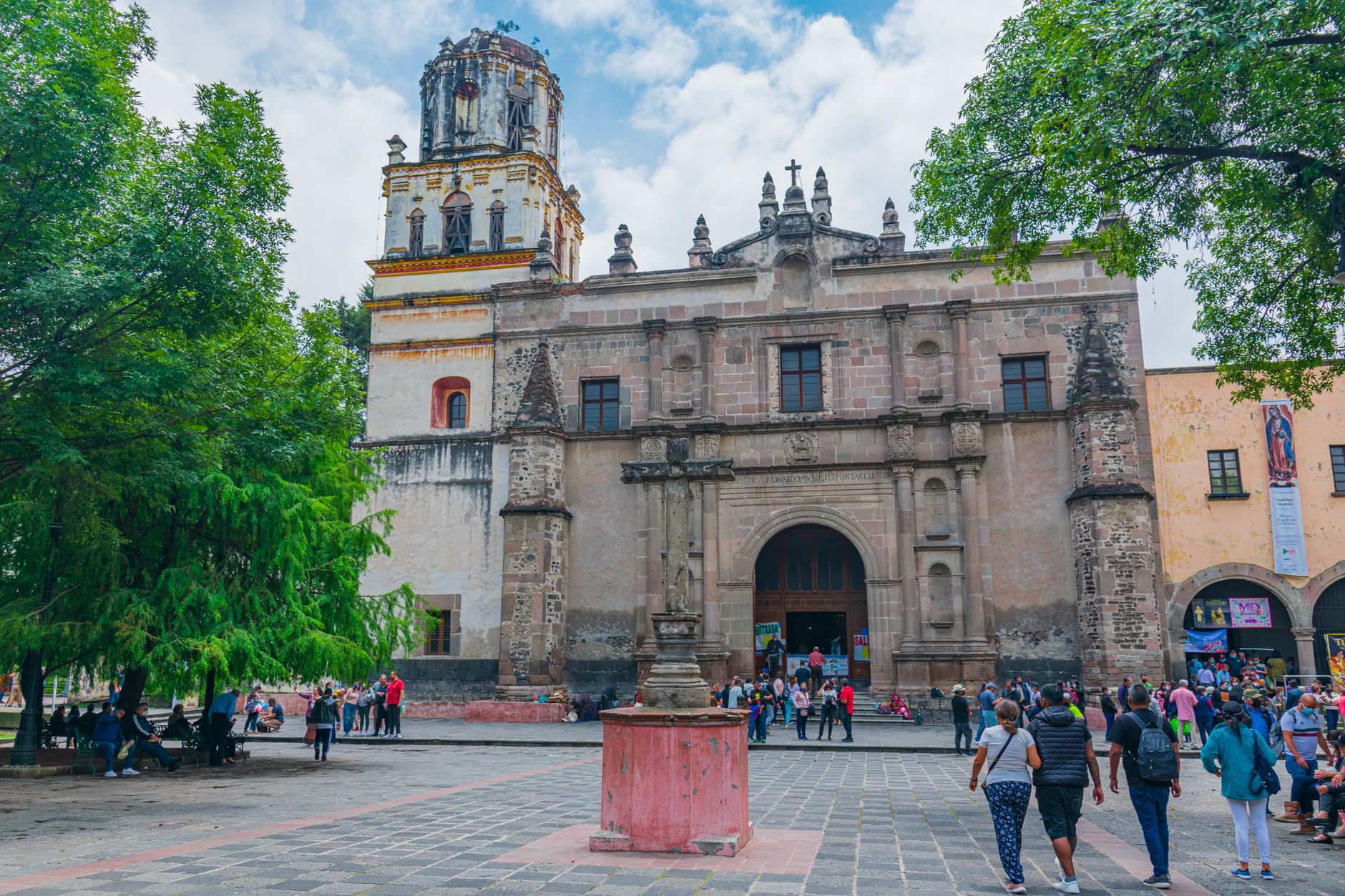
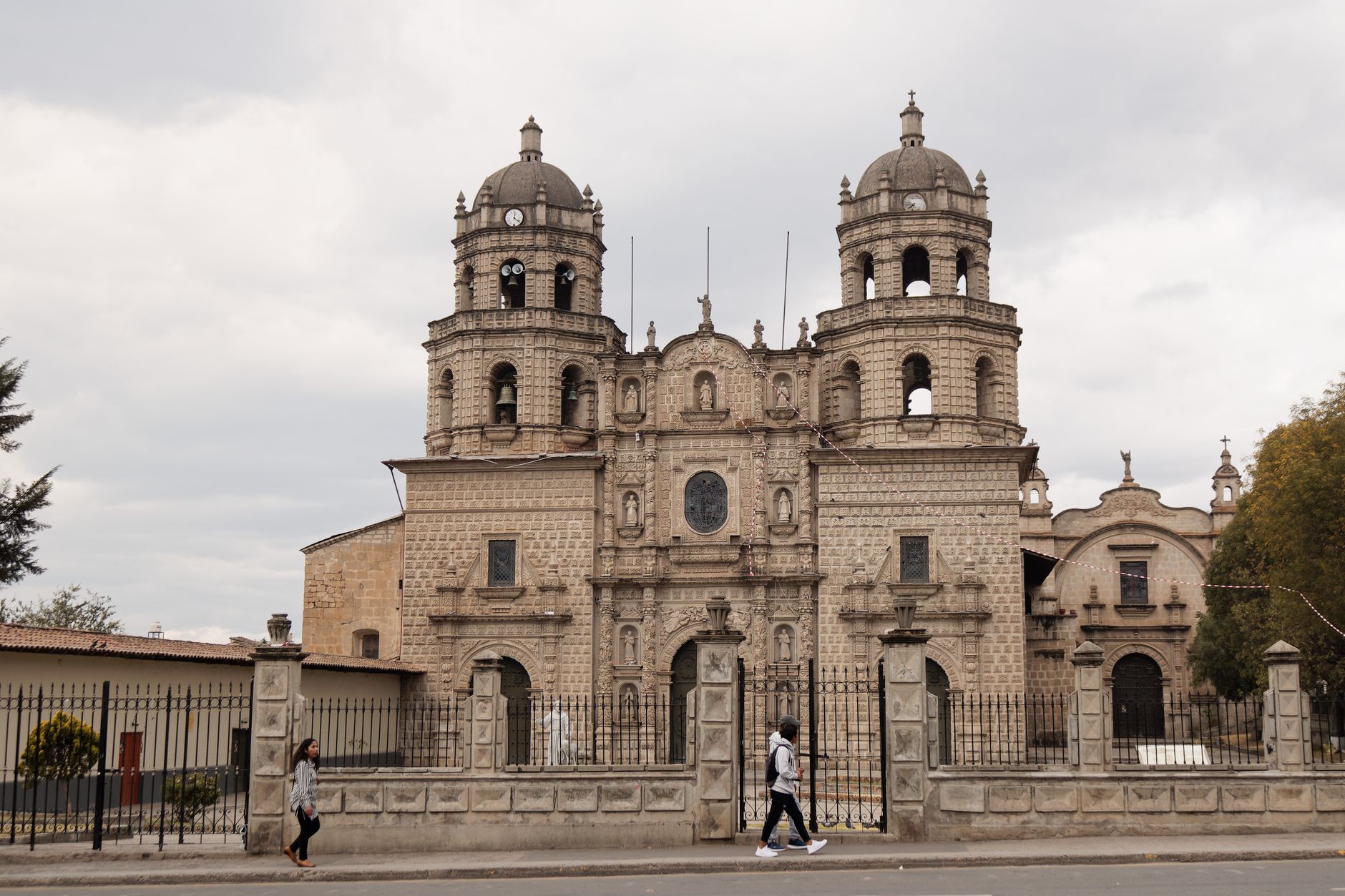
San Nicolás de los Arroyos sits on the western bank of the Paraná River, 240 kilometres from Buenos Aires, where a network of small creeks — the arroyos that give the city half its name — once threaded through the land before emptying into the river. That geography still shapes the place: the historic centre rises gently above the water, and the Paraná is never far from view.
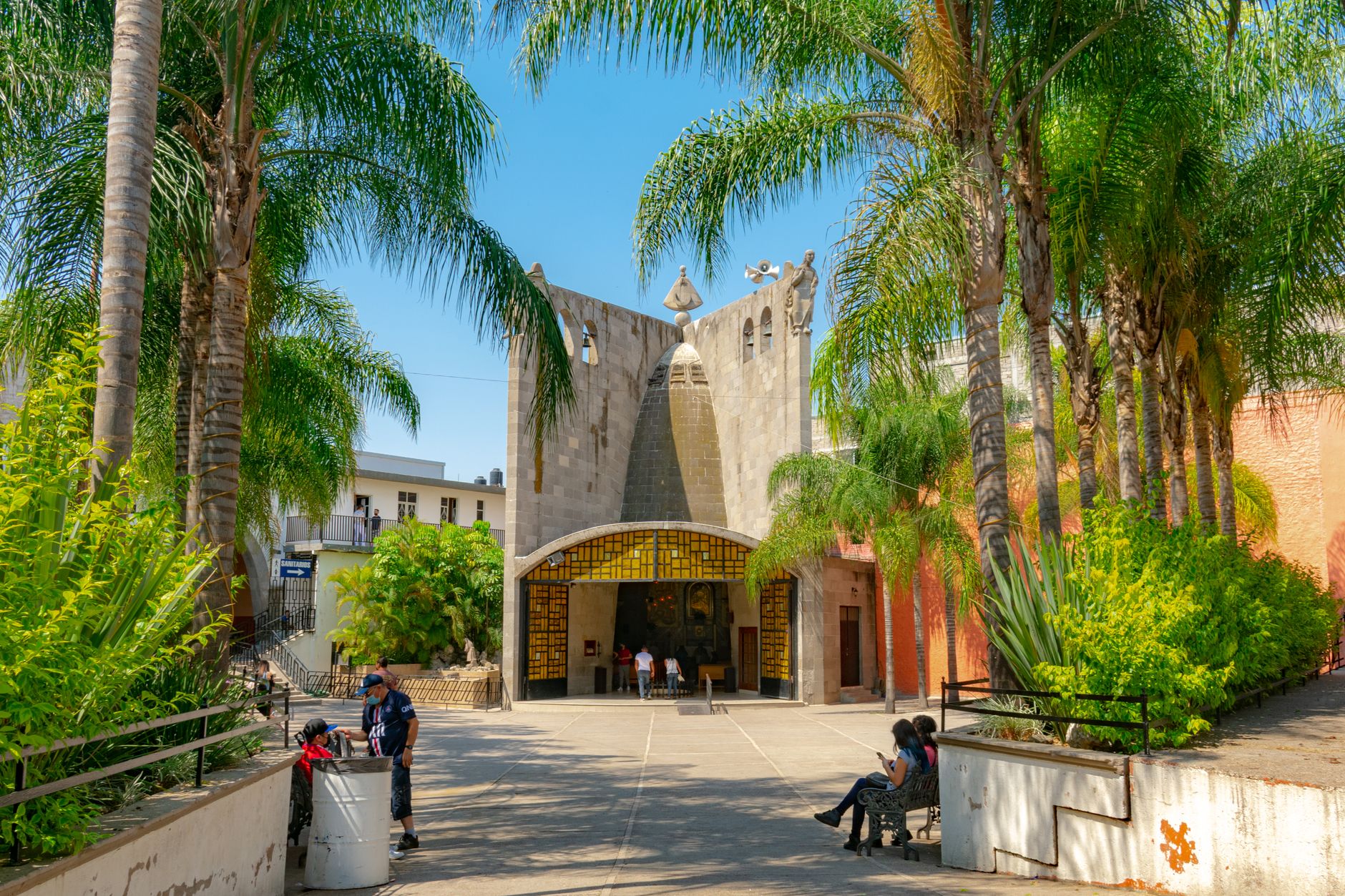
Two things pull people here that have nothing to do with each other: a colonial house where Argentina's constitutional future was settled in 1852, and a modern sanctuary that draws Marian pilgrims from across the country. Between those two poles — civic history and living faith — the city of around 133,000 goes about its business quietly.
💛 What travellers fall for
People who come back tend to arrive on a weekday, when the Casa del Acuerdo is calm enough to actually read the room. They also mention the riverside in the early morning, before the heat builds in January, and the fact that the bus from Buenos Aires drops you close enough to the centre to walk straight to Plaza Mitre without needing a taxi.
Deals in San Nicolás de los Arroyos
Book directly at the provider

How San Nicolás de los Arroyos came to be
Rafael de Aguiar founded the settlement on April 14, 1748, naming it San Nicolás de Bari y de los Arroyos after the patron saint whose chapel he built and funded on his own land. The city grew around that chapel, was declared a city in 1819, and then found itself at the centre of national history in May 1852, when delegates from the United Provinces of the Río de la Plata gathered in what is now the Casa del Acuerdo to sign the Pact of San Nicolás — the agreement that called a constitutional congress in Santa Fe and appointed General Justo José de Urquiza provisional director of the Argentine Confederation.
In the twentieth century, the city's identity shifted again with the arrival of heavy industry. The SOMISA steel mill anchored an industrial economy built on the river trade in grain, iron ore, and coal, with a large thermoelectric station supplying power to Buenos Aires and Santa Fe province. Then, in the 1980s, reported Marian apparitions drew a different kind of attention; the local bishop approved them as worthy of belief in 2016, and the Sanctuary of Our Lady of the Rosary has since made San Nicolás — sometimes called Ciudad de María — a significant pilgrimage destination.
Who and what shaped it
People who shaped it
Landmark buildings
See San Nicolás de los Arroyos in motion
Plan your visit
On the map
When to go
Summers run hot and humid, with January daytime temperatures around 32°C and nearly ten hours of sunshine; February is also the wettest month, so afternoon storms are common. Winters are mild rather than cold — July days average 17°C — but grey, with humidity peaking and sunshine dropping to under five hours a day. October through November and March through April are the steadiest windows for walking the city comfortably.
Right now
Background & history adapted from Wikipedia (CC BY-SA) · specs from Wikidata (CC0) · weather from Open-Meteo · map data © OpenStreetMap contributors · photos from Wikimedia Commons / Unsplash with per-image credit. No third-party reviews or social posts reproduced.