
Necochea
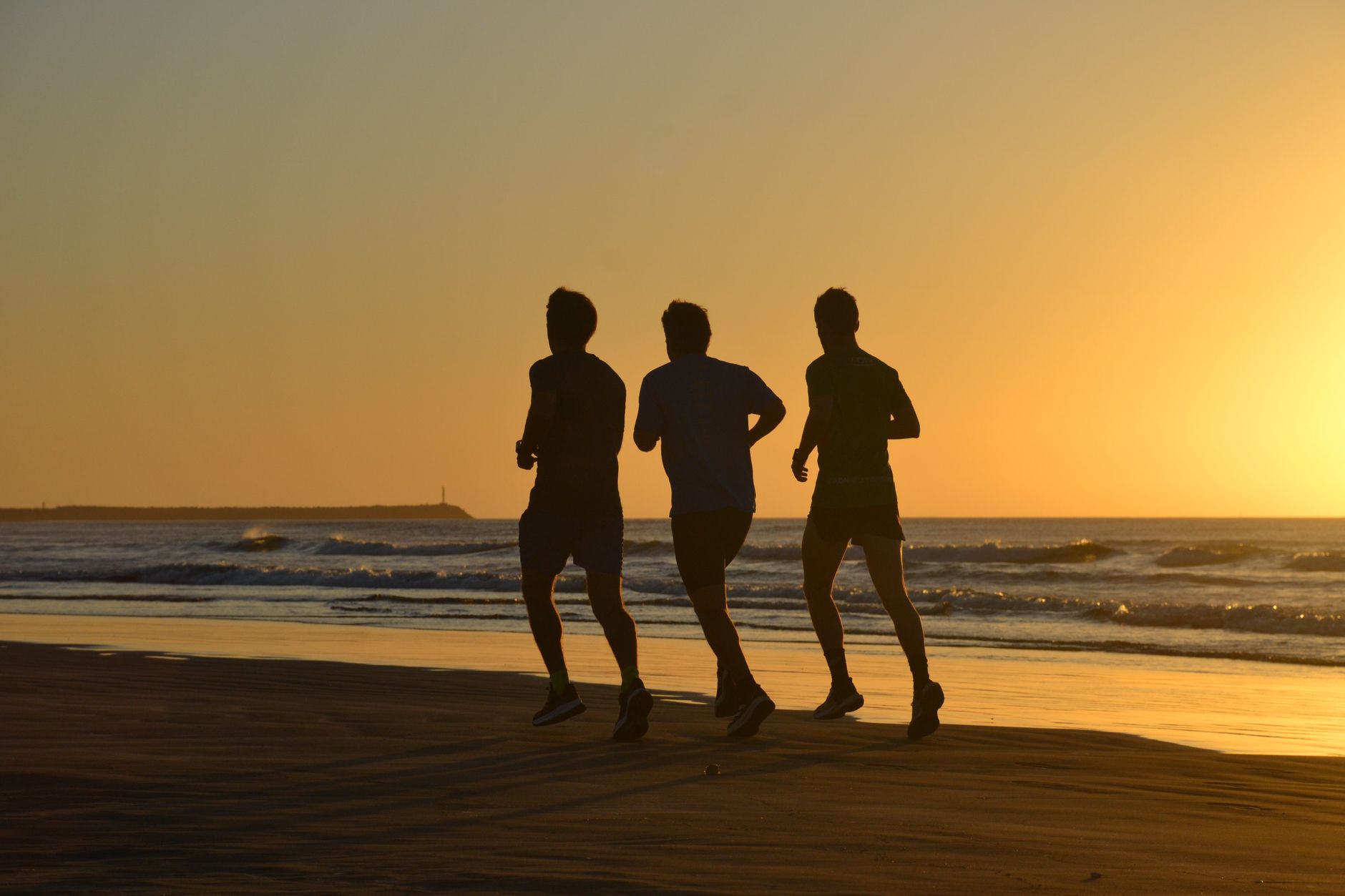
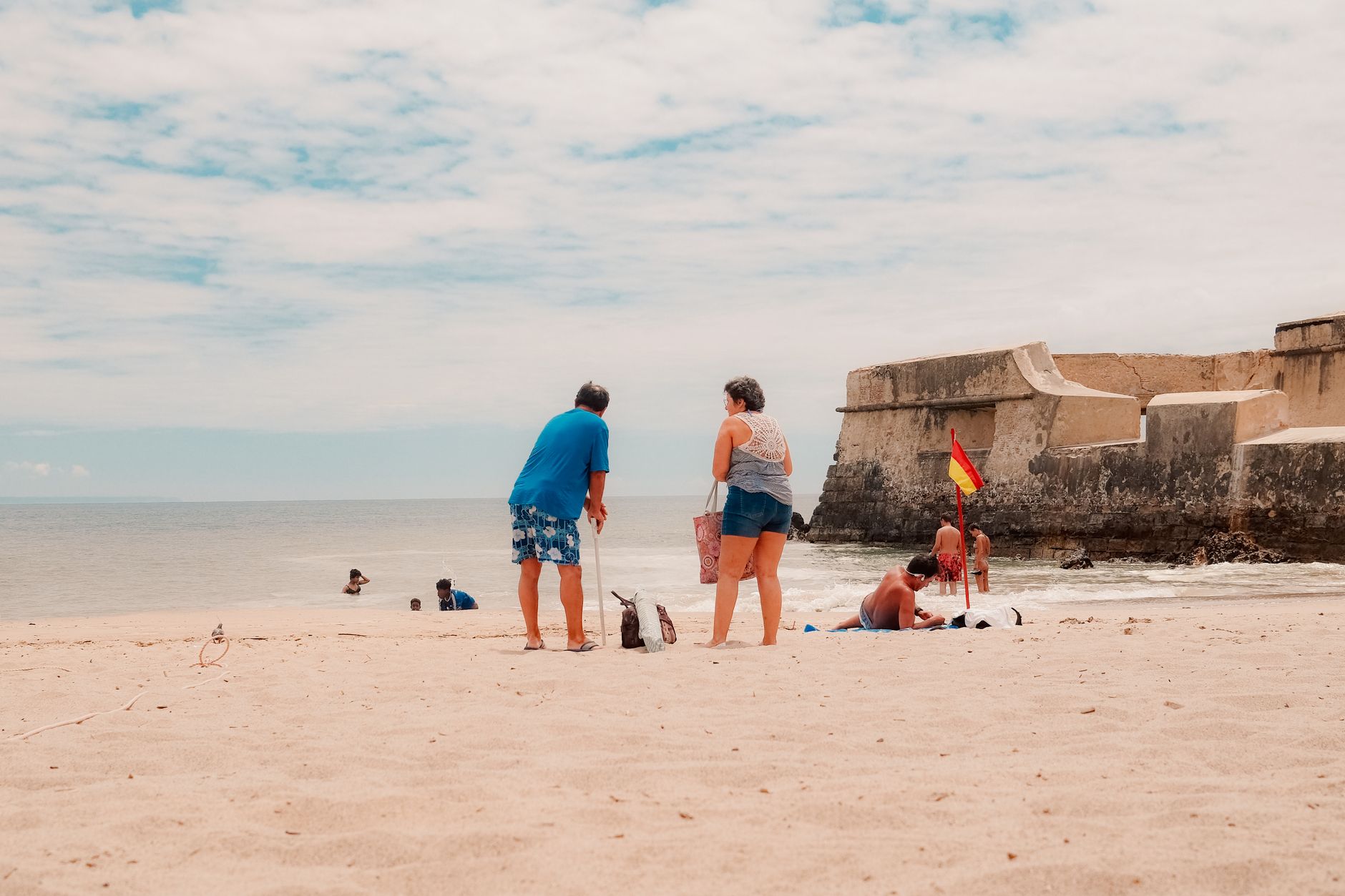
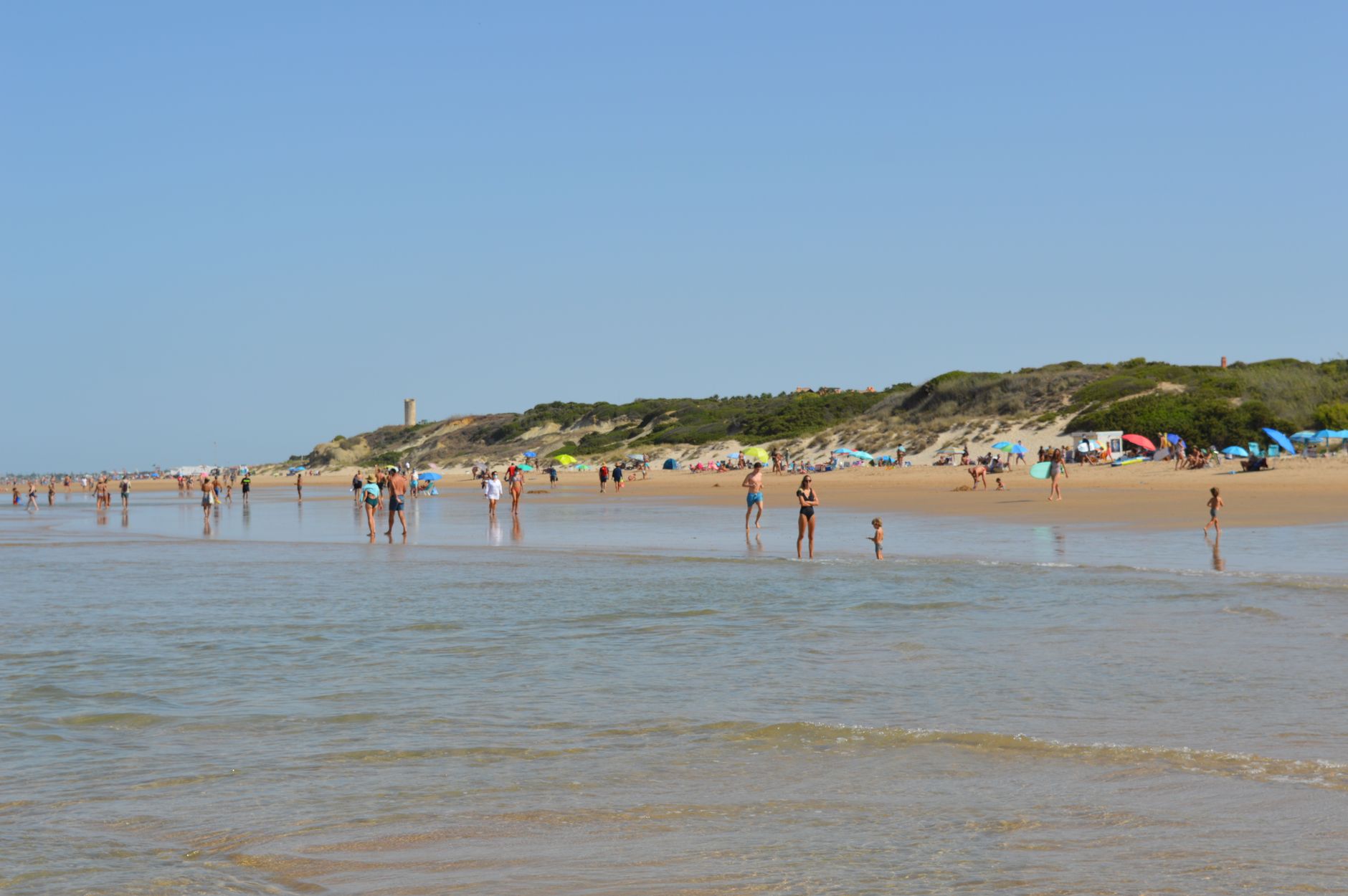
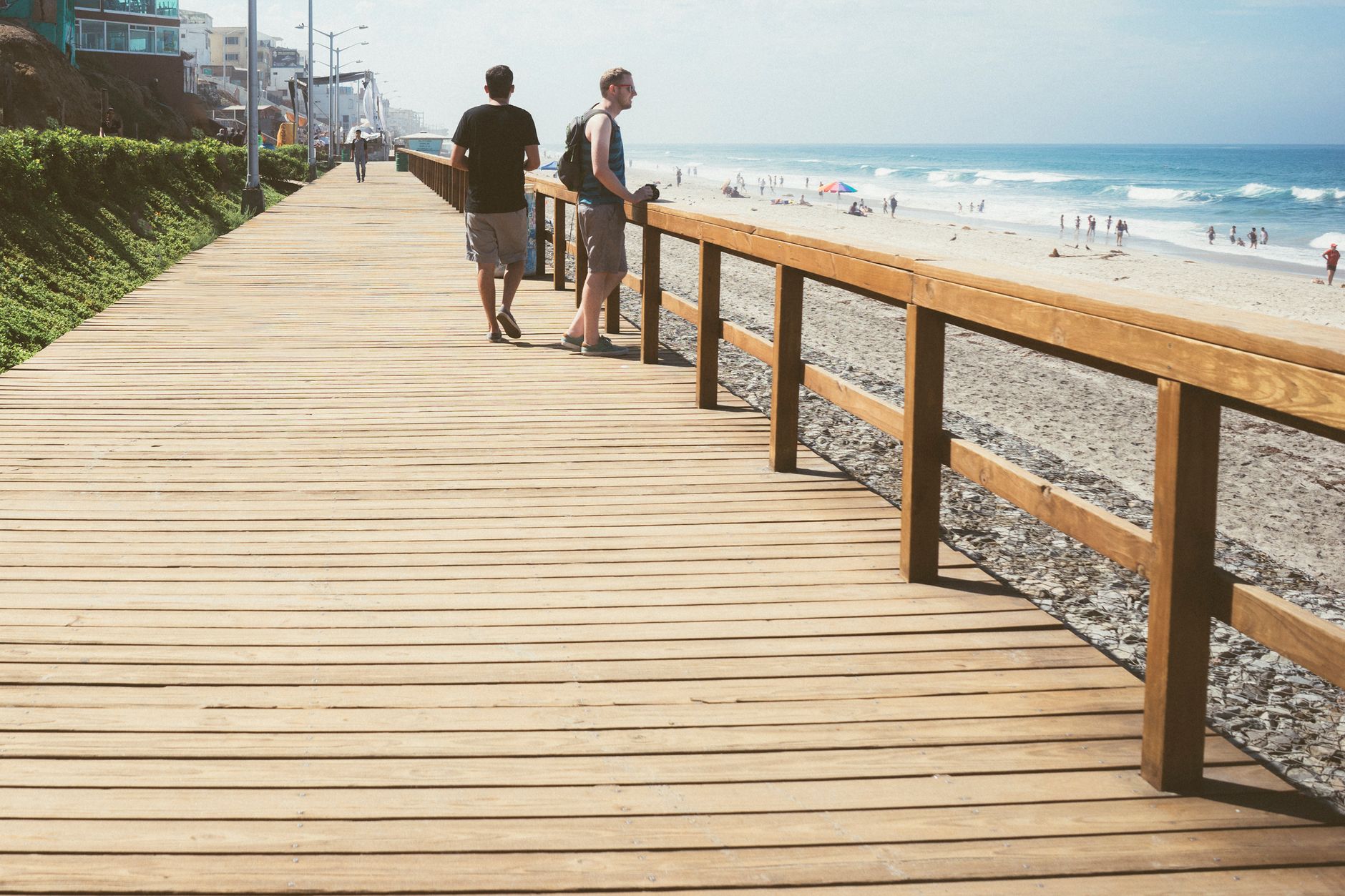
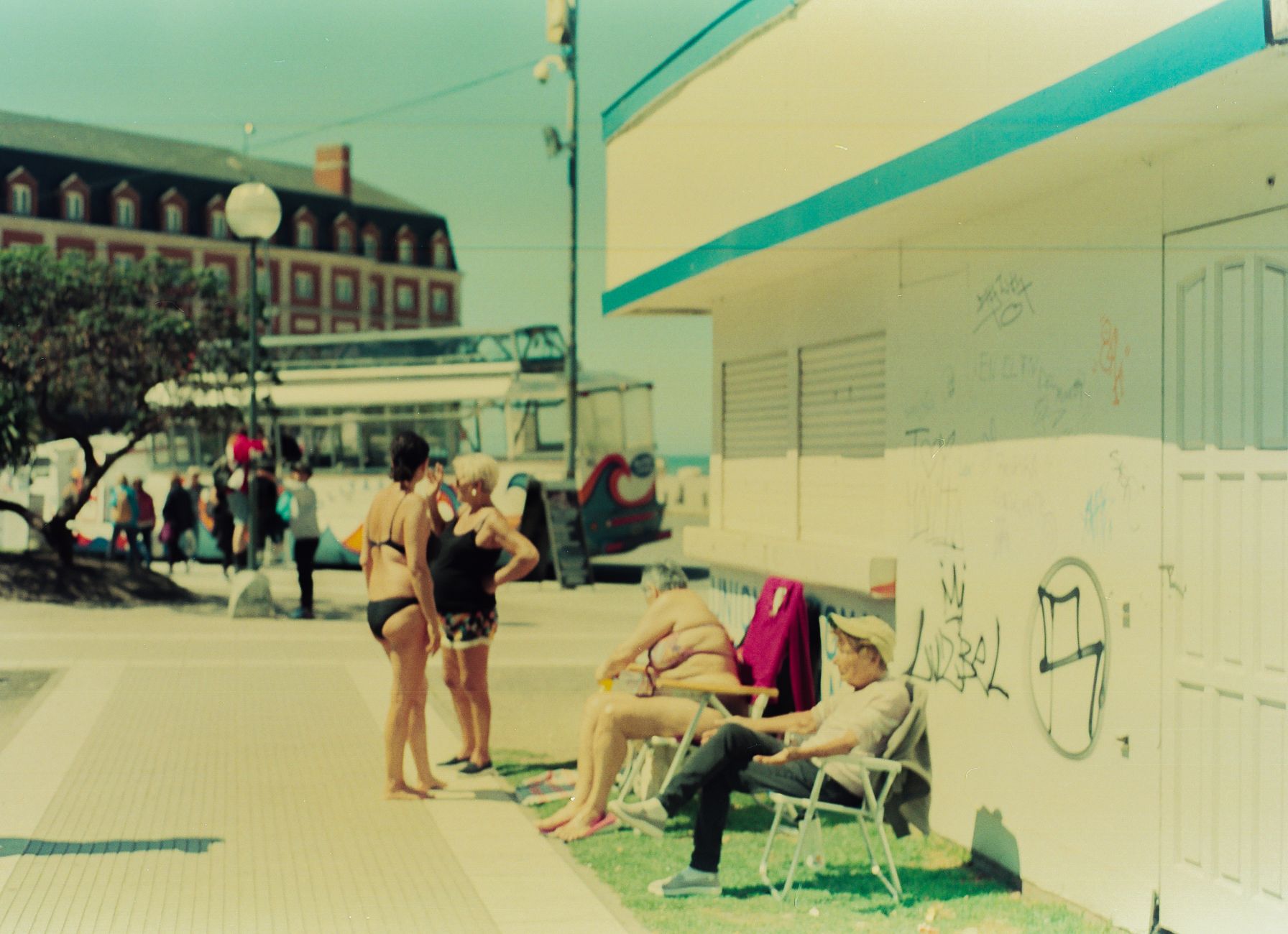
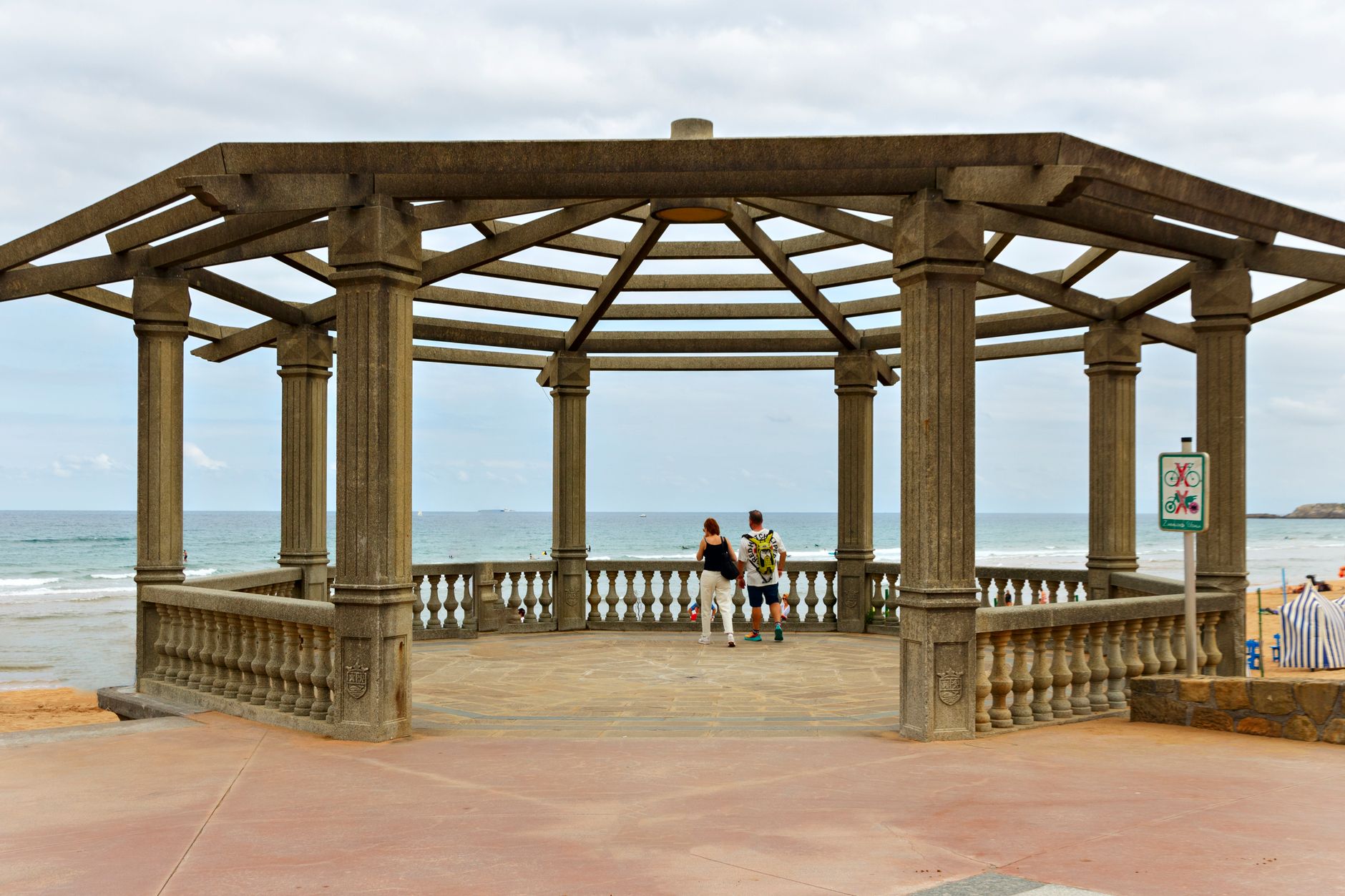
Necochea sits where the Quequén Grande River meets the Atlantic, and the town has arranged itself around that fact for well over a century — port on one bank, beach on the other, connected by a suspension bridge that still looks like it belongs in a different, more optimistic era. The beach itself runs for kilometers without much interruption, and behind it stands something genuinely unusual: 640 hectares of coastal woodland, planted tree by tree on dune sand starting in 1911, now the only maritime forest nature reserve of its kind in Argentina.
This is a summer town in the truest sense. Come December, families from Gran Buenos Aires fill the hotels past capacity and the shore fills with umbrellas. Come March, it quiets to something closer to its own rhythm.
💛 What travellers fall for
People who return tend to mention the same morning: walking into Miguel Lillo Park before the heat arrives, following the path toward the swan lake, then looping back along the dunes. They also mention the suspension bridge at dusk — the Hipólito Yrigoyen, opened in 1929 — when the light hits the cables and the port traffic slows.
Deals in Necochea
Book directly at the provider


How Necochea came to be
The mouth of the Quequén Grande was first charted by Jesuit missionaries José Cardiel and Thomas Falkner in 1748, though the land remained frontier territory for well over a century. Necochea was formally established on October 12, 1881, when National Guard commander Ángel Murga led the founding party, laying out streets and distributing land on what had been the coastal estate of the Díaz Vélez family. The town was named for General Mariano Necochea, who fought across Argentina, Chile, and Peru during the Wars of Independence.
The Buenos Aires Great Southern Railway arrived in 1894, pulling the settlement into the provincial economy. By 1911, when the town achieved city status, engineer Edgar Gais had already begun planting trees on the coastal dunes — the slow, deliberate work that would eventually become Miguel Lillo Park. The Quequén Lighthouse went into operation in 1921, the suspension bridge in 1929.
Who and what shaped it
People who shaped it
Landmark buildings
See Necochea in motion
Plan your visit
On the map
When to go
Summers run warm — January averages around 21°C with peaks near 27°C and close to 280 hours of sunshine — though nights cool off enough to sleep without air conditioning. Winters are mild rather than cold, hovering around 6–8°C, with rain spread fairly evenly across the year.
Right now
Background & history adapted from Wikipedia (CC BY-SA) · specs from Wikidata (CC0) · weather from Open-Meteo · map data © OpenStreetMap contributors · photos from Wikimedia Commons / Unsplash with per-image credit. No third-party reviews or social posts reproduced.