
Bahía Blanca
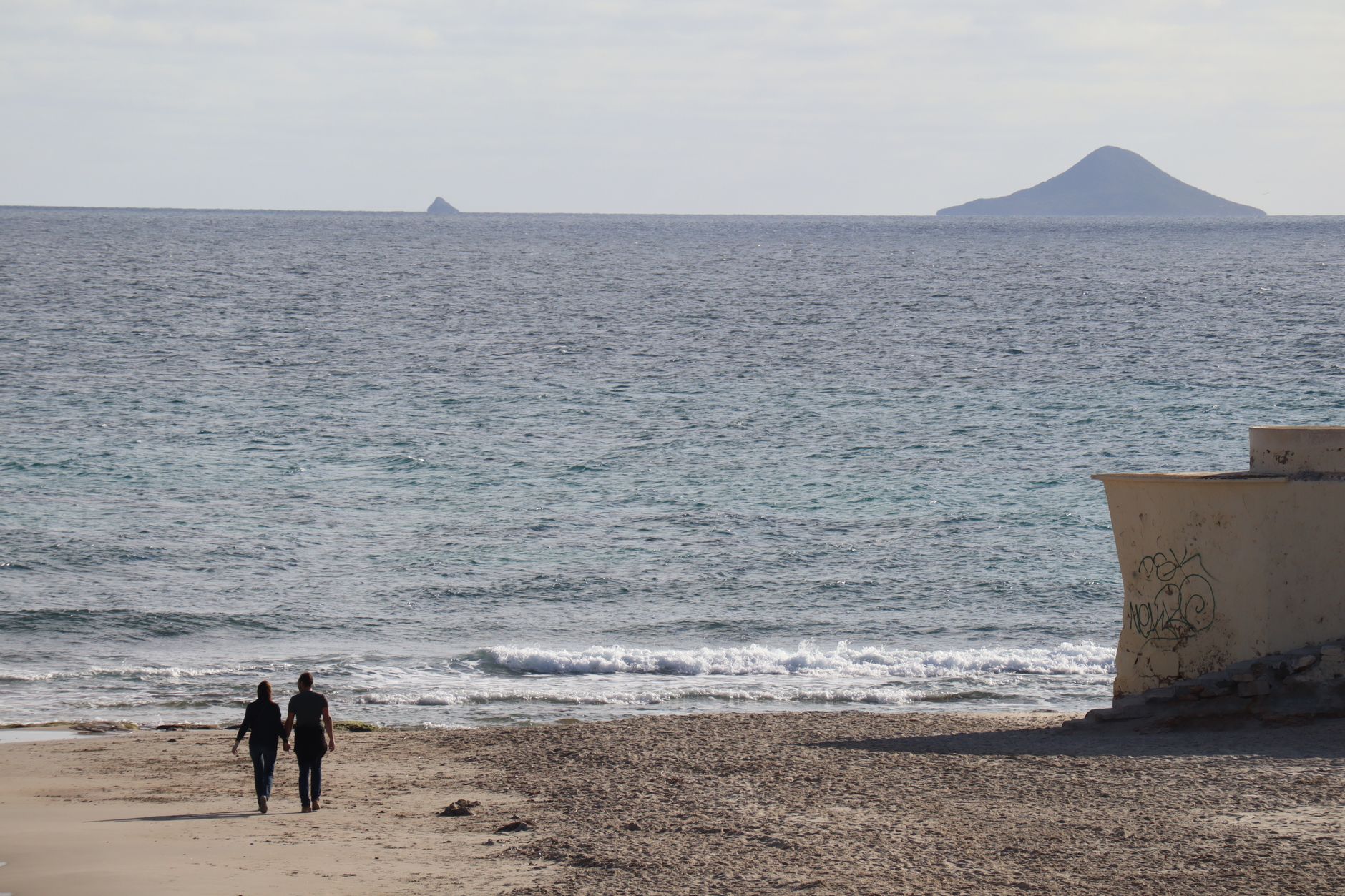
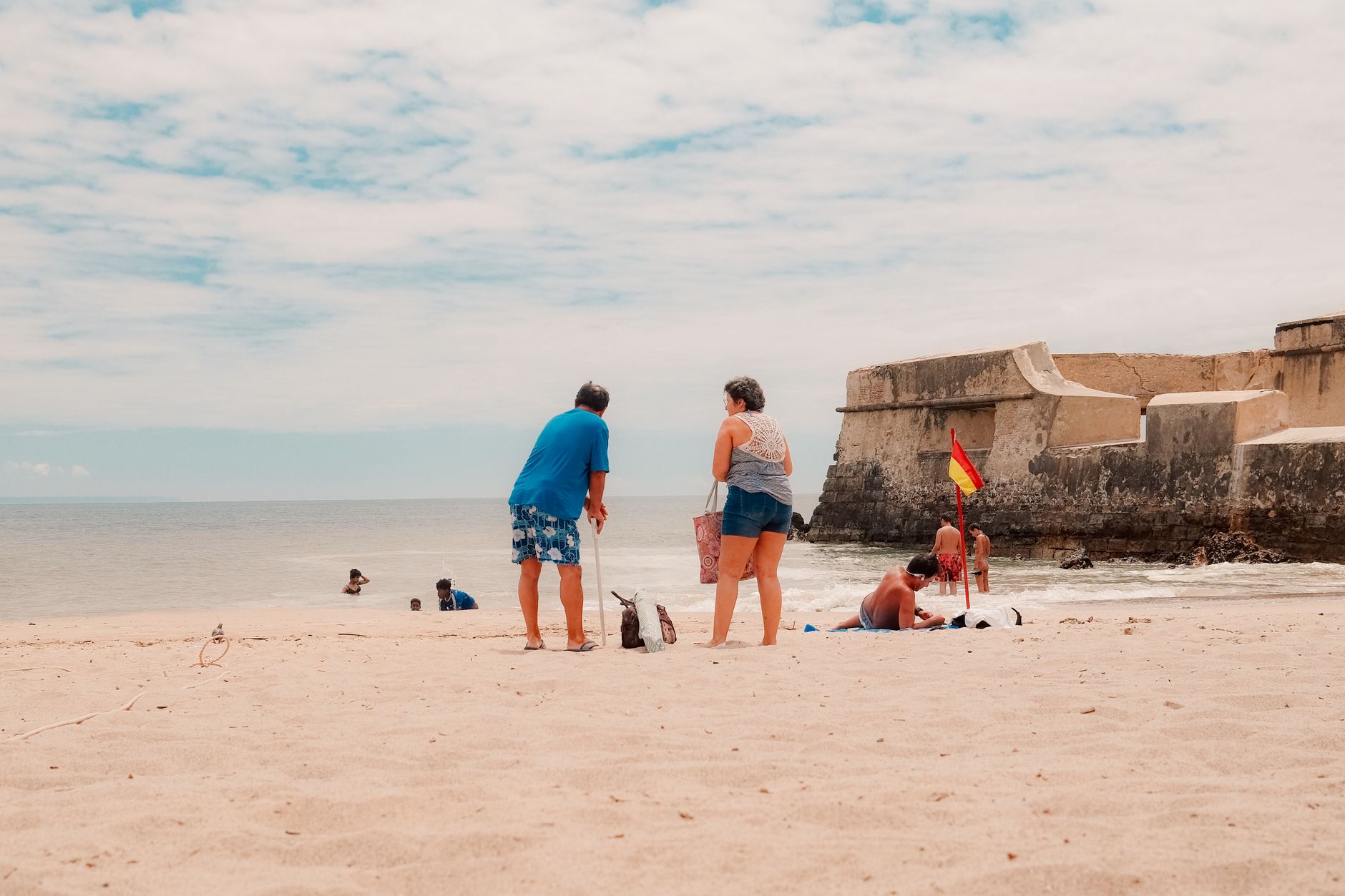
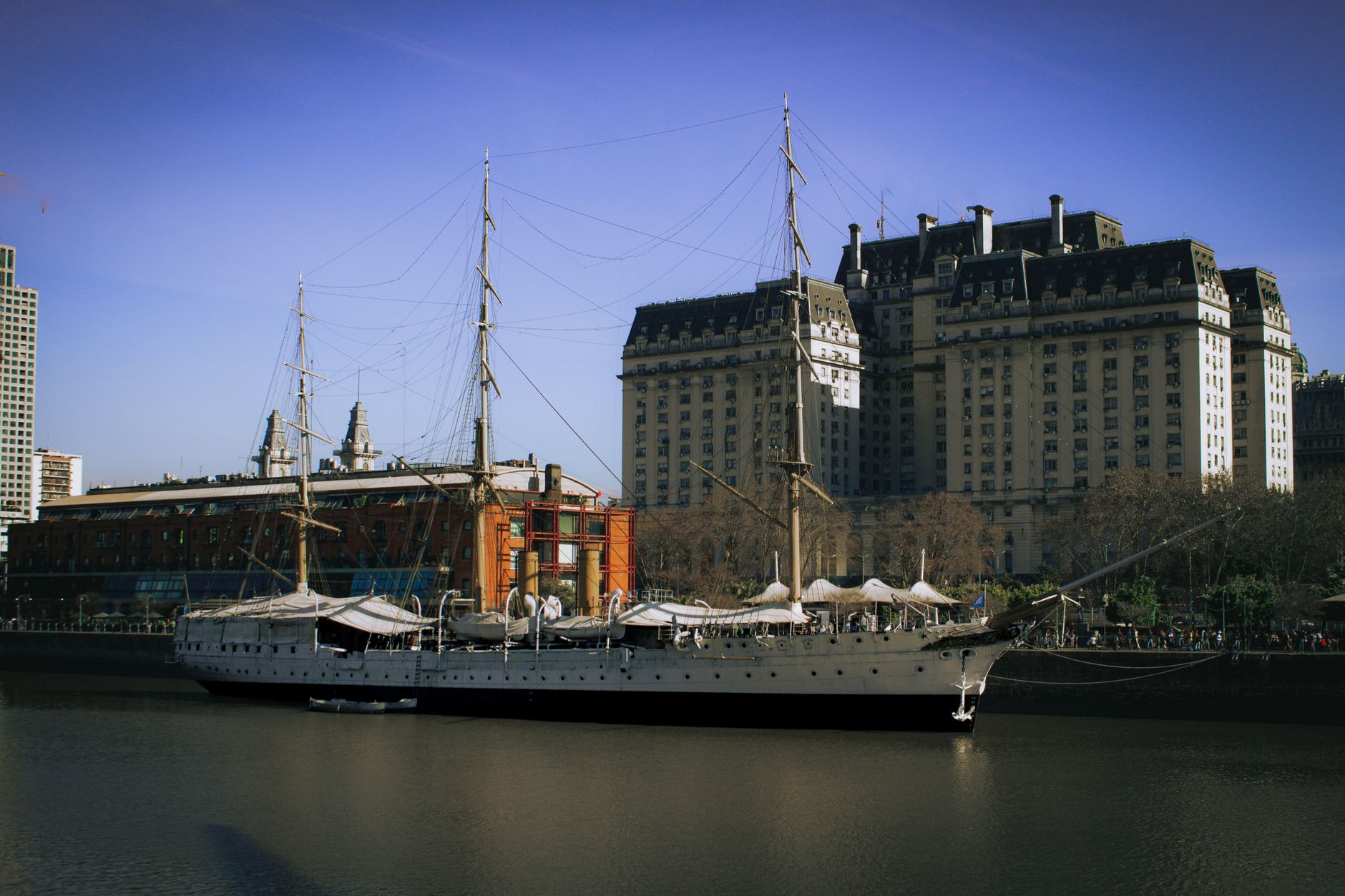
Bahía Blanca announces itself through wind. It comes off the pampas and the bay constantly, shaping the way people walk and the way the city feels — purposeful, a little weathered, not performing for anyone. This is a port city and a university city and an agricultural hub all at once, and the downtown grid holds the evidence: French Beaux-Arts facades from 1909 and 1911 standing alongside a naval history that stretches back to the earliest days of Argentine independence.
The bay itself was spotted by Magellan in 1520, and Charles Darwin passed through in September 1833. The city that eventually grew here produced a Nobel laureate and one of the greatest basketball players in history — not a bad return for a place most visitors arrive at by accident, passing through on the way to Patagonia.
💛 What travellers fall for
People who come back tend to mention the museums — every single one free to enter — and the Port Museum out in Ingeniero White, where the coffee shop attached to the historic building has a way of extending a quick stop into an afternoon. Get a SUBE card at a kiosco the moment you arrive; cash is not accepted on the colectivos.
Experiences you don't want to miss


Deals in Bahía Blanca
Book directly at the provider


How Bahía Blanca came to be
On 11 April 1828, Colonel Ramón Estomba founded a fortified settlement on these shores under orders from Brigadier-General Juan Manuel de Rosas. The original purpose was blunt: protect the coast from Brazilian naval incursion and keep cattle rustlers out of the surrounding territory. The place was called Fortaleza Protectora Argentina — Argentine Protective Fortress — and it sat at the edge of everything.
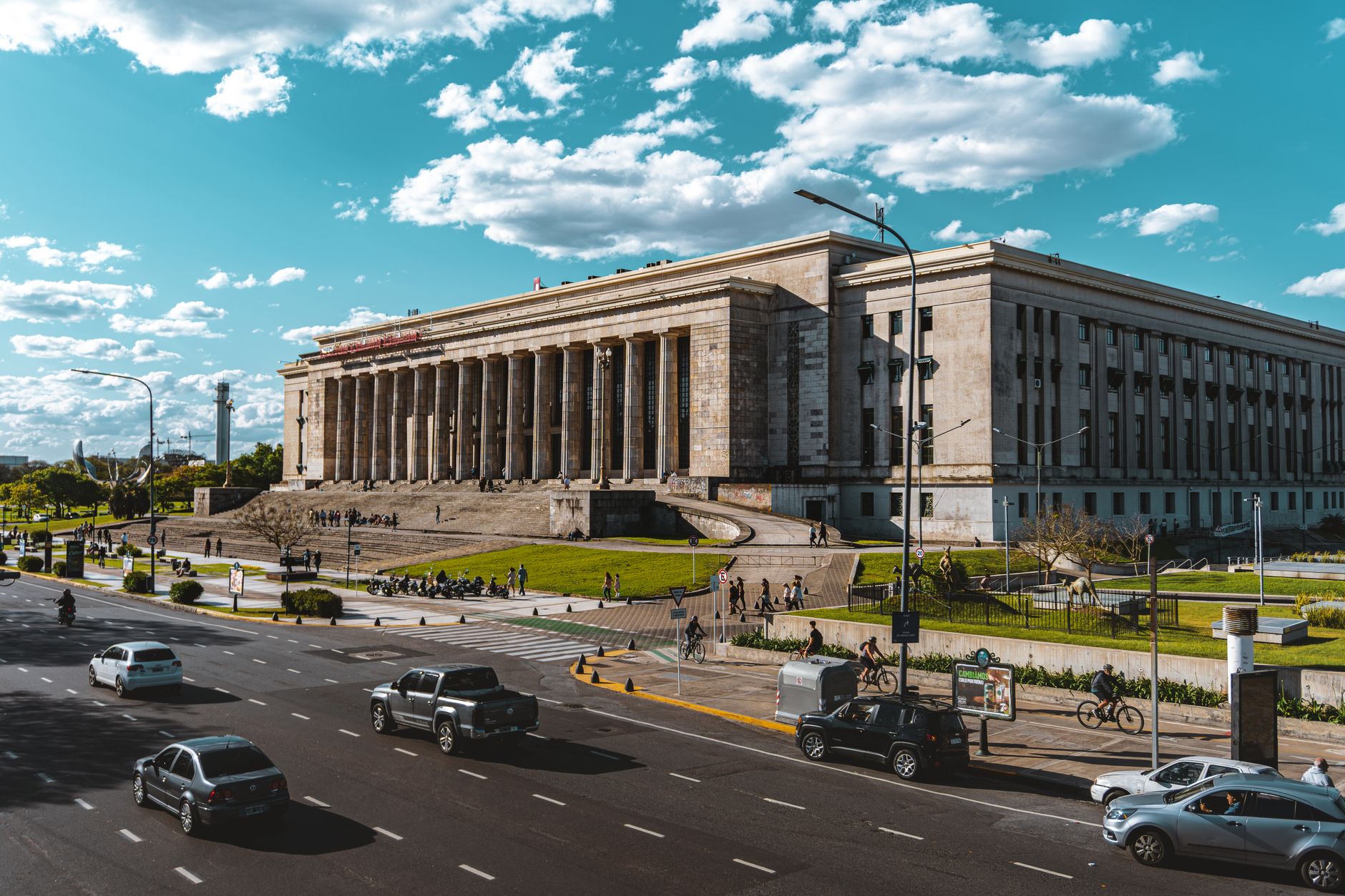
The transformation into a proper city took most of the century. The rail connection to Buenos Aires arrived in 1884, and by 1895 Bahía Blanca had its municipal charter. The architecture downtown — City Hall completed in 1909, the Teatro Municipal in 1911, the courthouse in 1928 — tells the story of a city that came into its own quickly once the infrastructure caught up.
Who and what shaped it
People who shaped it
Landmark buildings
See Bahía Blanca in motion
Plan your visit
On the map
When to go
Summers run genuinely hot, with January highs around 30°C and the occasional extreme well beyond that; winters are mild and dry, with July days rarely dropping below 13°C. Wind is a constant in every season — pack a layer you can pull on quickly, even in spring.
Right now
Background & history adapted from Wikipedia (CC BY-SA) · specs from Wikidata (CC0) · weather from Open-Meteo · map data © OpenStreetMap contributors · photos from Wikimedia Commons / Unsplash with per-image credit. No third-party reviews or social posts reproduced.