
Quilmes
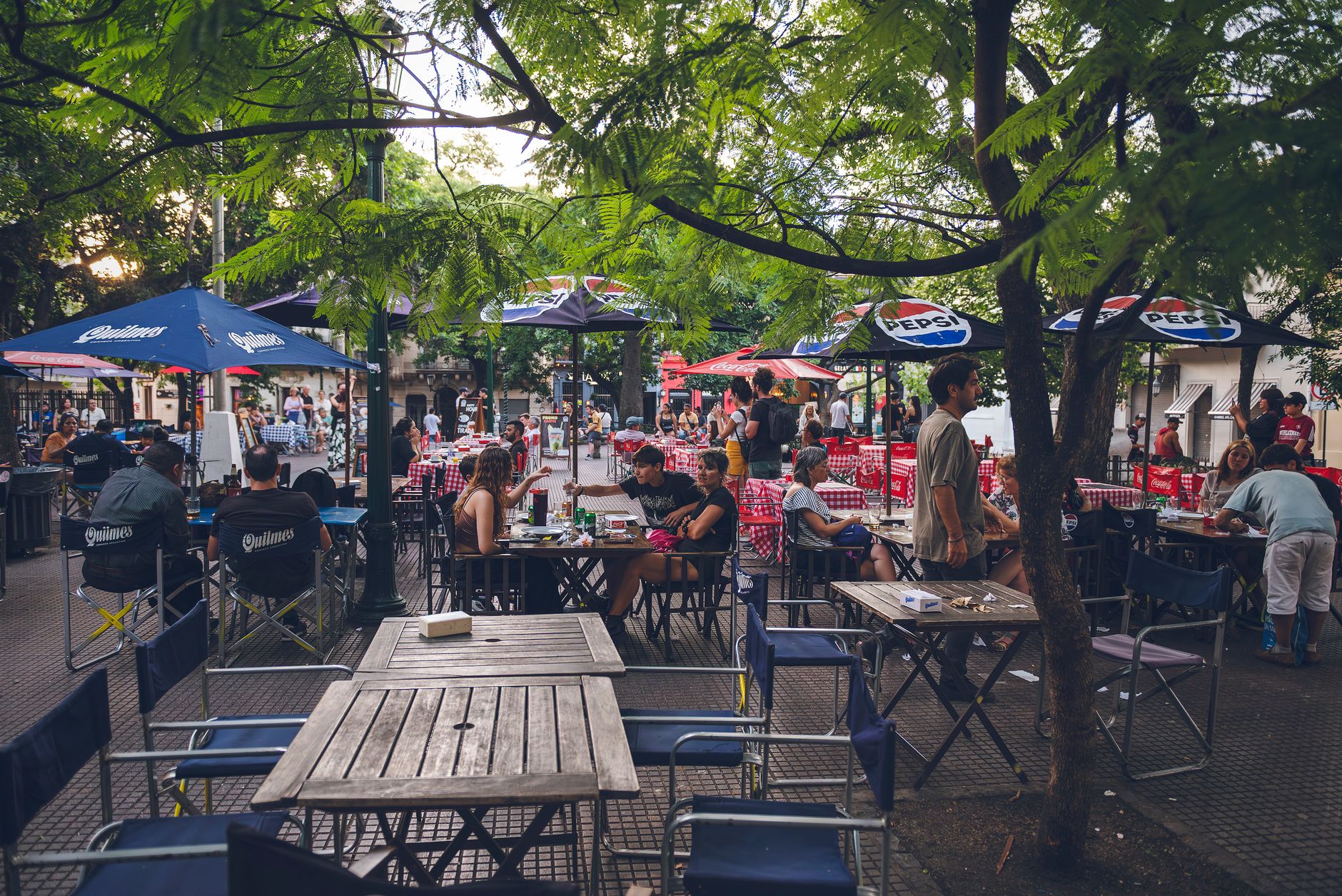
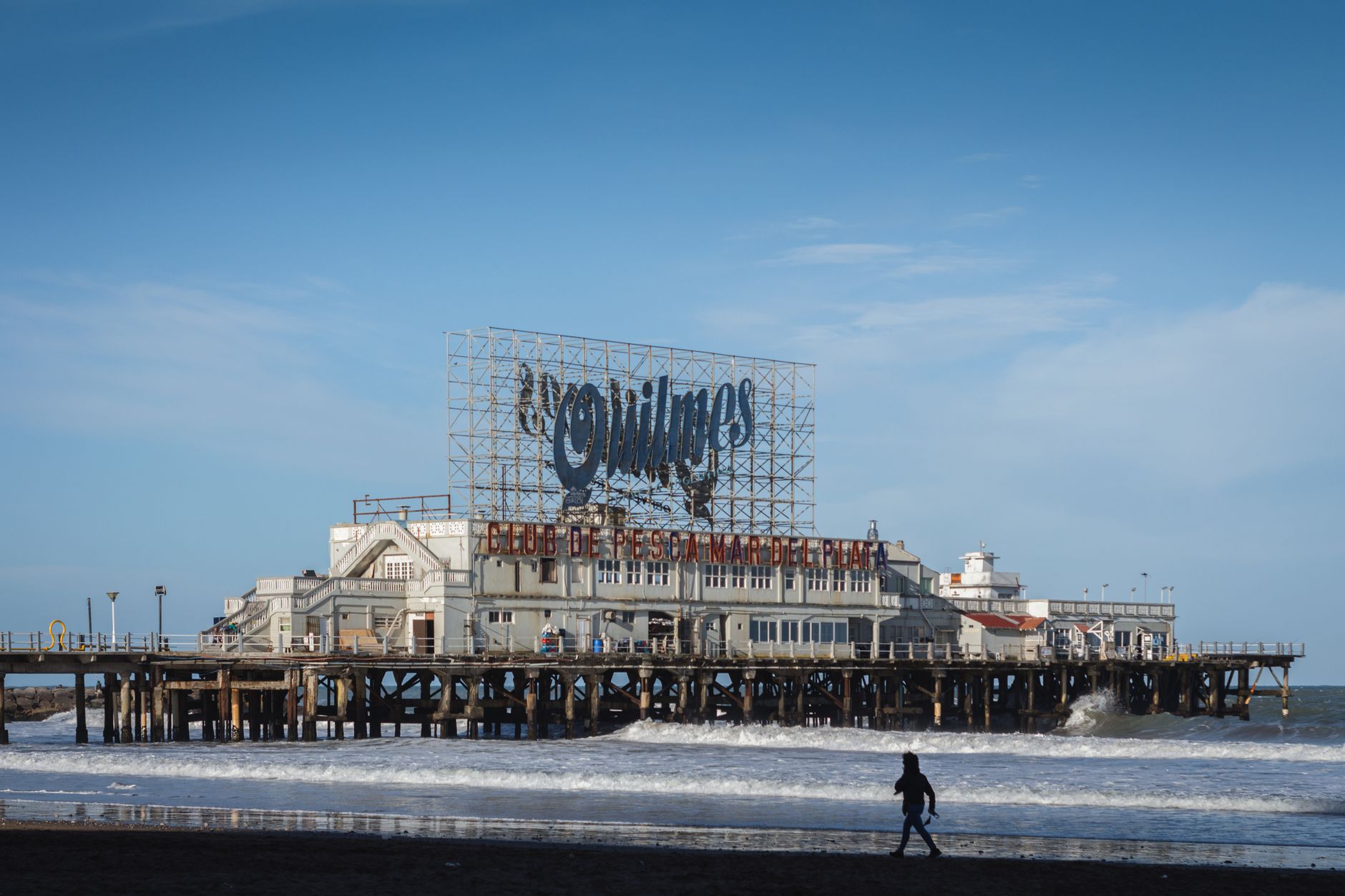

Quilmes sits 17 kilometres south of Buenos Aires, close enough to reach by train on the Roca line, distinct enough to feel like its own city entirely. The Metropolitano tracks split it down the middle — east toward the Río de la Plata, where the land floods and the neighbourhoods thin out; west toward the brewery that has been running since 1888, its amber bottles appearing on tables across the country.
The name alone carries history: the Quilmes people walked here from Tucumán under Spanish orders in the late 1600s, a journey of a thousand kilometres that killed hundreds. That origin sits beneath the city's surface, quiet but not forgotten.
💛 What travellers fall for
People who come back tend to spend time in Villa Argentina, the early 20th-century workers' quarter the brewery built — housing, school, church, all of it — which has a particular stillness on weekday mornings. The Admiral Brown Regional Historical Museum on the historic centre rewards patience; the photographs alone are worth the trip.
Deals in Quilmes
Book directly at the provider

How Quilmes came to be
In 1666, Spanish colonial authorities established a forced reservation near the Río de la Plata for the Quilmes people, who had resisted conquest in Tucumán for 130 years before being defeated. The march south — roughly a thousand kilometres on foot — killed hundreds. By 1810 the colony had been abandoned, a ghost town on the pampa.
The city that grew in its place moved quickly once it found its footing. Land was divided into parcels in 1818. Otto Bemberg opened his brewery in 1888, and within decades it had built an entire neighbourhood — Villa Argentina — for its workers. President Sarmiento had already endowed the city with a 20,000-volume library in 1871. Quilmes was declared a city in 1916, its identity shaped equally by indigenous tragedy, European immigration, and industrial ambition.
Who and what shaped it
People who shaped it
Landmark buildings
See Quilmes in motion
Plan your visit
On the map
When to go
Summers are warm and humid, with January highs around 29°C; winters are mild but grey, with July rarely dropping below 8°C at night. Snow is essentially unheard of. If you want dry days, June and August offer the fewest rainy ones — just pack for cool temperatures.
Right now
Background & history adapted from Wikipedia (CC BY-SA) · specs from Wikidata (CC0) · weather from Open-Meteo · map data © OpenStreetMap contributors · photos from Wikimedia Commons / Unsplash with per-image credit. No third-party reviews or social posts reproduced.