
Halkidiki
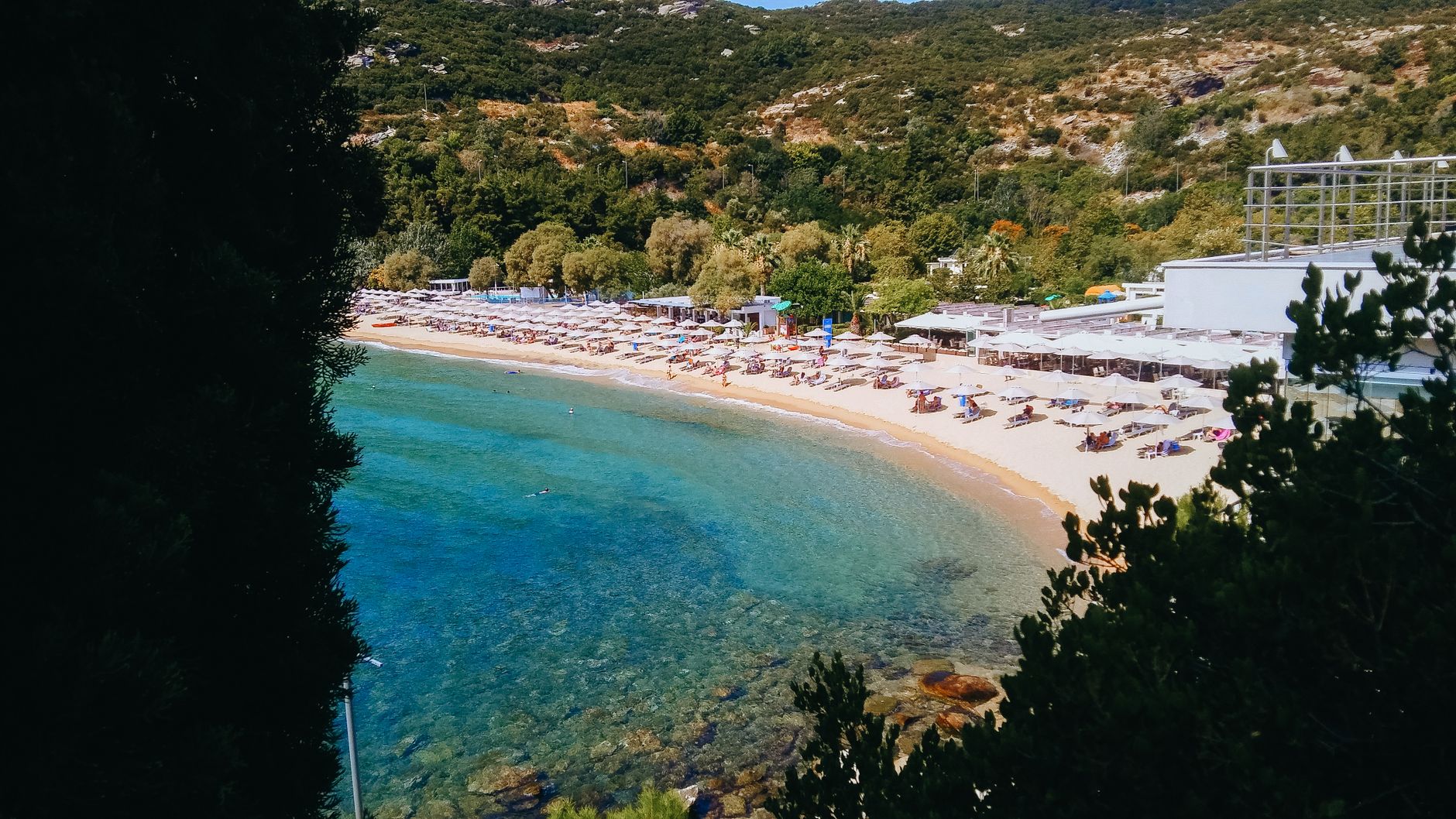
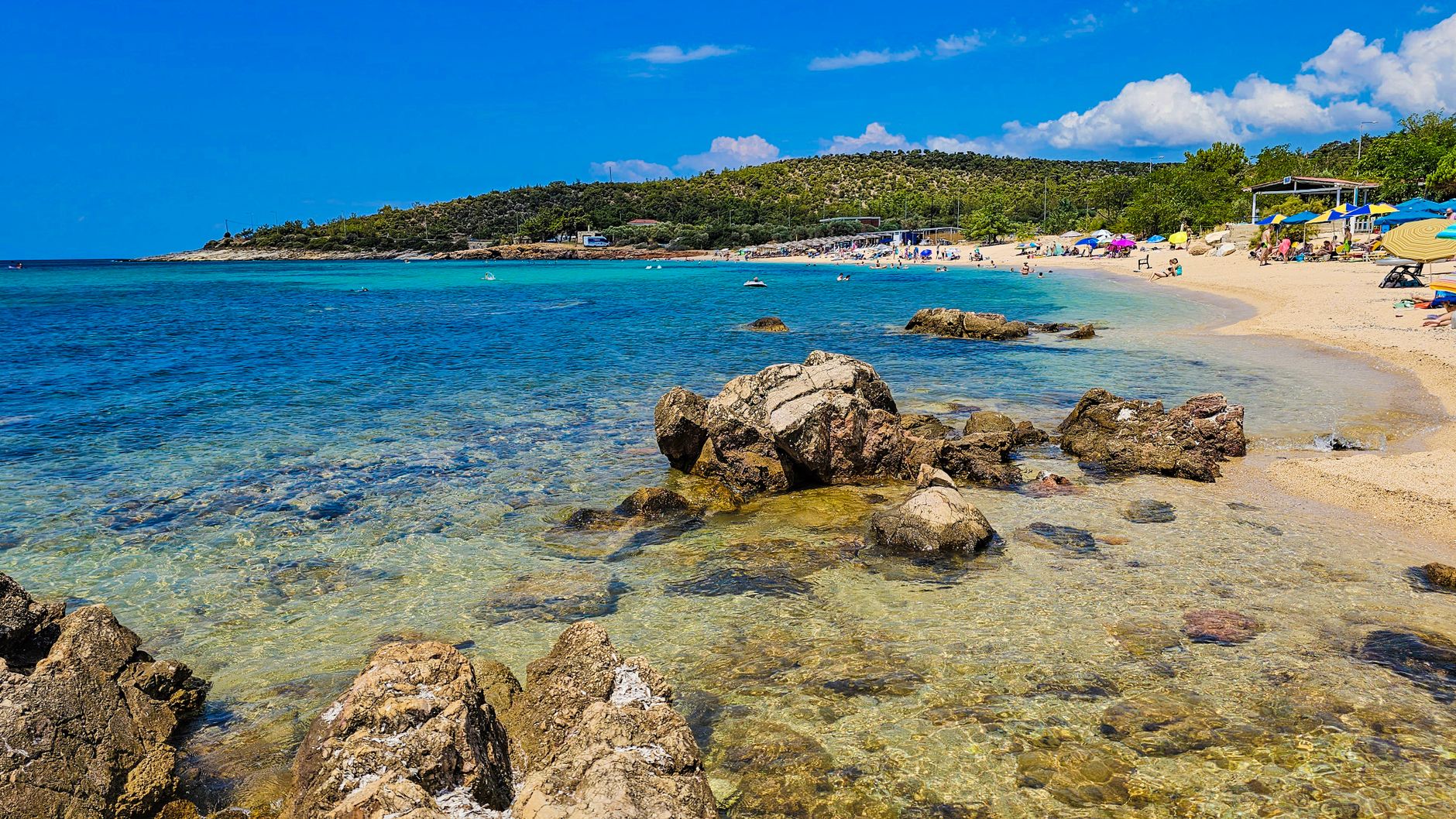
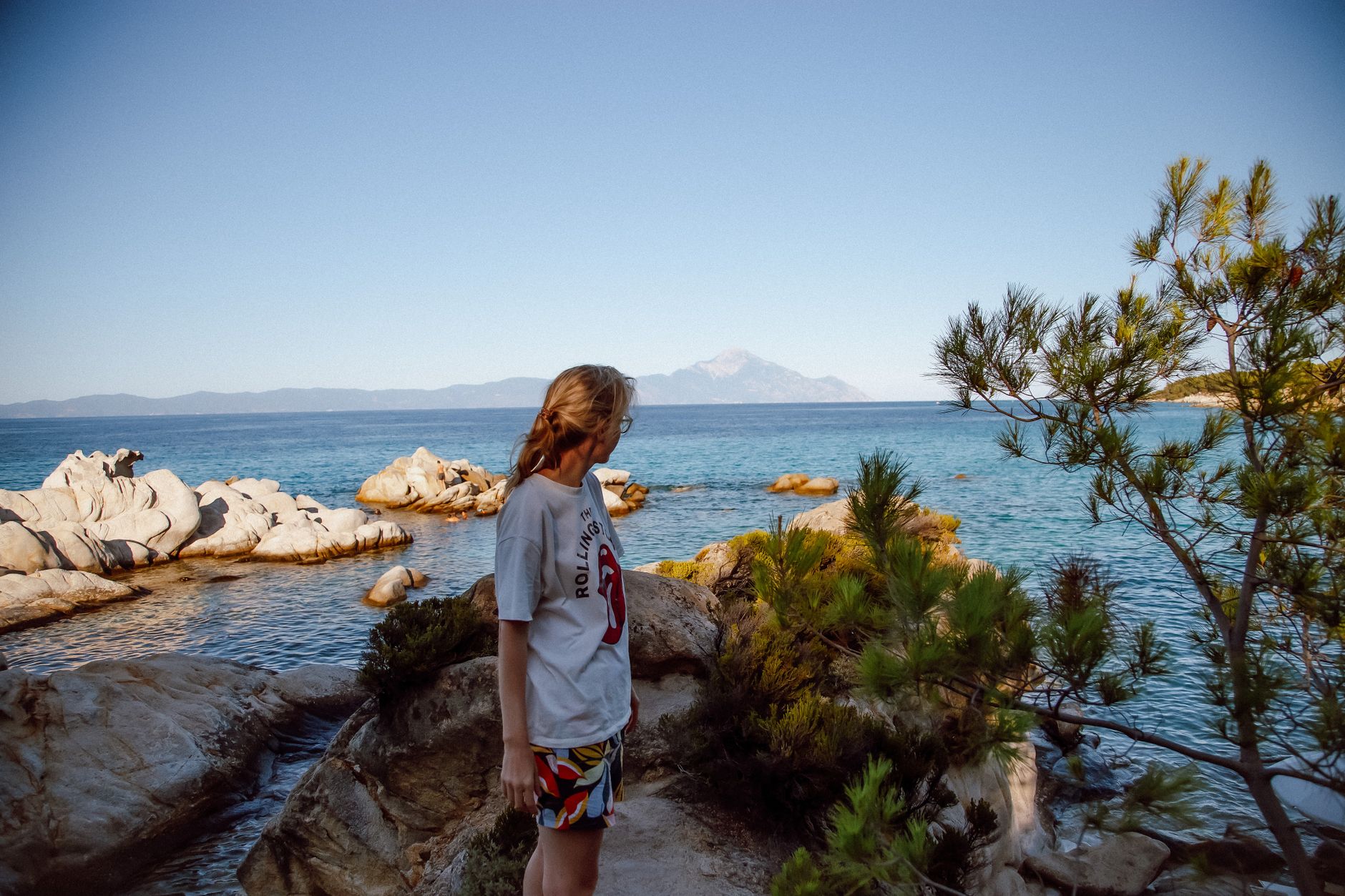
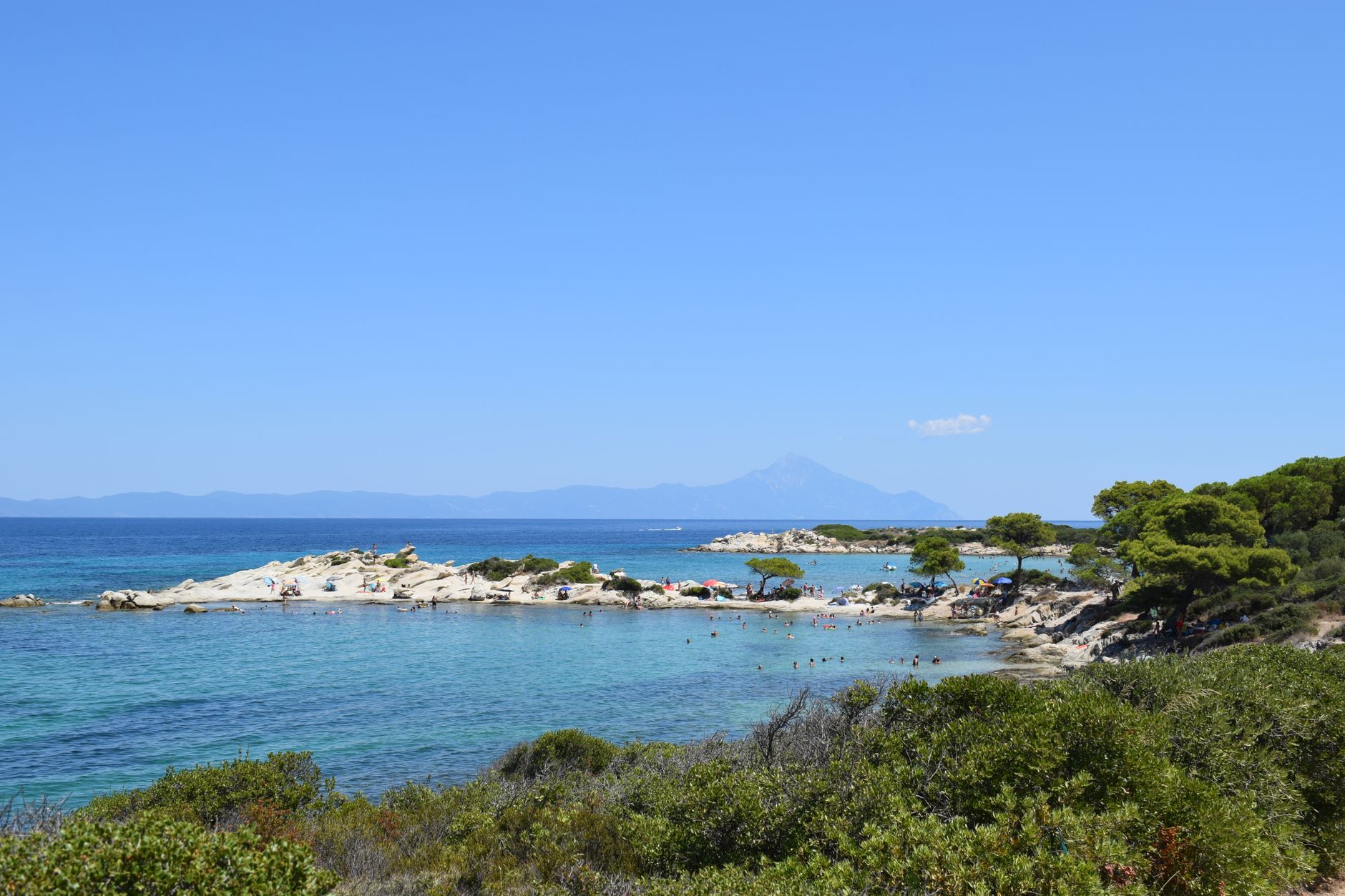
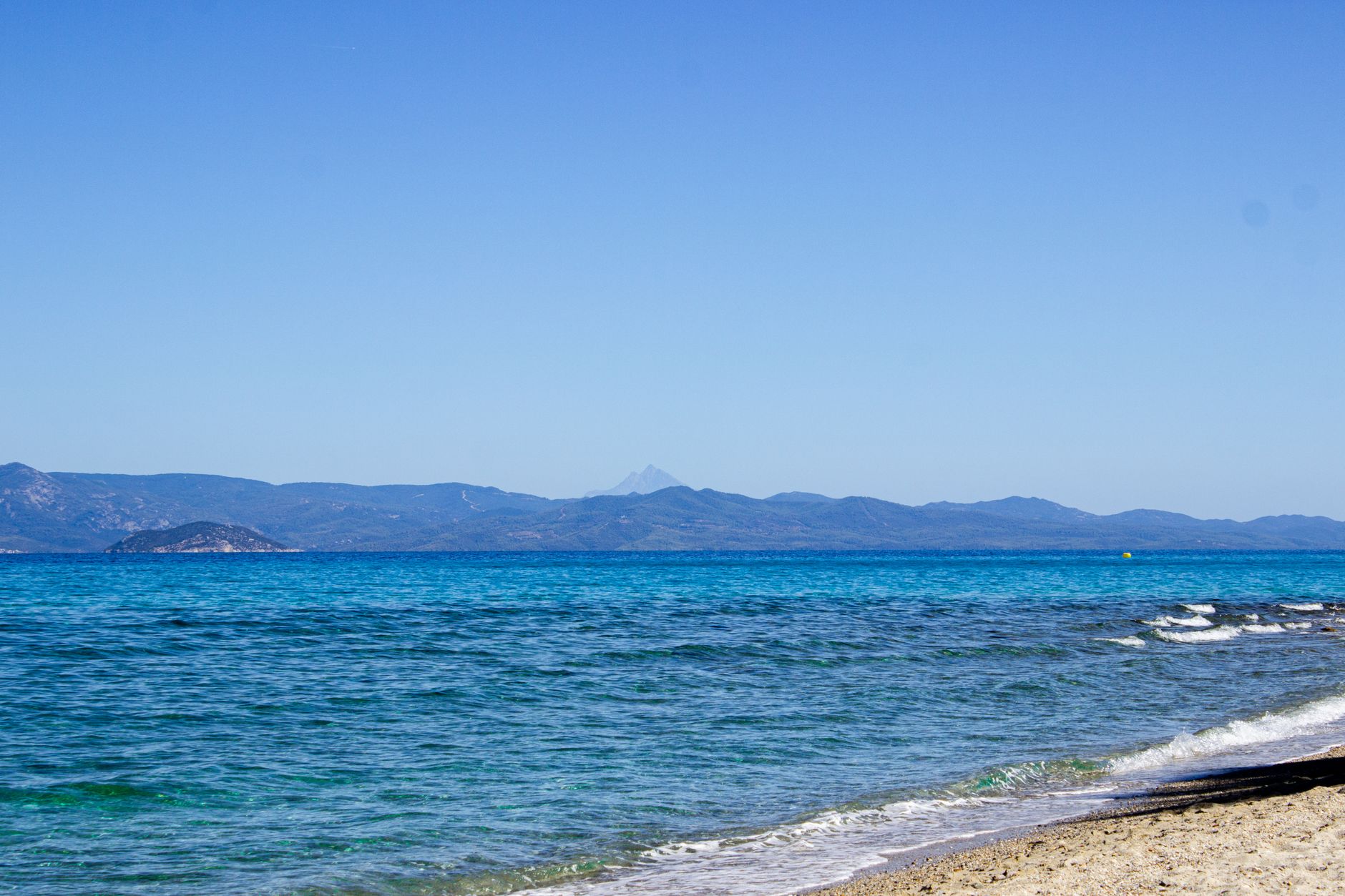
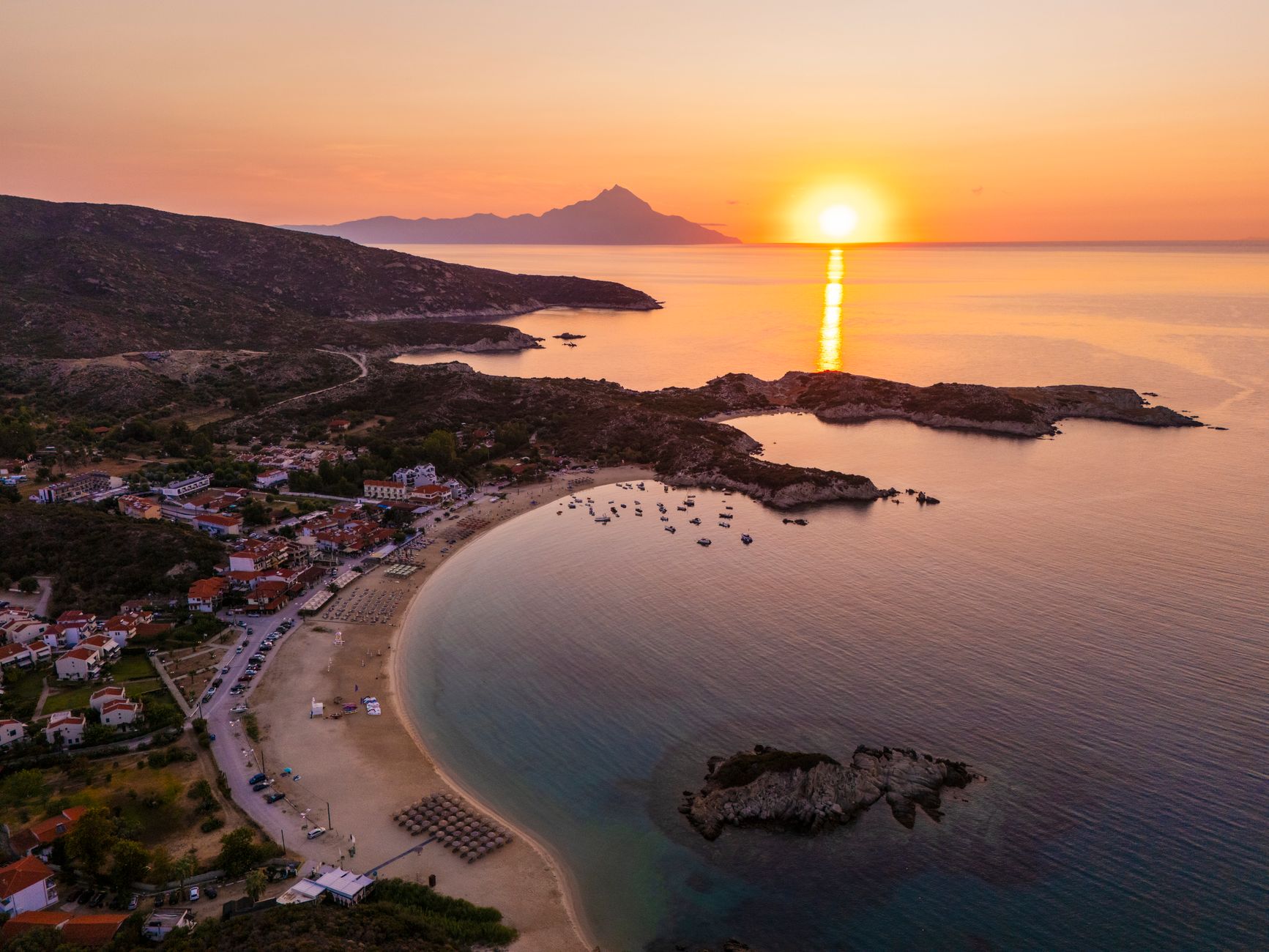
Halkidiki is a three-fingered peninsula that pushes south into the Aegean from the edge of northern Greece, each prong a distinct character: the westernmost Kassandra draws the summer crowds, the middle finger Sithonia offers quieter coves and pine-backed bays, and the easternmost arm is Mount Athos — a monastic republic closed to women and open to men only by permit. The peninsula's bones are old: Petralona Cave, in the hills above the coast, yielded a human skull estimated at 200,000 years old.
What holds Halkidiki together is the sea — clear, warm and rarely far from view — and a landscape that shifts between olive groves, dense forest and limestone cliffs dropping straight to the water. It is the kind of place where the geography does most of the work.
How Halkidiki came to be
People have been in Halkidiki for a very long time. Settlers from the Euboean cities of Chalcis and Eretria arrived around the 8th century BC, founding coastal towns like Mende, Toroni and Scione; a second wave from Andros followed in the 6th century. One of those settlements, Stageira, produced Aristotle — who later became tutor to Alexander the Great after Philip II of Macedon absorbed the whole peninsula into his kingdom.
The eastern finger took a different path. In 885 a Byzantine imperial decree set Mount Athos aside for monks alone, and the Great Lavra monastery was founded there in 963 by the monk Athanasios Athonites, backed by emperors Nikiphoros Phokas and Ioannis Tsimiskis. The Ottoman conquest came in 1430; Greek sovereignty returned after the Balkan Wars of 1912–13. After 1923, refugees from Anatolia and East Thrace were resettled here, reshaping several communities. Tourism arrived in force in the 1980s and gradually displaced agriculture as the main industry.
Who and what shaped it
People who shaped it
Landmark buildings
See Halkidiki in motion
Plan your visit
On the map
When to go
Summers are hot and dry, with July and August regularly above 30°C and the sea warm enough to swim from May through October. Spring and autumn bring mild temperatures, green hills and almost no crowds; winters are cool and quiet, with some coastal businesses closing entirely from November to April.
Right now
Background & history adapted from Wikipedia (CC BY-SA) · specs from Wikidata (CC0) · weather from Open-Meteo · map data © OpenStreetMap contributors · photos from Wikimedia Commons / Unsplash with per-image credit. No third-party reviews or social posts reproduced.