
Mount Olympus
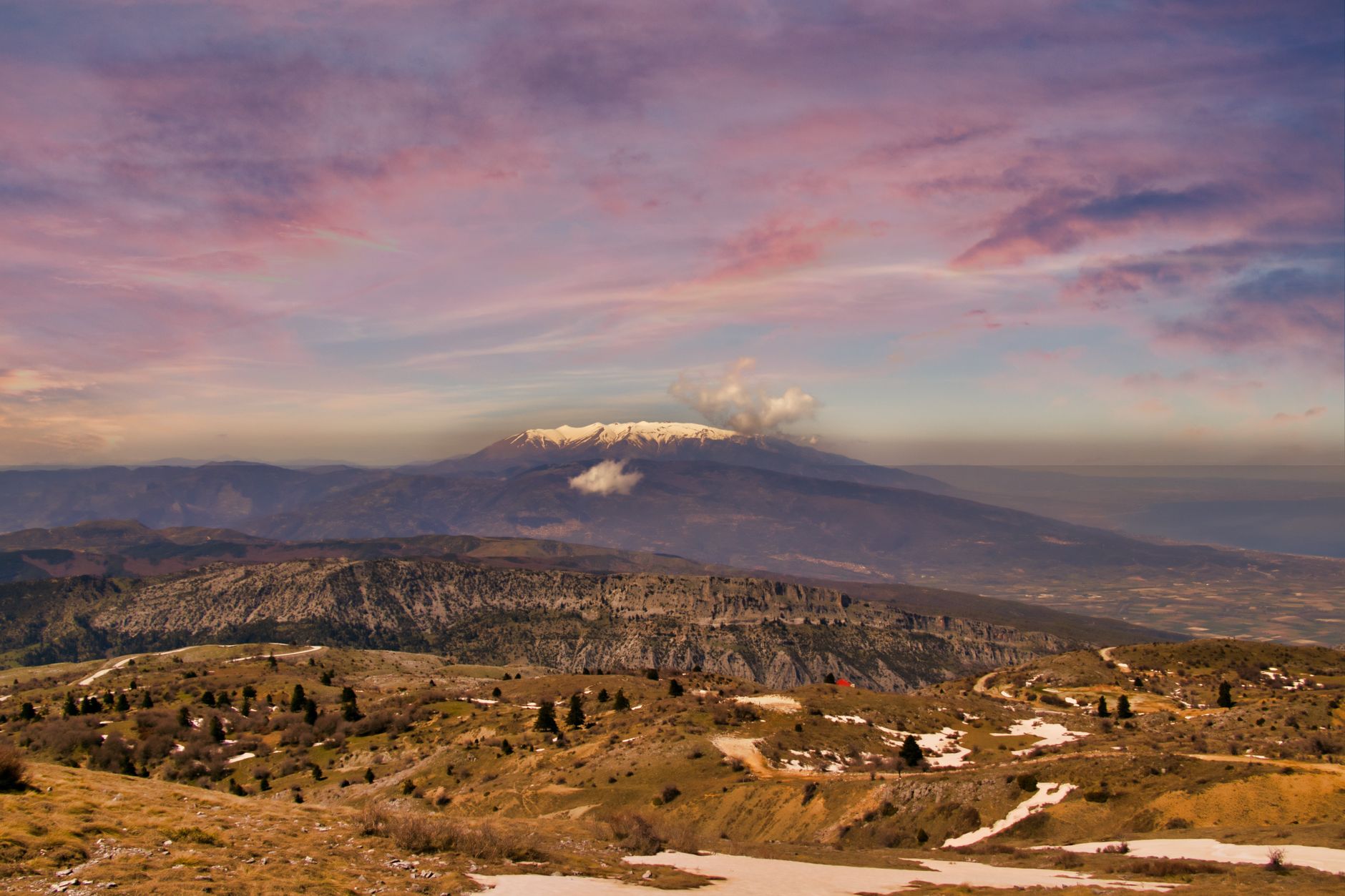
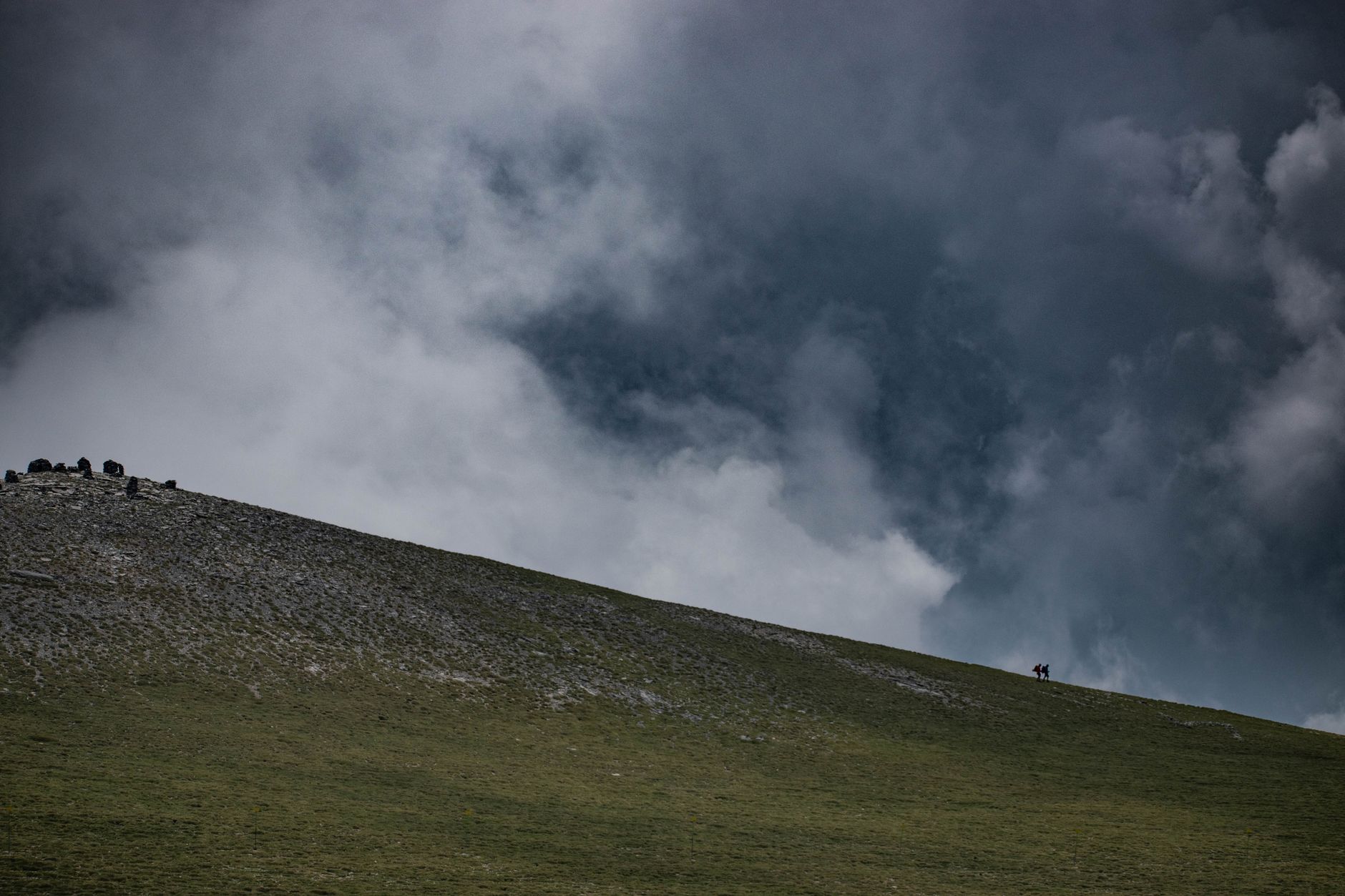
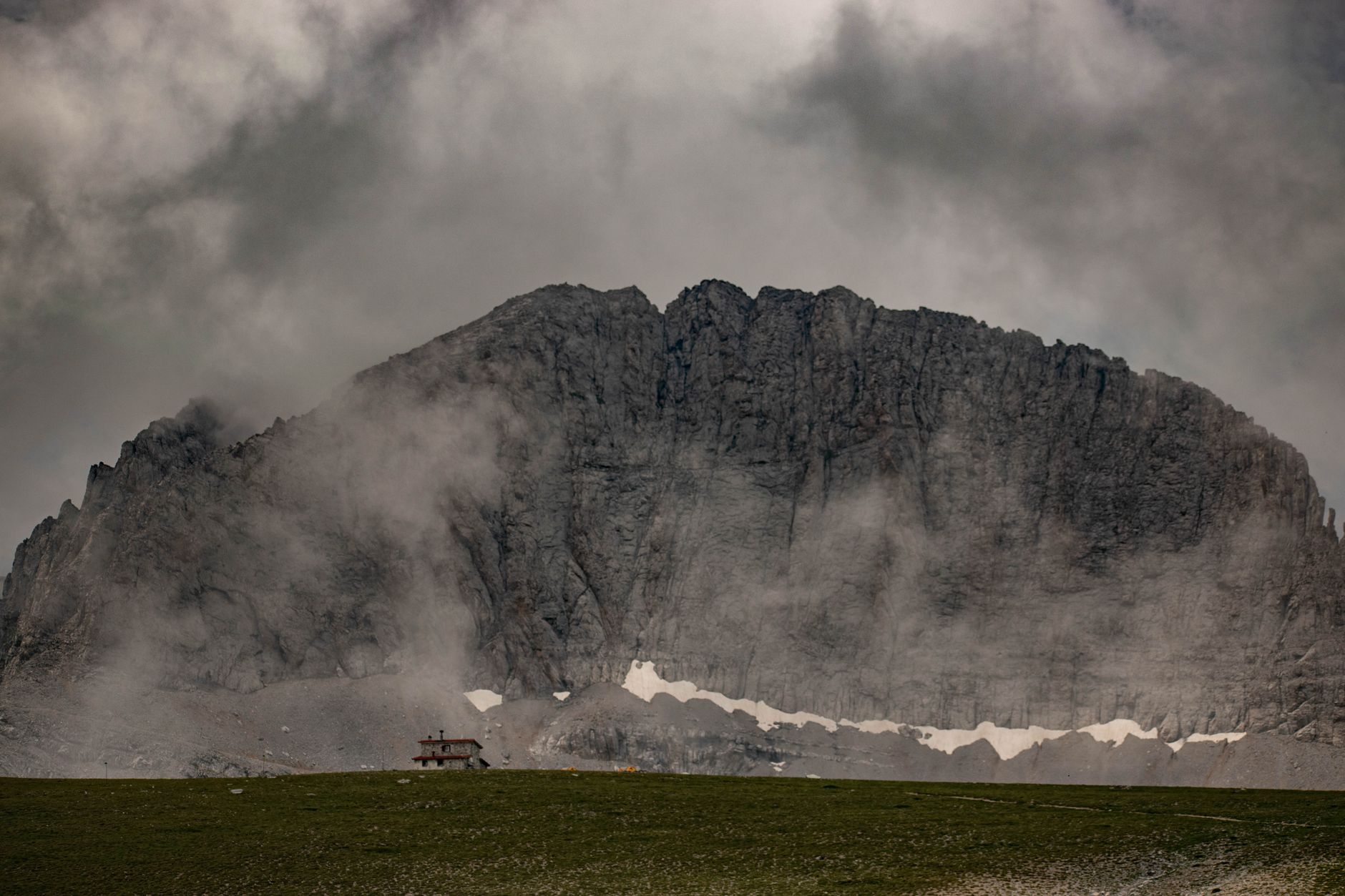
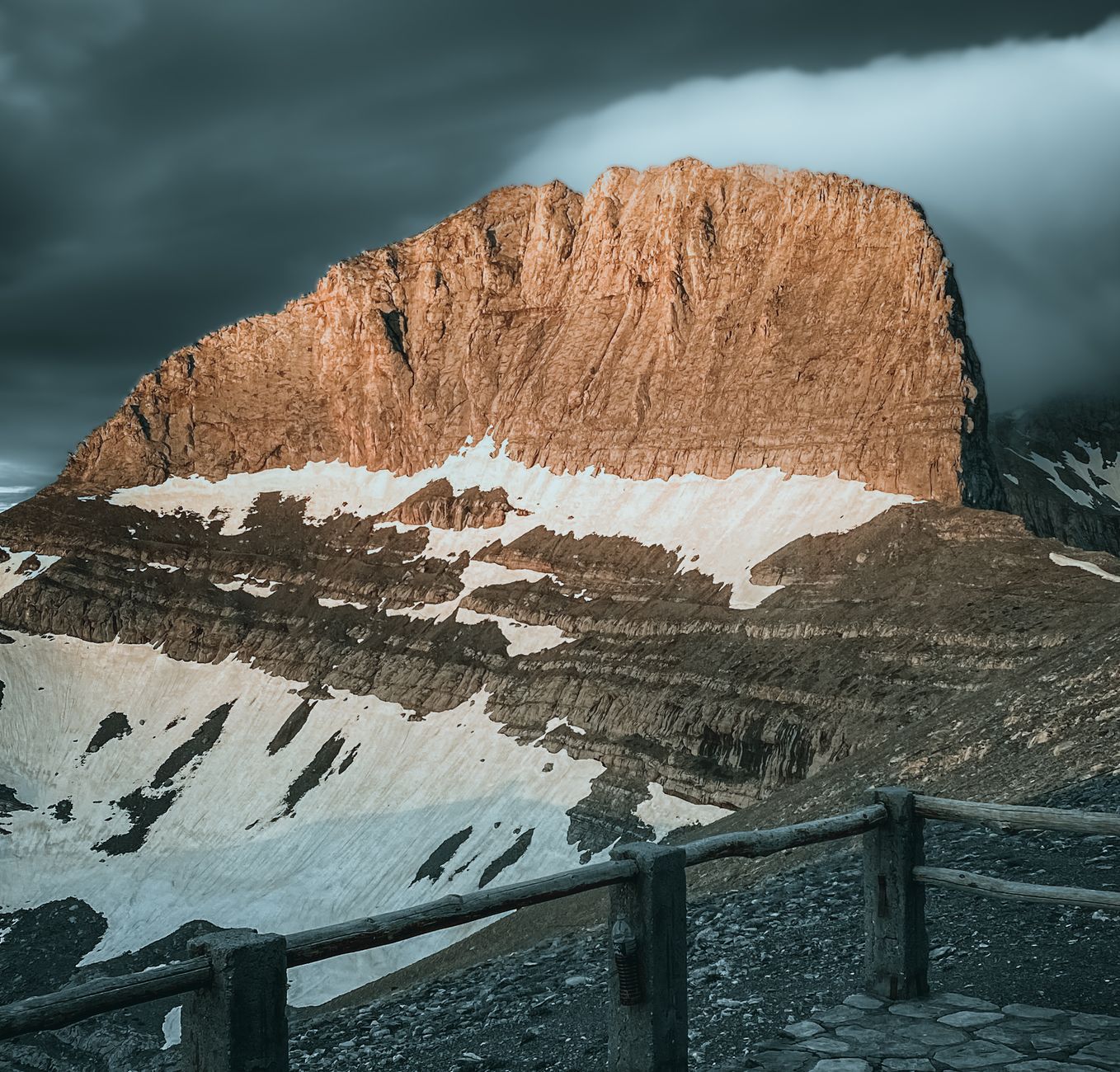
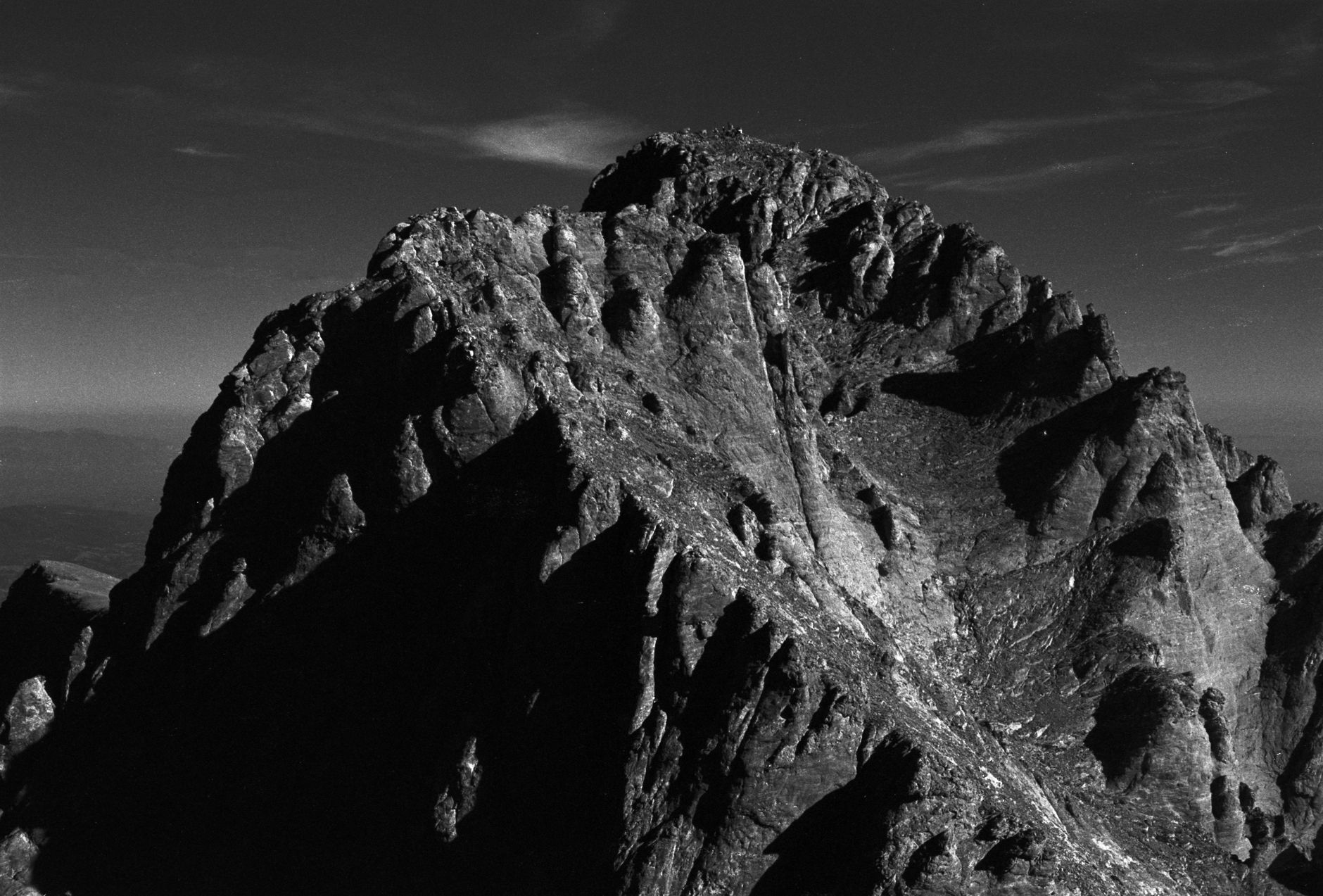
Greece's highest point sits at 2,917 metres, and the mountain that holds it has been carrying the weight of divinity for three millennia. Mytikas — the summit Greeks call 'the needle' — was first reached only in 1913, when Swiss photographer Frédéric Boissonnas and writer Daniel Baud-Bovy made the climb with Christos Kakkalos, a hunter from the foothill village of Litochoro who knew every gully and ridge.
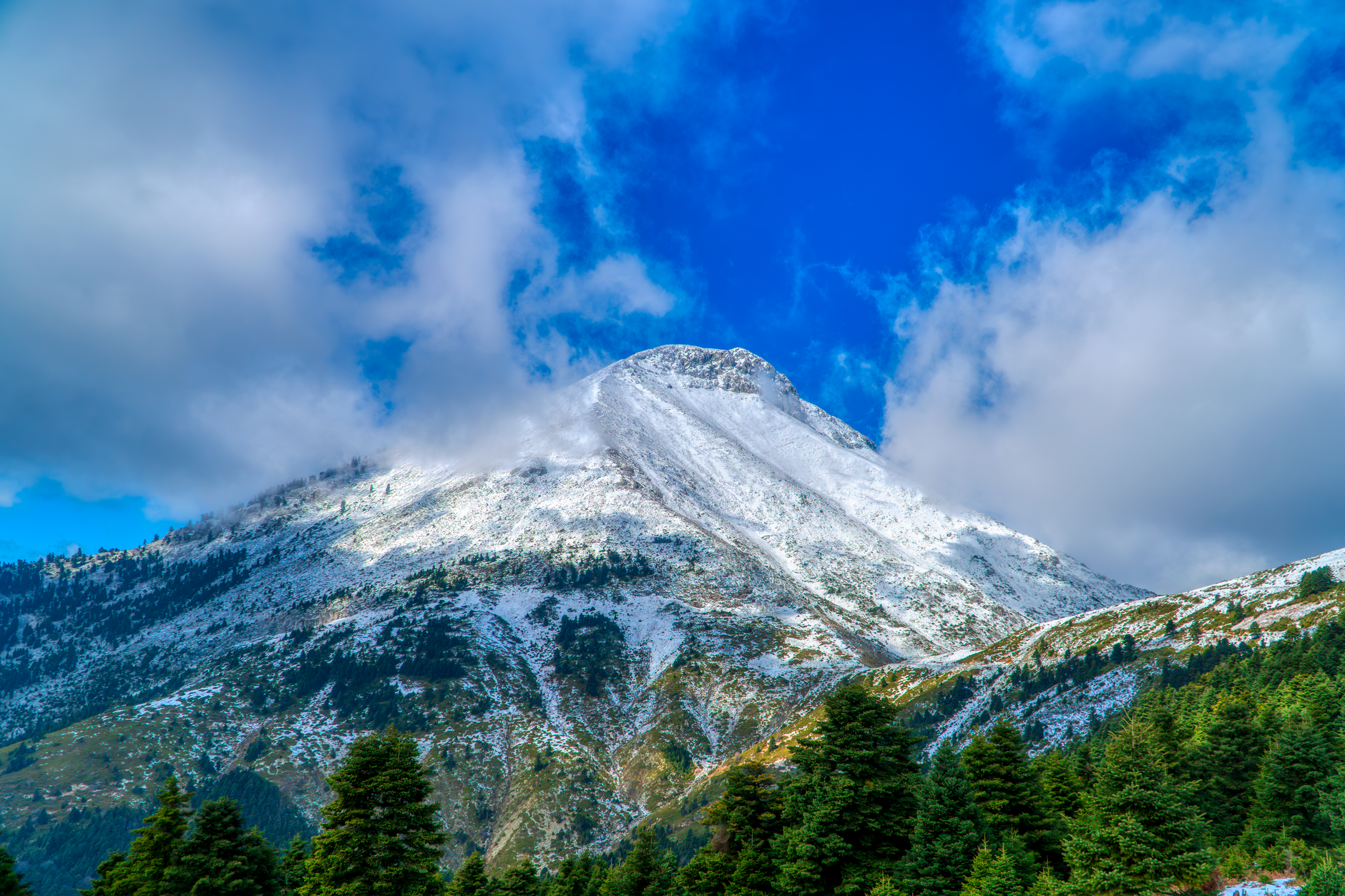
What you find here is not myth made scenery, but a working mountain of serious altitude: dense pine and beech forests giving way to bare limestone above the treeline, refuges where climbers share dinners and route notes, and an archaeological site at Dion where the Macedonians made offerings to Zeus for centuries before anyone tried to stand on his roof.
💛 What travellers fall for
People who come back tend to time it for early June or September — crowds thin, the refuges have space, and the light at that altitude has a particular clarity. Book Spilios Agapitos weeks ahead if you're going in July or August. Litochoro is the right base: small enough to feel like somewhere, with the trailhead road to Prionia starting just above it.
How Mount Olympus came to be
People have lived around Olympus since at least 4,500 BC, and the sacred city of Dion — dedicated to Zeus and the twelve gods — was the Macedonians' ceremonial centre from the fifth century BC through the fifth century AD. Excavations there began in 1928 and continue today.
The mountain's first recorded summit attempt came in 1911, when German engineer Edward Richter was abducted by klephts before reaching the top. The actual first ascent followed in 1913. Greece designated Olympus its first national park in 1938, and UNESCO added a Biosphere Reserve designation in 1981. The Chapel of Prophet Elias, built in the sixteenth century by the monk Hosios Dionysios on the 2,803-metre Profitis Ilias peak, remains the highest-elevation chapel in the Orthodox world.
Who and what shaped it
People who shaped it
Landmark buildings
See Mount Olympus in motion
Plan your visit
On the map
When to go
Summers on the upper mountain are short and can turn fast — afternoon thunderstorms are common above the treeline even in July and August, and temperatures at the summit rarely exceed the mid-teens Celsius. Below 1,000 metres the foothills run warm and dry from June through September; snow closes the upper trails from November through May.
Right now
Background & history adapted from Wikipedia (CC BY-SA) · specs from Wikidata (CC0) · weather from Open-Meteo · map data © OpenStreetMap contributors · photos from Wikimedia Commons / Unsplash with per-image credit. No third-party reviews or social posts reproduced.