
Corfu
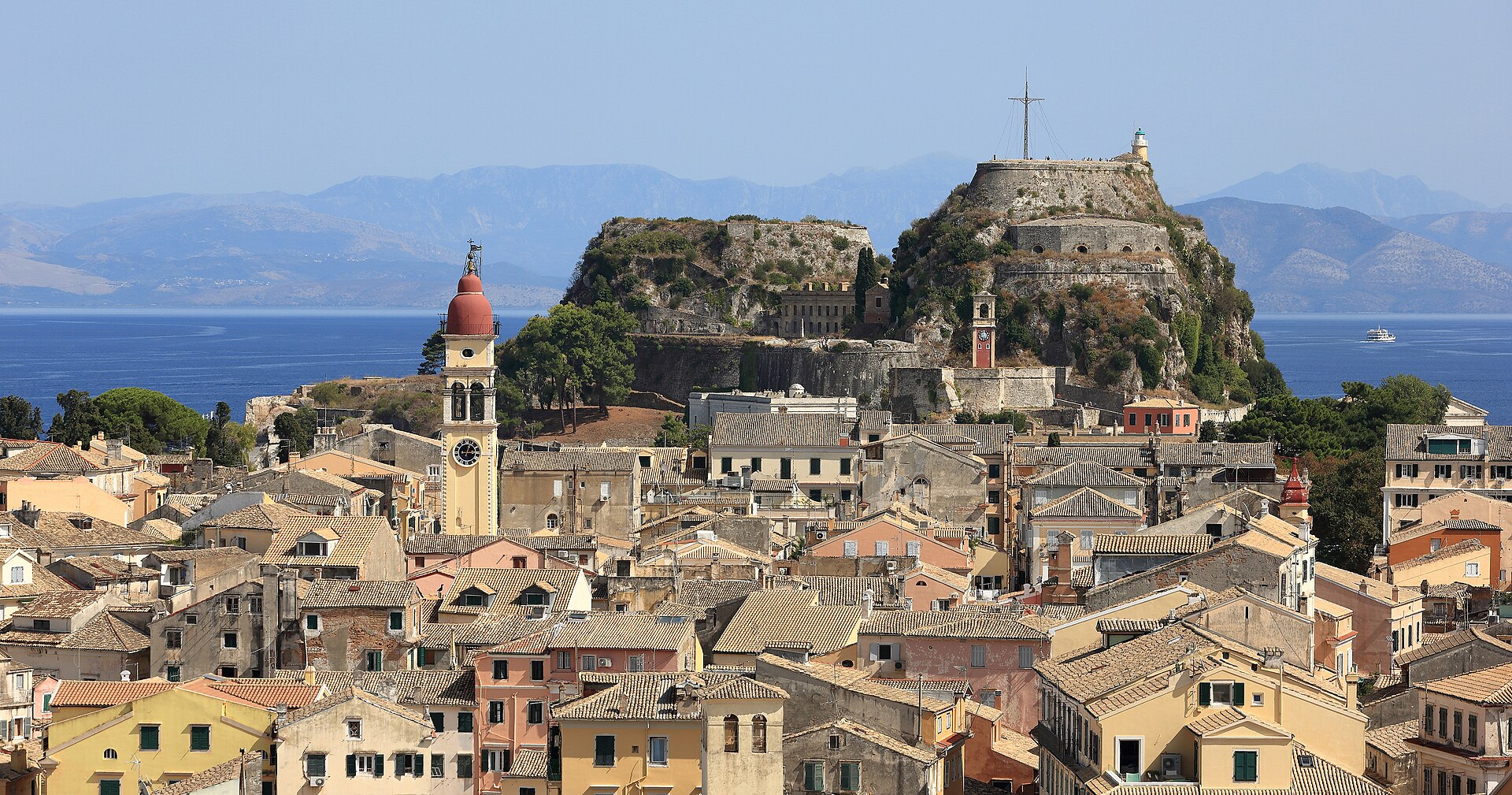
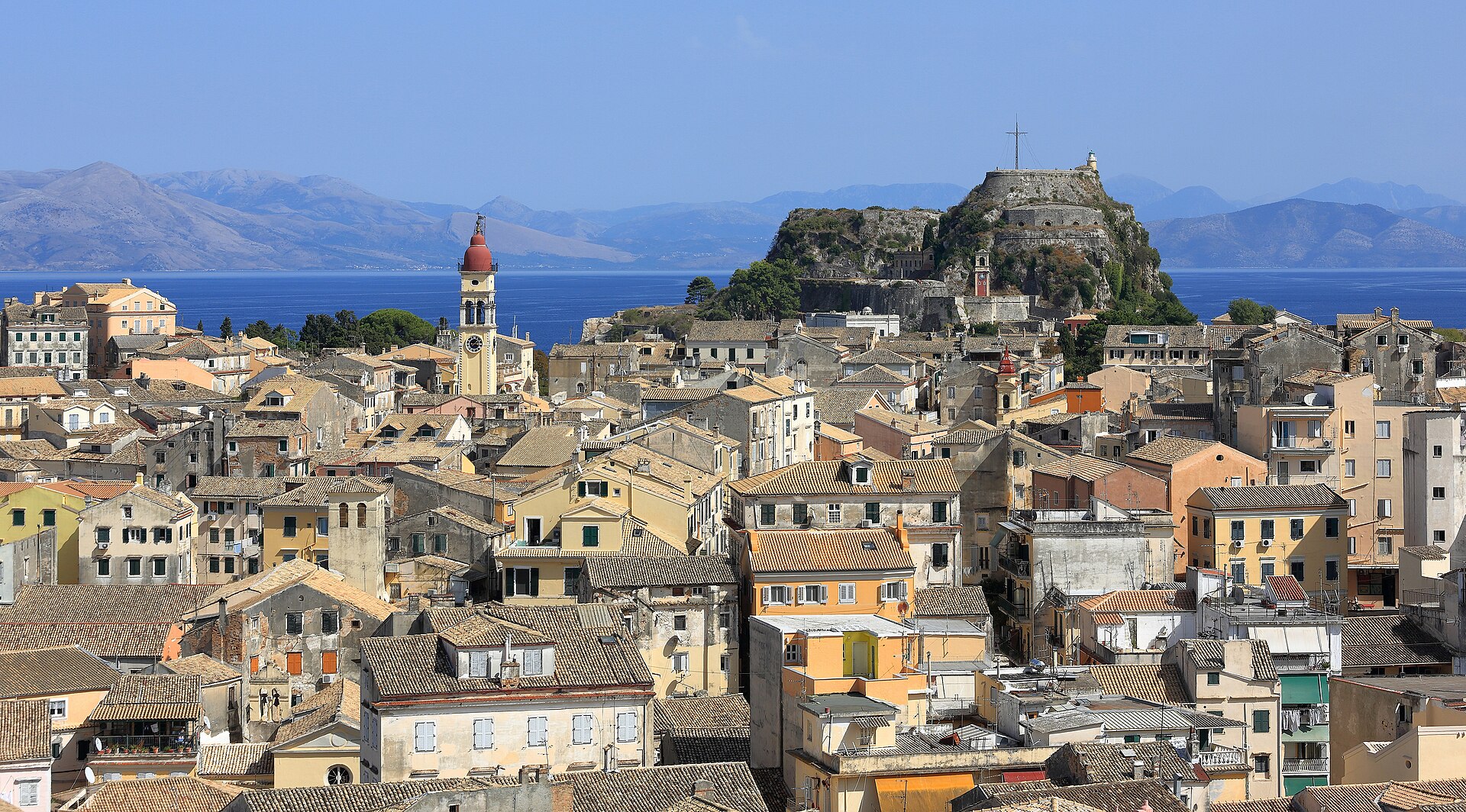
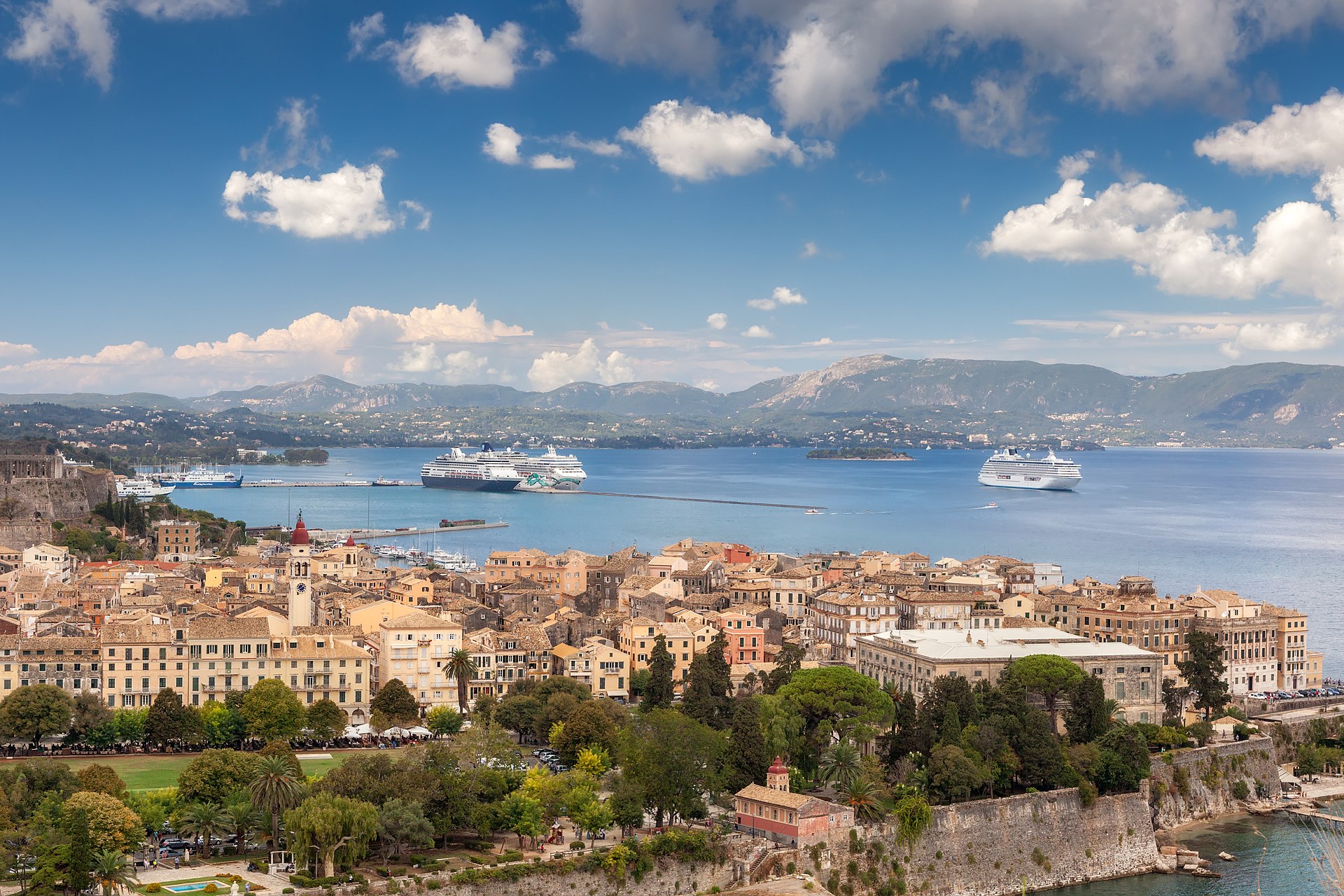

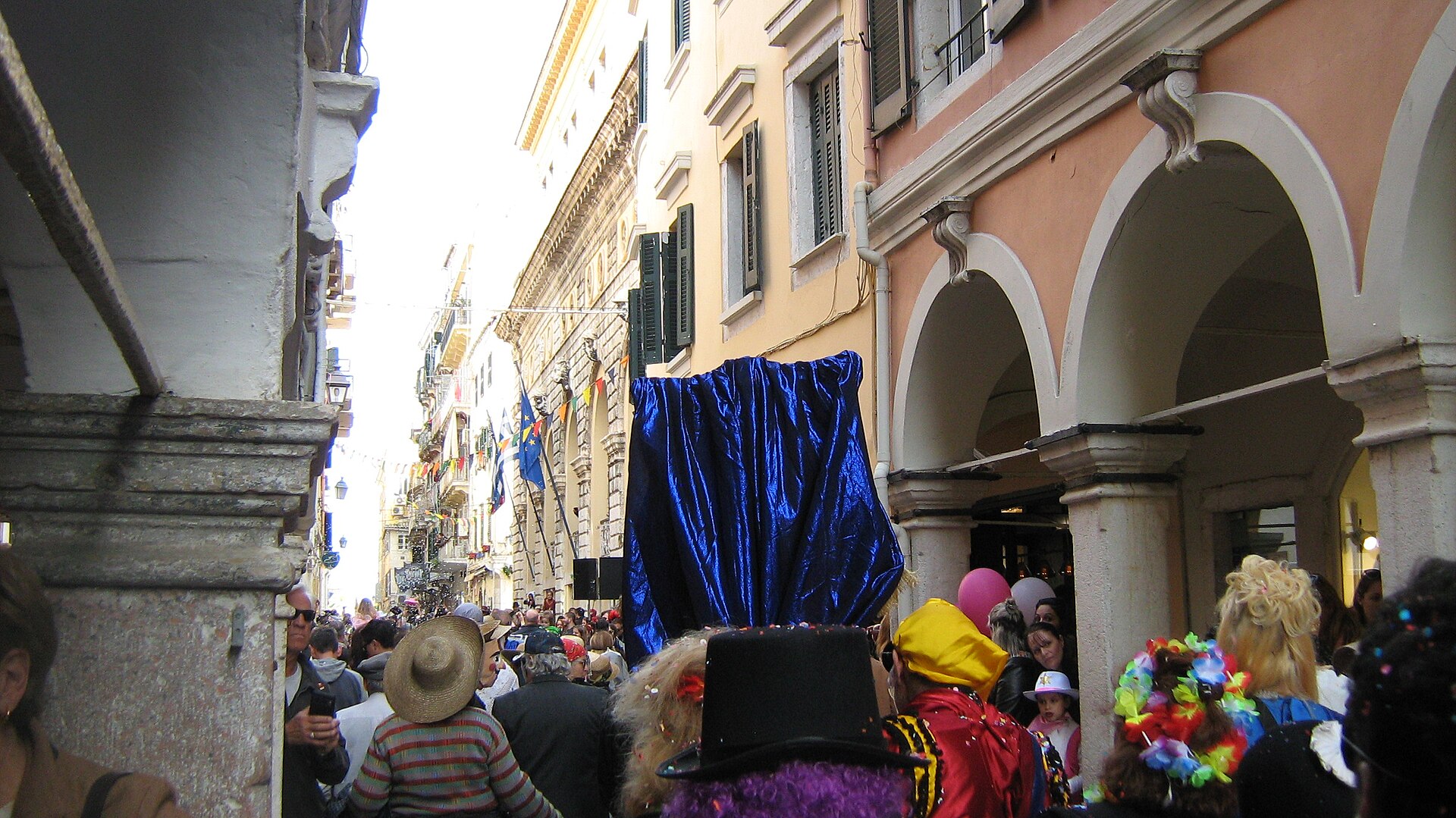
Corfu sits in the Ionian Sea closer to Albania than to Athens, and that geography explains almost everything about it. The Old Town's arcaded Liston promenade was modelled on the Rue de Rivoli; the twin-peaked Old Citadel rises from an artificial islet built by Venetians; the church bells that ring across the rooftops belong to Saint Spyridon, the island's patron, whose silver reliquary draws steady lines of the faithful.
This is a Greek island that never fell to the Ottomans — its string of fortresses held — and four centuries of Venetian rule left behind a particular kind of layered, European-feeling town unlike anywhere else in the Aegean.
💛 What travellers fall for
People who come back tend to anchor in Corfu Town rather than the beach resorts, and they learn to reach Paleokastritsa early — the monastery and the coves below it belong to a different hour before the day-trippers arrive. The bus network is cheap and surprisingly useful for the main routes.
How Corfu came to be
Corinthian colonists arrived around 730 BC, and within a century Corfu had fought what historians record as the first naval battle in Greek history — against Corinth itself, in 665 BC. The island changed hands repeatedly across the centuries: Goths destroyed the ancient city in 562 CE, and Venice absorbed Corfu in 1386, holding it for four centuries and leaving the fortresses, the architecture, and the street plan that still define the town.
Napoleon ended Venetian rule in 1797, and the British followed in 1815, founding Greece's first university here in 1824. On 21 May 1864, the Ionian Islands were ceded to King George I. Ioannis Kapodistrias, born on the island in 1776, had by then already served as Greece's first Governor — and been assassinated — thirty years before unification.
Who and what shaped it
People who shaped it
Landmark buildings
See Corfu in motion
Plan your visit
On the map
When to go
Summers are long, dry, and hot, with July and August the most crowded and the most reliably sunny. Spring (April–May) and early autumn (September–October) offer warm days, quieter roads, and the island at something closer to its own pace; winters are mild but wet.
Right now
Background & history adapted from Wikipedia (CC BY-SA) · specs from Wikidata (CC0) · weather from Open-Meteo · map data © OpenStreetMap contributors · photos from Wikimedia Commons / Unsplash with per-image credit. No third-party reviews or social posts reproduced.