
Thessaloniki
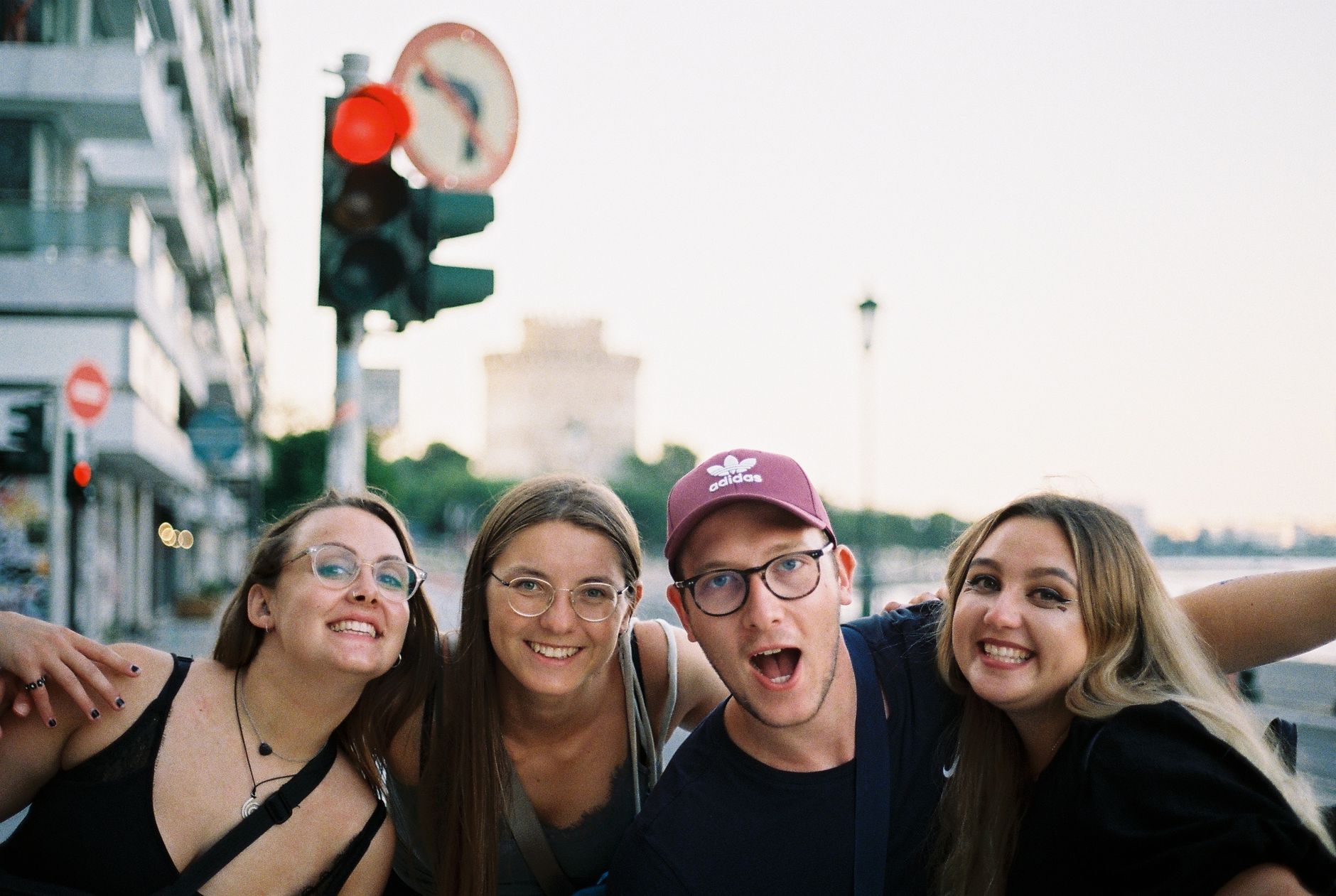
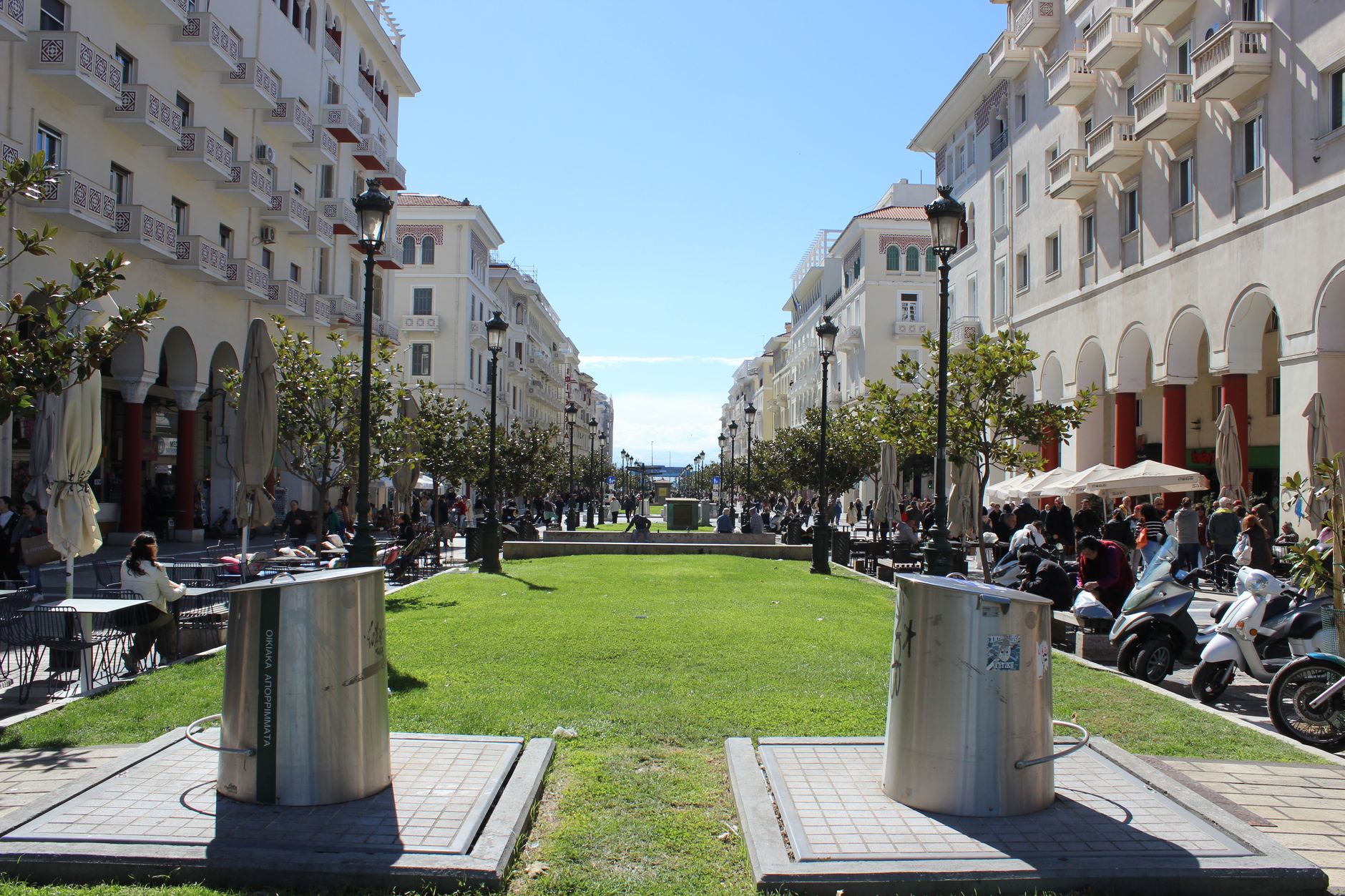
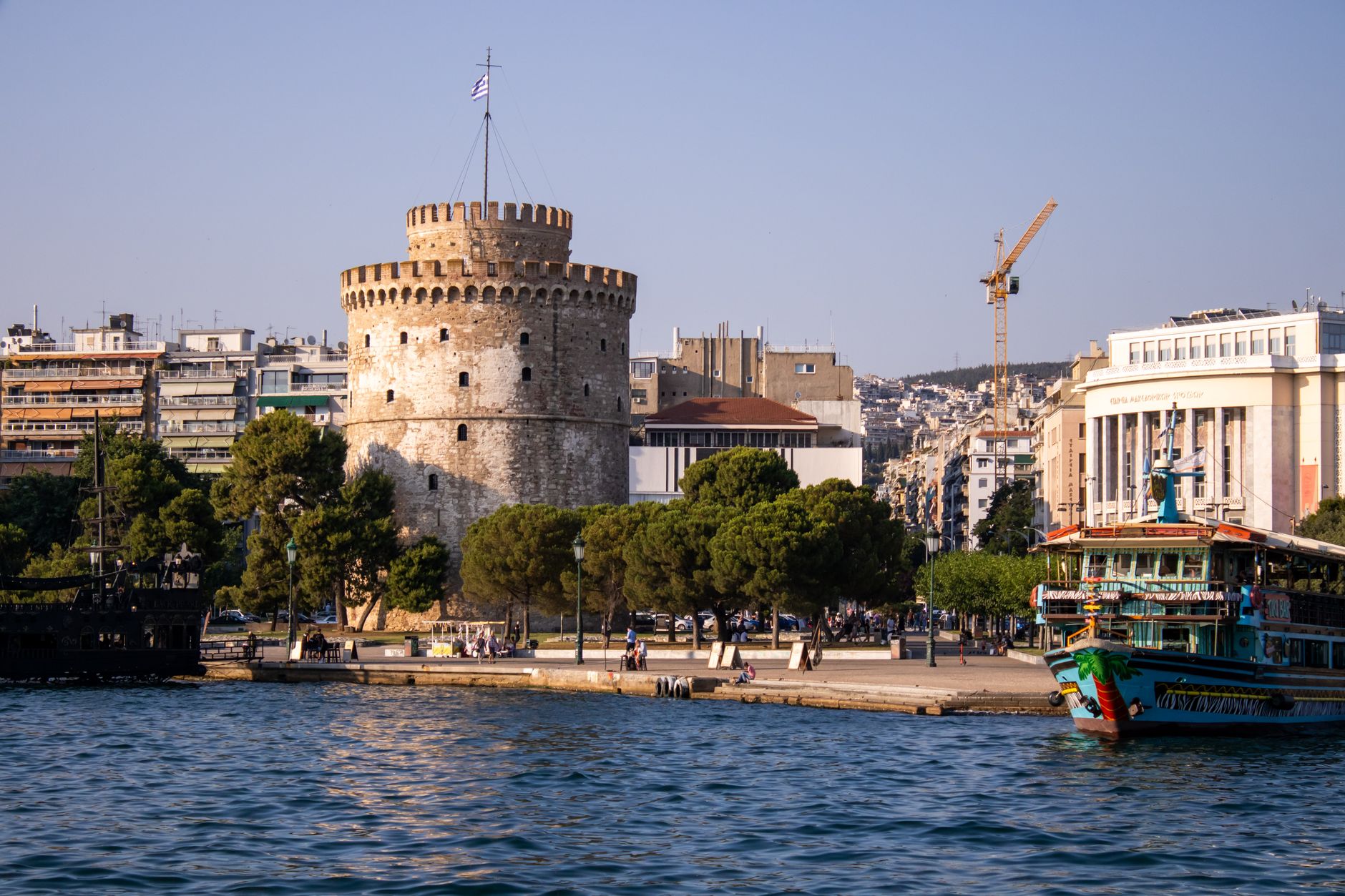
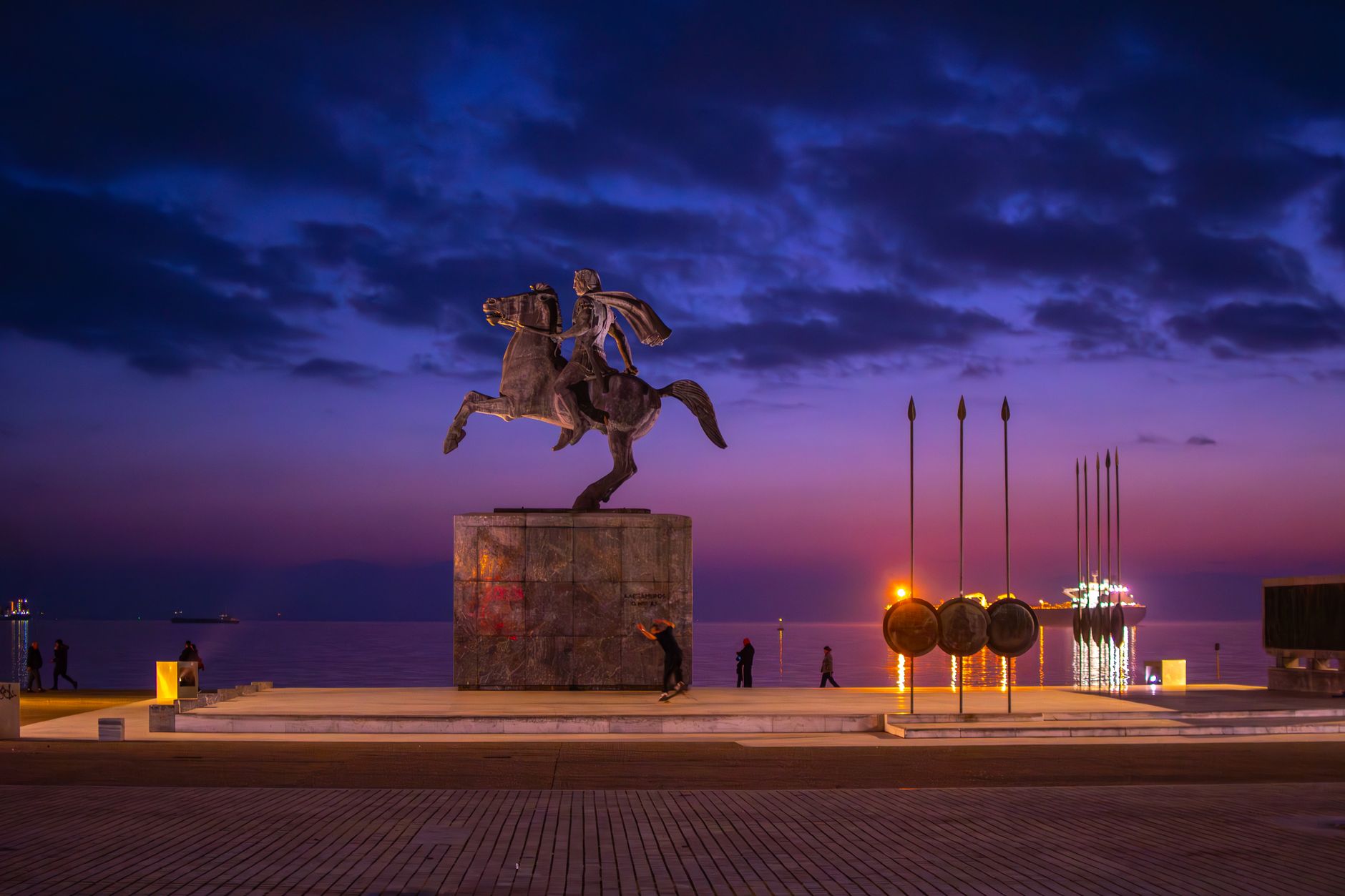
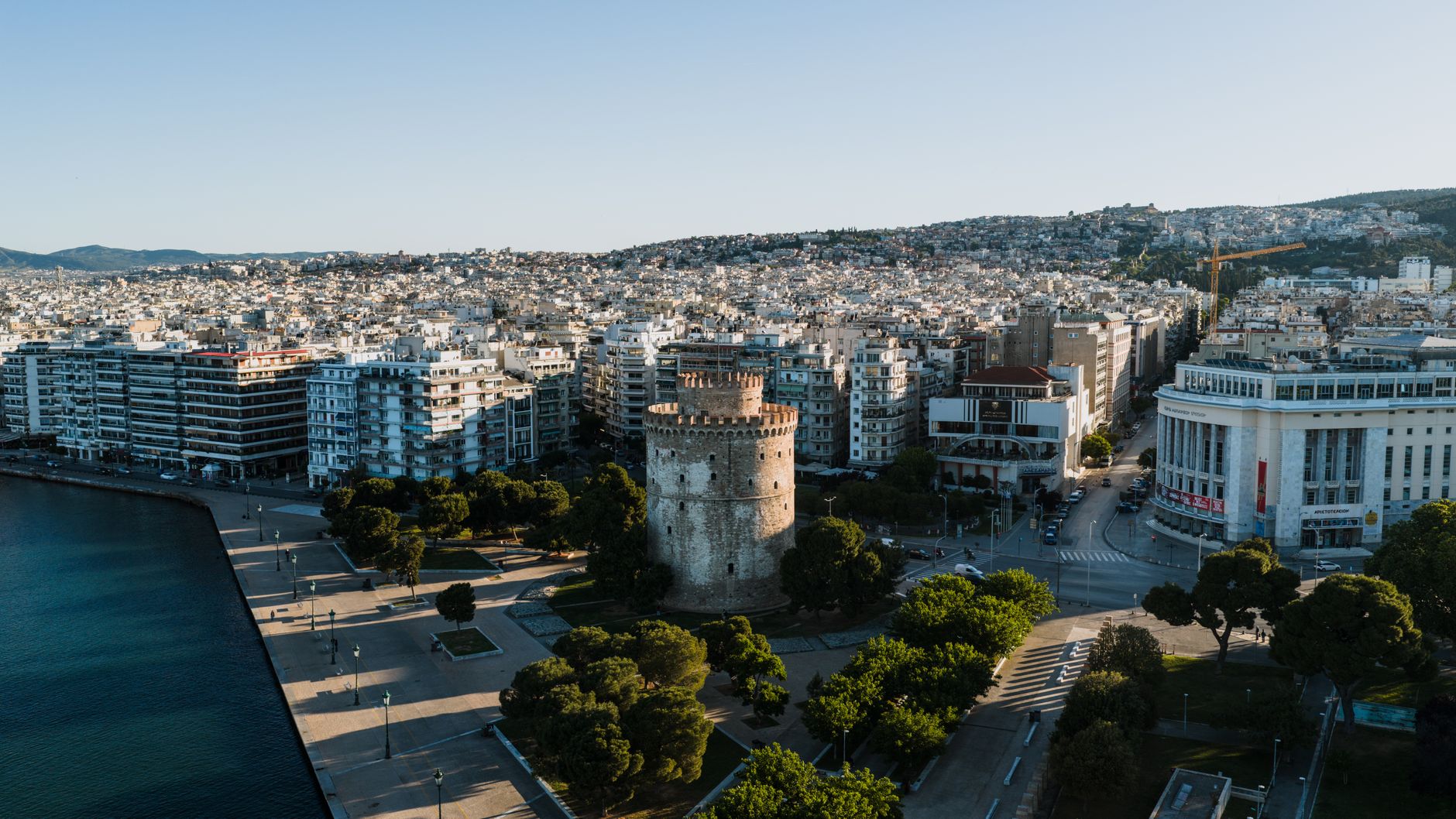

Thessaloniki earns its reputation on the street, not on a page. Walk the waterfront promenade at dusk and the White Tower — once a prison known as the Tower of Blood — stands at the water's edge with a matter-of-fact weight that no photograph quite captures. The city has been Roman capital, Byzantine second city, Ottoman stronghold, and the birthplace of Atatürk, and it carries those layers without making a fuss about them.
The 1917 fire wiped out most of the old centre, and the rebuilt grid — wide avenues drawn up by French architect Ernest Hébrard — gives the city a certain spaciousness. Within it you'll find fifteen UNESCO-listed early Christian and Byzantine monuments, a renovated 1930s food hall, and a metro system that only opened in late 2024.
💛 What travellers fall for
People who come back tend to do it for the food and the pace. The Modiano market rewards an early arrival before the lunch crowd fills it. Bus No. 50 Cultural Route is genuinely useful for a first morning — a single €0.60 ticket, departures from 9:30, and it threads past most of the major monuments without any planning on your part.
How Thessaloniki came to be
Cassander of Macedon founded the city in 315 BC, naming it after his wife Thessalonike — herself a daughter of Philip II and sister of Alexander the Great. Rome made it the capital of the province of Macedonia in 128 BC, and by the late third century AD it was one of the seats of Diocletian's Tetrarchy. The Arch of Galerius and the Rotunda both date from this period.
The Byzantine centuries left fifteen monuments that now sit on the UNESCO World Heritage List, including the eighth-century Church of Agia Sofia. The Ottomans took the city in 1430 and held it for nearly five hundred years, building the Bey Hammam in 1444 and leaving a distinct architectural imprint. The Great Fire of 1917 destroyed much of the historic centre; the rebuilt city is largely what you see today.
Who and what shaped it
People who shaped it
Landmark buildings
See Thessaloniki in motion
Plan your visit
On the map
When to go
Summers are hot and dry, with July and August regularly above 32°C — the waterfront catches a breeze, but midday sightseeing is tiring. Spring (April–May) and autumn (September–October) offer mild temperatures and fewer crowds; winters are cool and occasionally wet, but rarely severe.
Right now
Background & history adapted from Wikipedia (CC BY-SA) · specs from Wikidata (CC0) · weather from Open-Meteo · map data © OpenStreetMap contributors · photos from Wikimedia Commons / Unsplash with per-image credit. No third-party reviews or social posts reproduced.