
Olympia
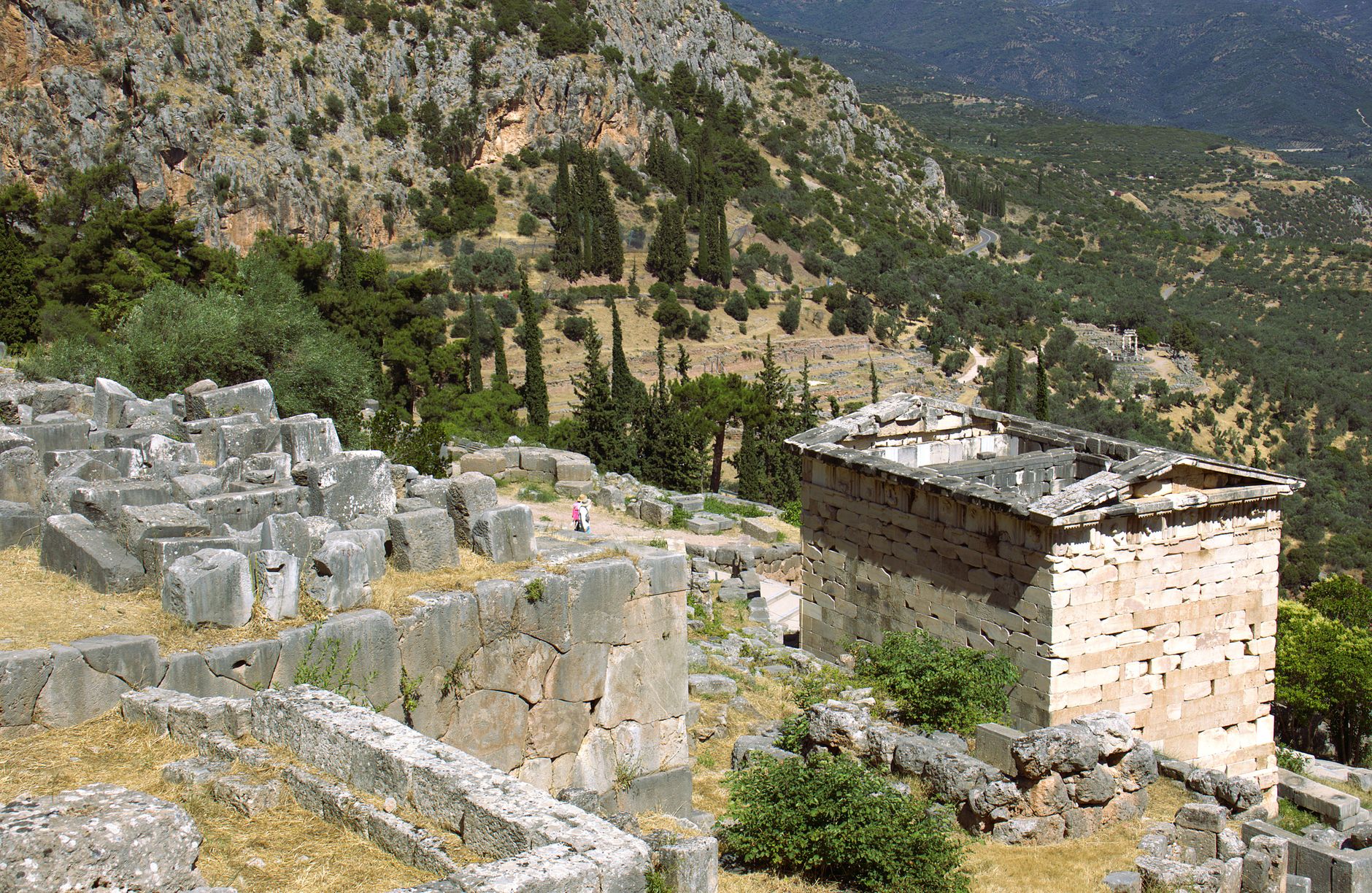

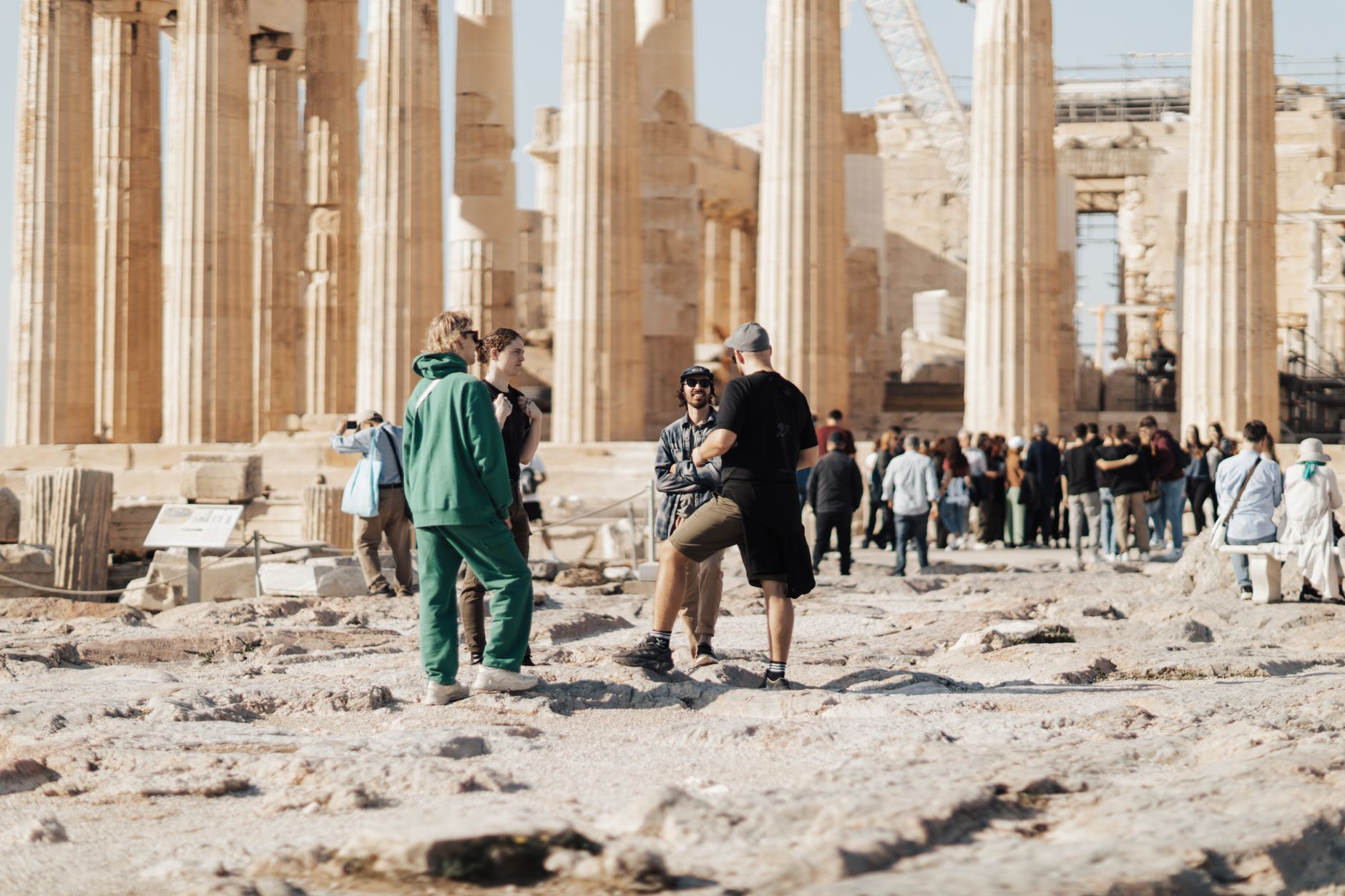
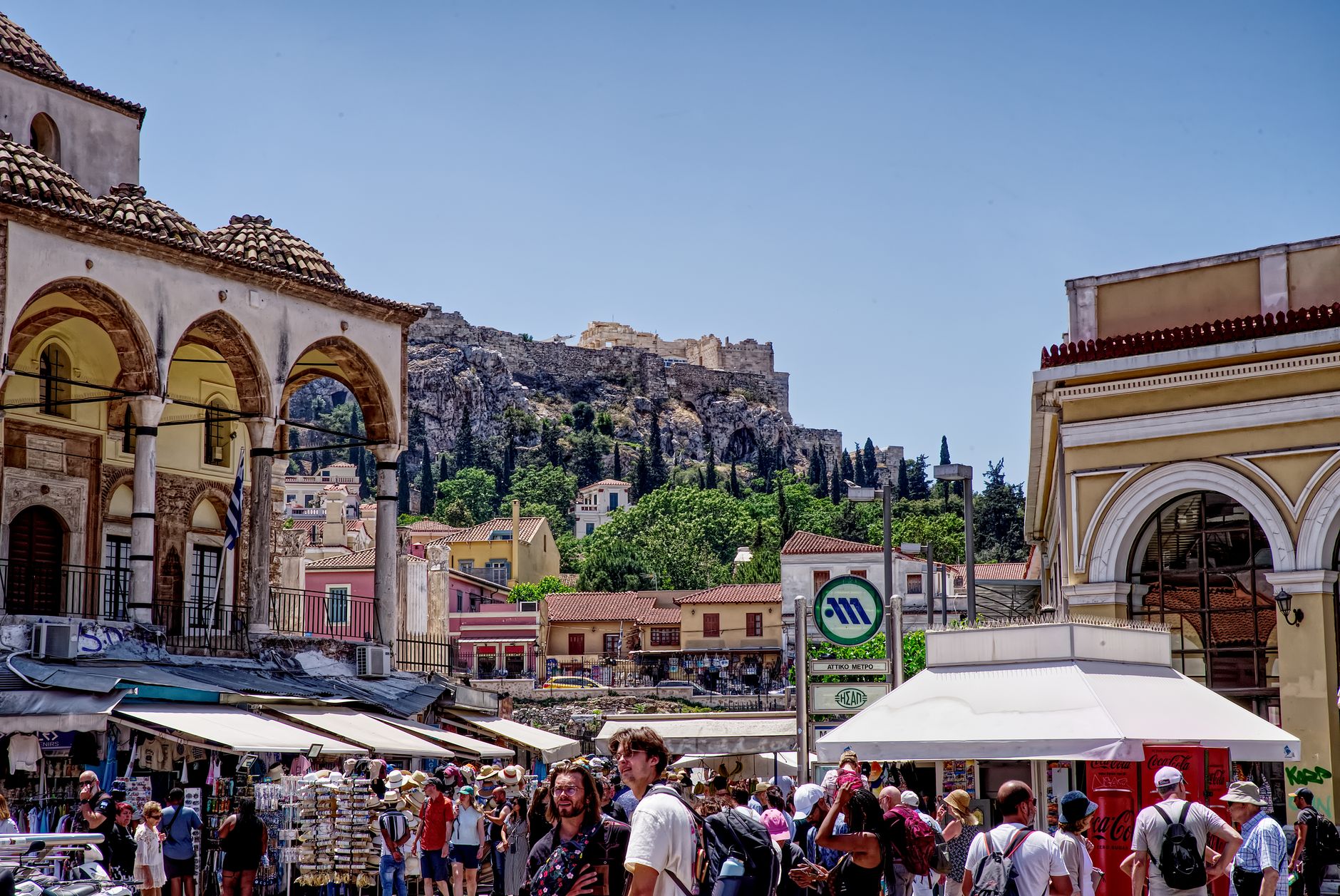
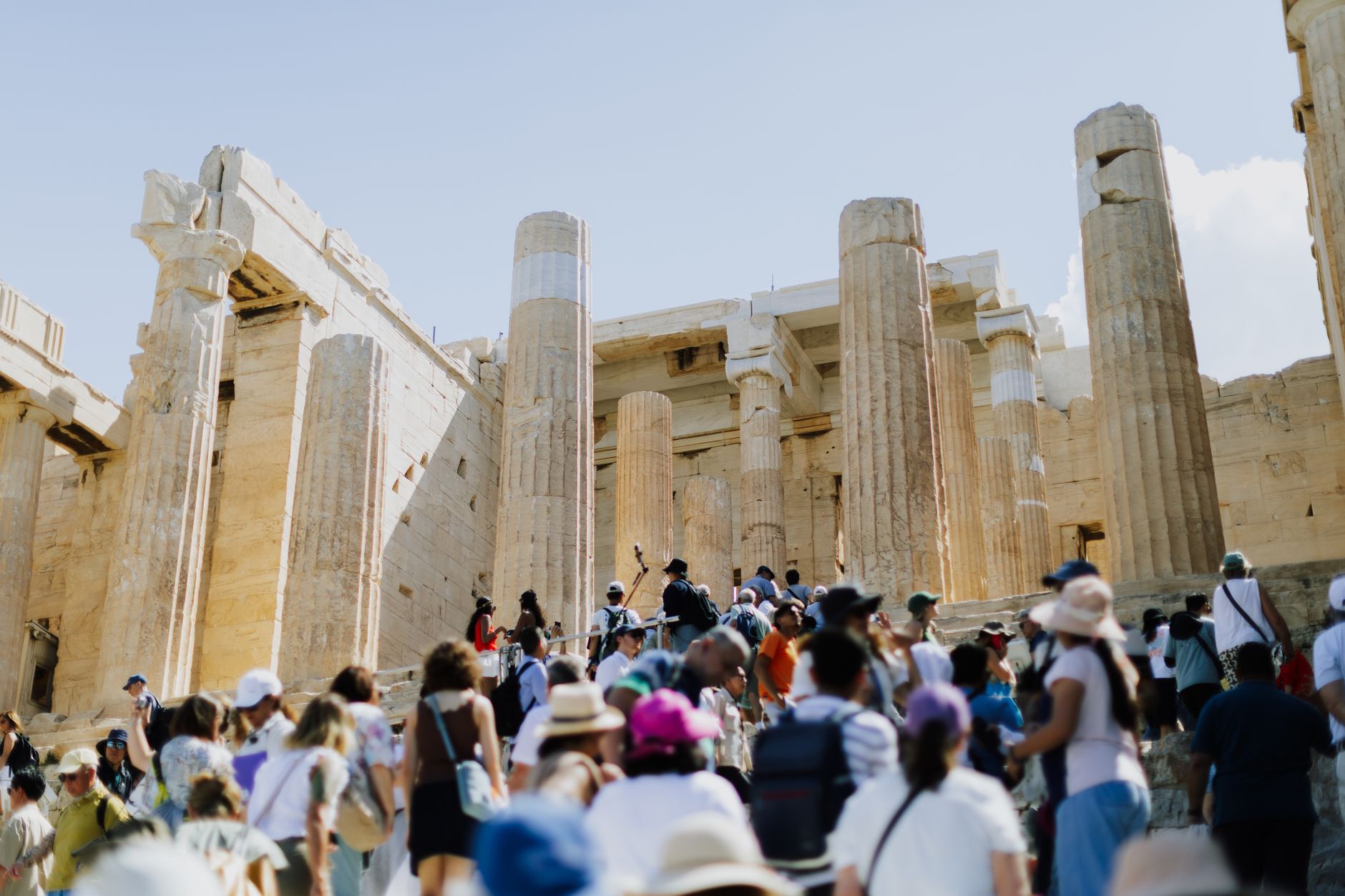
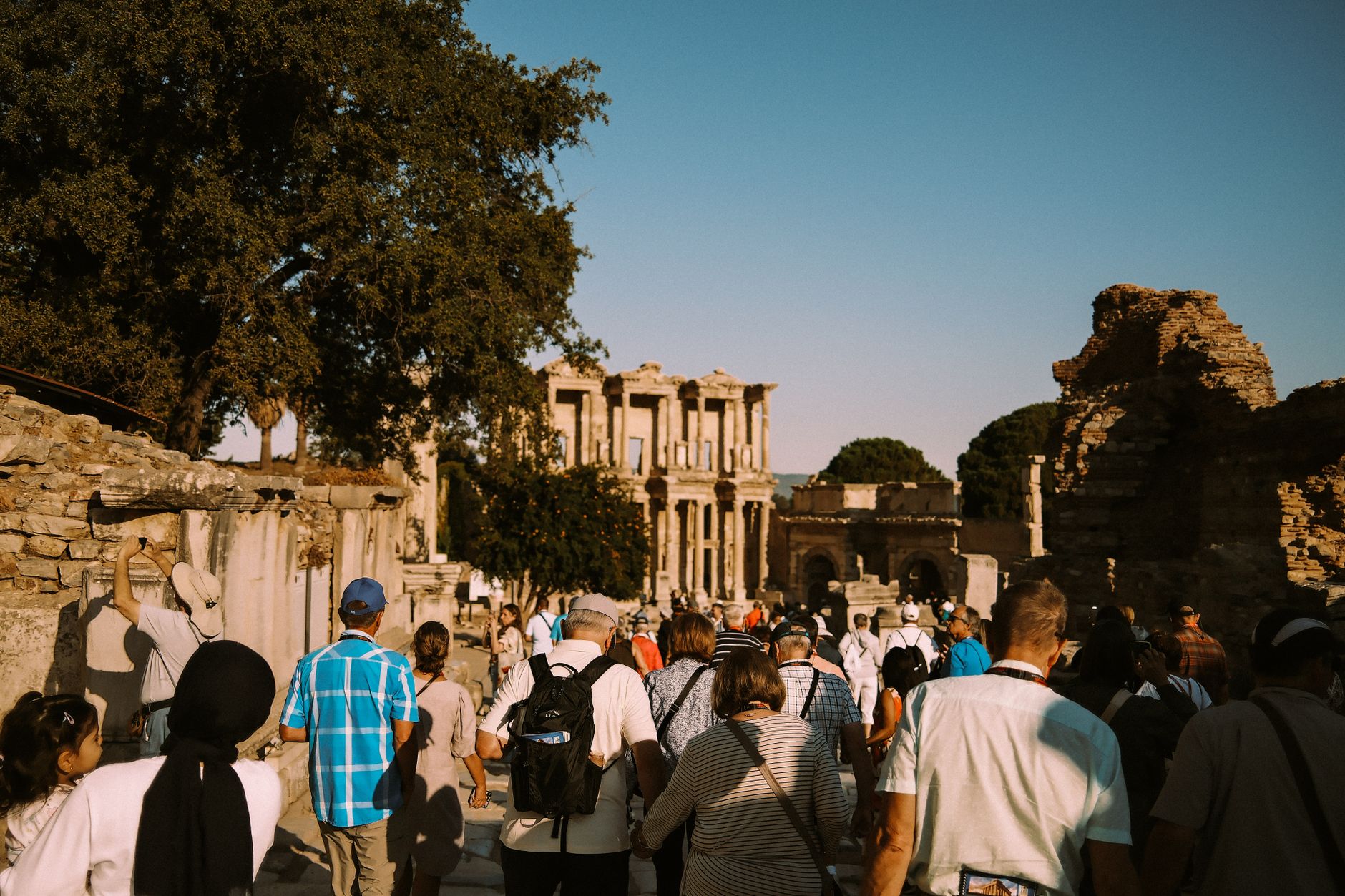
The ancient Greeks measured distance in Olympic feet, and the stadium at Olympia still runs exactly 600 of them — 191.78 metres of packed earth where athletes competed every four years from 776 BCE onward. That continuity is what stops you short. This is not a ruin in the abstract sense; it is a specific, long-used place, its sanctuary dedicated to Zeus, its grounds once crowded with 40,000 spectators watching events the whole Greek world paused for.
Olympia sits in the western Peloponnese at the confluence of the Alpheios and Kladeos rivers, a valley of pine and olive that swallowed the site entirely for roughly a thousand years before it was rediscovered in 1776. A single ticket covers the archaeological site and four museums, giving you the full arc of what happened here and why it still matters.
How Olympia came to be
The sanctuary at Olympia goes back to around 1000 BCE, though human presence in the valley dates to 2000–1600 BCE. By the 10th century BCE it had become a centre for the worship of Zeus, and the first recorded Olympic Games were held in 776 BCE. The Temple of Hera, built around 650–600 BCE, is the oldest surviving structure on site; the Temple of Zeus, designed by Libon of Elis and completed in 457 BCE, once housed Pheidias's 12-metre gold-and-ivory statue of Zeus — one of the Seven Wonders of the ancient world. Pheidias's own workshop, where that statue was made, is still identifiable on the grounds.
In 393 CE, the emperor Theodosius I banned the Games and ordered the sanctuary destroyed. An earthquake in 551 CE brought down what remained, and the rivers finished the work, burying the site under silt for over a millennium. French excavators broke ground in 1829; systematic work began with a German team in 1875. UNESCO inscribed the site in 1989. Pierre de Coubertin, who revived the modern Olympics, asked that his heart be buried here — and it was.
Who and what shaped it
People who shaped it
Landmark buildings
See Olympia in motion
Plan your visit
On the map
When to go
Spring (April–May) and autumn (September–October) offer the most comfortable conditions — warm enough to walk the site at length without the punishing heat of July and August, when temperatures regularly exceed 35°C. Winter visits are quiet and cool, occasionally rainy, but the reduced crowds and half-price tickets make them worth considering.
Right now
Background & history adapted from Wikipedia (CC BY-SA) · specs from Wikidata (CC0) · weather from Open-Meteo · map data © OpenStreetMap contributors · photos from Wikimedia Commons / Unsplash with per-image credit. No third-party reviews or social posts reproduced.