
Crete
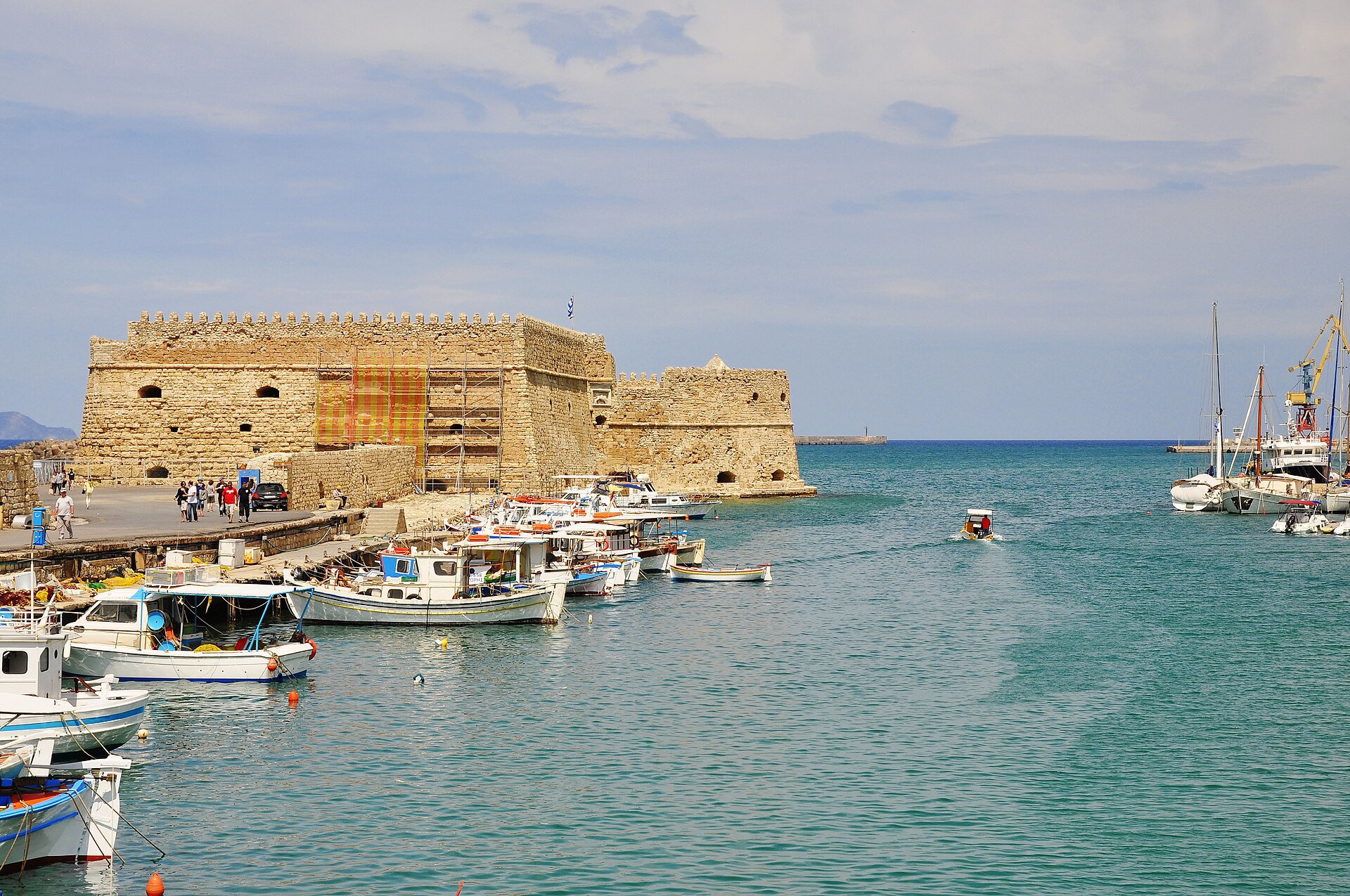
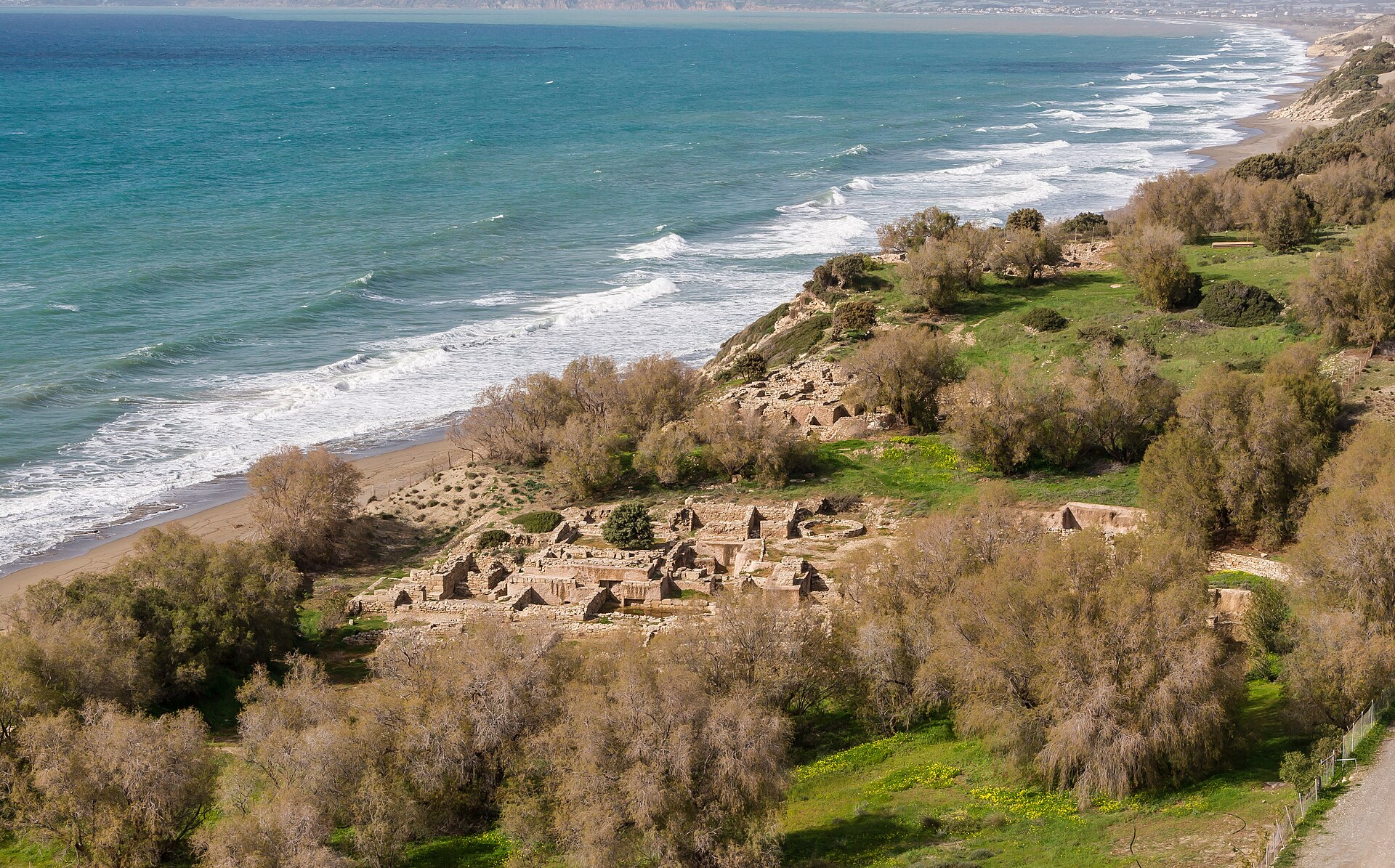
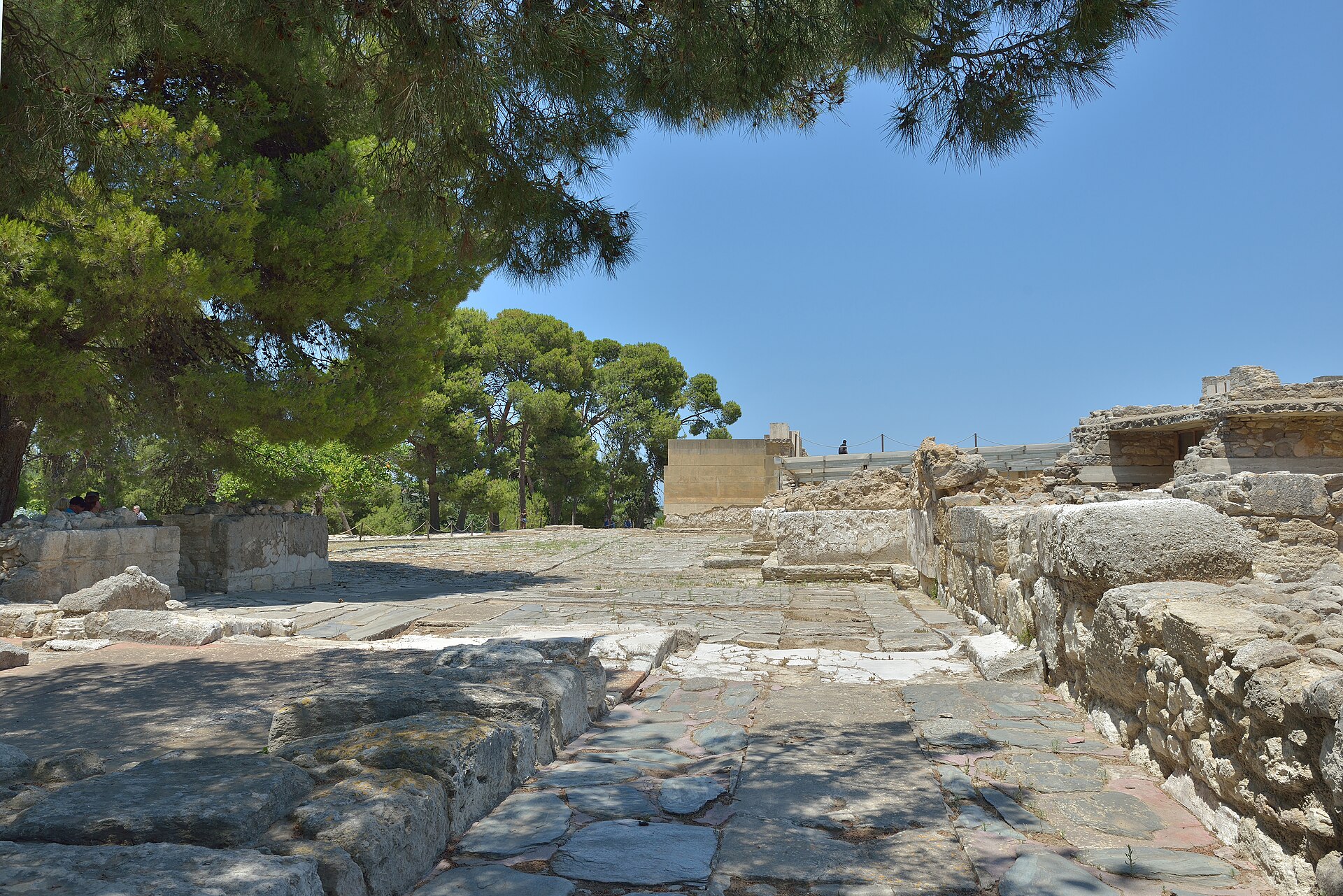
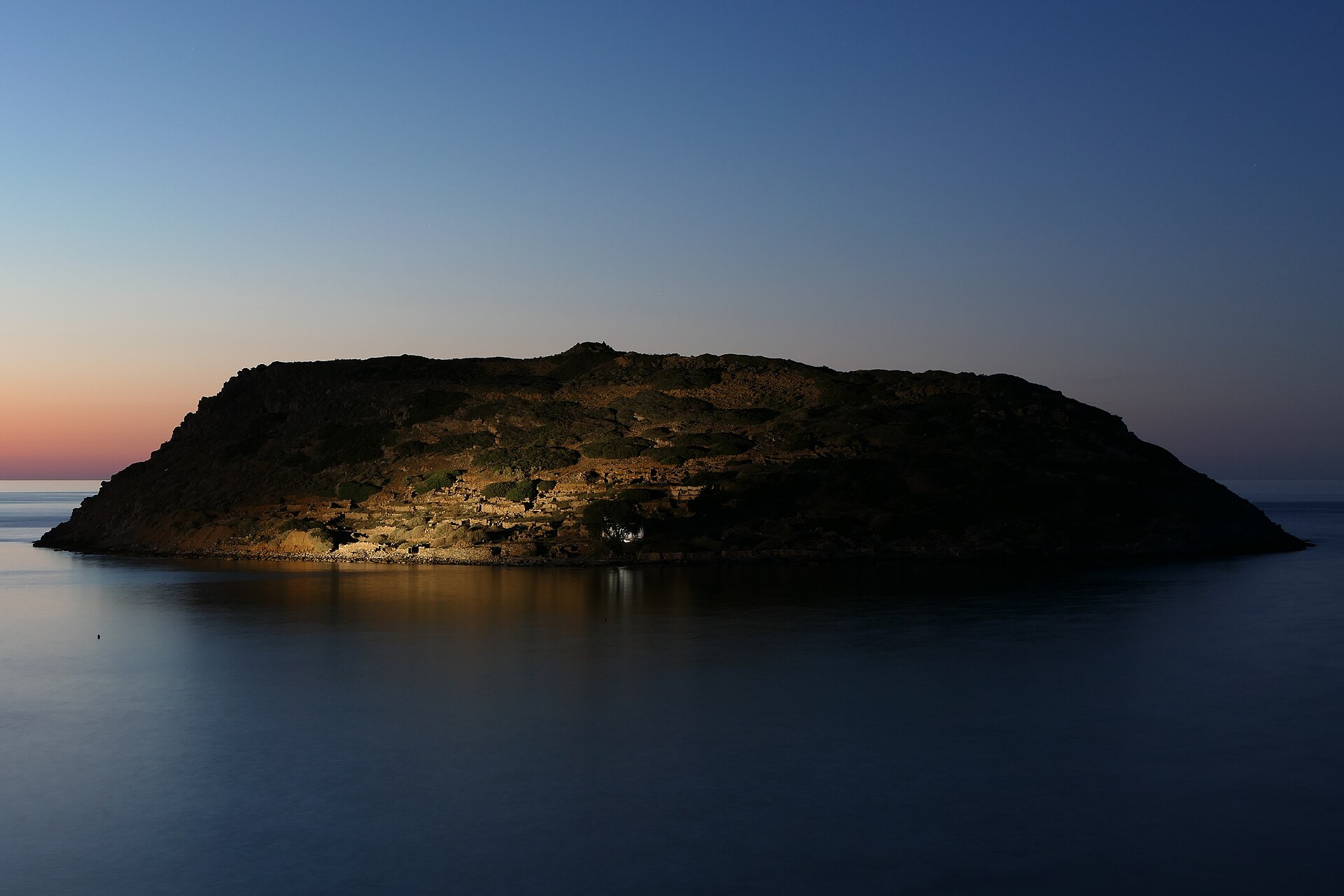
Crete runs for 260 kilometres east to west and still manages to feel like several different islands depending on where you land. The north coast has the ports, the airports, the Venetian harbours and the archaeological weight of Knossos; the south coast drops into the Libyan Sea with almost nothing between you and the water. What holds it together is a particular Cretan seriousness — about food, about hospitality, about the fact that this island was already old when Athens was young.
The six Minoan palatial centres, inscribed on the UNESCO World Heritage List in 2025, are the obvious anchor, but Crete layers its history densely: Roman Gortyn, Venetian fortresses, Ottoman minarets still standing in Rethymno's old town. You can spend two weeks here and feel you've barely started.
💛 What travellers fall for
People who come back tend to anchor themselves in one town rather than chasing the whole island — Chania for the harbour and the covered market, Rethymno for the Venetian streetplan, Heraklion for the Archaeological Museum where the Phaistos Disc sits behind glass, still undeciphered. Rent a car for at least two days; the mountain roads to the south coast repay the effort.
How Crete came to be
Stone tools found in south Crete in 2008–2009 push human presence back at least 130,000 years. By the 7th millennium BC there was already a settlement on the site where the palace of Knossos would eventually rise. The Minoan civilisation — named by British archaeologist Arthur Evans after the legendary king Minos — emerged around 2000 BCE and built the first advanced society in Europe, with palaces at Knossos, Phaistos, Malia, Zakros, Zominthos and Kydonia serving as its political and religious centres. A series of earthquakes and fires between 1500 and 1450 BCE ended it.
What followed was a long sequence of outside powers each leaving their mark: Rome made Gortyn the island's capital in 67 BCE; Venice arrived in 1204 and fortified the coastline; the Ottomans took control in 1669. El Greco, born on the island in the mid-16th century, carried something of Crete's Byzantine visual tradition into the studios of Venice and Toledo. Autonomy came in 1898 under the statesman Eleftherios Venizelos, and union with Greece in 1913. In May 1941, Crete became the site of the first large-scale airborne invasion in history, when 17,000 German paratroopers dropped onto the island's airfields in Operation Mercury.
Who and what shaped it
People who shaped it
Landmark buildings
See Crete in motion
Plan your visit
On the map
When to go
Summers are long, dry and genuinely hot, with July and August regularly exceeding 35°C on the northern plains. Spring (April–June) and autumn (September–October) are the most comfortable seasons for walking and sightseeing; winters are mild by northern European standards but can bring rain and wind, particularly in the mountains.
Right now
Background & history adapted from Wikipedia (CC BY-SA) · specs from Wikidata (CC0) · weather from Open-Meteo · map data © OpenStreetMap contributors · photos from Wikimedia Commons / Unsplash with per-image credit. No third-party reviews or social posts reproduced.