
Peloponnese
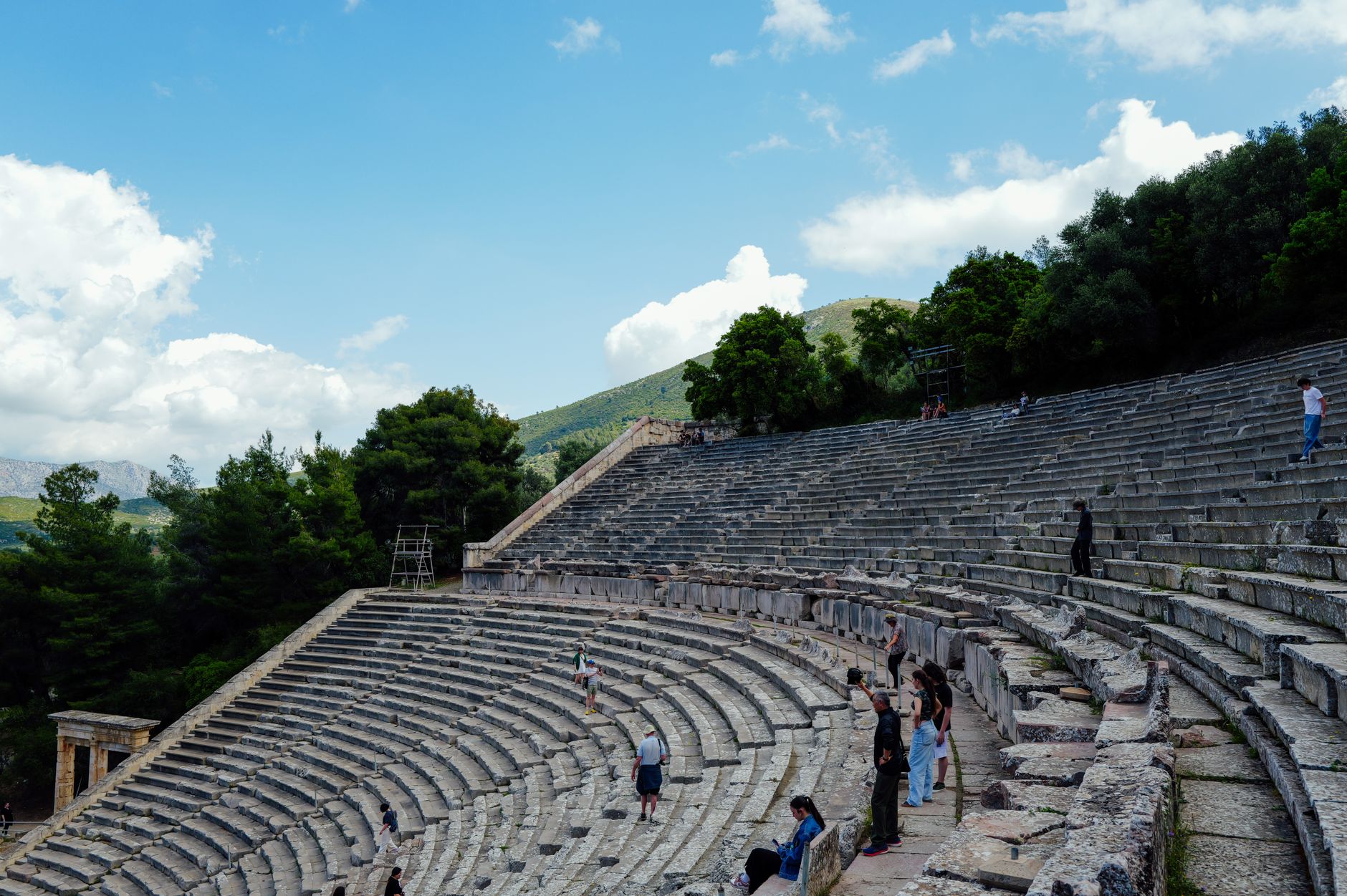
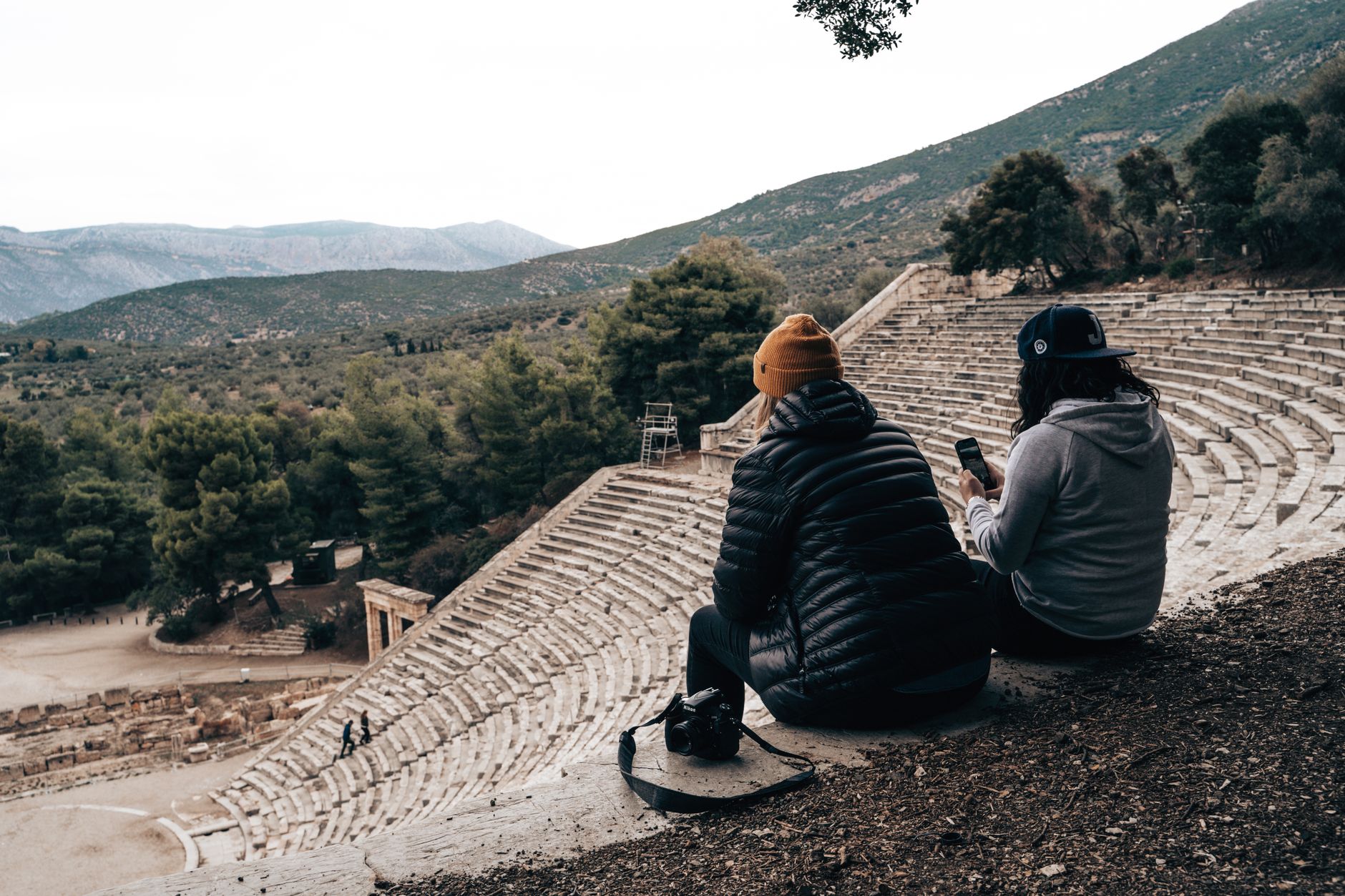
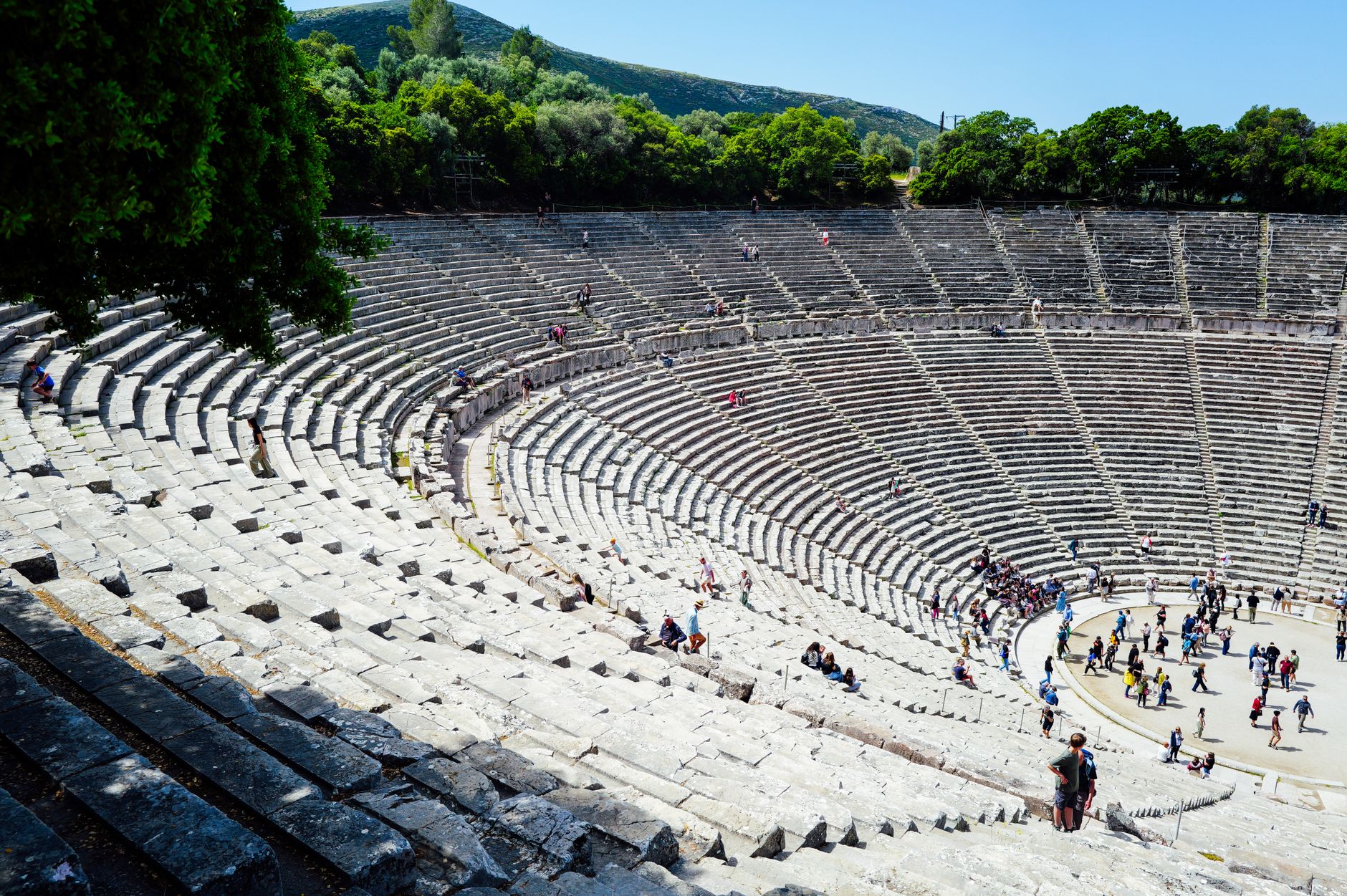
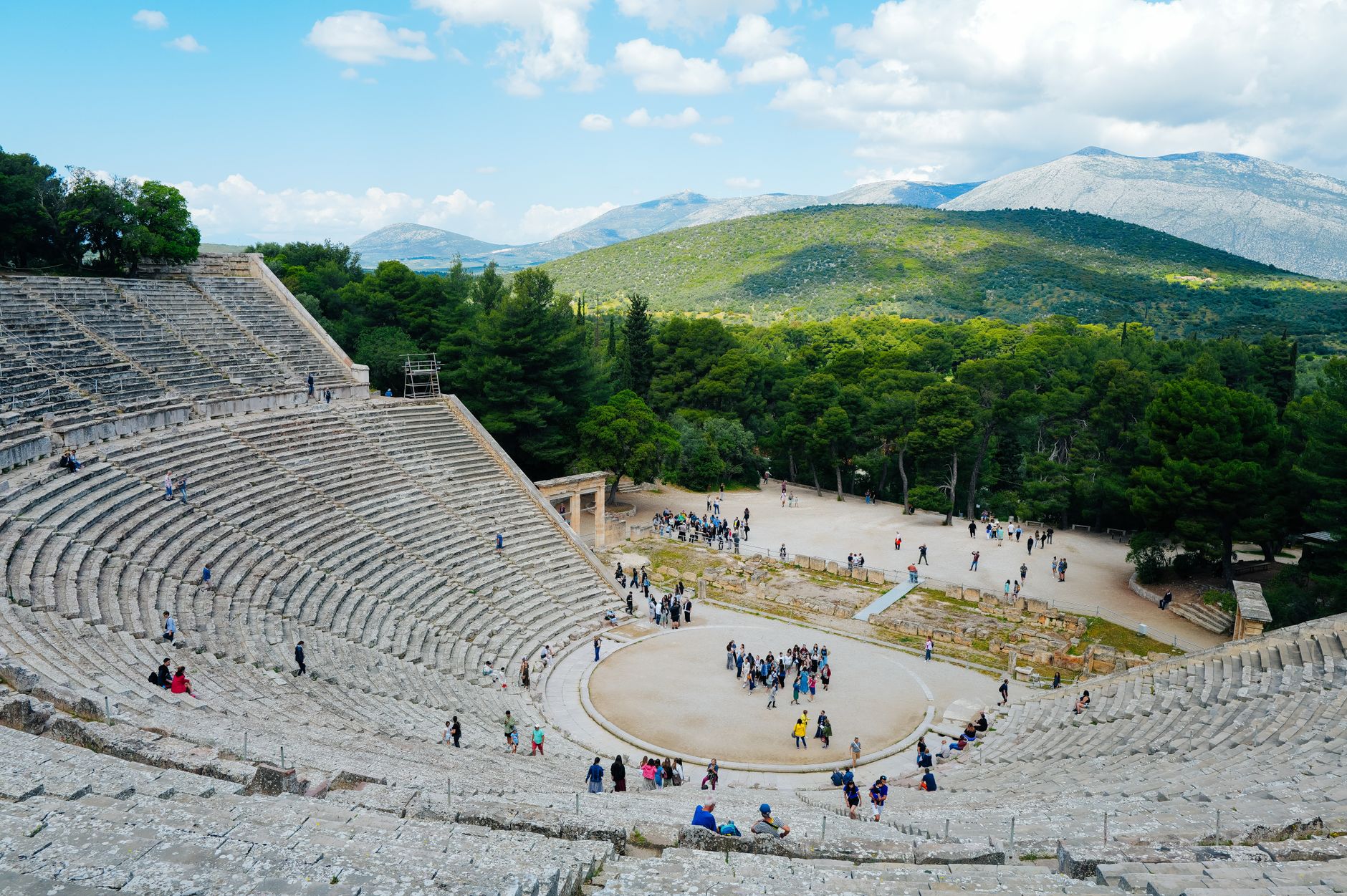
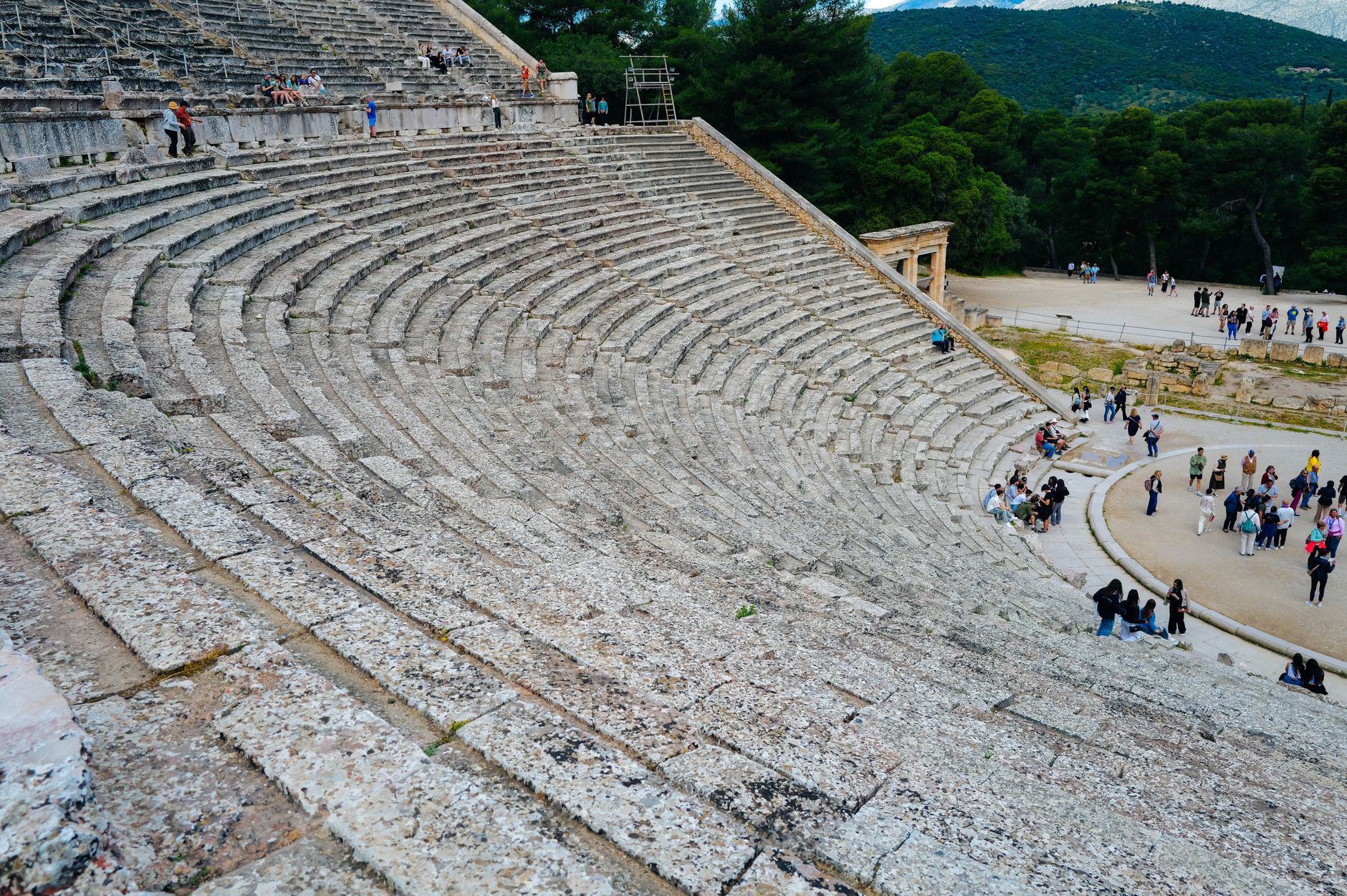
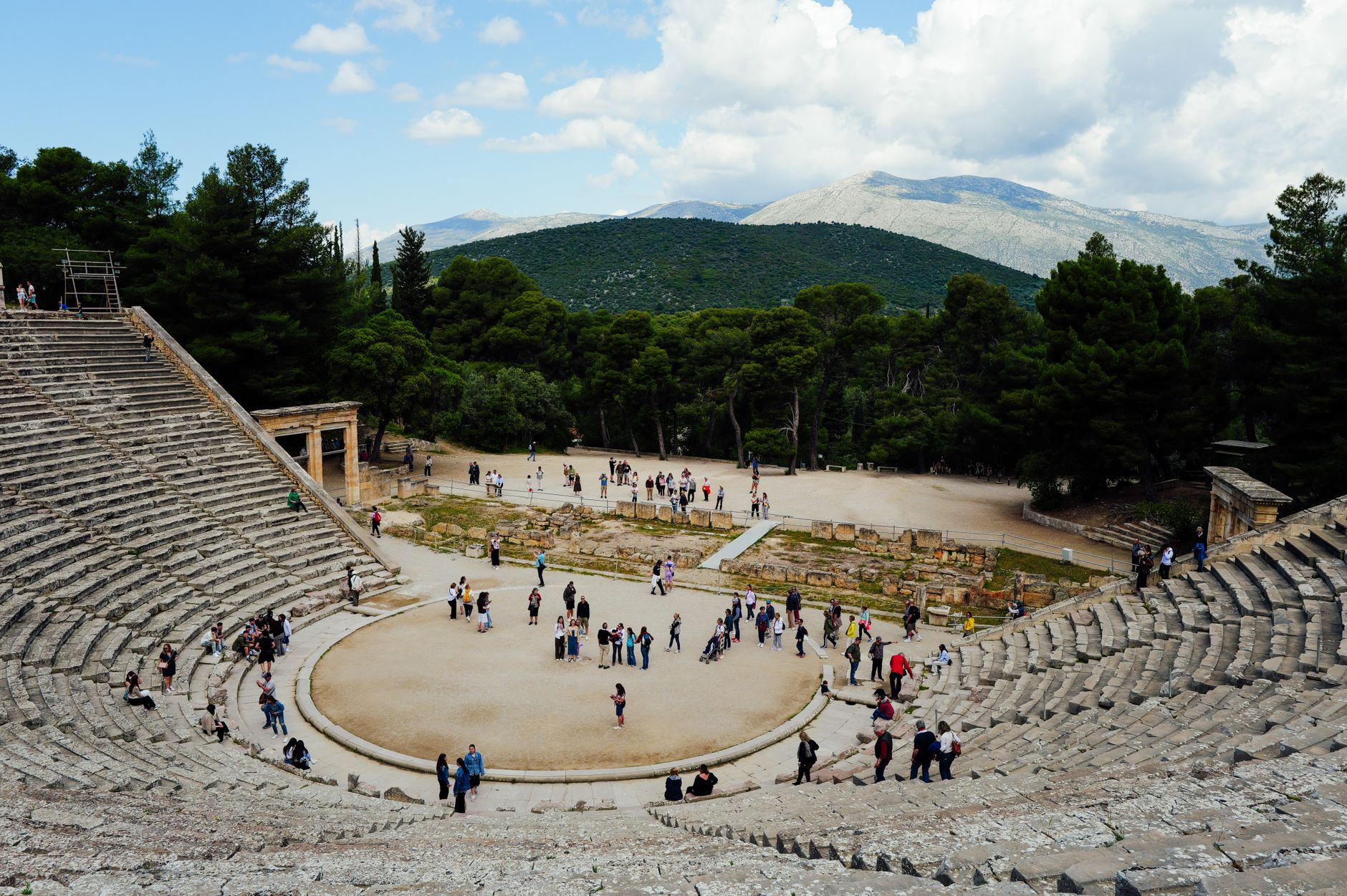
The Peloponnese hangs from the rest of Greece by the narrow thread of the Isthmus of Corinth, a peninsula that contains more layers of recorded history than most countries manage across their entire territory. Five UNESCO World Heritage Sites sit within its borders — Mycenae, Tiryns, Epidaurus, Olympia, Bassae — and that list barely accounts for the Byzantine ghost-city of Mystras, the Venetian sea-fortress at Methoni, or Nafplio, the small harbour town that briefly served as the first capital of modern Greece.
This is a region you move through slowly, on roads that climb into the Arcadian interior or trace the rocky coastline of the Mani. Each valley tends to hold something old.
💛 What travellers fall for
People who come back tend to anchor in Nafplio for a night or two — small enough to walk, well-placed for Mycenae and Epidaurus. The summer festival at the ancient theatre runs May through October; the acoustics there are not exaggerated. The Mani peninsula in the deep south rewards anyone who pushes past the obvious sites.
How Peloponnese came to be
Mycenaean civilisation — Europe's first — built its palace centres here between roughly 1700 and 1100 BCE: Mycenae, Pylos, Tiryns. The Lion Gate at Mycenae, raised between 1350 and 1250 BC, still marks the entrance to the citadel. The first Olympic Games were held at Olympia in 776 BC, a date that also marks the opening of the classical period. Sparta's dominance over the Peloponnesian League brought Athens to its knees in 404 BC.
The medieval centuries layered on Crusader, Byzantine, Ottoman and Venetian occupation in quick succession. In March 1821, the region's inhabitants declared war on the Ottomans — the opening move of the Greek War of Independence. When that war ended in 1832, the modern Greek state existed, with Nafplio as its first capital.
Who and what shaped it
People who shaped it
Landmark buildings
See Peloponnese in motion
Plan your visit
On the map
When to go
Summers are long, dry and genuinely hot, particularly inland and in the south. Spring and autumn bring mild temperatures, clear skies and fewer people at the major sites — the most comfortable seasons for covering ground.
Right now
Background & history adapted from Wikipedia (CC BY-SA) · specs from Wikidata (CC0) · weather from Open-Meteo · map data © OpenStreetMap contributors · photos from Wikimedia Commons / Unsplash with per-image credit. No third-party reviews or social posts reproduced.