
Santorini
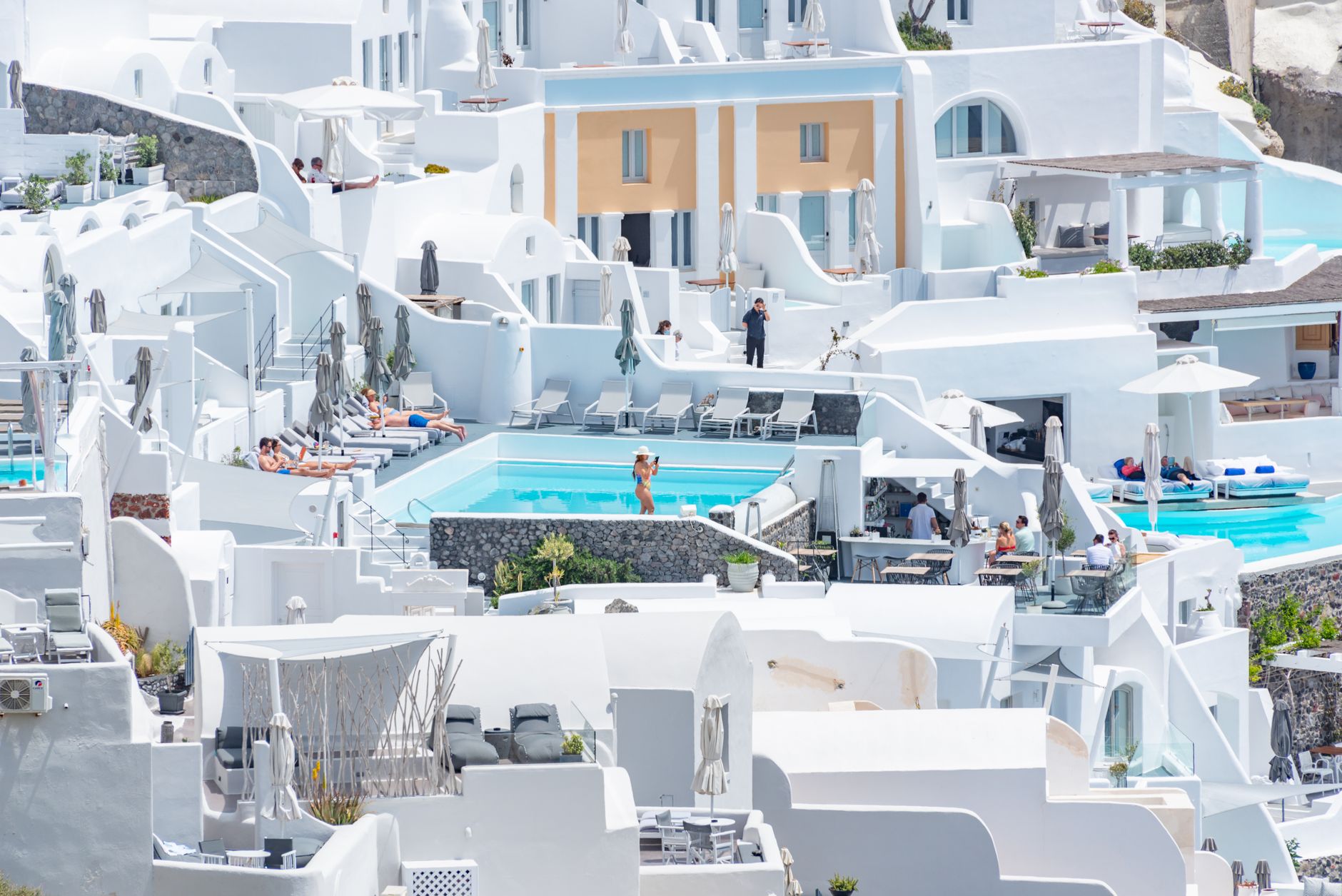
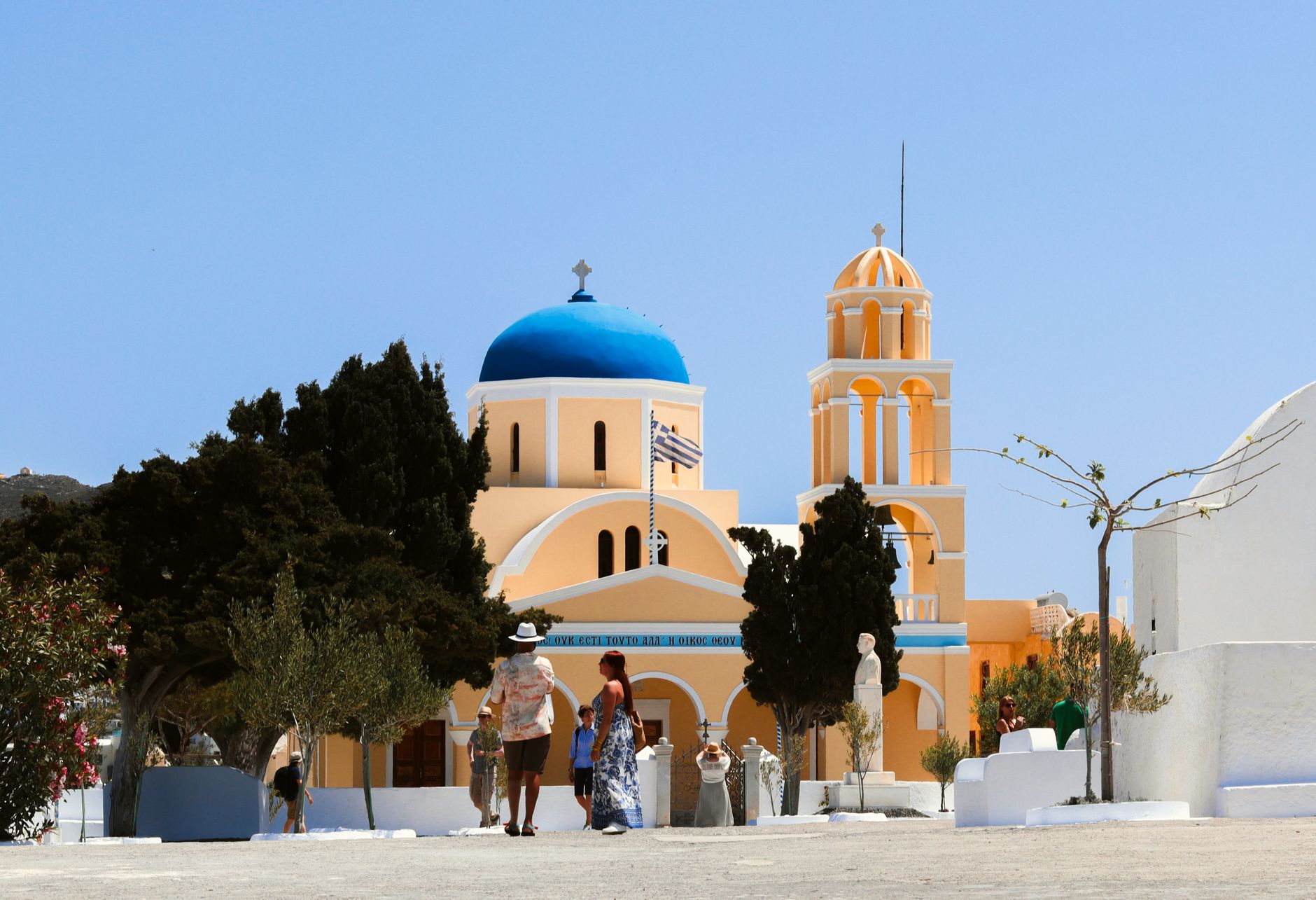
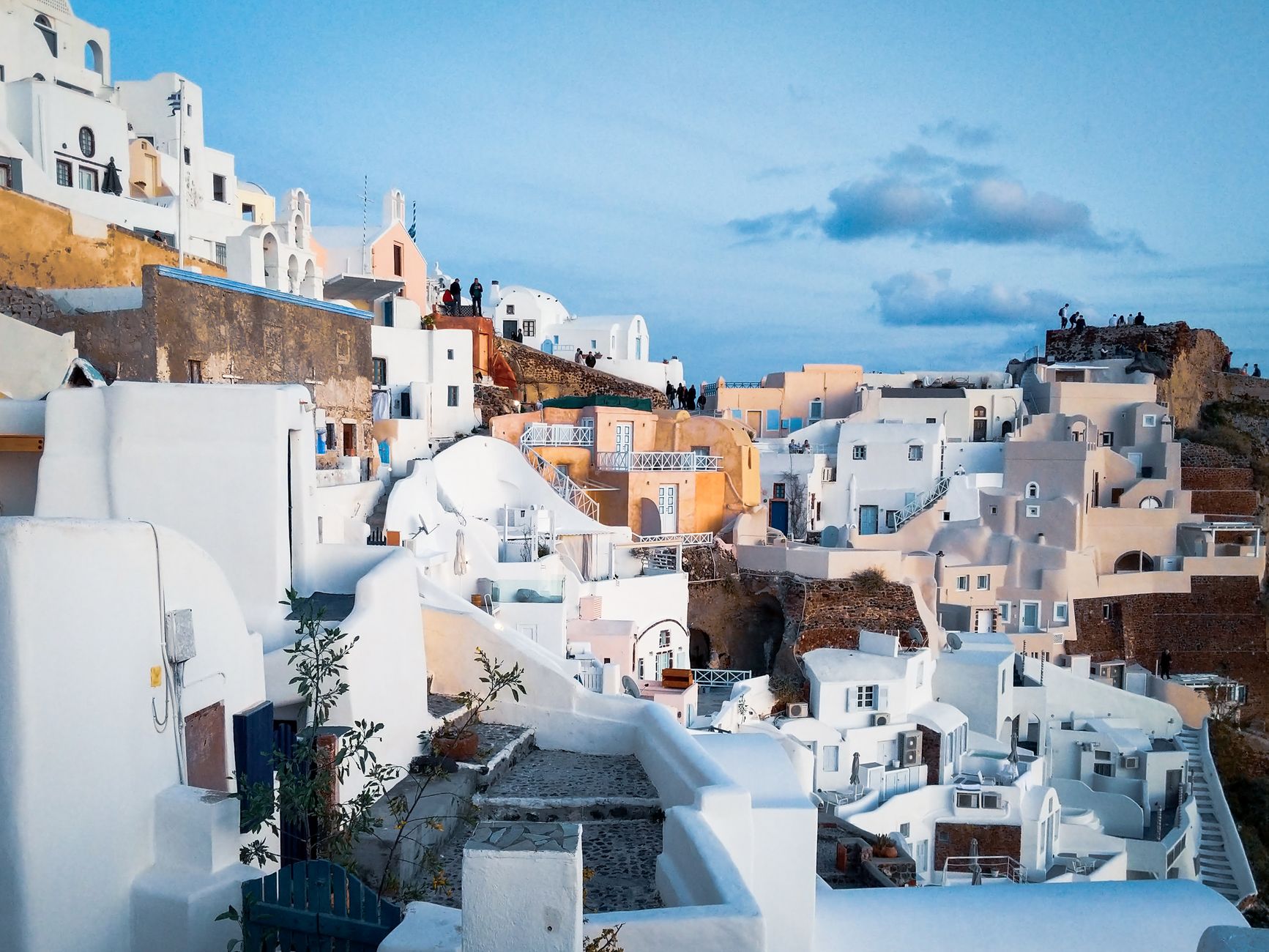
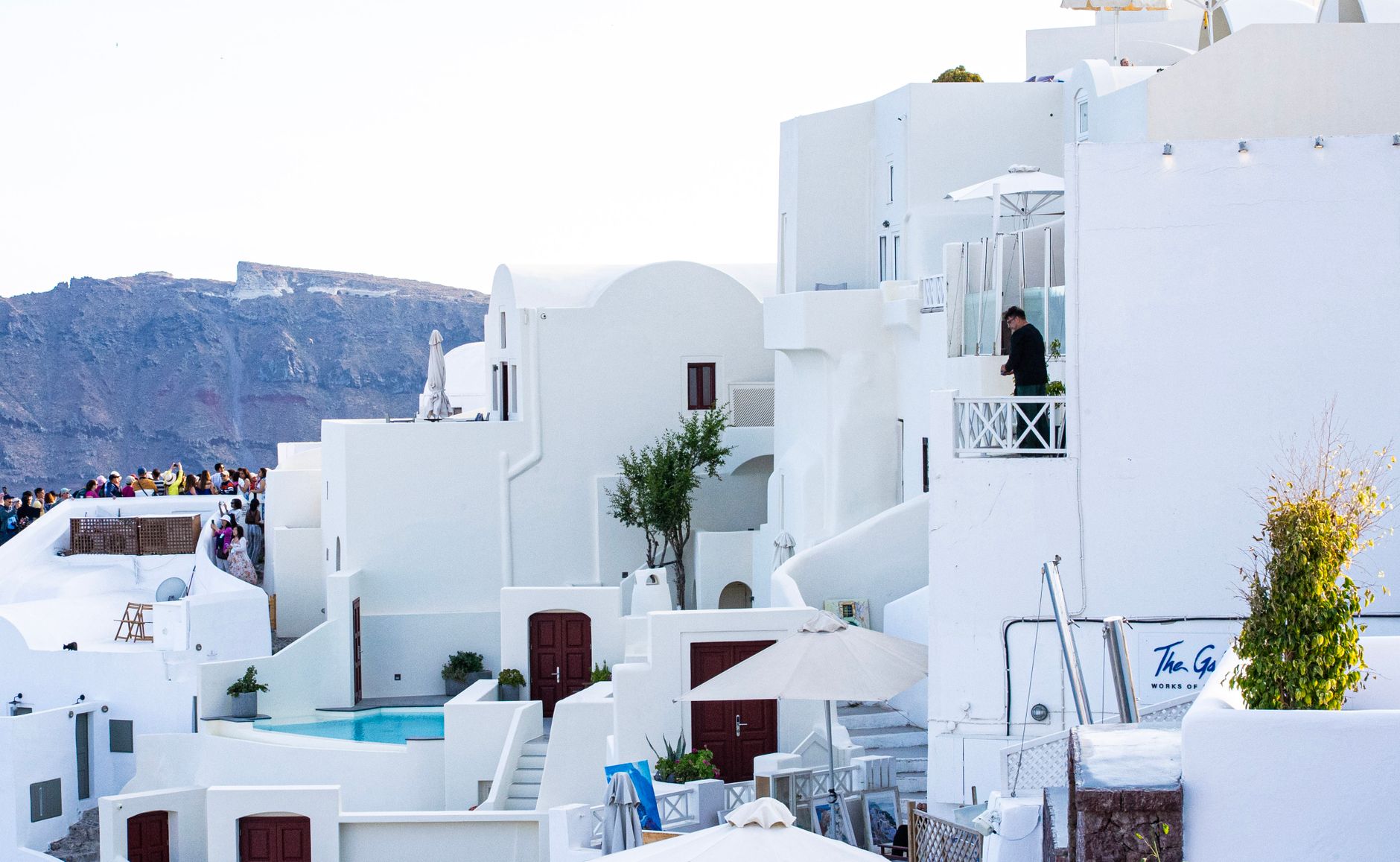
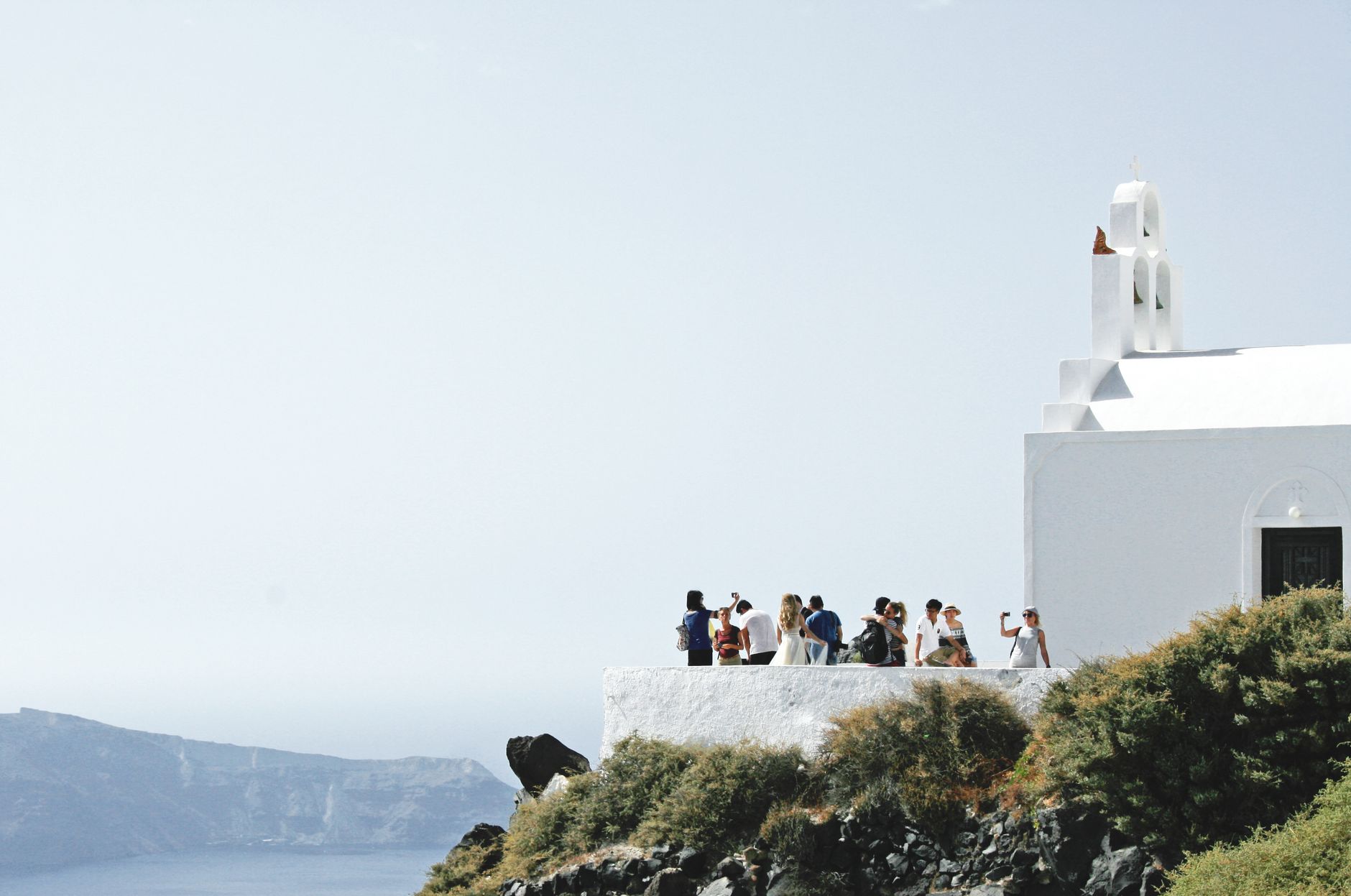
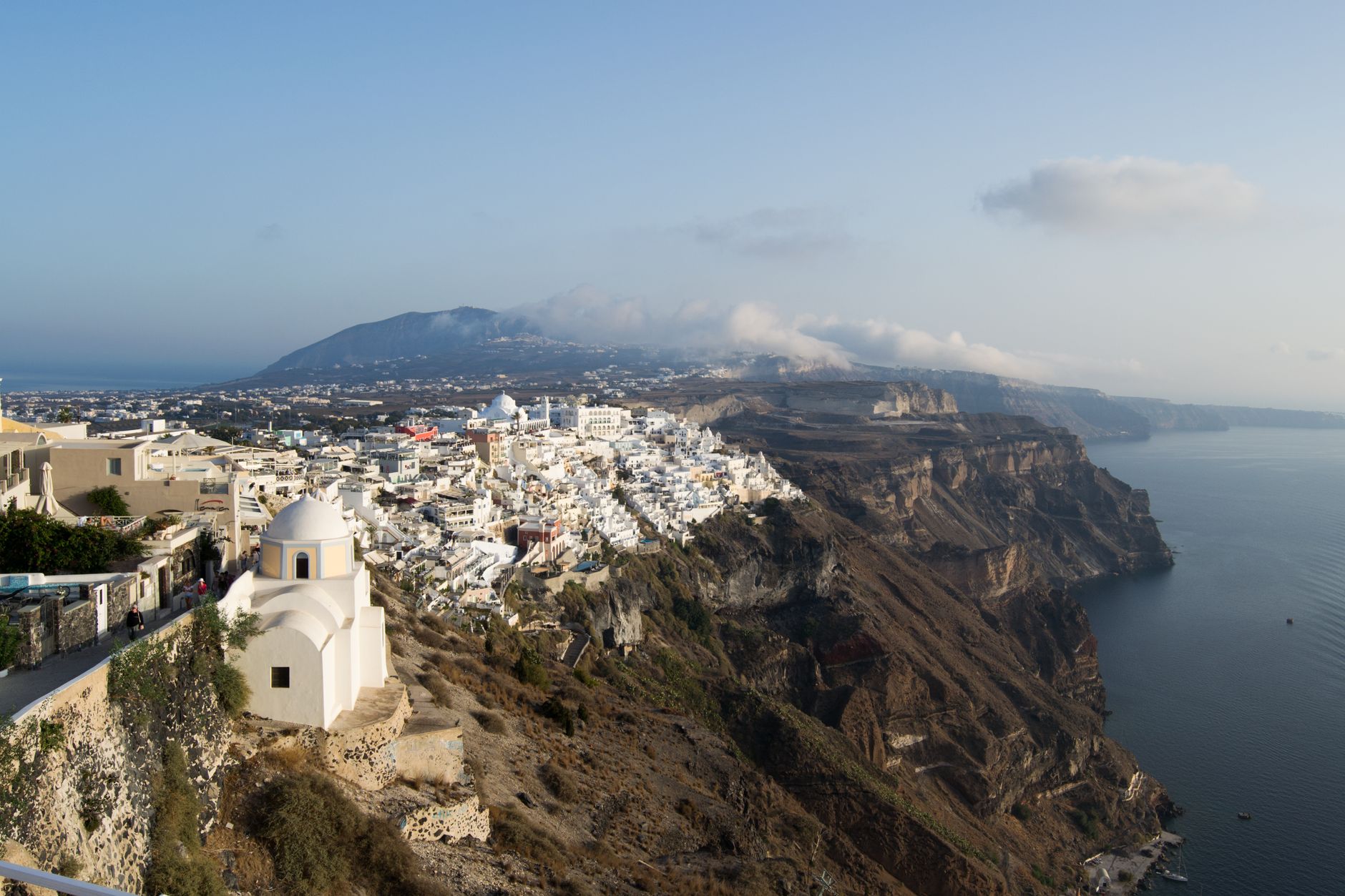
Santorini is, at its core, a collapsed volcano — and once you understand that, everything else makes sense: the black-sand beaches, the cliffs that drop straight into a caldera sea, the wine grown in volcanic soil that tastes like nowhere else. The island you're walking on is the surviving rim of a catastrophic eruption that reshaped the ancient Aegean.
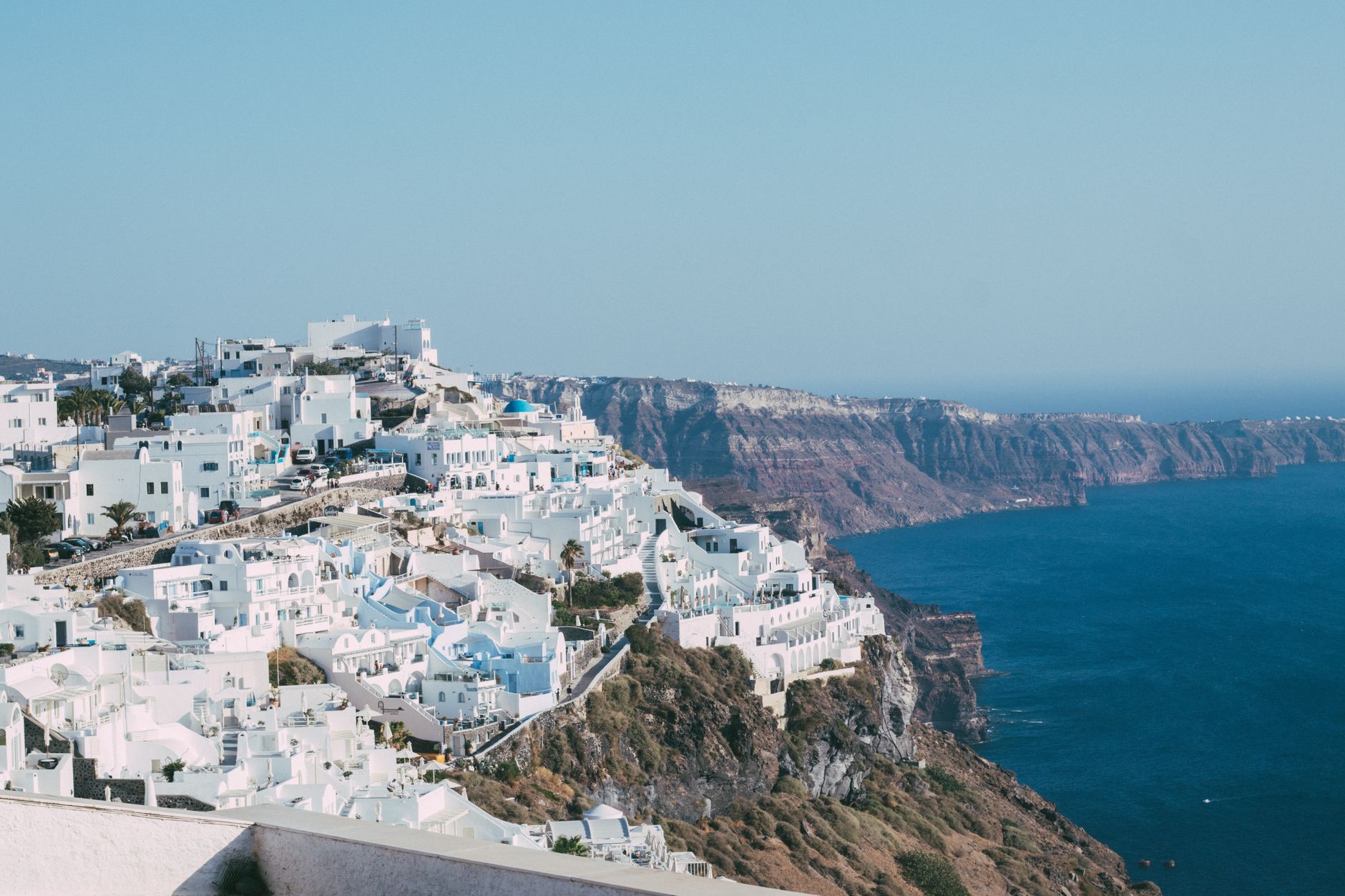
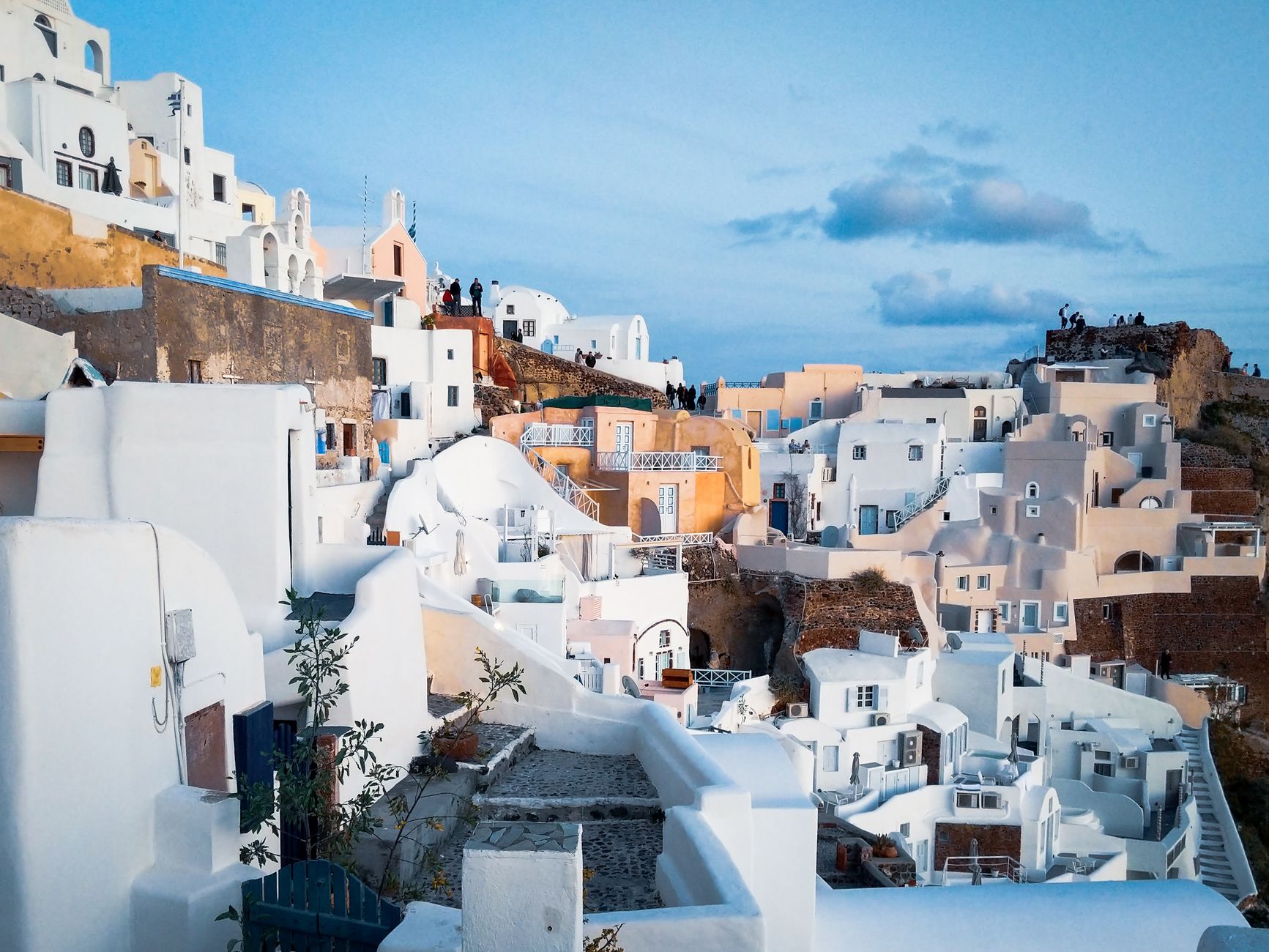
The villages of Oia and Fira get the photographs, but Santorini rewards slower movement — the hillside lanes of Pyrgos, the medieval warren of Emporio, the dig site at Akrotiri where a Bronze Age city still waits, room by room, under its protective roof.
Popular cities in Santorini
How Santorini came to be
Around 1,650 BCE, a volcanic eruption of extraordinary force — a VEI 7 event ejecting up to 41 cubic kilometres of rock — tore apart the island then known as Thera. The blast buried the Minoan settlement at Akrotiri under metres of ash, preserving it intact: multi-story buildings, painted frescoes, furniture. The caldera you look across today, 7.5 by 11 kilometres, is what remained.
Centuries later, Dorian colonists founded a town called Thera on the inland ridge of Méssa Vounó, 369 metres above sea level. The Venetians left their own mark between the 13th and 17th centuries — a chain of fortified castles across the island, most now ruined, though the Kastro at the centre of Pyrgos still stands. The volcano itself never fully went quiet; its most recent eruption was in 1950.
Who and what shaped it
Landmark buildings
See Santorini in motion
Plan your visit
On the map
When to go
Summers are hot and dry, with temperatures regularly above 30°C and strong meltemi winds off the caldera in July and August. Spring and autumn are milder and easier to walk in; winters are quiet, occasionally wet, and most tourist facilities close from November through March.
Right now
↡ Cities
Background & history adapted from Wikipedia (CC BY-SA) · specs from Wikidata (CC0) · weather from Open-Meteo · map data © OpenStreetMap contributors · photos from Wikimedia Commons / Unsplash with per-image credit. No third-party reviews or social posts reproduced.