
Emporio
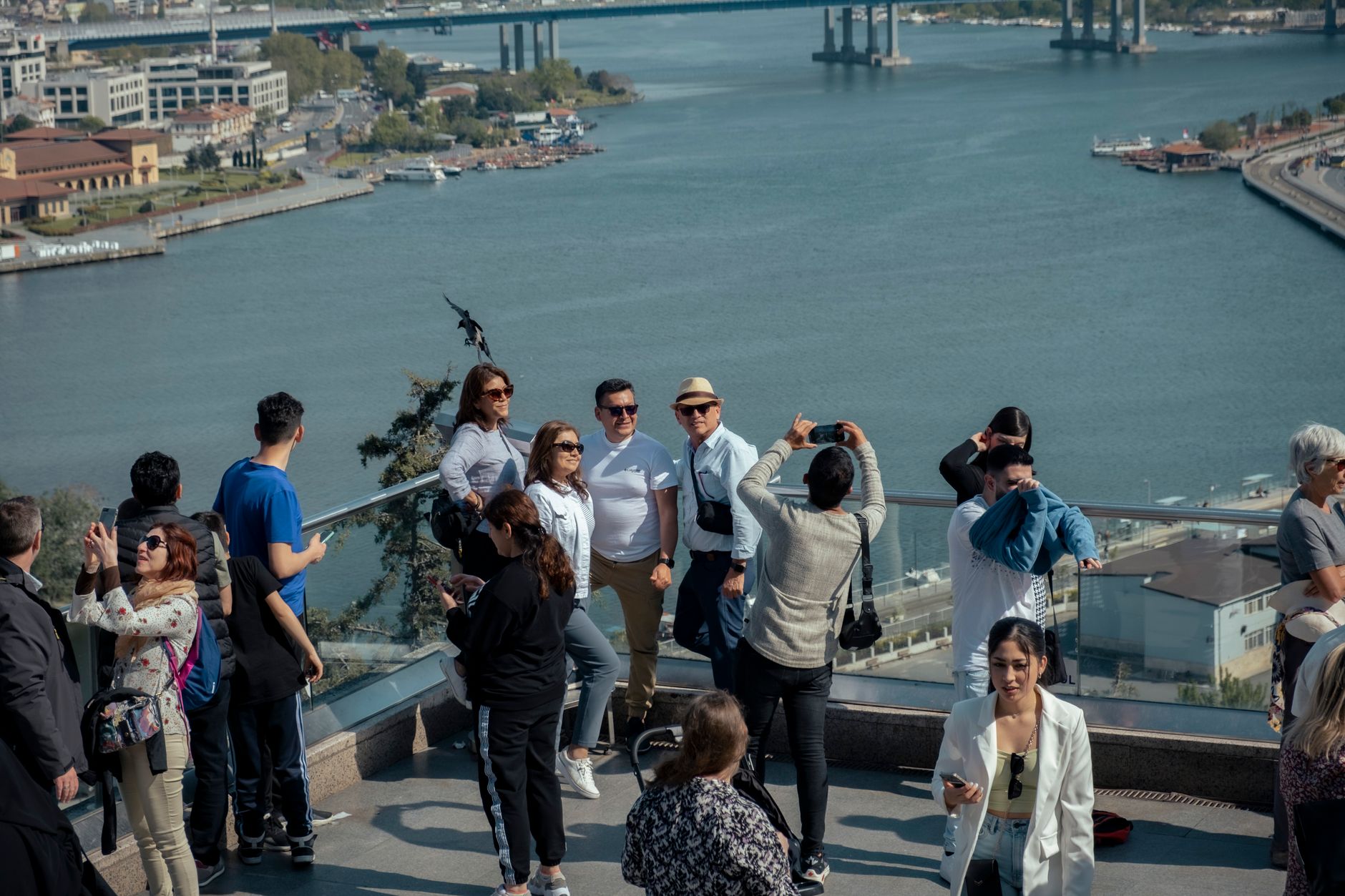
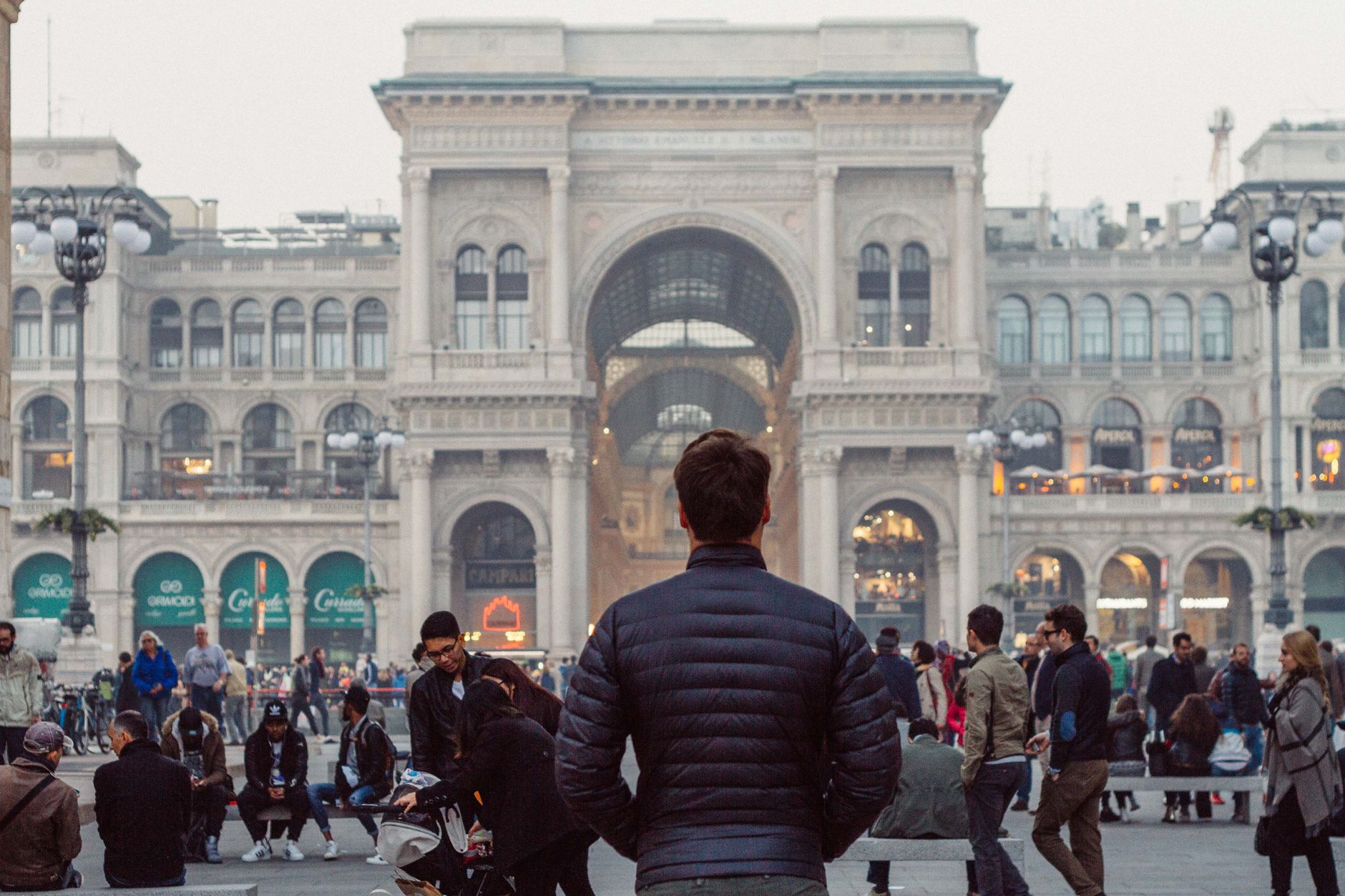
Most visitors to Santorini never make it to Emporio, which means the medieval lanes inside the Castelli are yours to walk without a crowd pressing behind you. The village takes its name from the Greek word for trade — it was once the island's commercial engine — and that mercantile past left something solid here: thick defensive walls, tower houses stacked close together, alleyways so narrow they were designed to slow down raiders, not welcome them.
The Castelli, construction begun in 1450, is the best-preserved of Santorini's five medieval castles and still inhabited. People live behind its fortifications. Laundry dries in the same passages where residents once fled pirates.
💛 What travellers fall for
People who come back tend to mention two things: arrive in the morning before the light gets flat, and tell the bus driver your stop — Emporio is the 15th on the Fira–Perissa route and drivers don't always stop automatically. Wear flat shoes; the rock mosaic floors inside the Castelli are uneven and beautiful and will turn an ankle.
Deals in Emporio
Book directly at the provider

How Emporio came to be
The monks of the Abbey of Agios Ioannis Theologos on Patmos built the Castelli from 1450 onward, constructing a walled settlement of roughly 80 houses designed around a single logic: survival. Pirates were a constant threat across the Aegean, and the architecture answered accordingly — houses pressed against one another, connected by bridges overhead, passages kept deliberately tight. The Goulas Tower rose nearby in the same period, linked to the fortress by an underground tunnel.
In August 1537, the Ottoman admiral Hayreddin Barbarossa took Santorini. Over the following decades, as the threat of raids gradually eased, life spread outside the walls. Emporio grew into the island's commercial centre — a role its name quietly insists on — and the buildings that followed carried that confidence outward.
Who and what shaped it
Landmark buildings
See Emporio in motion
Plan your visit
On the map
When to go
Summer runs warm and sunny with the meltemi wind keeping July and August bearable, though gusts can hit 50–60 km/h. Spring and autumn are gentler and quieter; winter brings occasional cold snaps and the island's modest rainfall, mostly concentrated between December and January.
Right now
Background & history adapted from Wikipedia (CC BY-SA) · specs from Wikidata (CC0) · weather from Open-Meteo · map data © OpenStreetMap contributors · photos from Wikimedia Commons / Unsplash with per-image credit. No third-party reviews or social posts reproduced.