
Oia
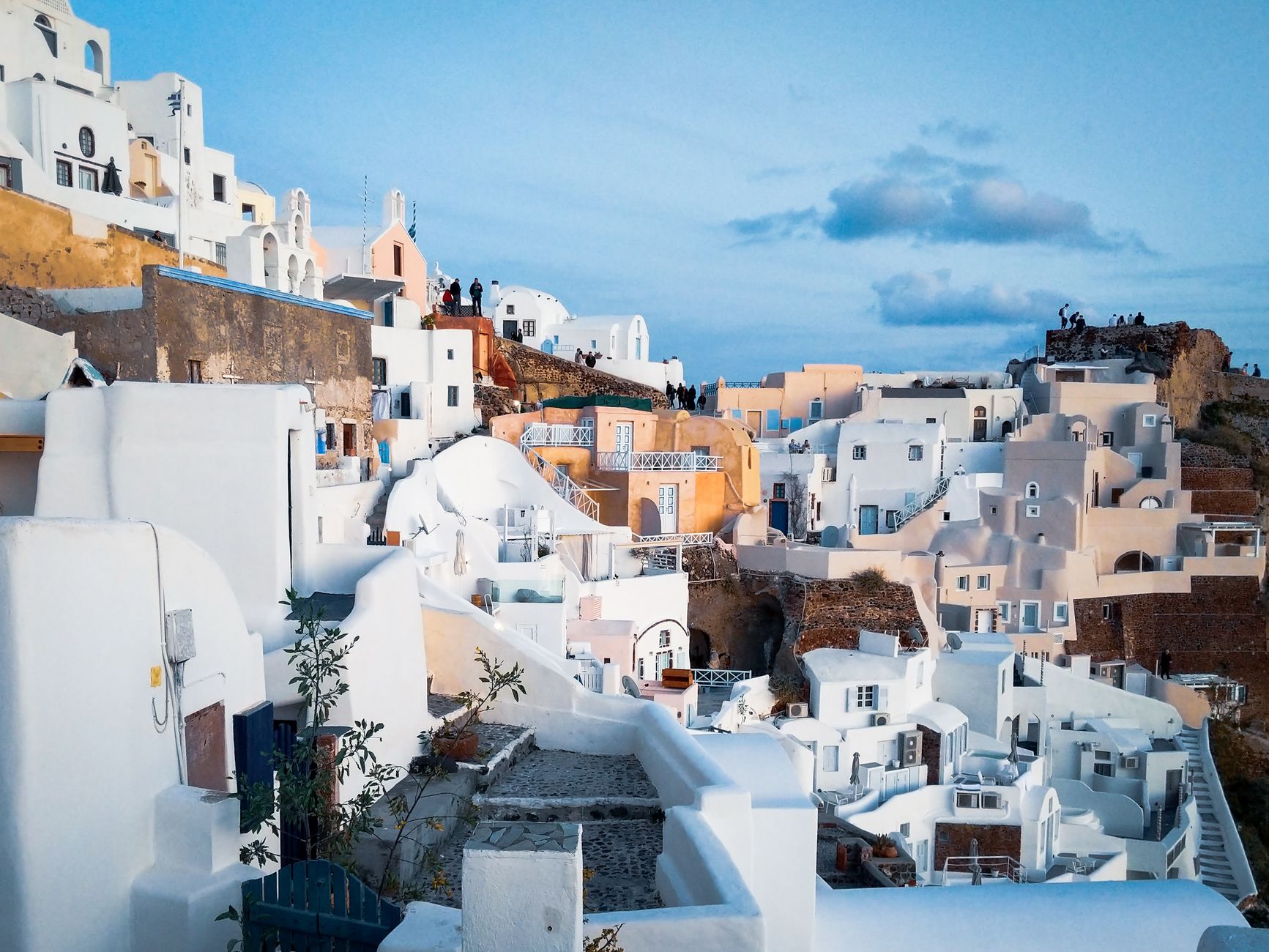
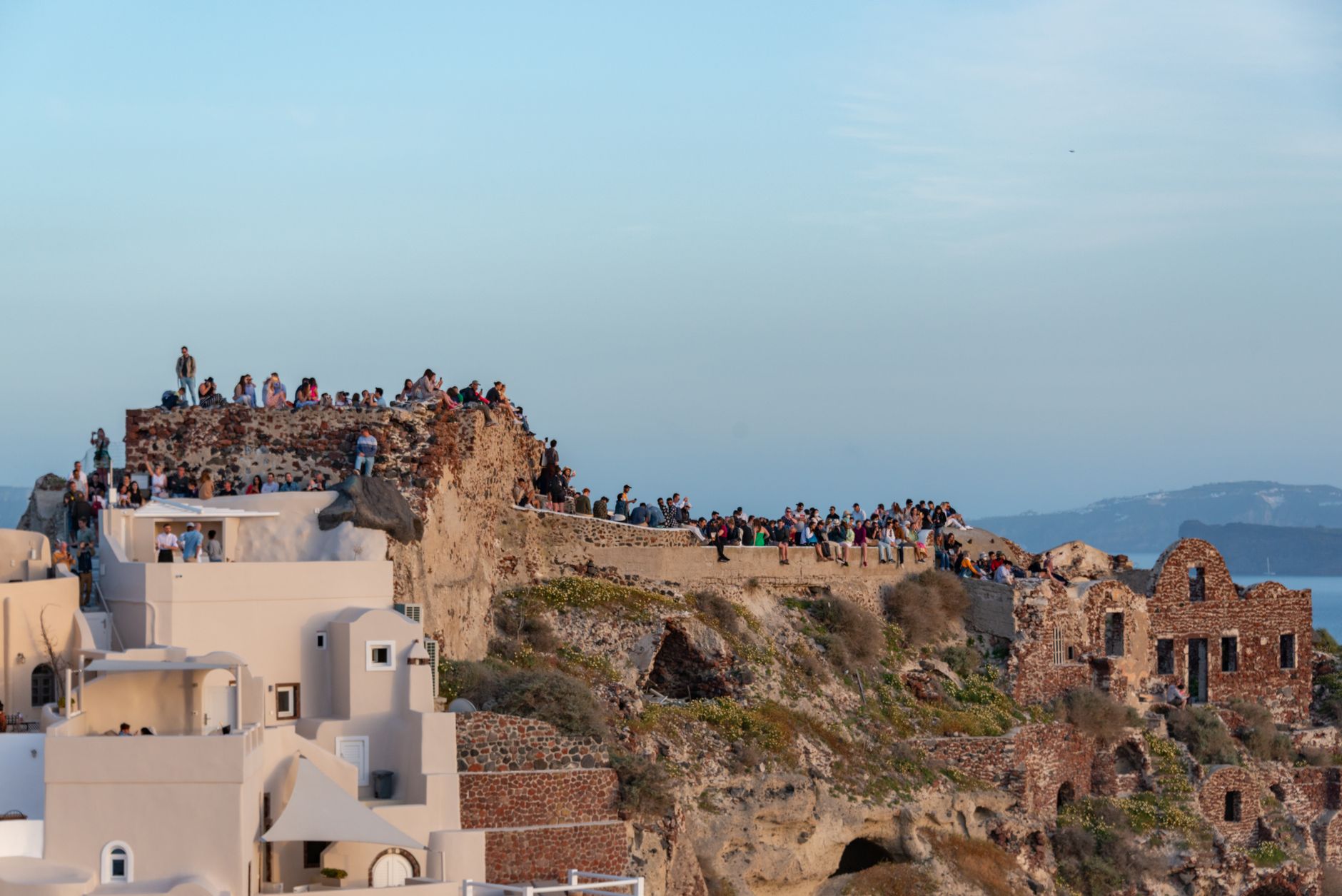
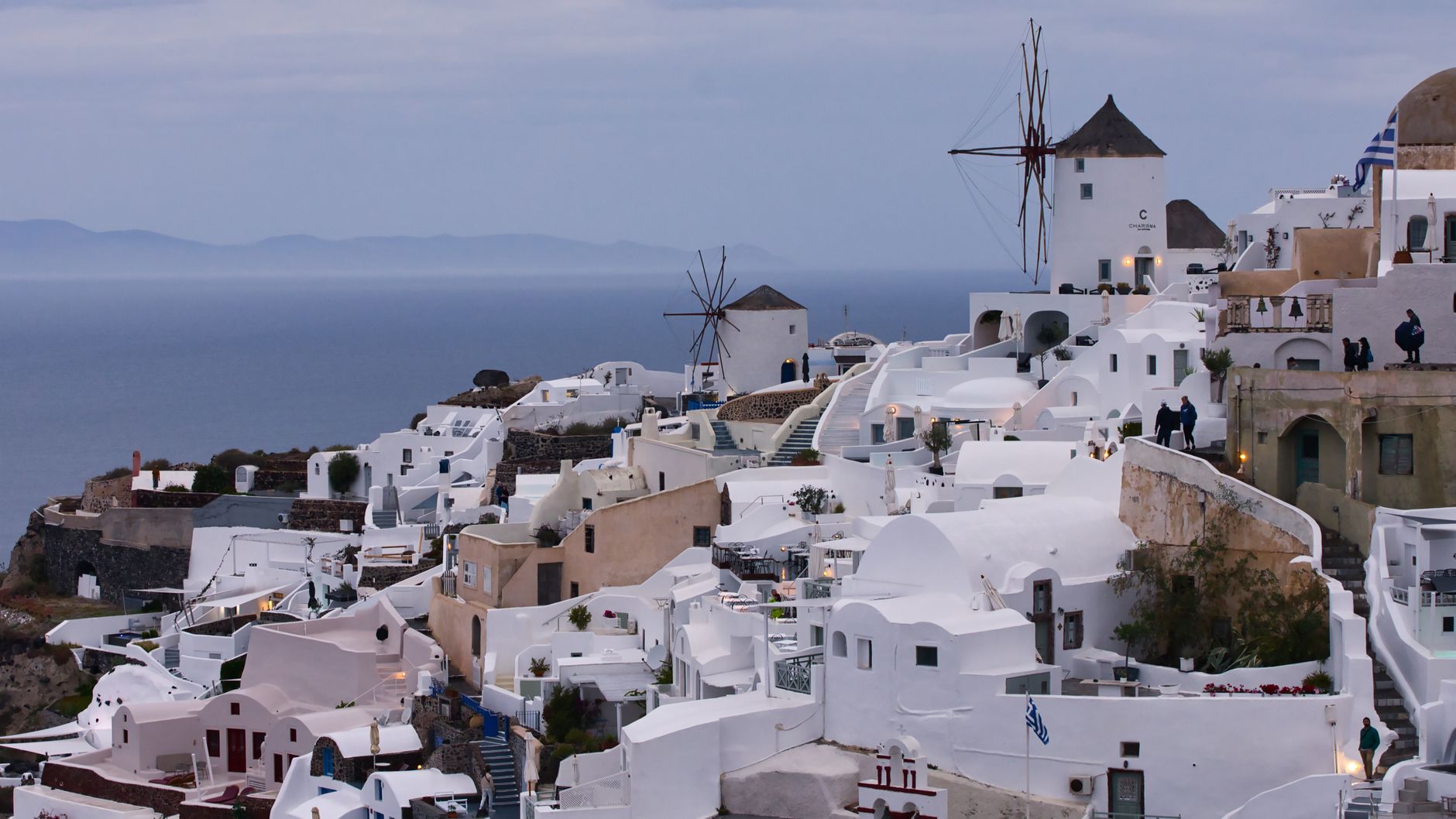
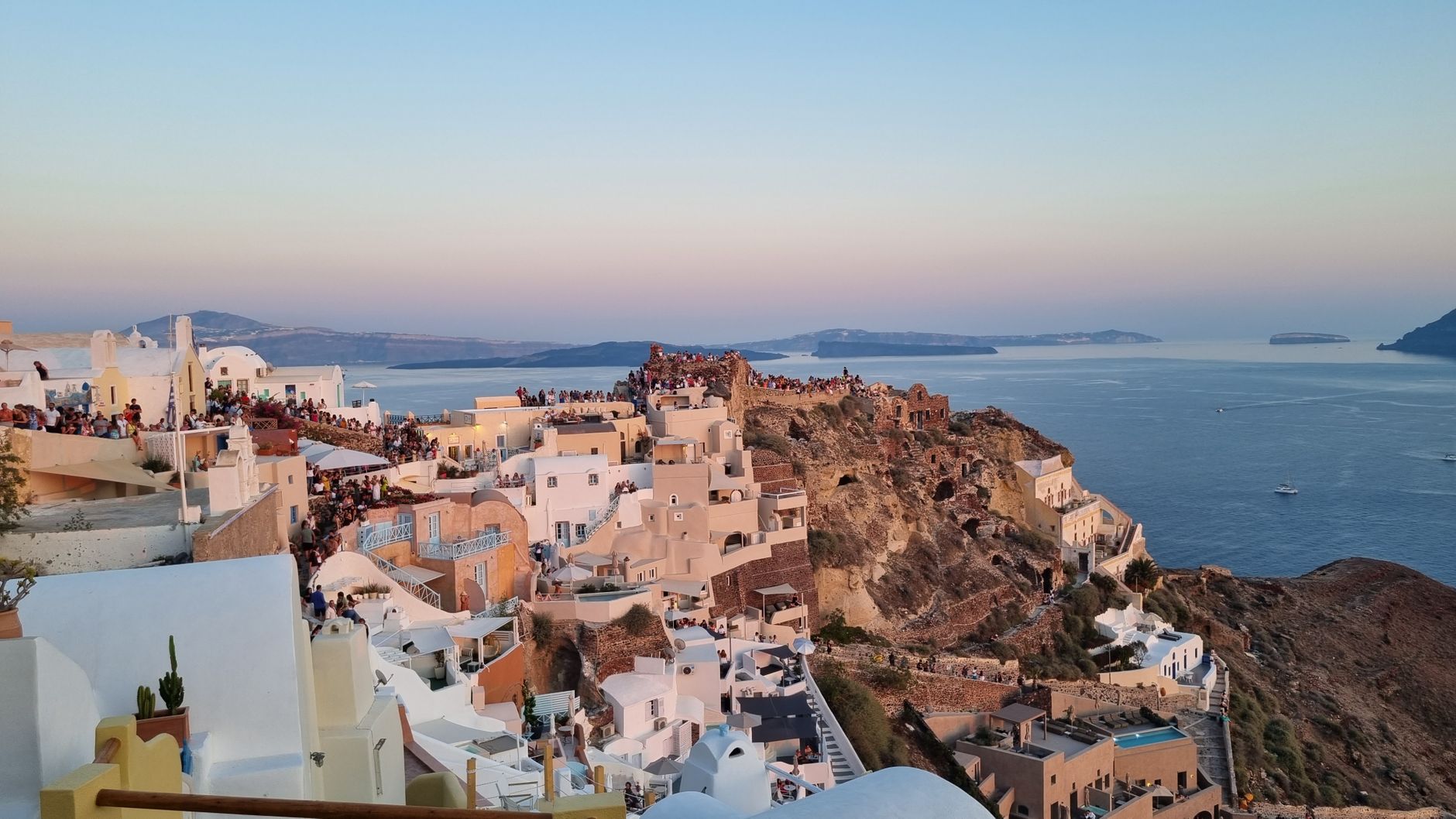
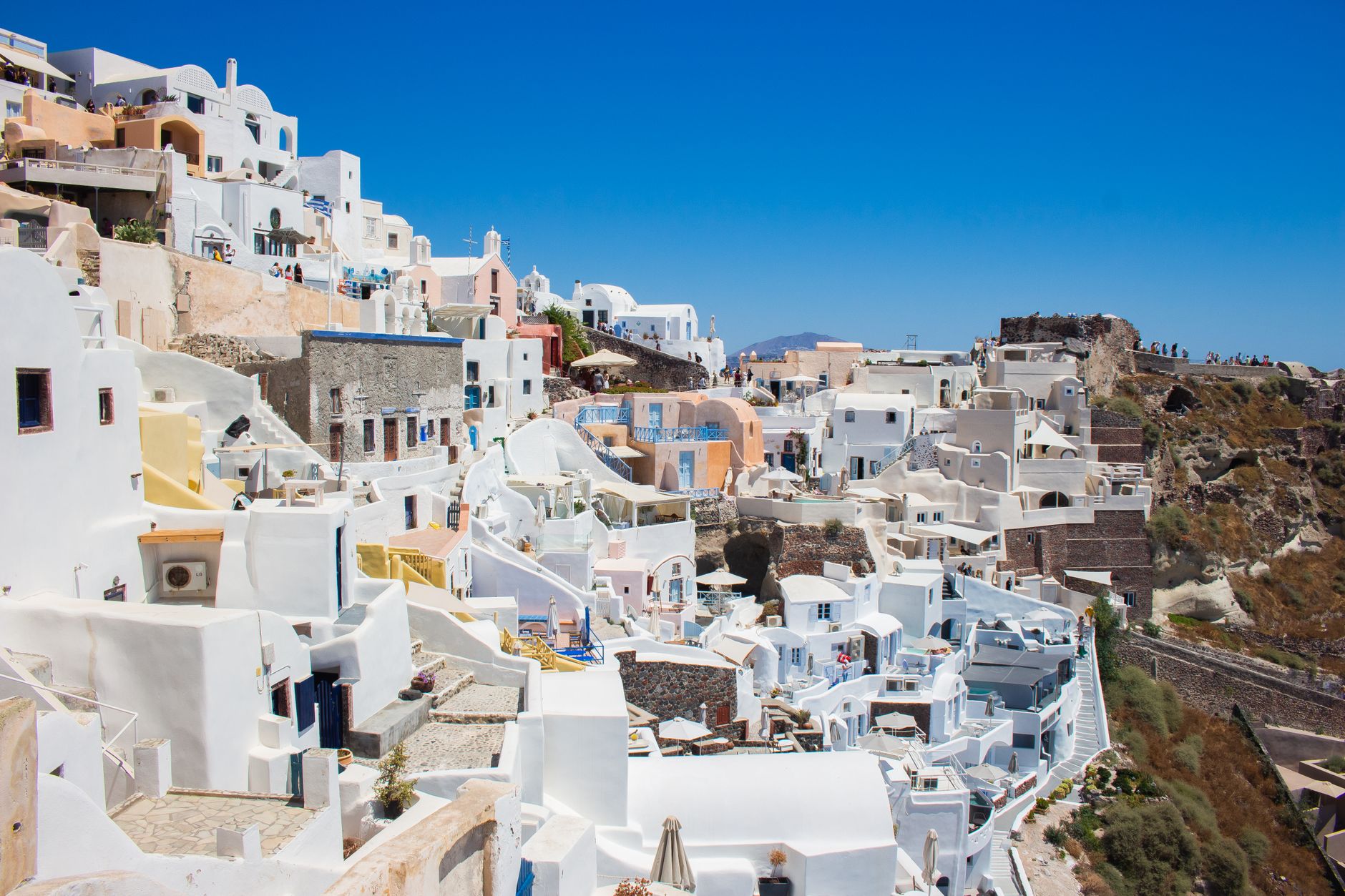
Stand at the edge of Oia and the caldera drops away beneath you — a vertical fall of volcanic rock to water so blue it reads almost purple. The town clings to the northwestern tip of Santorini, a series of cave houses carved into the cliff face, their white plaster worn smooth by decades of Aegean wind.
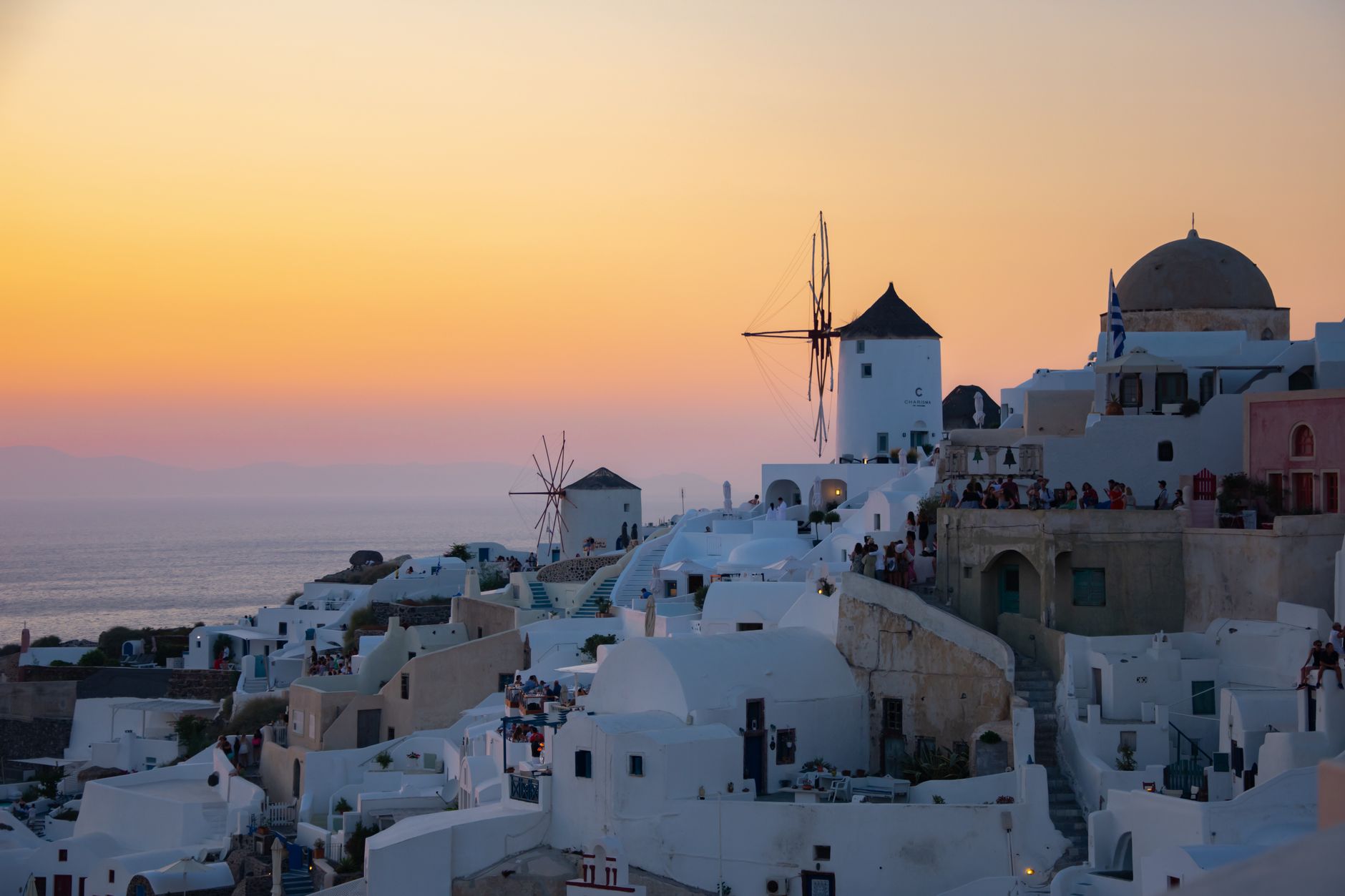
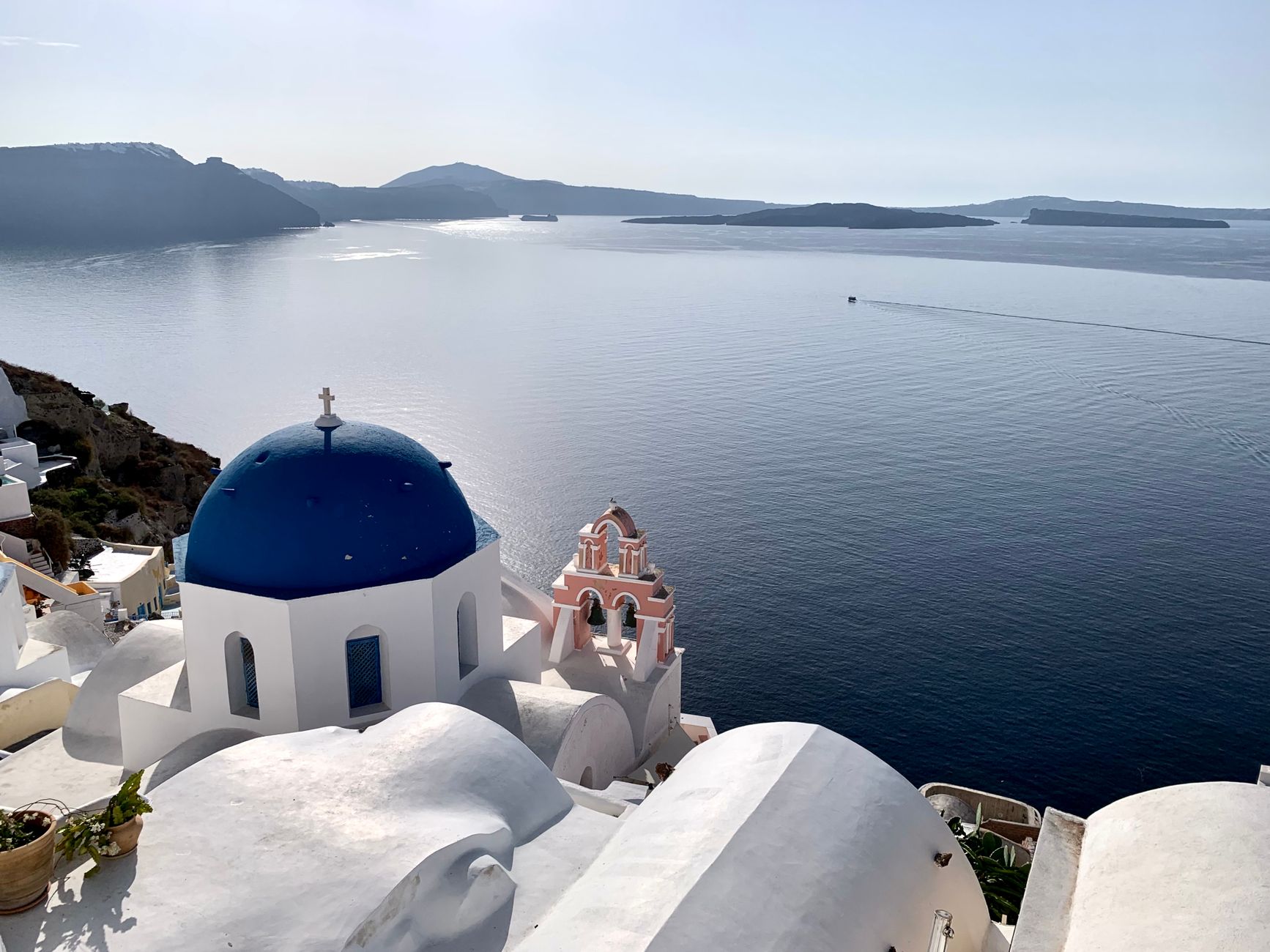
Oia is not a quiet place, and in summer it barely pretends to be. What it offers instead is a kind of concentrated beauty: the captain's mansions along Nikolaou Nomikou, the blue dome of Panagia Platsani catching the afternoon light, the windmills at the caldera's rim standing idle now but still orienting everything around them.
💛 What travellers fall for
People who come back tend to say the same thing: go before nine in the morning. The light is softer, the alleys are yours, and the descent to Ammoudi Bay — all 300 steps of it — feels like a private discovery. The Maritime Museum, tucked inside a restored captain's house, rewards the unhurried visitor.
Deals in Oia
Book directly at the provider

How Oia came to be
Oia spent centuries as Apano Meria — 'the upper side' — a fortified settlement on Santorini's northwestern ridge, governed during the medieval period under the Duchy of Naxos that Marco Sanudo established in 1207. The da Corogna family maintained one of five local citadels here, the Agios Nikolaos Kastell, whose ruined base still marks the oldest part of town.
The place reinvented itself in the late 18th century as a maritime power. By 1880 it had 2,500 residents and around 130 sailing ships. Steam shipping and the rise of Piraeus ended that era, and emigration hollowed the town out. The earthquake of 9 July 1956 — magnitude 7.8 — finished the job; by 1977 only 306 people remained. The Hellenic Tourism Organisation listed the residential complex as an architectural monument in 1976, and the town rebuilt itself slowly around that designation. The name Oia itself only became official in the 1930s.
Who and what shaped it
Landmark buildings
See Oia in motion
Plan your visit
On the map
When to go
April and May are the easiest months — warm enough for shirtsleeves by afternoon, rarely oppressive, with long clear days. Summer is hot and dry and hazy, which flattens the famous sunset into something less than photographs suggest; autumn brings the light back.
Right now
Background & history adapted from Wikipedia (CC BY-SA) · specs from Wikidata (CC0) · weather from Open-Meteo · map data © OpenStreetMap contributors · photos from Wikimedia Commons / Unsplash with per-image credit. No third-party reviews or social posts reproduced.