
Perissa
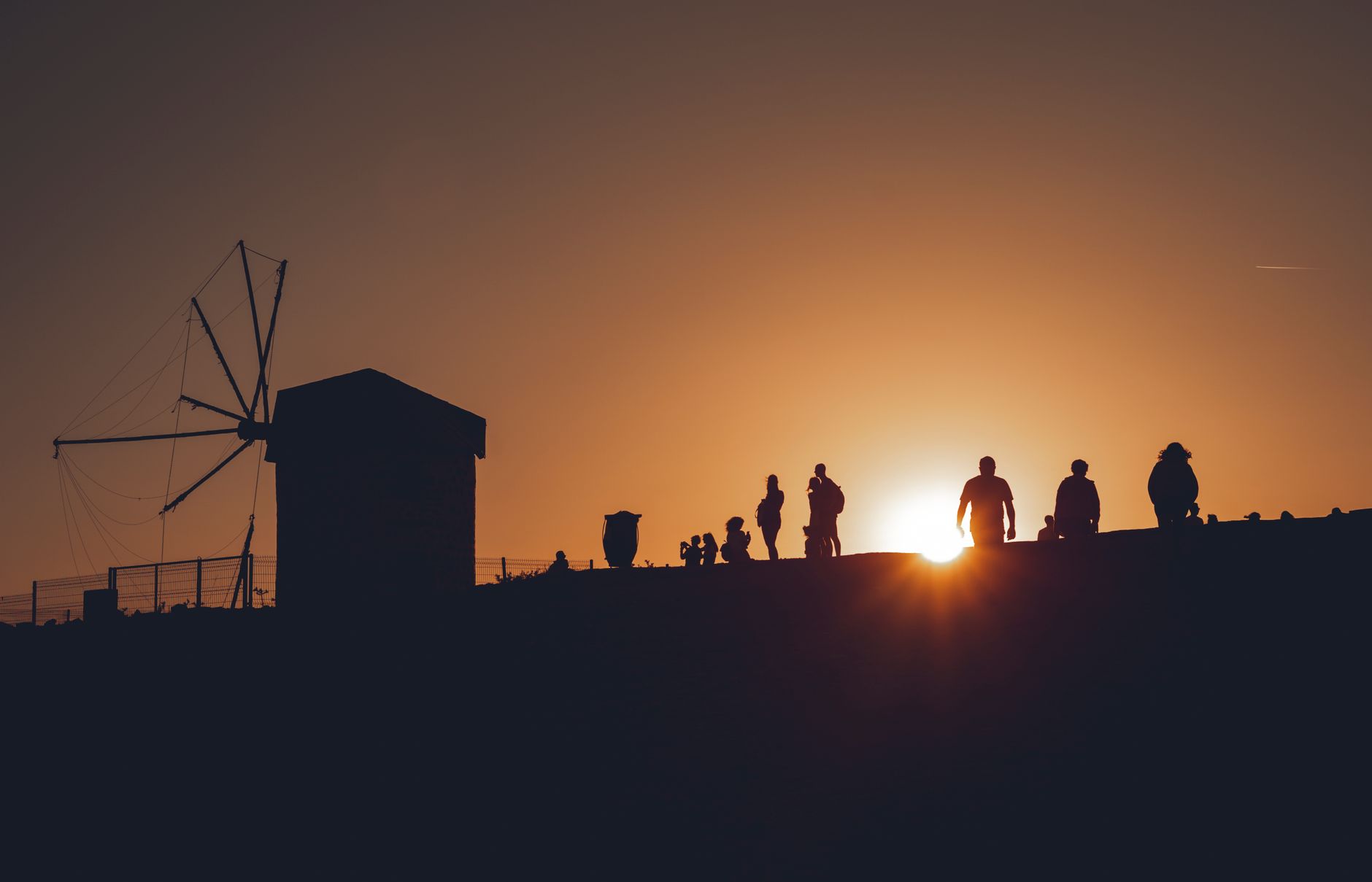
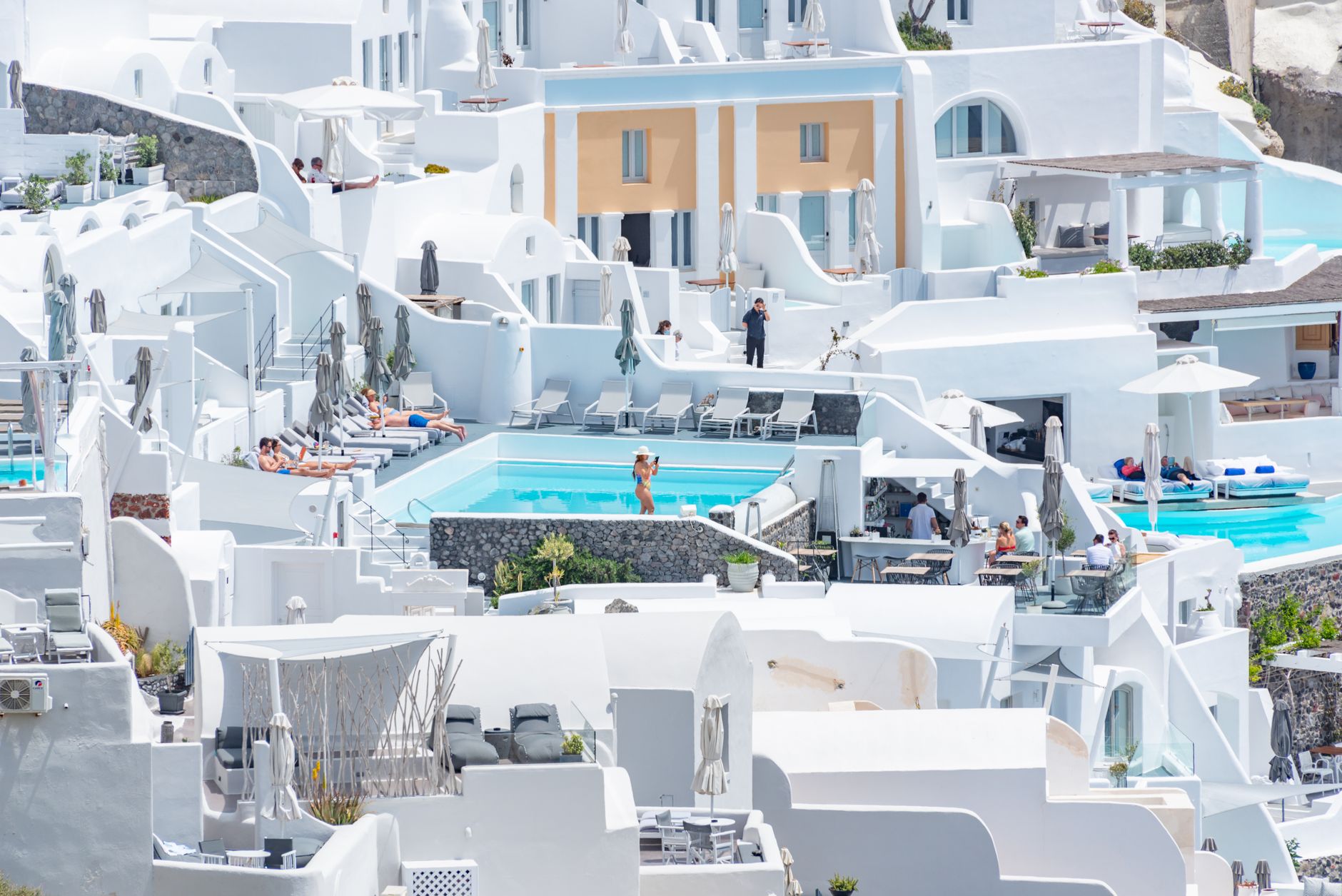
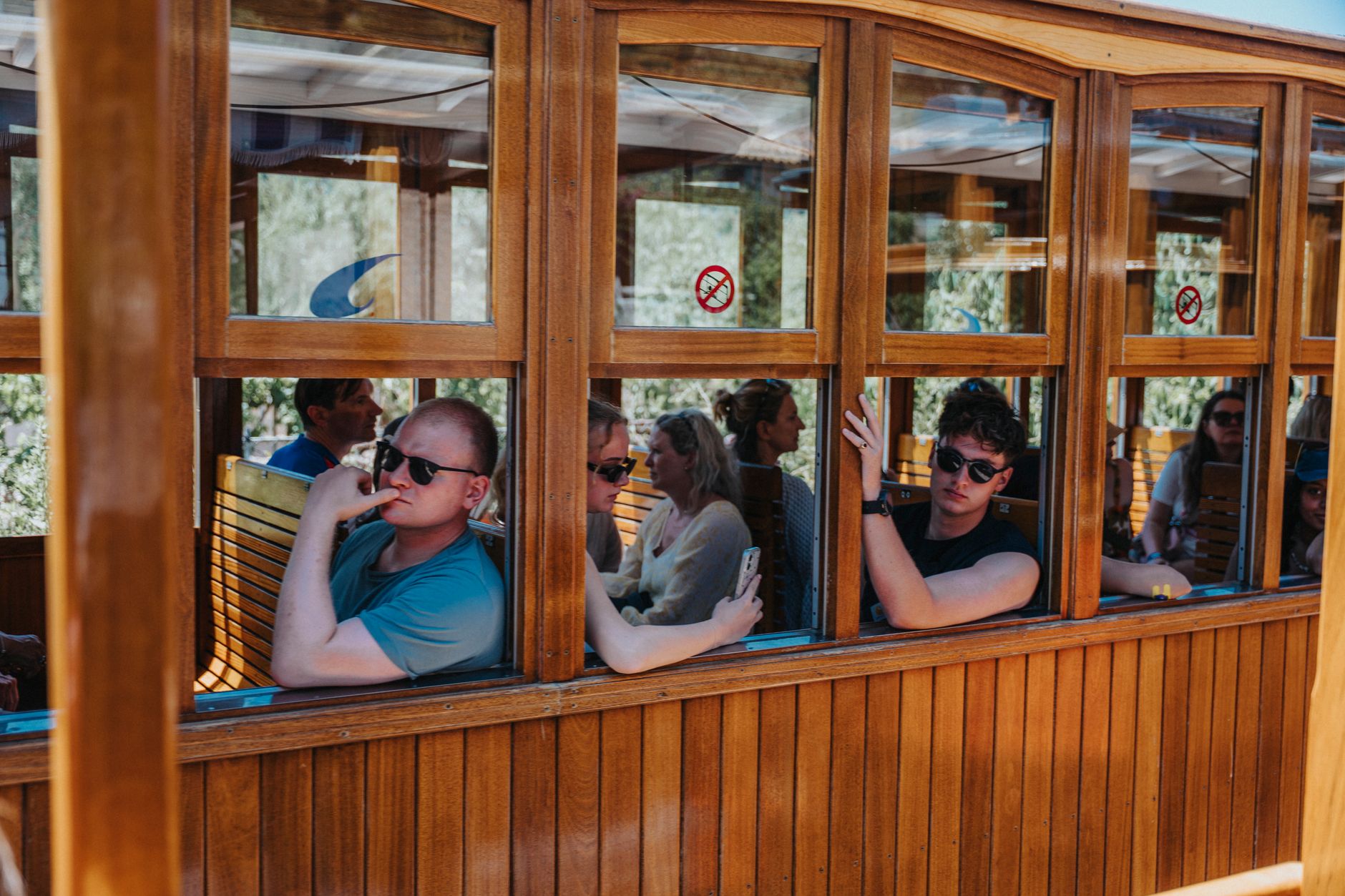
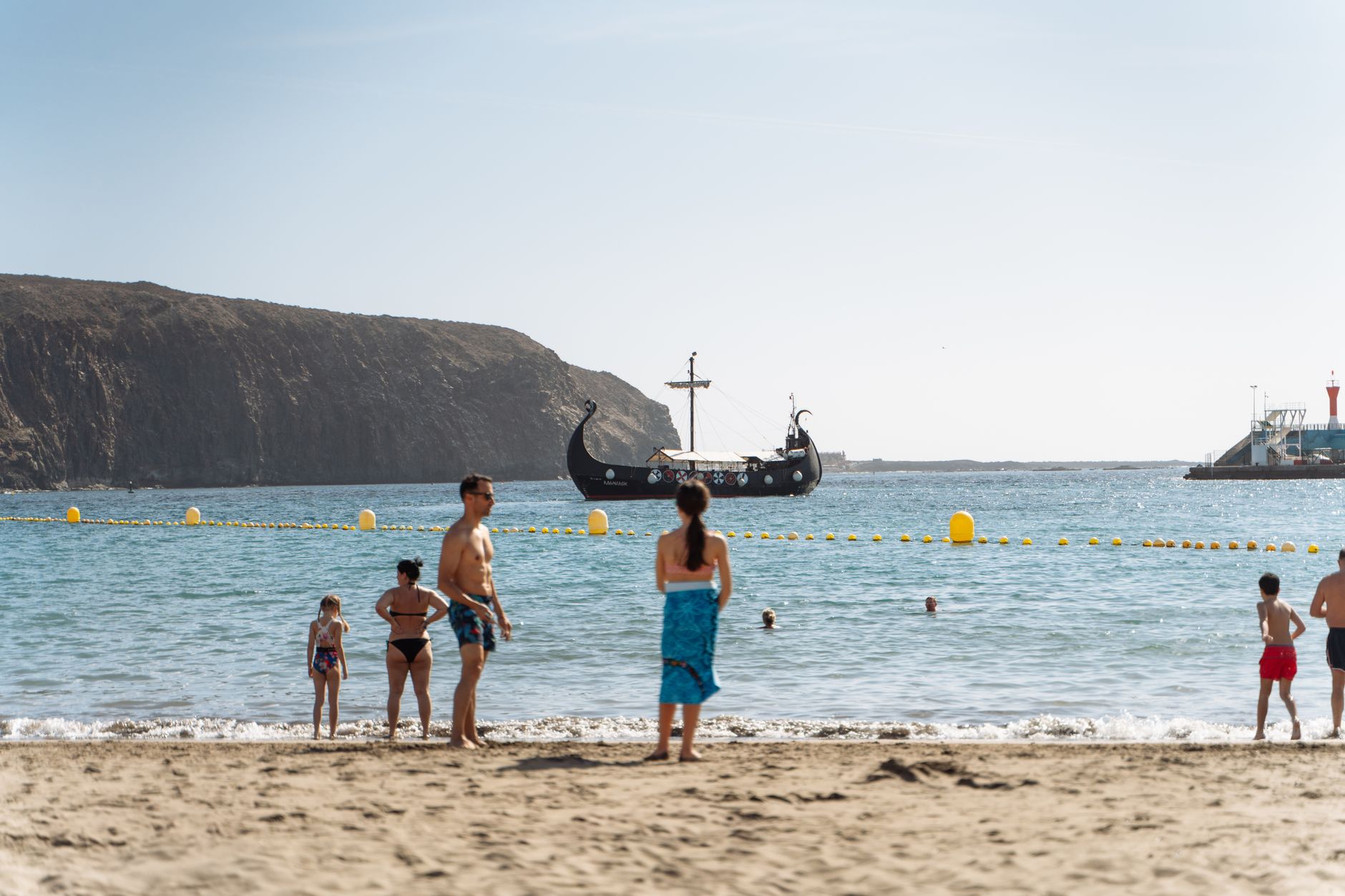
Perissa sits at the southeastern foot of Mesa Vouno, the dark volcanic ridge that cuts the island in half, and its beach is the thing that stops people mid-scroll: two kilometers of black sand that holds the heat of the sun long after the light has gone. The colour comes from the same volcanic geology that shaped Santorini's caldera, and walking on it barefoot at midday is an education in geological memory.
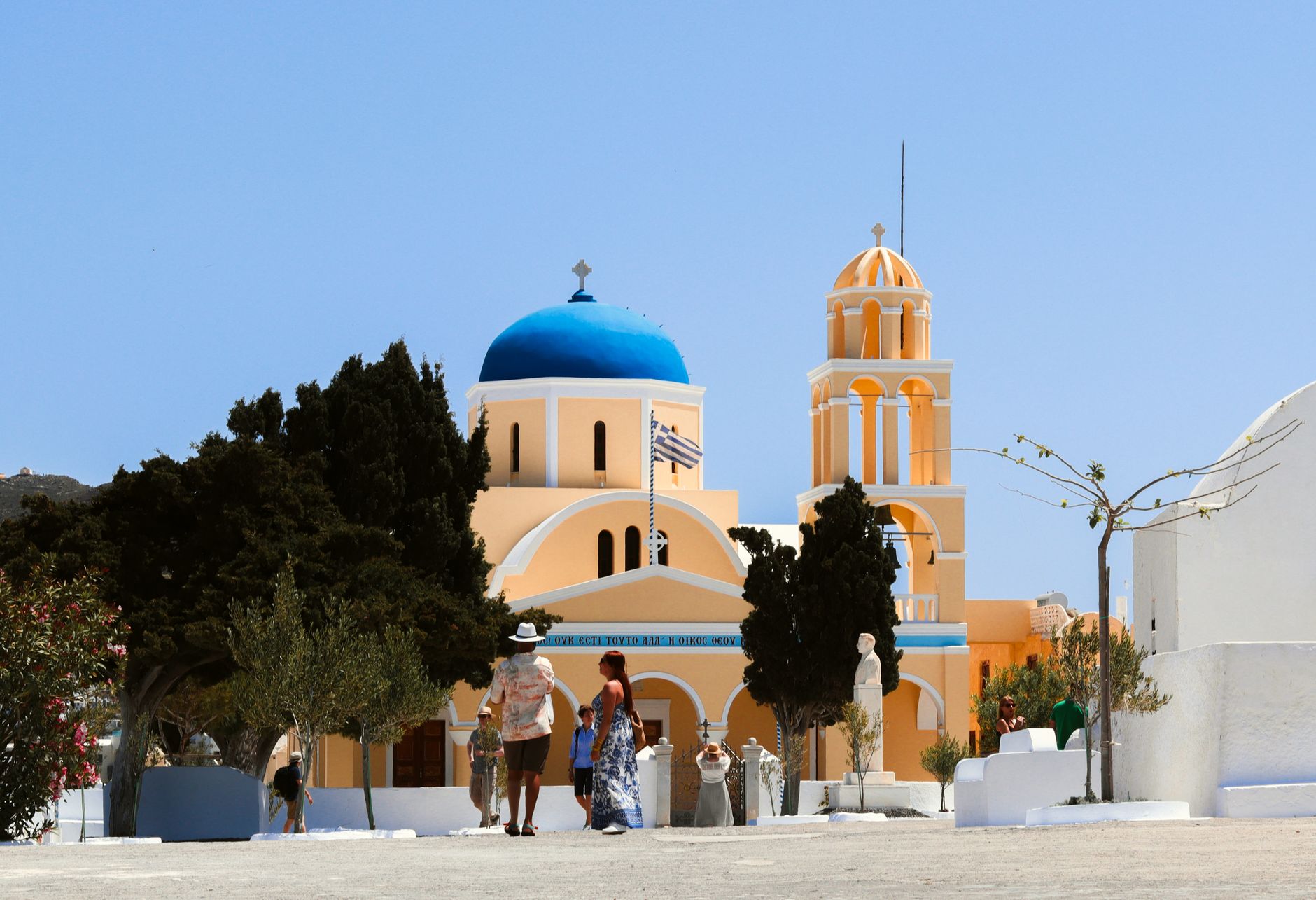
The village itself is low-rise and unhurried by Santorini standards — tavernas facing the water, a whitewashed church that anchors the main square, and a road that dead-ends at the mountain. Beneath your feet, quite literally, lie the ruins of the ancient city of Elefsina.
💛 What travellers fall for
People who come back tend to mention the same two things: the open-air cinema near the water park on Wednesday and Sunday evenings in July and August — €8 gets you a seat and popcorn for a classic Greek film — and the boat shuttle across to Kamari, a ten-minute crossing that saves the long road around the mountain and costs €8 return.
Deals in Perissa
Book directly at the provider


How Perissa came to be
The name Perissa contracts from Agia Irini — Saint Irene — the same saint whose name, over centuries, became Santorini itself. In 1992, excavations near the village uncovered a late 5th-century Christian basilica dedicated to her: a three-naved structure with a central nave reaching 25 meters in length, still only partially excavated, its floor lying two meters below the current ground level. Its scale suggests it served a congregation of real regional importance.
The village stands on ground believed to cover the ancient city of Elefsina. The 1956 earthquake sent a three-meter tsunami through Perissa and badly damaged the Church of the Holy Cross, originally built around 1835 — the rebuilt version is now the largest church on the island.
Who and what shaped it
Landmark buildings
See Perissa in motion
Plan your visit
On the map
When to go
Summers are hot and dry — daytime temperatures peak around 28–30°C in July and August with virtually no rainfall — but the Meltemi, a strong northerly wind, arrives in earnest from early July and intensifies through mid-August. Spring and September offer warmth without the wind's full force.
Right now
Background & history adapted from Wikipedia (CC BY-SA) · specs from Wikidata (CC0) · weather from Open-Meteo · map data © OpenStreetMap contributors · photos from Wikimedia Commons / Unsplash with per-image credit. No third-party reviews or social posts reproduced.