
Megalochori
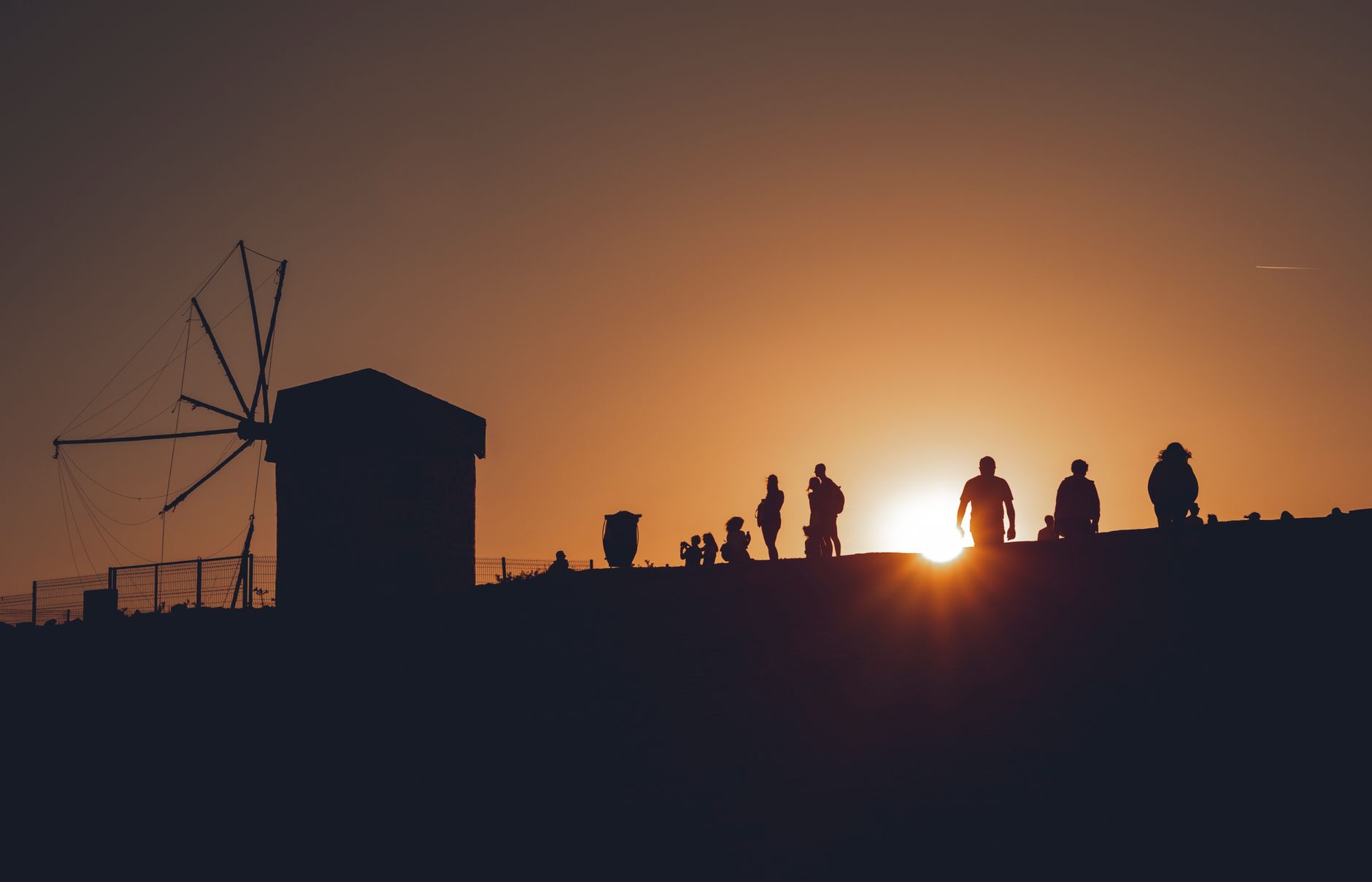
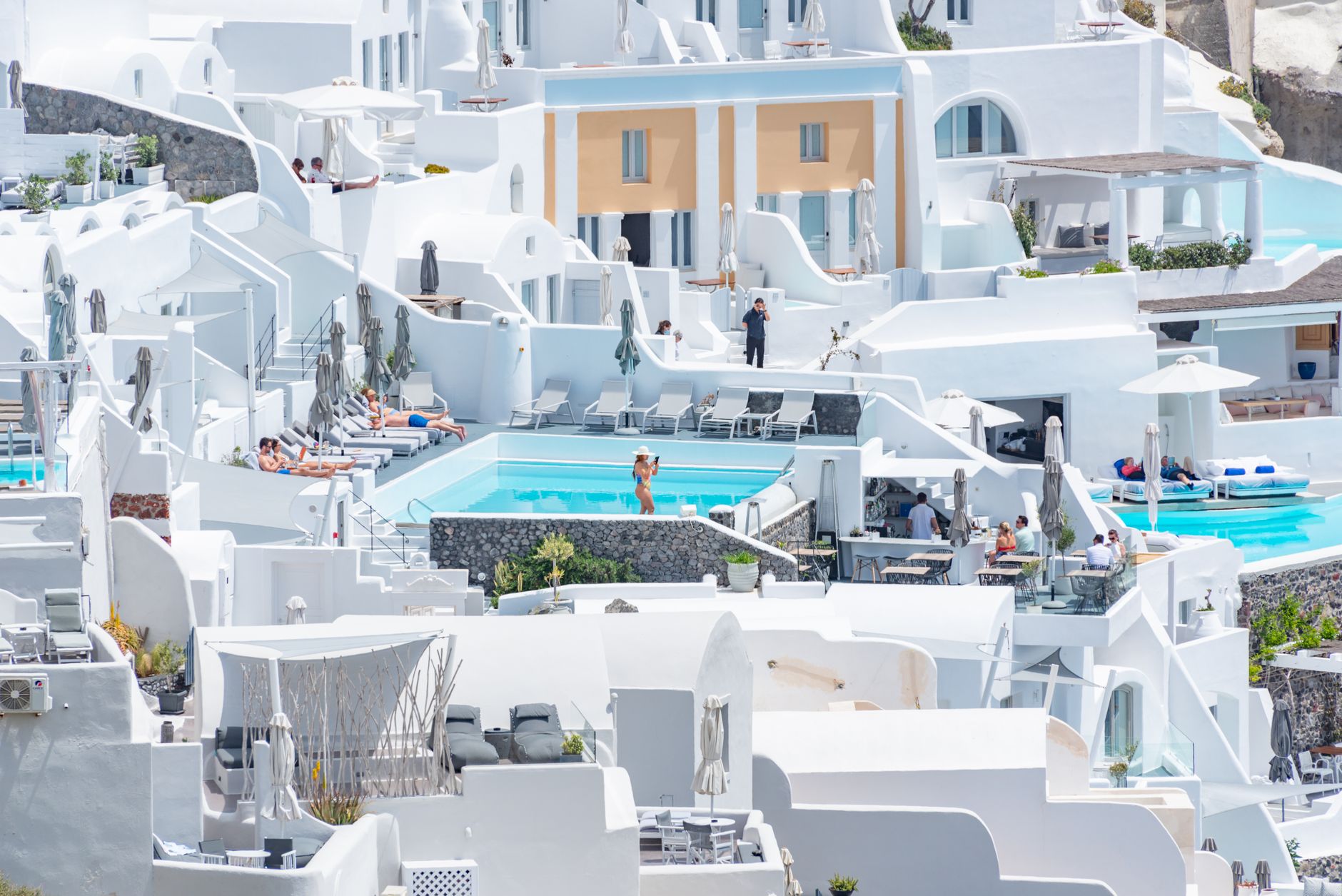
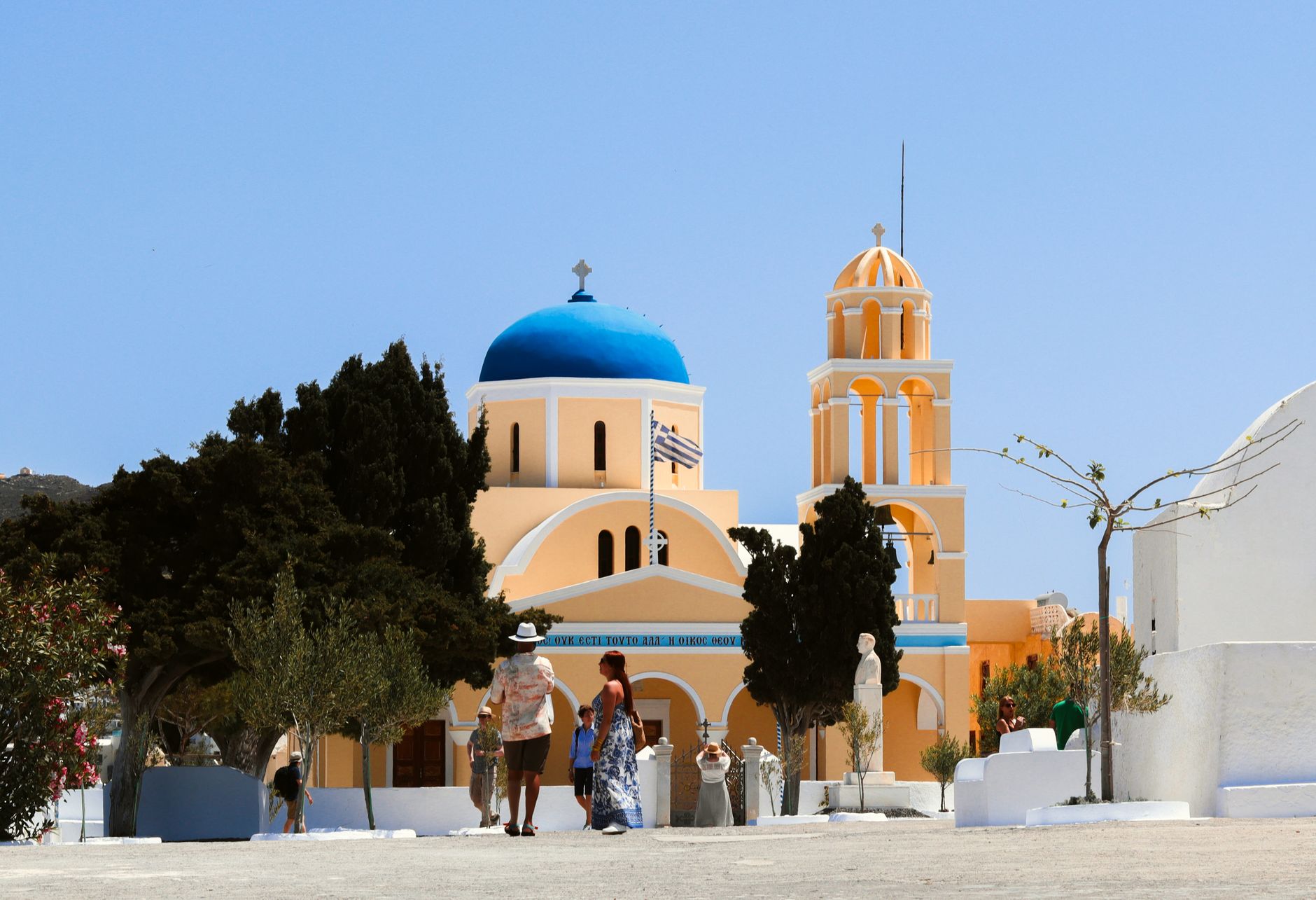
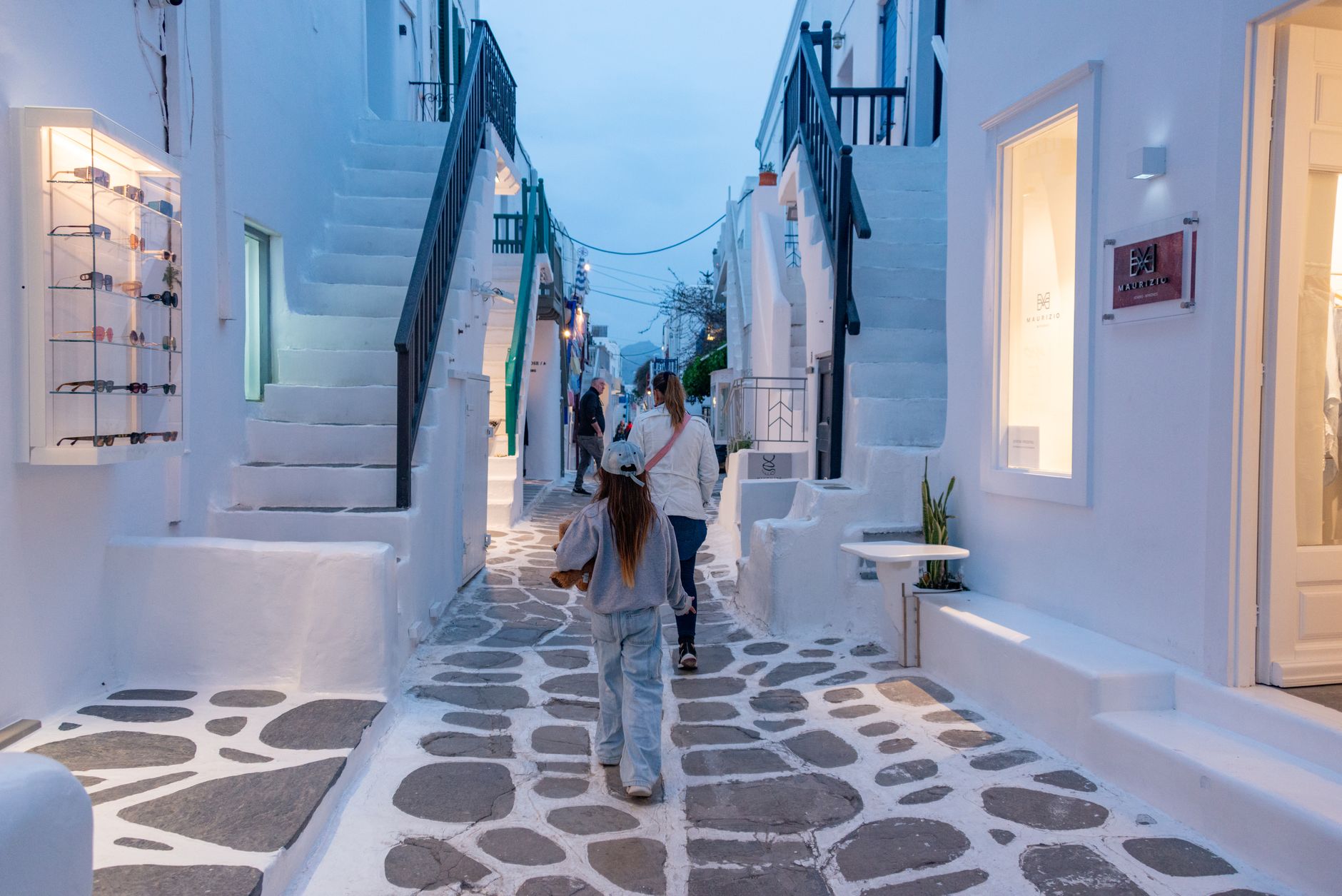
In Megalochori, the streets are narrow enough that you can press both palms flat against opposite walls at once. That's not a quirk — it's the whole logic of the place, a village built by wine merchants who wanted their goods close and their neighbours closer. The central square holds two tavernas, a six-bell tower, and enough bougainvillea to block the midday glare, and from certain dead ends in the lanes you step out suddenly onto vineyard views that drop toward the Aegean.
Most Santorini visitors pass Megalochori on the bus to Perissa without getting off. The ones who do find a village that functions — churches with working iconostases, canaves (underground cellars carved into volcanic rock) still used for wine, a winery that has been producing since 1949.
💛 What travellers fall for
People who come back tend to mention the same things: arriving at Gavalas Winery around noon before the tour groups settle in, eating lunch in the square when the bell tower throws a strip of shade across the tables, and catching the lane light in late afternoon when the whitewash goes amber and the blue-painted doors look almost painted twice.
Deals in Megalochori
Book directly at the provider


How Megalochori came to be
Megalochori appears in written sources from the mid-17th century and on a map dated 1801, by which point it was already established as a village built around wine commerce. The merchants who founded it weren't farming families — they were traders, and the architecture reflects that: substantial houses, underground canaves cut into the volcanic rock for storage, and a density that made moving goods between cellars and courtyards efficient.
The 1956 earthquake that damaged much of Santorini hit Megalochori hard. Serious restoration of the buildings and wineries didn't begin in earnest until after 1999. The Venetsanos Winery, designed by George Venetsanos and operating since 1949 as the first industrial winery on the island, survived and remains a working landmark just outside the village.
Who and what shaped it
People who shaped it
Landmark buildings
See Megalochori in motion
Plan your visit
On the map
When to go
Late April through early June sits in the sweet spot — temperatures between 19°C and 22°C, long sunshine hours, and almost no rain. Summer runs hot and dry (July peaks around 28°C with 13 hours of sun), and while the village itself stays quieter than Oia or Fira, the midday heat is real. September and October ease back to 22–25°C and are worth serious consideration; winter brings mild days but also wind and waves of rain from December through mid-March.
Right now
Background & history adapted from Wikipedia (CC BY-SA) · specs from Wikidata (CC0) · weather from Open-Meteo · map data © OpenStreetMap contributors · photos from Wikimedia Commons / Unsplash with per-image credit. No third-party reviews or social posts reproduced.