
Pyrgos
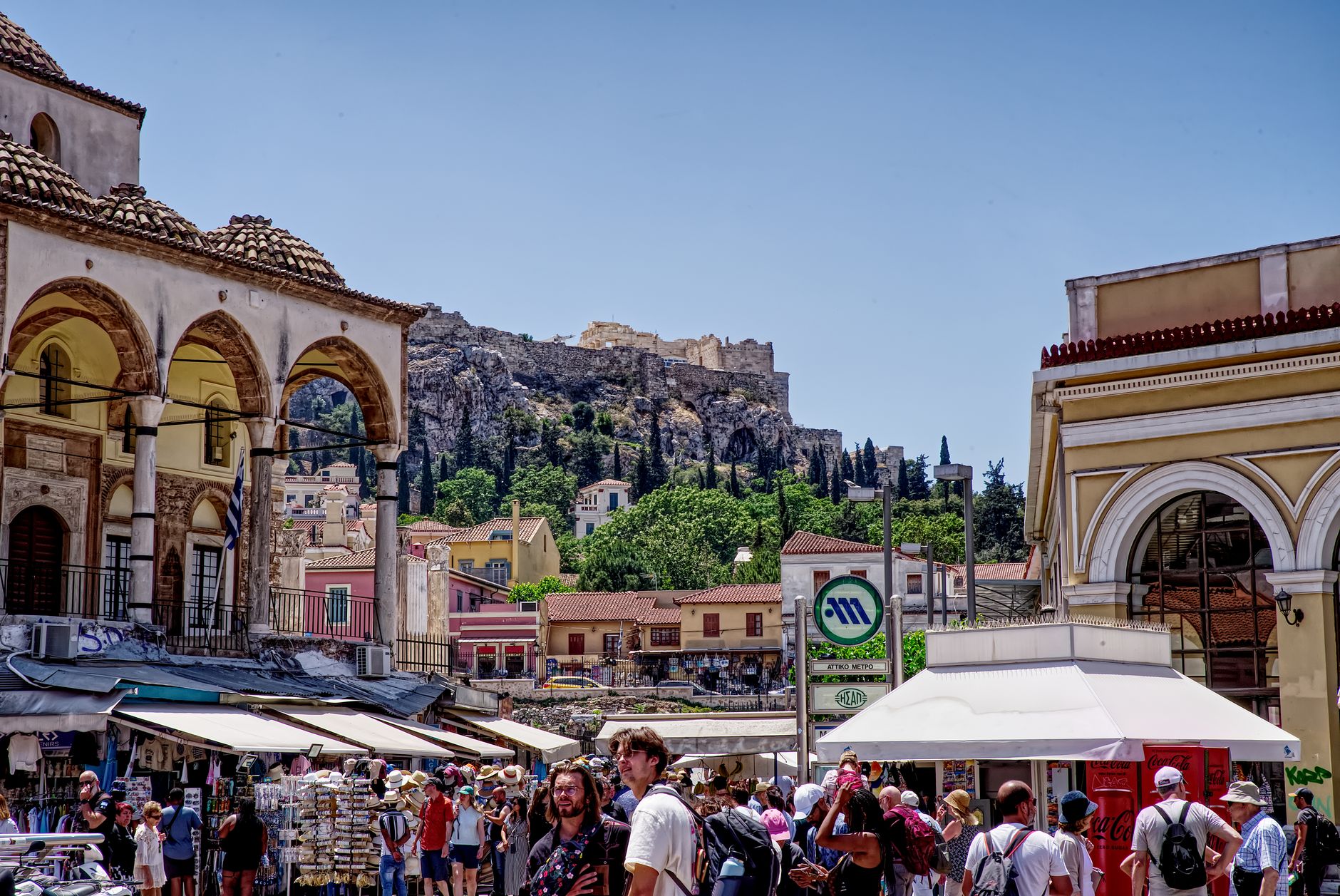
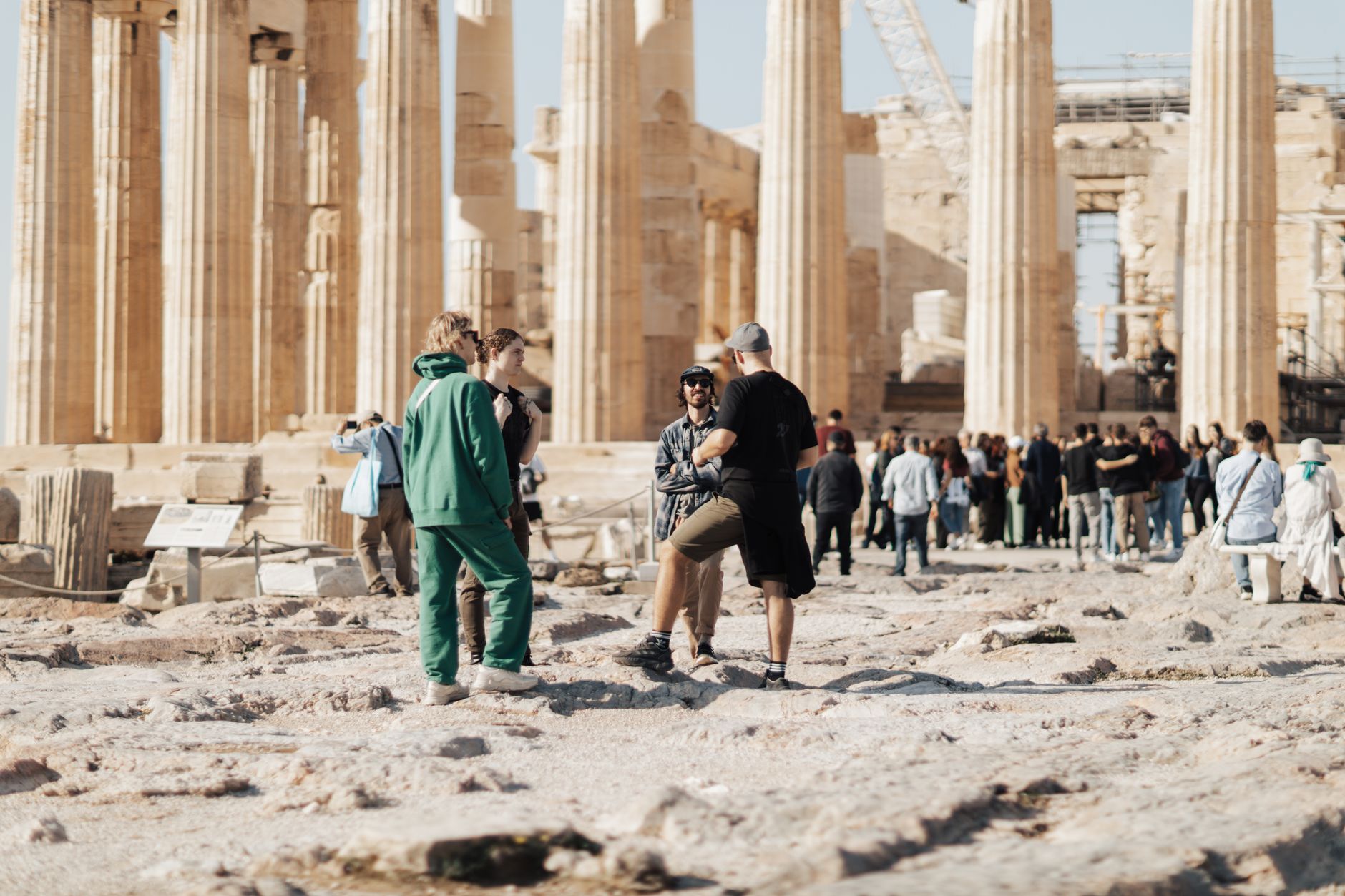
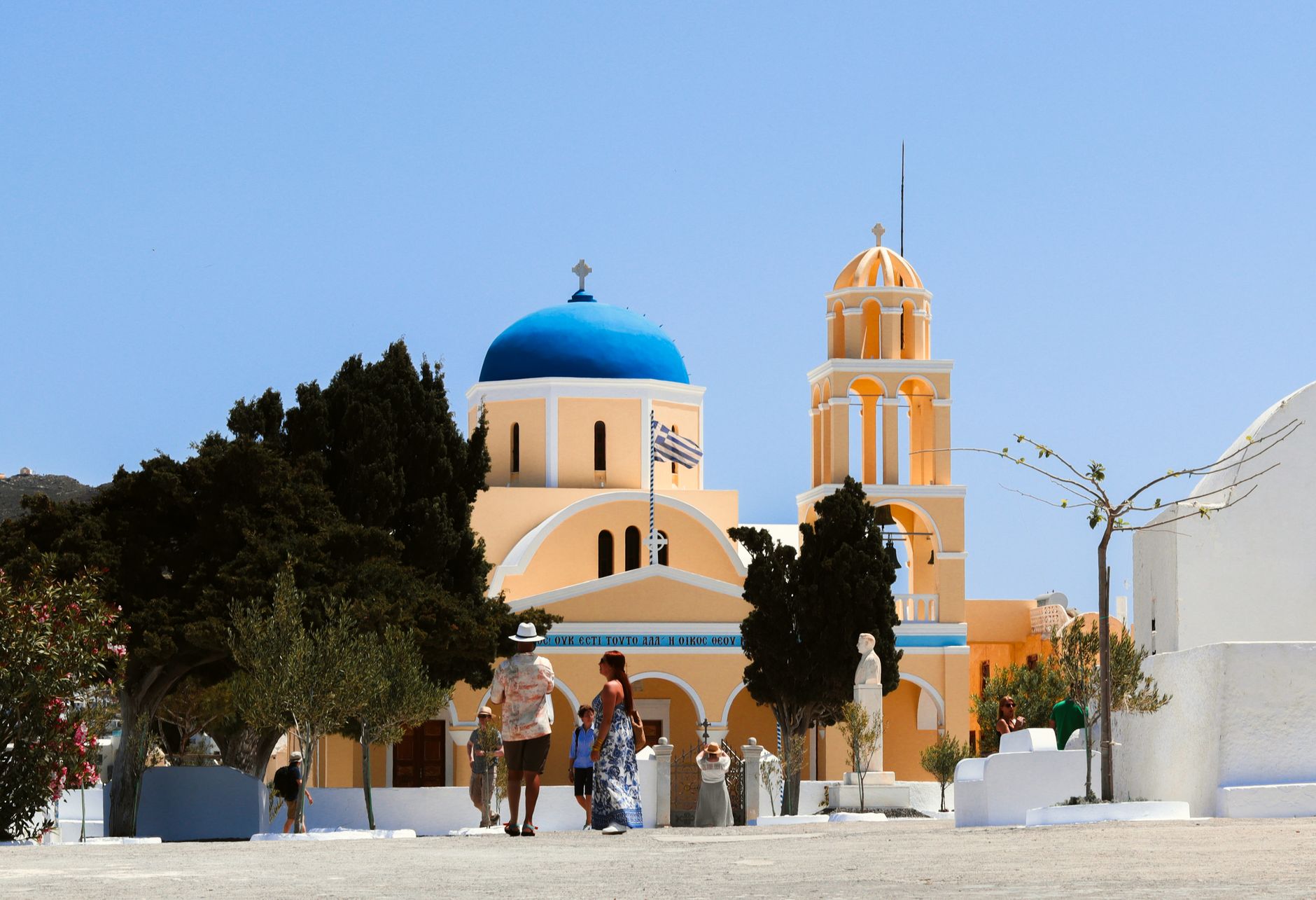
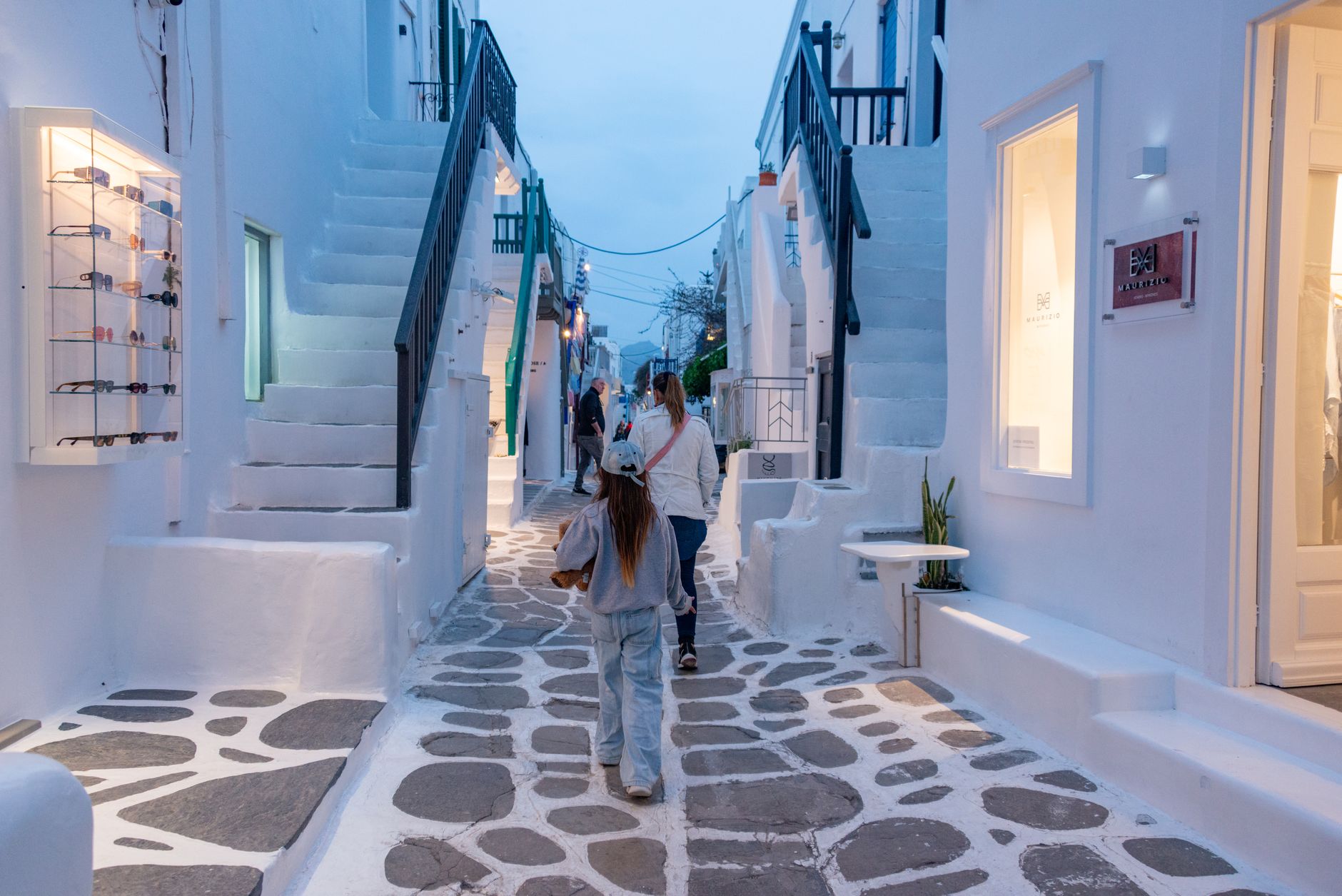
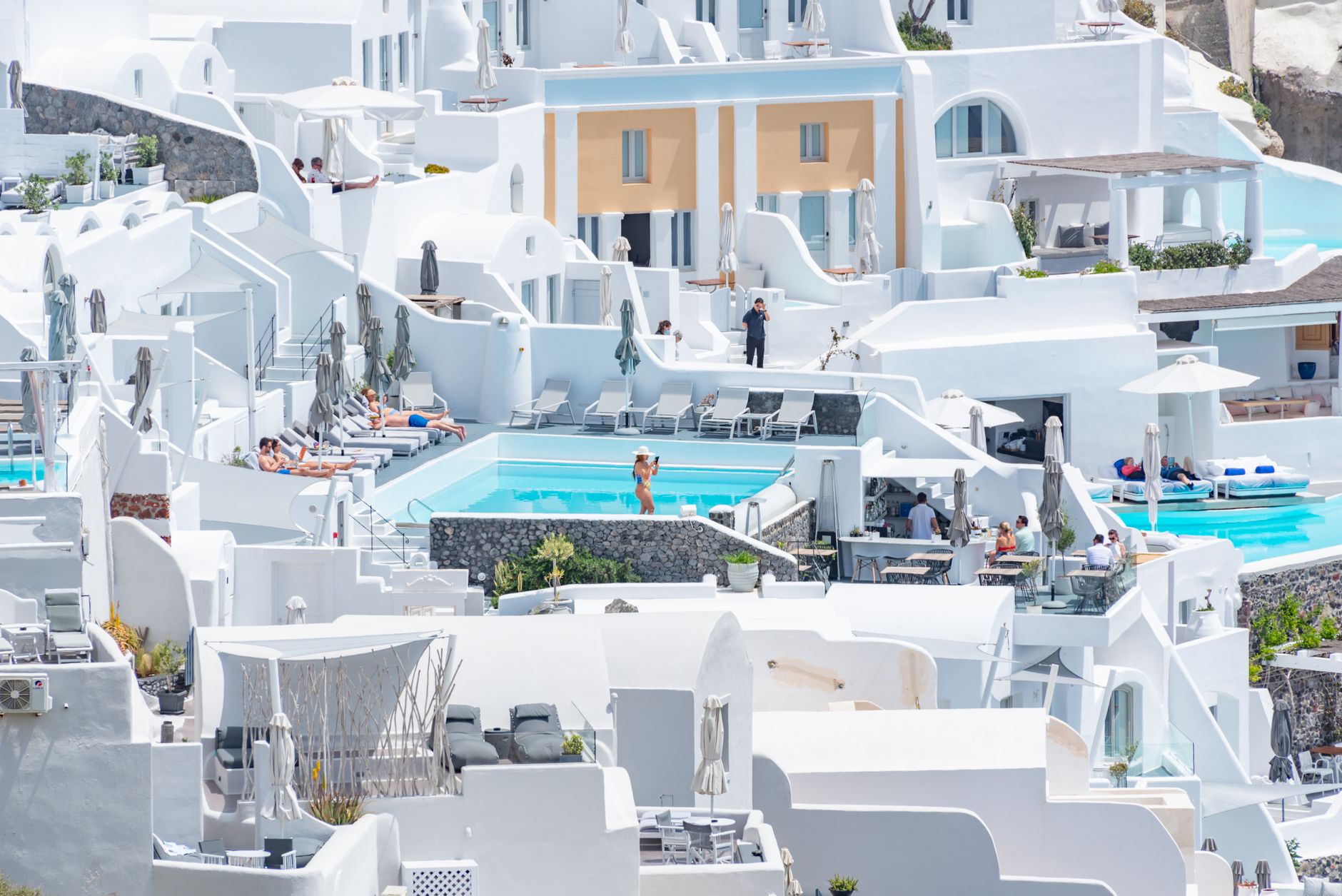
At the top of Santorini's highest hill, Pyrgos sits with its back to the caldera views that dominate every other conversation on the island. What you get instead is a Venetian castle from around 1580 — the best preserved of the five that once fortified Santorini — and a village of narrow lanes dense with churches, roughly forty of them, some dating to the 10th century. The streets are tight enough that two people with bags have to negotiate passing.
Most visitors arrive, loop the castle, and leave within the hour. That's one way to do it. The other is to slow down long enough to notice the underground tunnel network inside the Kasteli, the carved wooden iconostasis in the Church of Panagia Eisodion, and the monastery of Profitis Ilias watching over everything from 567 metres up.
💛 What travellers fall for
People who come back tend to make for Franco's Cafe, sitting inside the castle walls at the very top, for the particular quality of quiet up there — the island spread below, the wind doing its work, and none of the caldera-side crowds. The 2€ bus from Fira keeps it honest.
Deals in Pyrgos
Book directly at the provider

How Pyrgos came to be
Pyrgos traces its origins to the 13th century, when Venetian rule over Santorini prompted the fortification of high ground across the island. The castle — Kasteli — was built around 1580 and is considered the most recently constructed of the island's five Venetian fortresses. Some seventy families lived within its walls, and the settlement beyond them eventually housed the island's first school. A tower on the site was demolished in 1735 and replaced by the monastery of Aghios Georgios.
The 1956 earthquake hit Pyrgos hard, as it did much of Santorini. What survived — and there is a great deal — was granted EU protected-settlement status in 1995. A 2019 restoration of Panagia Episkopi church, built in 1030, uncovered Hellenistic foundations beneath its medieval walls, a reminder that the hill was significant long before the Venetians arrived.
Who and what shaped it
Landmark buildings
See Pyrgos in motion
Plan your visit
On the map
When to go
Summer runs warm and sunny with the Aegean wind keeping most days manageable, though African heat waves are possible in July and August. Spring from May onward and autumn through October are the most comfortable windows — mild temperatures, fewer people, and the sea still swimmable well into October. Winter is genuinely mild by northern European standards but can bring wind, rain, and on rare occasions a dusting of snow.
Right now
Background & history adapted from Wikipedia (CC BY-SA) · specs from Wikidata (CC0) · weather from Open-Meteo · map data © OpenStreetMap contributors · photos from Wikimedia Commons / Unsplash with per-image credit. No third-party reviews or social posts reproduced.