
Athens
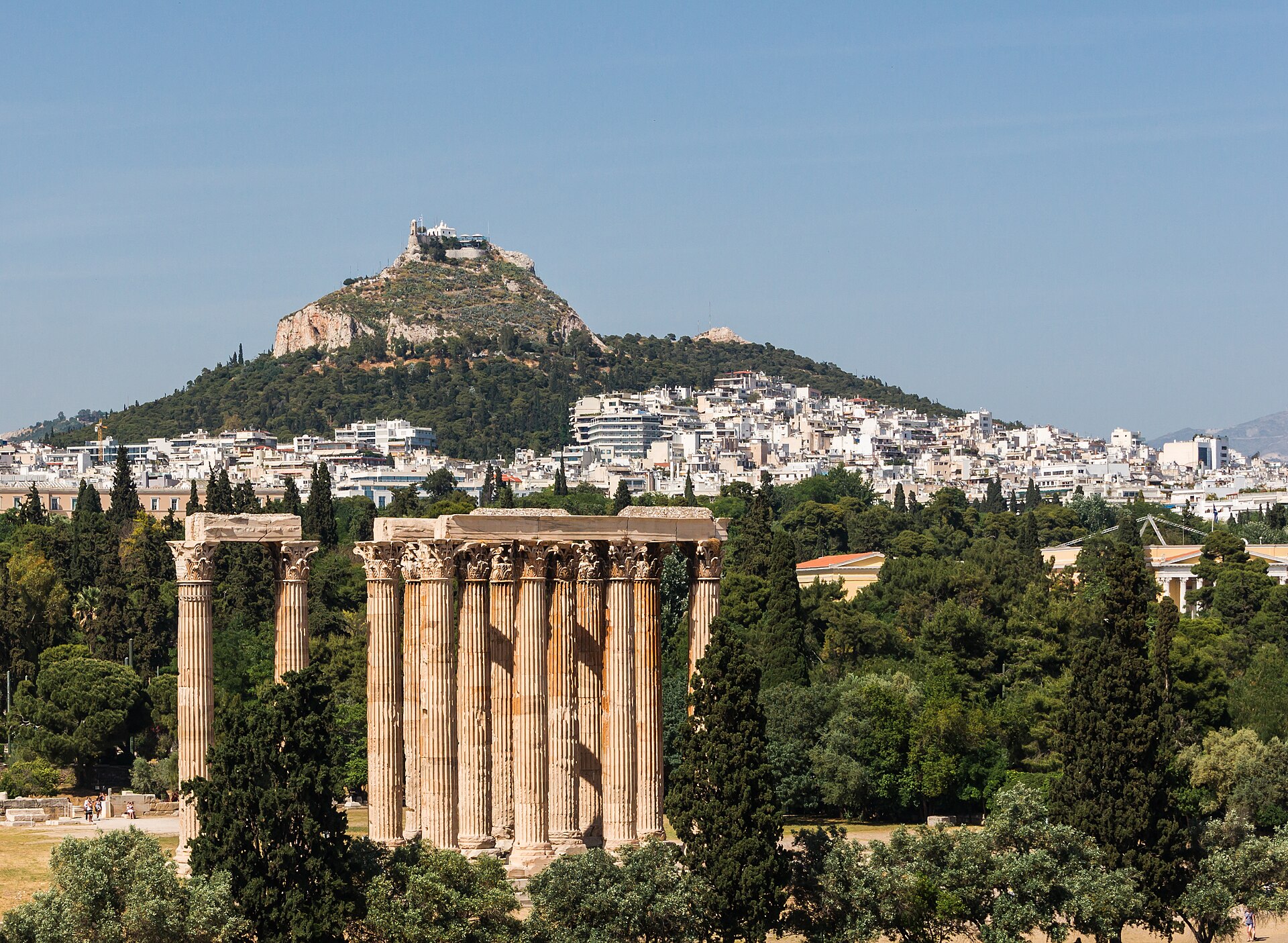
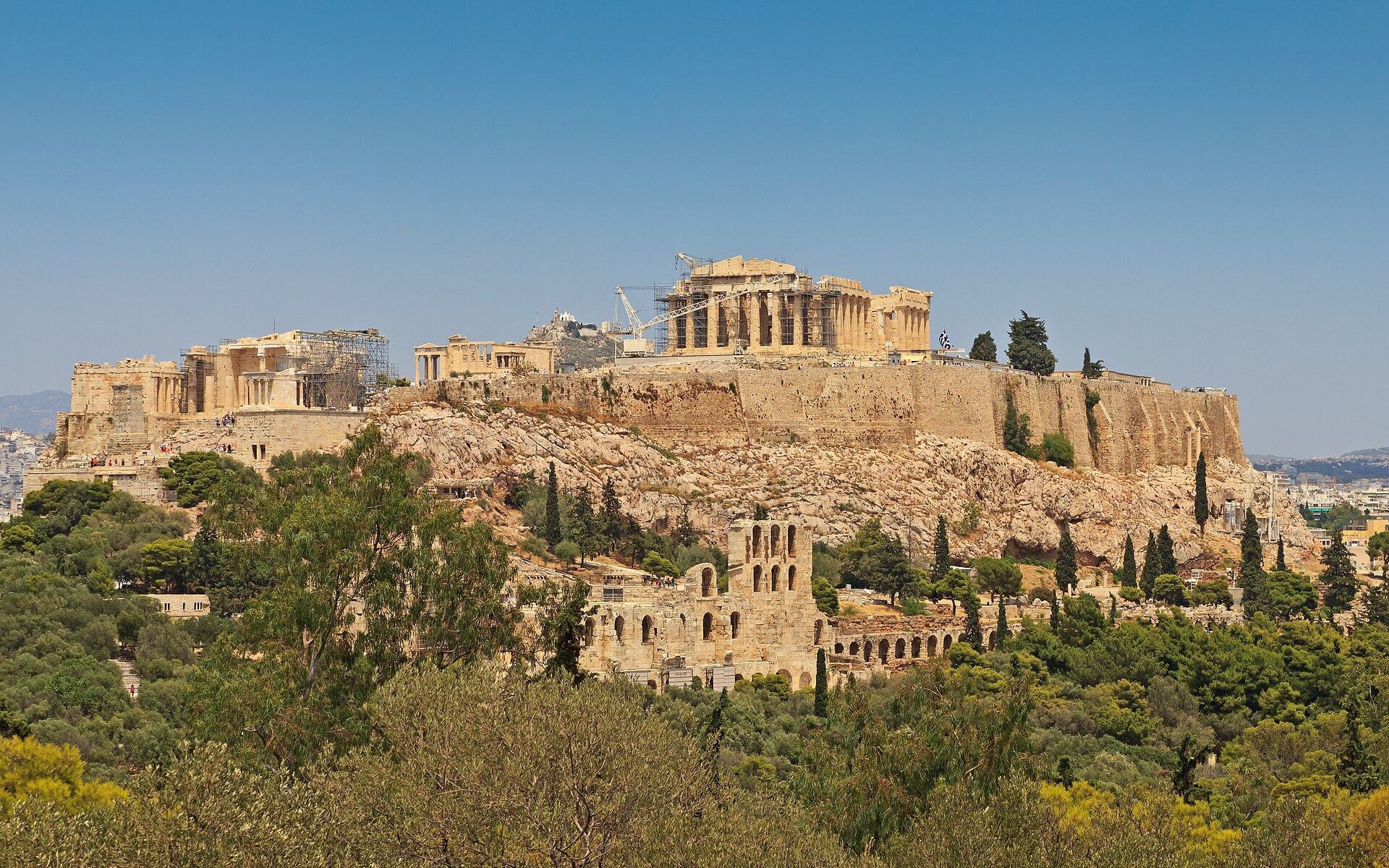
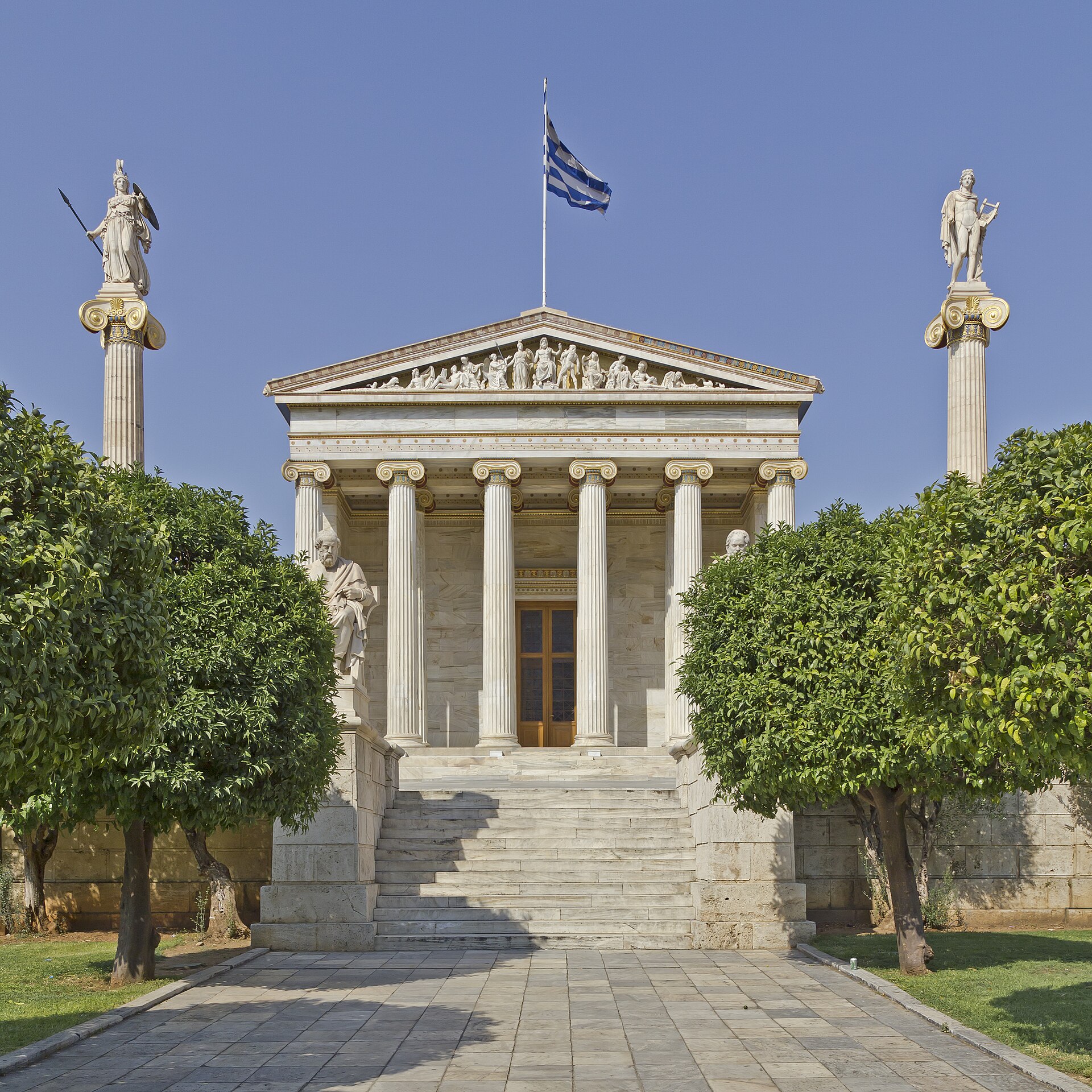

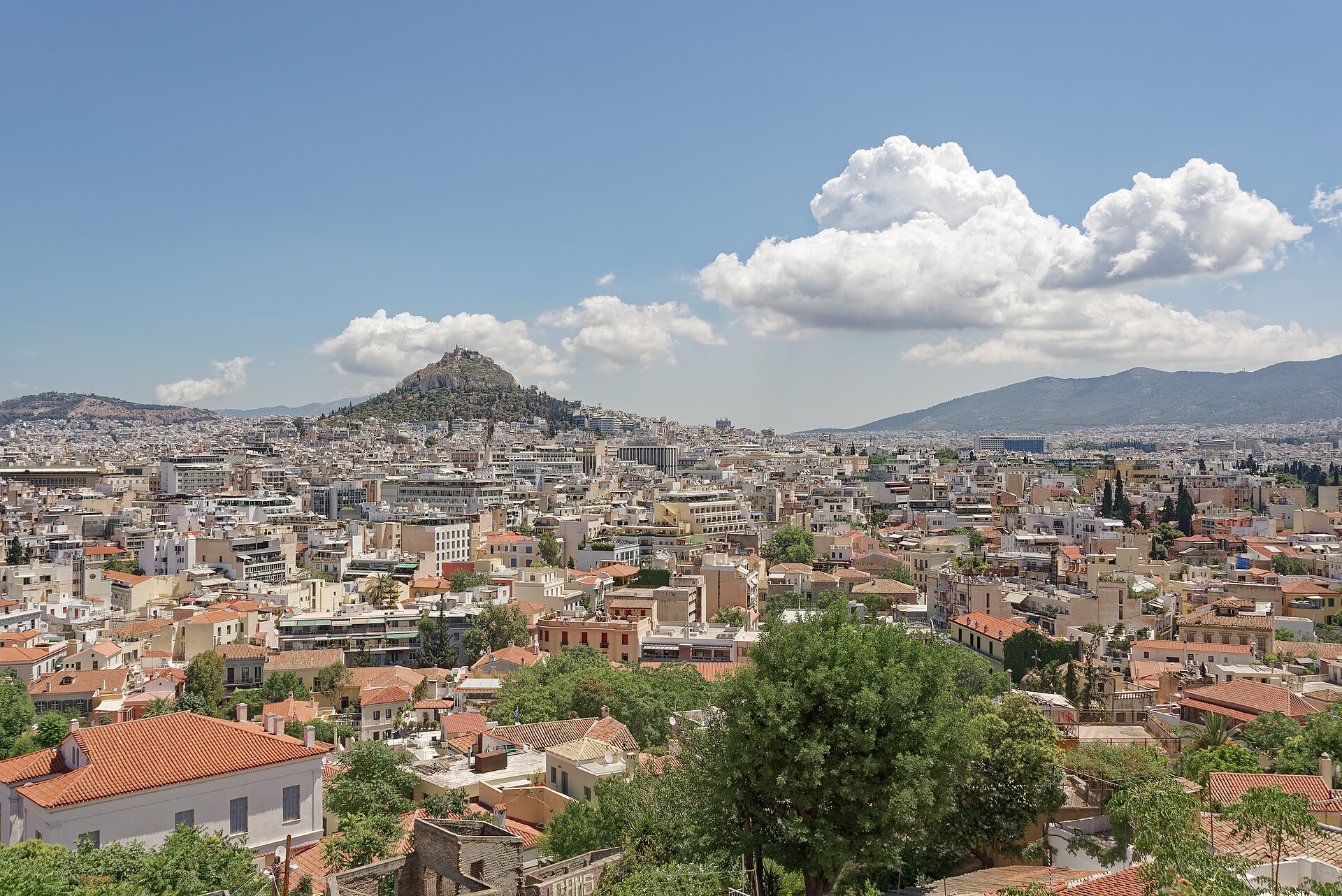
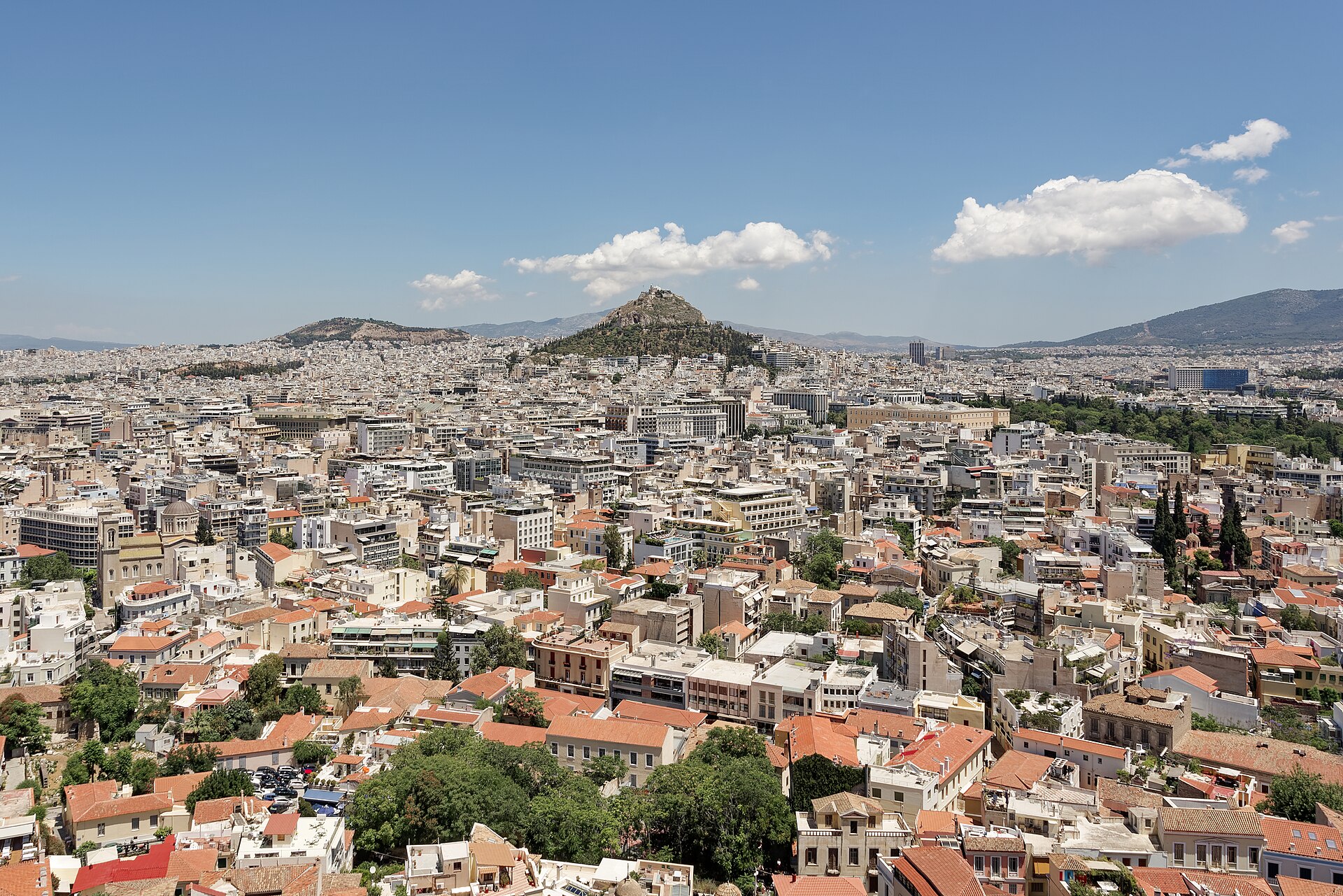
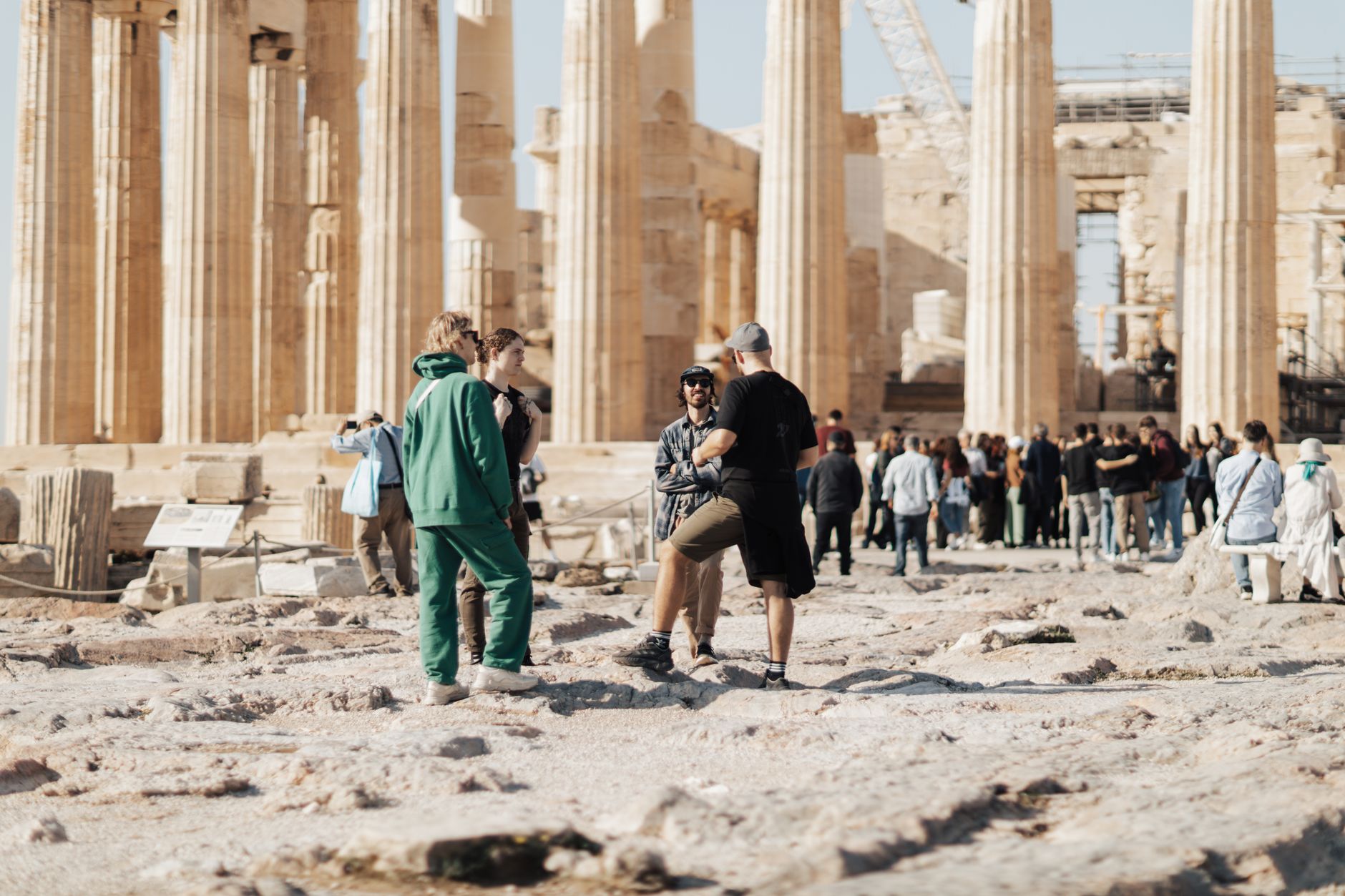
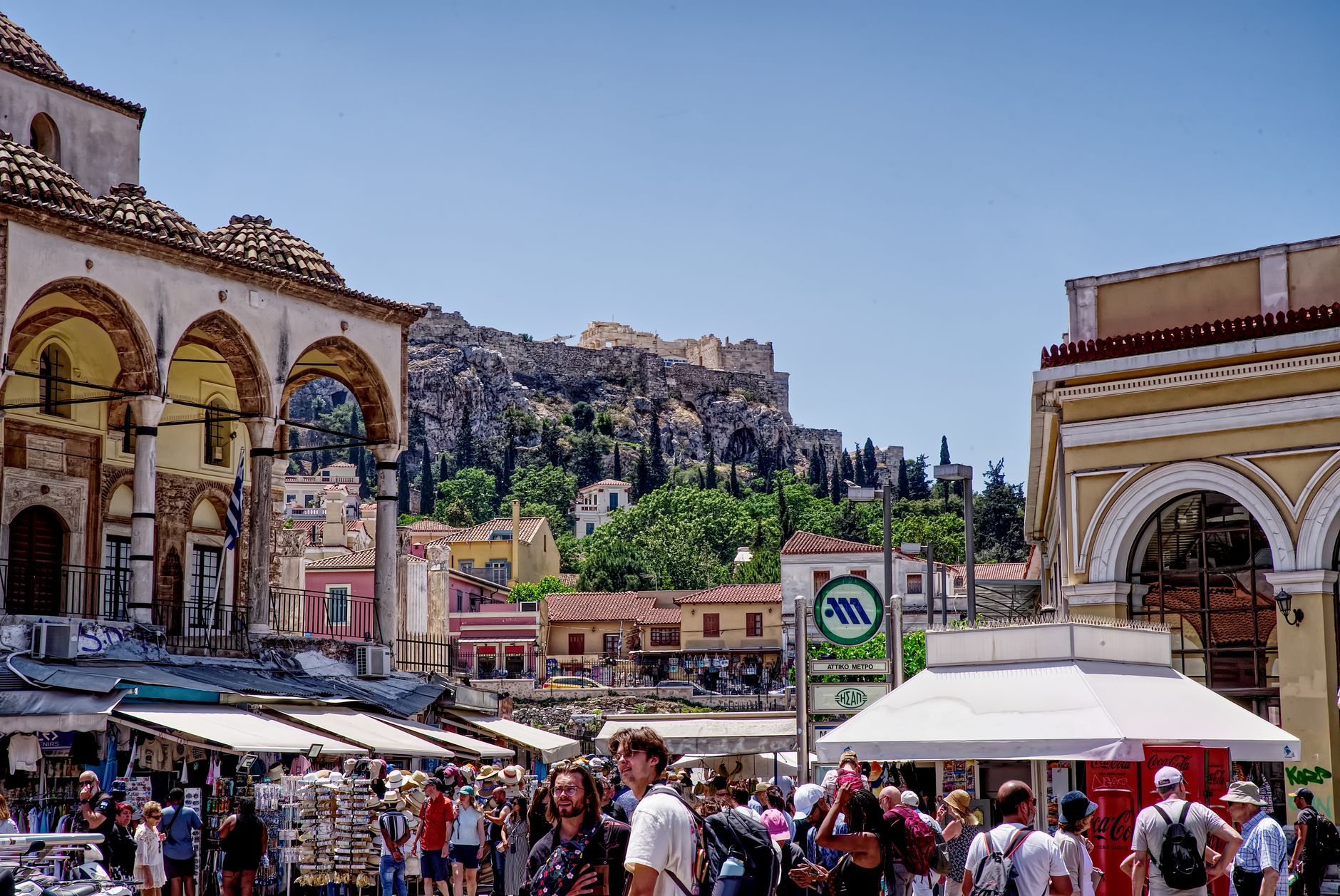
Athens is one of those cities where the ancient and the everyday share the same air. You can be eating a souvlaki at a plastic table and look up to find the Parthenon sitting on its hill above you, lit gold in the late afternoon. That hill — the Acropolis, 156 metres above the basin of the city — is the fixed point around which everything else orbits.
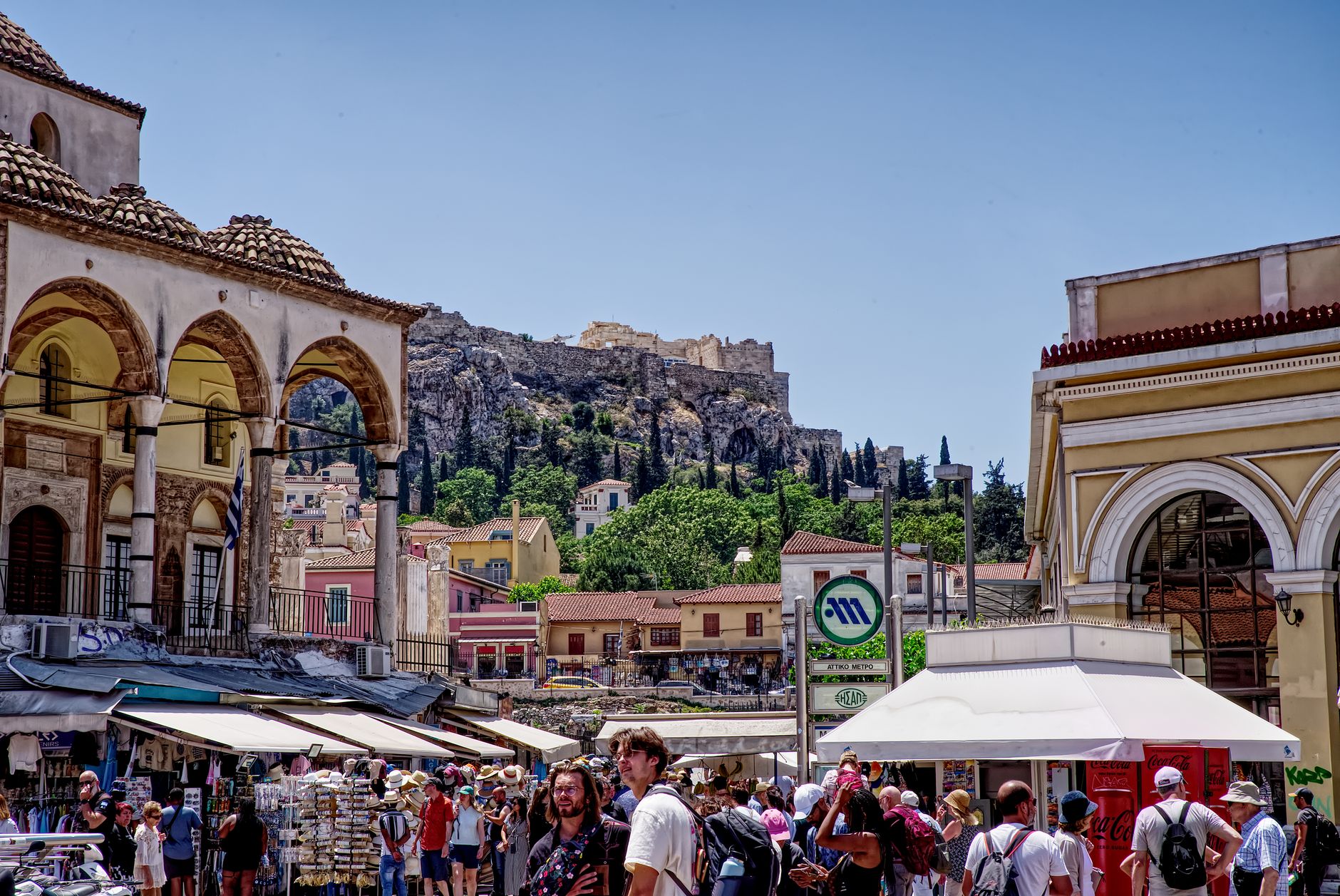
This is a region built on argument, law, and the idea that citizens might govern themselves. The weight of that history is real, but Athens wears it lightly. The metro is clean and cheap, the coffee is strong, and the neighbourhoods around Monastiraki and the ancient Agora are worth as much of your time as the monuments above them.
Popular cities in Athens







💛 What travellers fall for
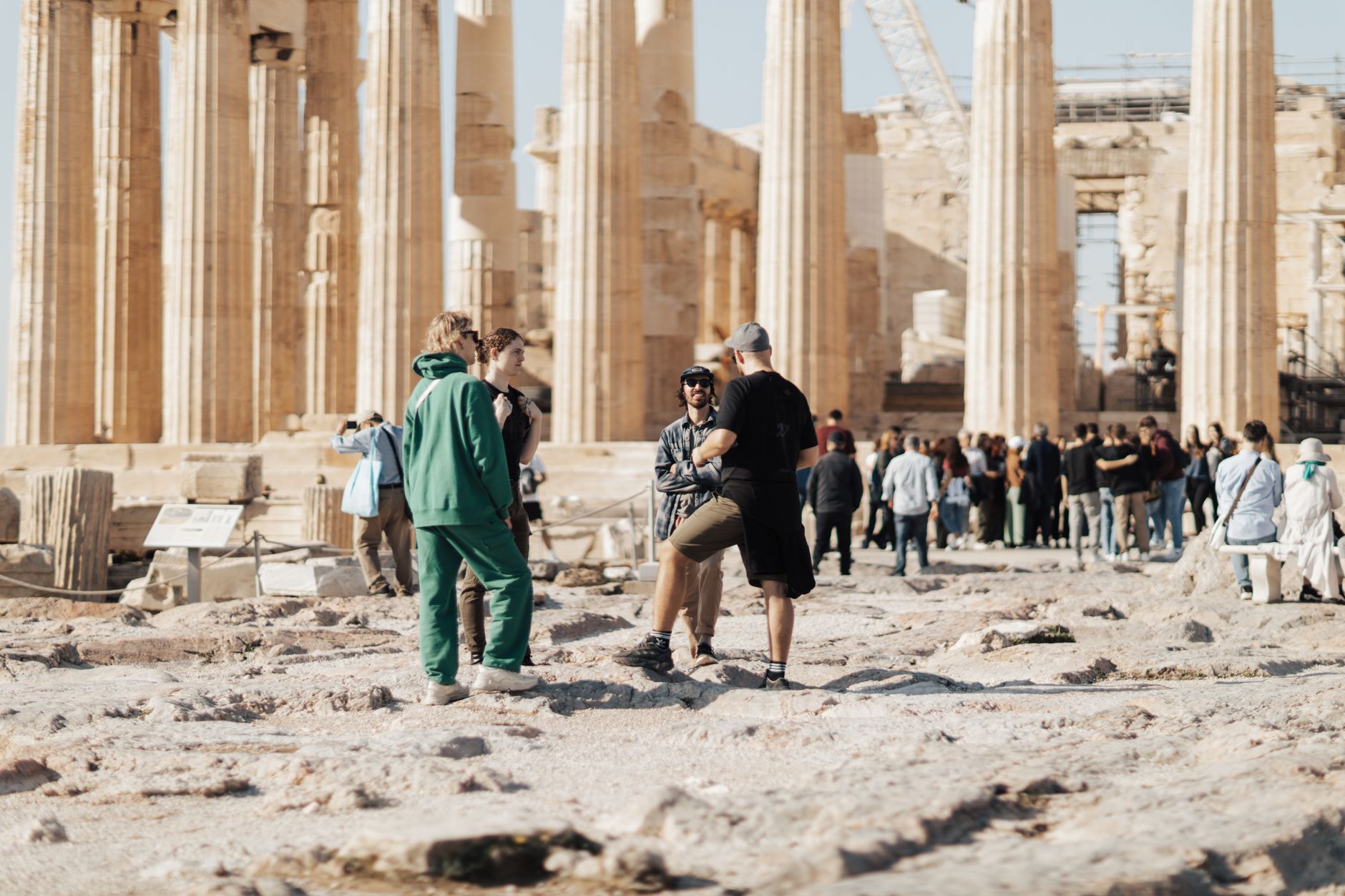
People who come back tend to sort out the Acropolis early — first thing on a weekday, tickets booked online well in advance — then spend the rest of the trip at ground level. The Agora, 400 metres north of the hill in what is now Monastiraki, is quieter and gives you a different sense of how the city actually worked.
How Athens came to be
People have lived on and around this hill for roughly 5,000 years. By the 8th century BC Athens had become a significant city-state, and over the following centuries a sequence of lawgivers — Draco, then Solon, then Cleisthenes — shaped it into something new. In 507 BC, under Cleisthenes, Athenian citizens established a working system of popular rule that held for nearly two centuries.
The Persians burned the city in 480 BC. Pericles rebuilt it. Under his direction, and with the sculptor Phidias and architects Ictinus and Callicrates, the Parthenon rose between 447 and 432 BC — a Doric temple to Athena on a hill that had already been fortified for eight centuries. Mnesicles began the Propylaea, the monumental entrance gate, in 437 BC. Athens became the capital of modern Greece on 18 September 1835, two years after Ottoman forces withdrew.
Who and what shaped it
People who shaped it
Landmark buildings
See Athens in motion
Plan your visit
On the map
When to go
Winters are mild and occasionally rainy; spring and autumn are the most comfortable times to walk the city. July and August regularly hit 35–36°C — the Acropolis in full summer sun is genuinely demanding, so early mornings matter.
Right now
↡ Cities


Background & history adapted from Wikipedia (CC BY-SA) · specs from Wikidata (CC0) · weather from Open-Meteo · map data © OpenStreetMap contributors · photos from Wikimedia Commons / Unsplash with per-image credit. No third-party reviews or social posts reproduced.