

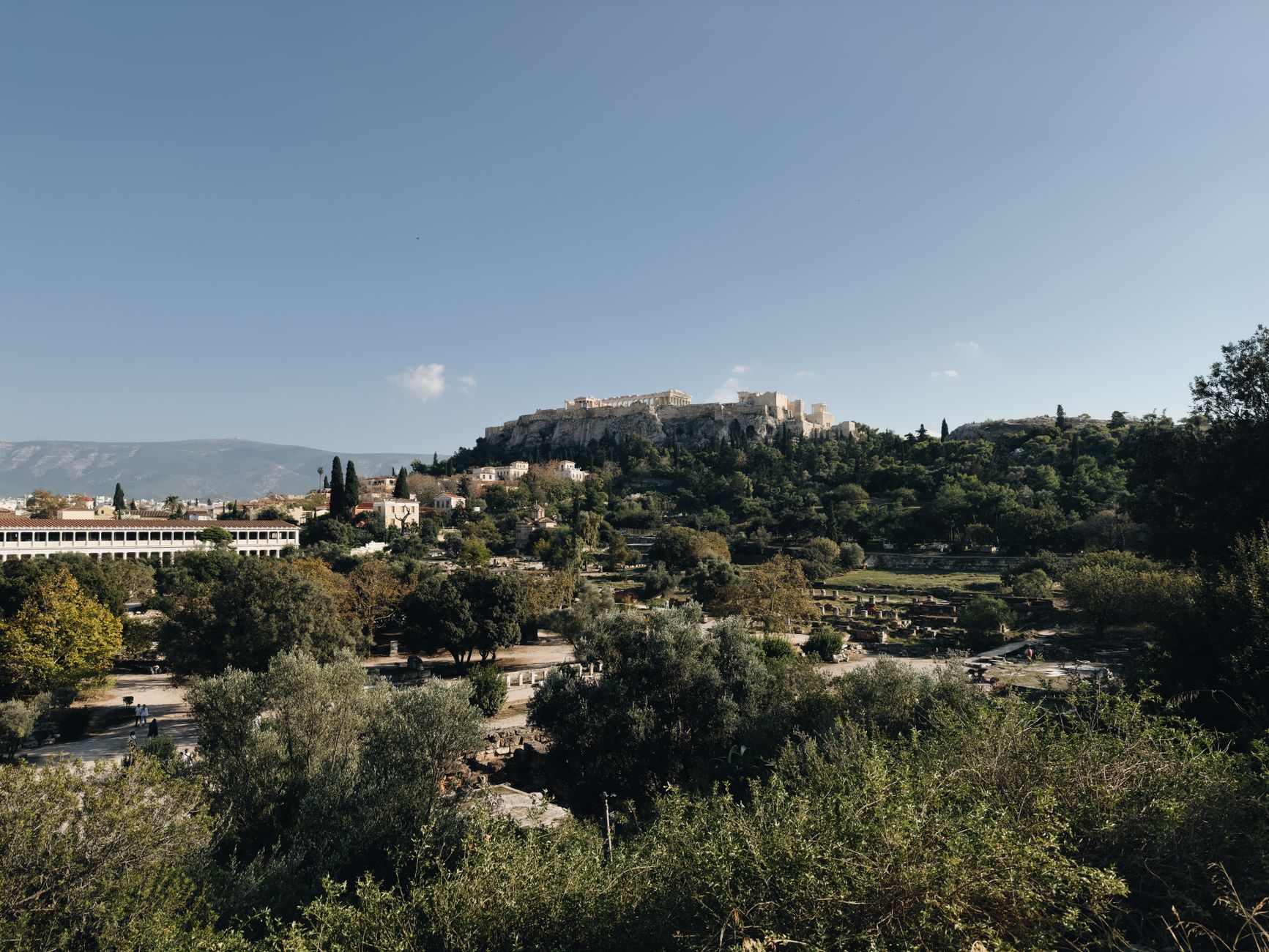
Acropolis of Athens
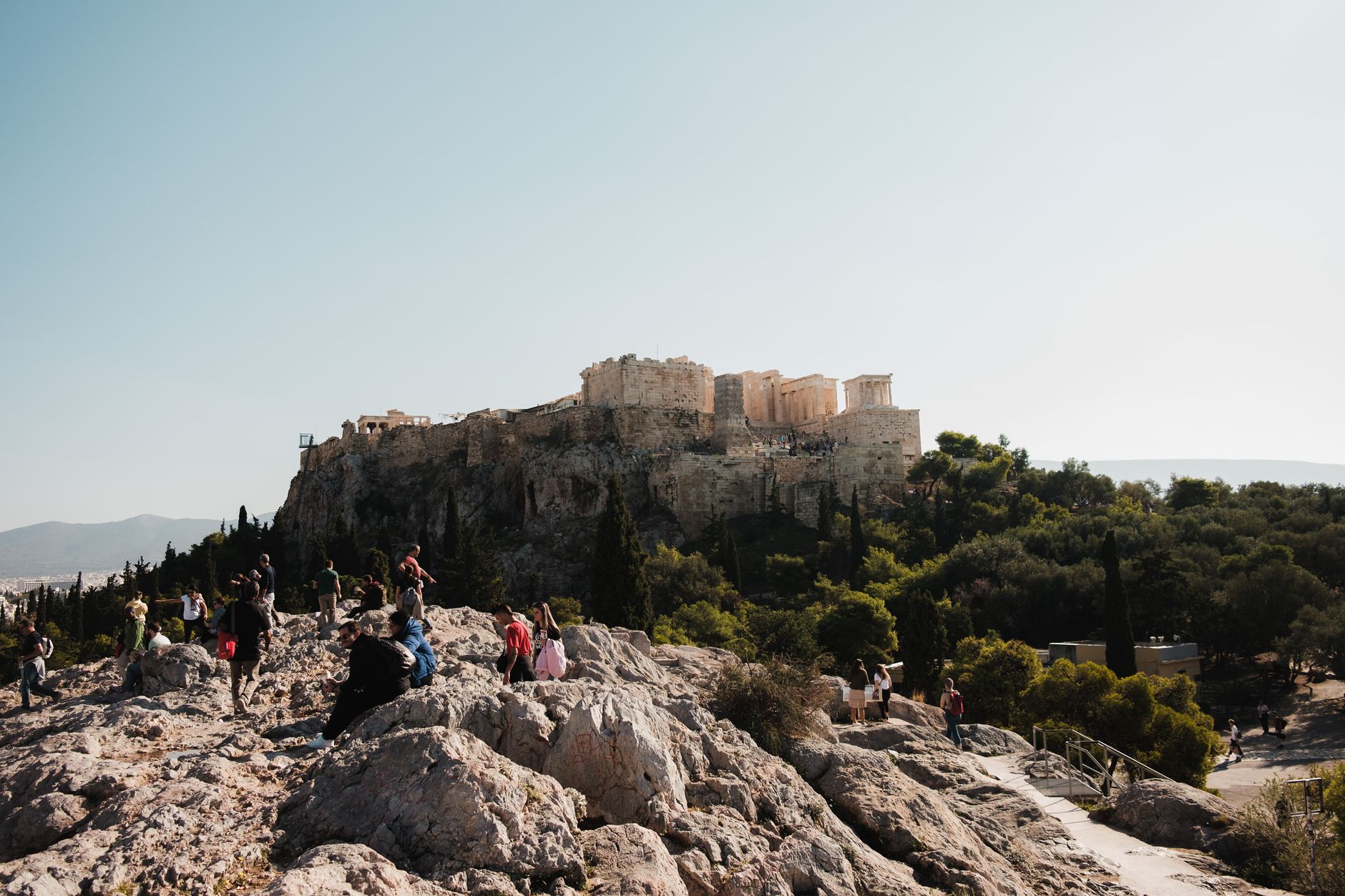
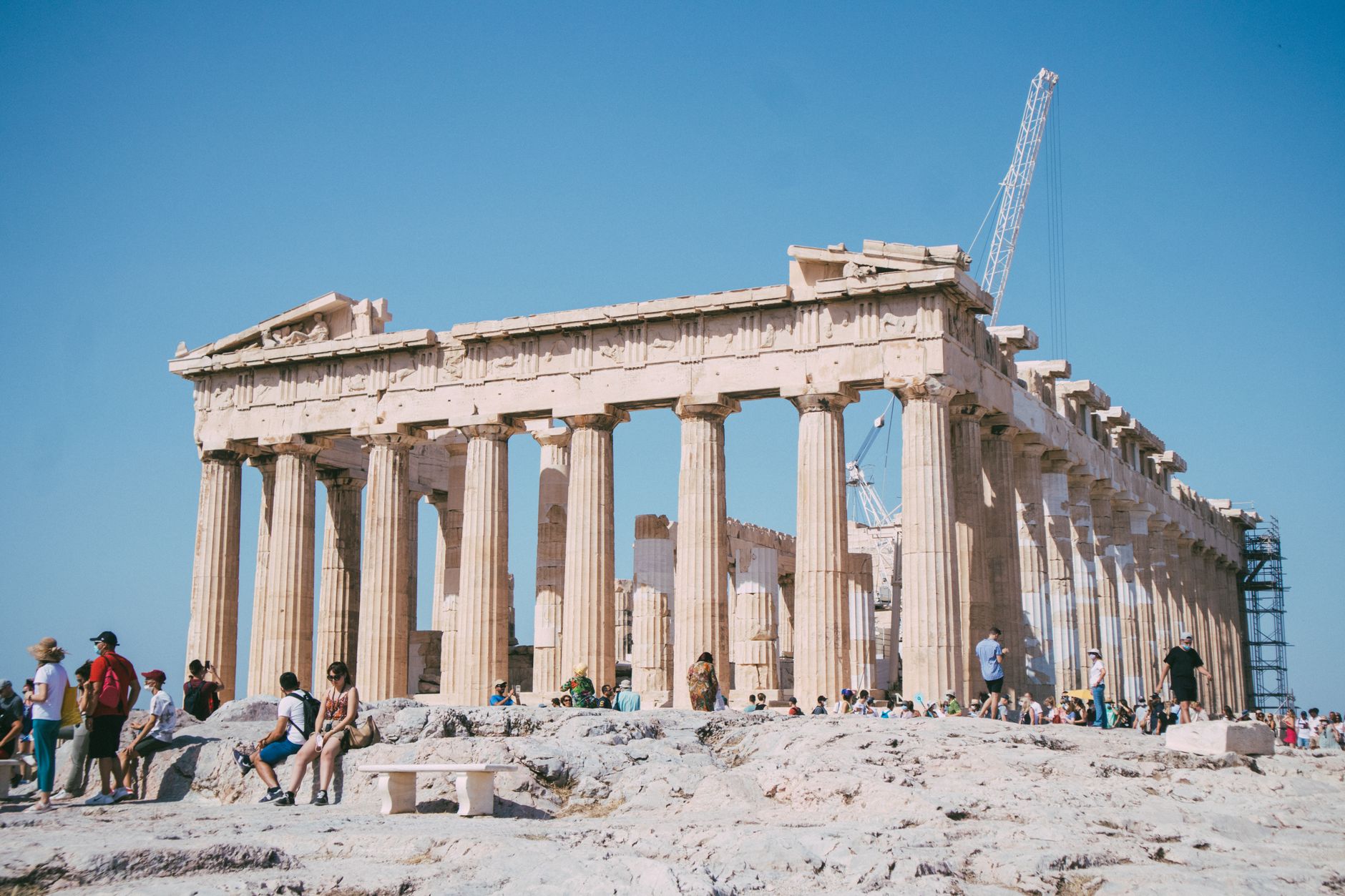
The first stone of the Parthenon was laid on 28 July 447 BCE, during the Panathenaic Festival, and the building was structurally complete within nine years. That compression of ambition and execution is still legible when you walk up the limestone path and the columns come into full view — not as a ruin exactly, but as something interrupted mid-thought.
The hill itself has been continuously occupied since the Neolithic period. Mycenaean kings built a palace here. Athenians raised temples, Byzantines converted them to churches, Ottomans into a mosque. Each layer was eventually stripped back or damaged, most catastrophically in 1687 when a Venetian cannonball hit the Ottoman powder magazine stored inside the Parthenon.
💛 What travellers fall for
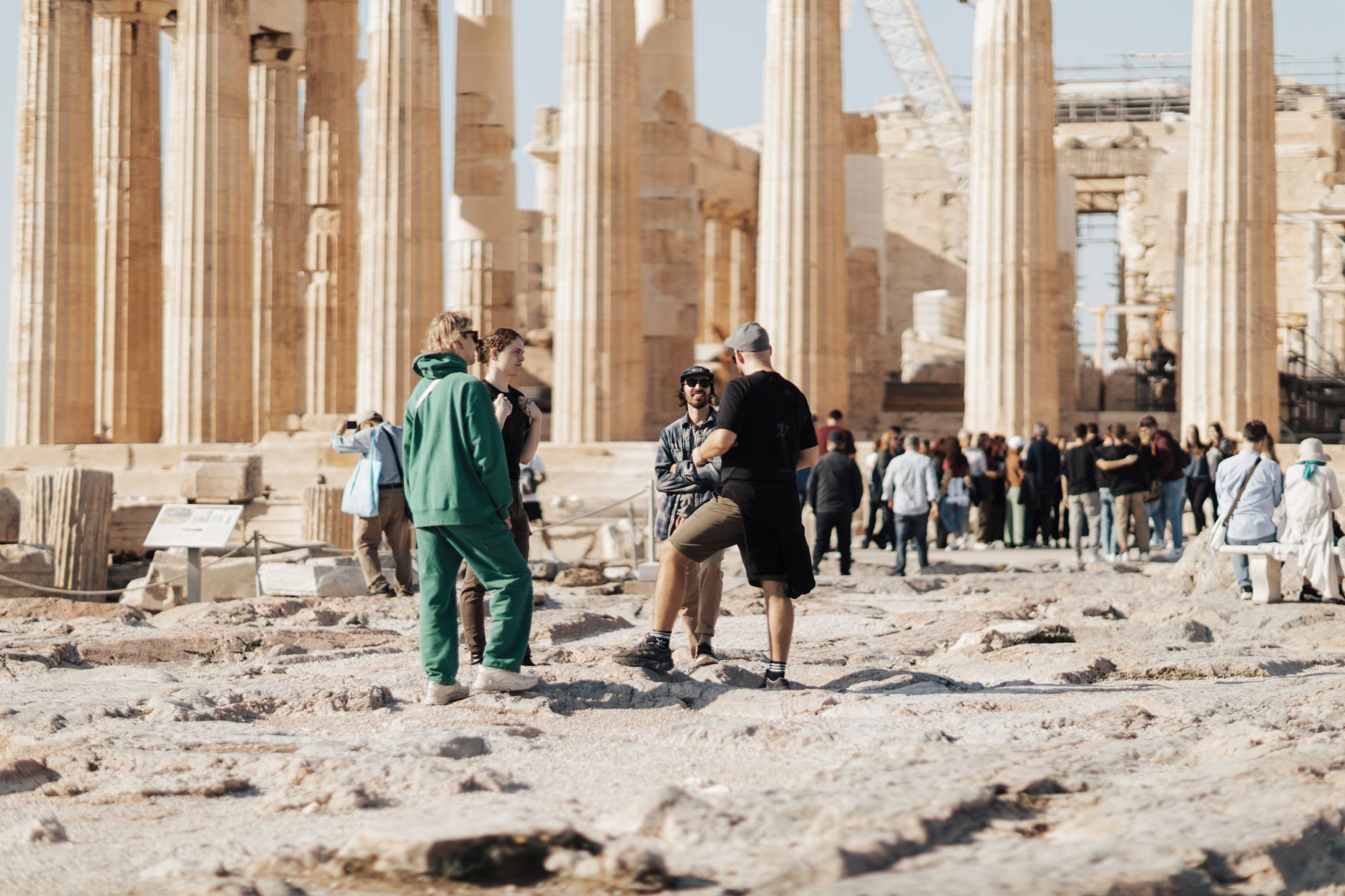
People who come back tend to arrive at opening — 8 AM sharp — before the tour groups clear the lower city. The Erechtheion's caryatid porch catches the early light differently from the Parthenon's west face. The Odeon of Herodes Atticus on the south slope is worth a long look even if you can't catch a performance there.
Experiences you don't want to miss
Deals in Acropolis of Athens
Book directly at the providerHow Acropolis of Athens came to be
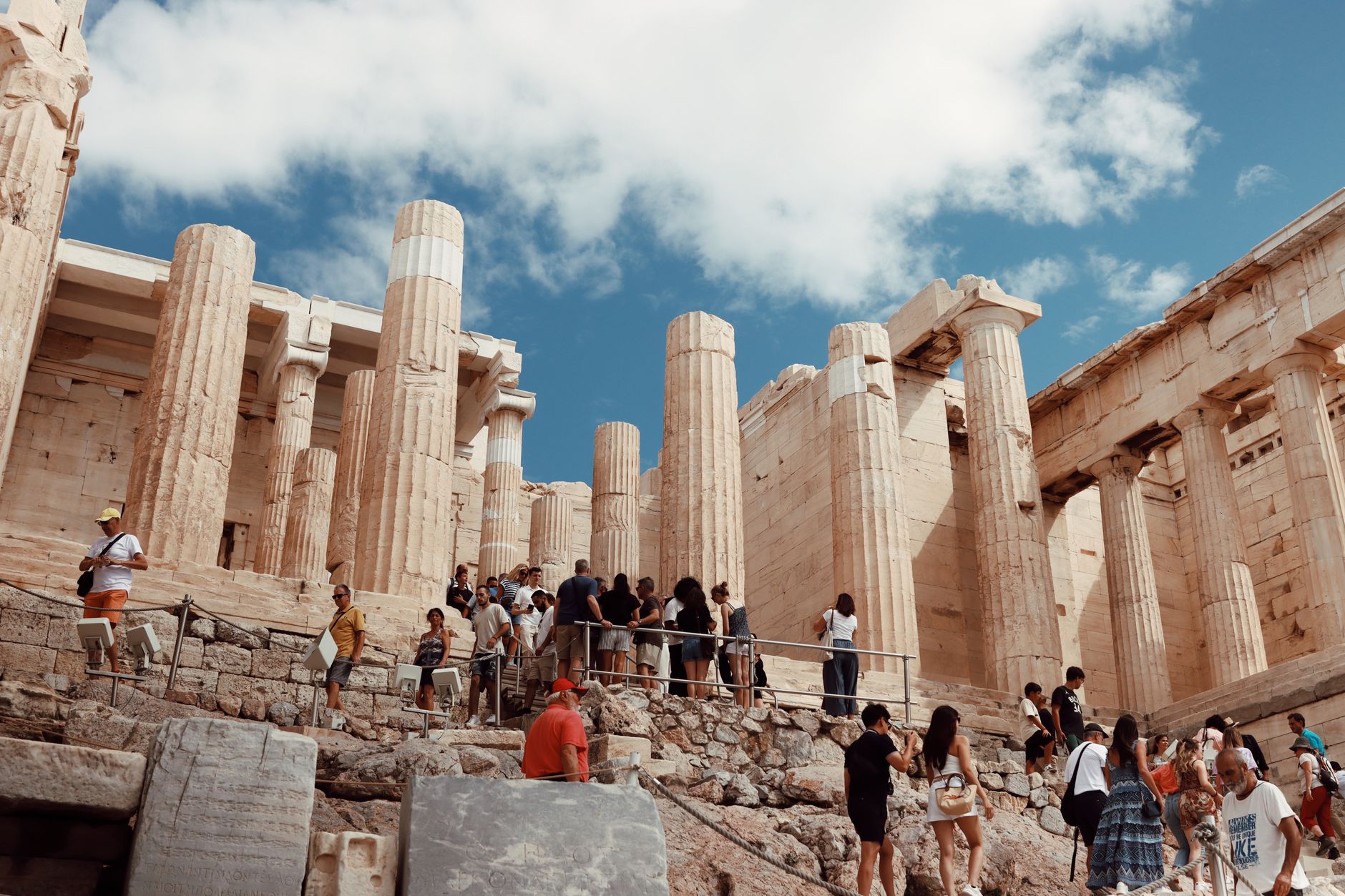
Pericles initiated the great reconstruction of the Acropolis around 447 BCE, commissioning the architects Ictinus and Callicrates and the sculptor Phidias to rebuild what the Persians had sacked in 480 BCE. The Parthenon was complete by 438 BCE, its exterior decoration finished by 432 BCE. Mnesicles began the Propylaea — the monumental marble gateway — in 437 BCE. The Erechtheion, an Ionic temple whose architect remains unknown, was built between 421 and 406 BCE on difficult uneven ground that required its famously asymmetric plan.
In 161 CE, the wealthy Athenian Herodes Atticus built an odeon on the south slope seating 5,000 people. It was destroyed by the Herulians, lay in partial ruin for centuries, and was reconstructed in the 1950s. The site was designated a UNESCO World Heritage site in 1987.
Who and what shaped it
People who shaped it
Landmark buildings
See Acropolis of Athens in motion
Plan your visit
On the map
When to go
Summer on the hill is unshaded and hot — temperatures regularly exceed 35°C in July and August, and the marble reflects the heat back at you. Spring (April–May) and autumn (October) offer cooler air and lower crowds; winter visits are quieter still, though hours are shorter and rain is possible.
Right now
Background & history adapted from Wikipedia (CC BY-SA) · specs from Wikidata (CC0) · weather from Open-Meteo · map data © OpenStreetMap contributors · photos from Wikimedia Commons / Unsplash with per-image credit. No third-party reviews or social posts reproduced.