
Pangrati
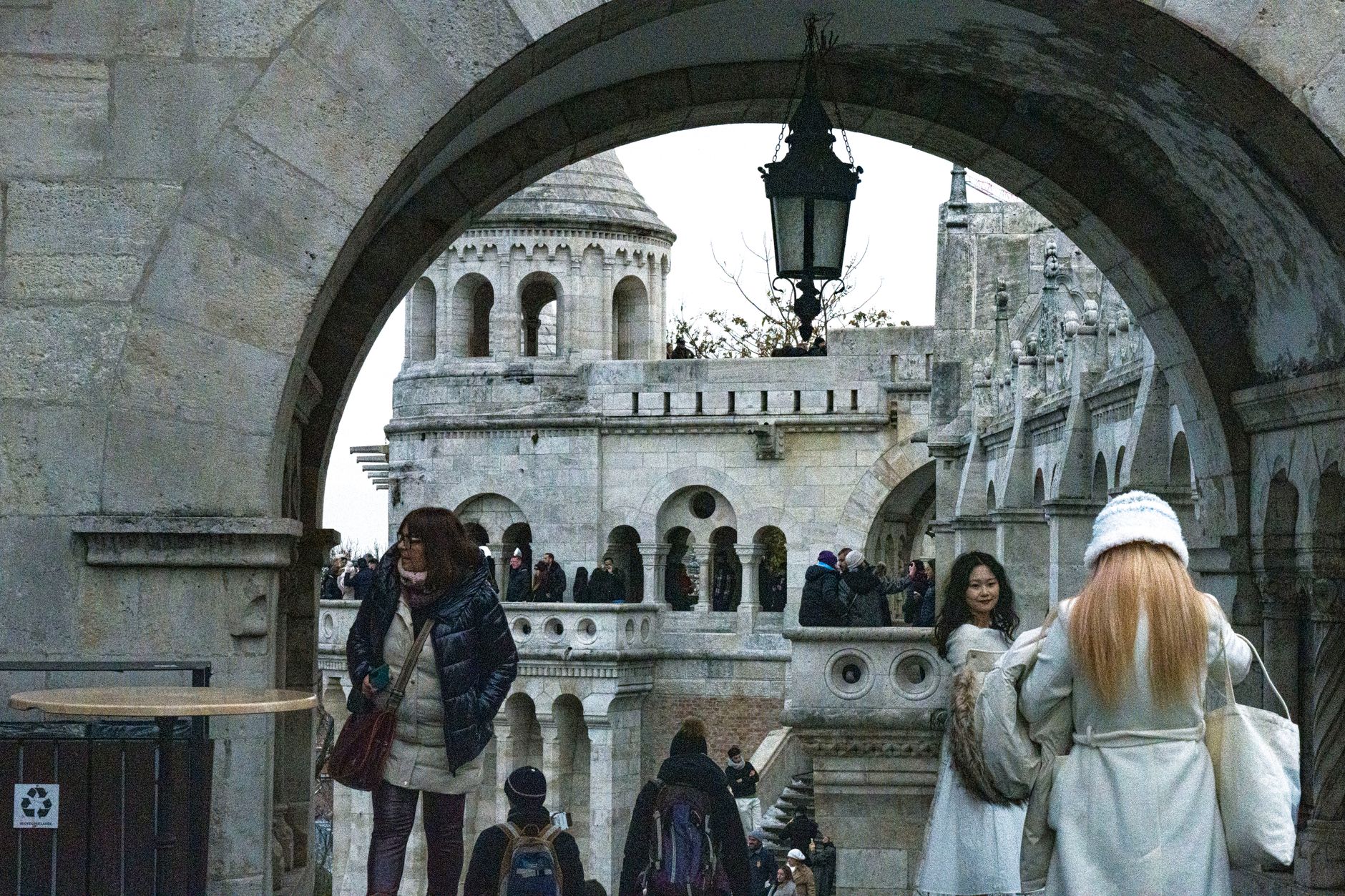
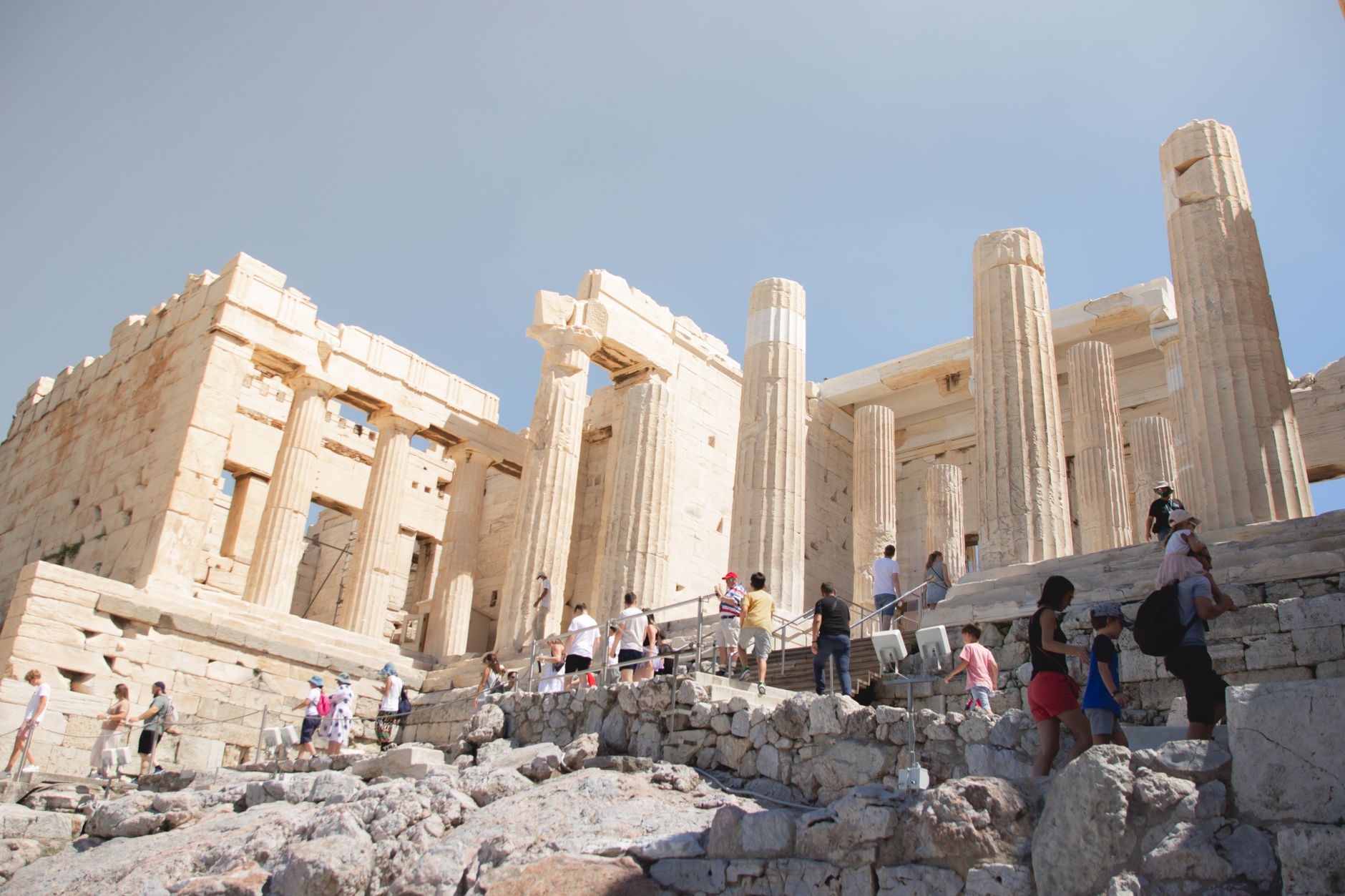
The marble of the Panathenaic Stadium glows a particular warm white in the afternoon, and it's the first thing that tells you Pangrati is different from the neighbourhoods that ring the Acropolis. This is where Athens lives rather than performs — laiki markets on Tuesday and Friday mornings, arthouse cinemas on Damareos Street, squares named after poets where the kafeneion chairs haven't moved in decades.
Giorgos Seferis wrote here. Manos Hatzidakis kept a favourite table at Proskopon Square. Maria Callas studied at the conservatoire on these streets. The neighbourhood holds all of that lightly, without making a monument of it.
💛 What travellers fall for
People who come back tend to time a Tuesday around the Spyrou Merkouri laiki, then walk it off on Ardittos Hill before the afternoon heat sets in. The Goulandris Museum of Contemporary Art draws a fraction of the crowds that queue elsewhere in Athens — arrive mid-morning and you'll often have a gallery to yourself. End the day at Oasis open-air cinema, May through September, for a film under the Attic sky.
Deals in Pangrati
Book directly at the provider


How Pangrati came to be
The name on the maps came first — German cartographers recorded 'Pangrati' in 1891 — but the neighbourhood as a living place took shape in the interwar years. In 1924, honouring the centenary of Byron's death at Messolonghi, it was officially renamed the Settlement of Vyronas (Byron), becoming its own municipality a decade later in 1934. Asia Minor refugees were among the first to settle in numbers, and the Pangrati Grove, planted in 1908 under the care of Queen Sophia by the Friendship Forest Union, gave the area a breathing space that 30 acres of it still provides.
Through the mid-twentieth century, Pangrati became the kind of neighbourhood that writers and composers chose deliberately — close enough to central Athens to matter, calm enough to work.
Who and what shaped it
People who shaped it
Landmark buildings
See Pangrati in motion
Plan your visit
On the map
When to go
Mid-April through late May is the easiest time to be here: warm without the intensity that arrives in June and holds through August, when Athens earns its reputation as Europe's hottest capital. Winter is mild and intermittently rainy, with enough clear days to make the walk up Ardittos Hill worthwhile almost any month.
Right now
Background & history adapted from Wikipedia (CC BY-SA) · specs from Wikidata (CC0) · weather from Open-Meteo · map data © OpenStreetMap contributors · photos from Wikimedia Commons / Unsplash with per-image credit. No third-party reviews or social posts reproduced.