
Thissio

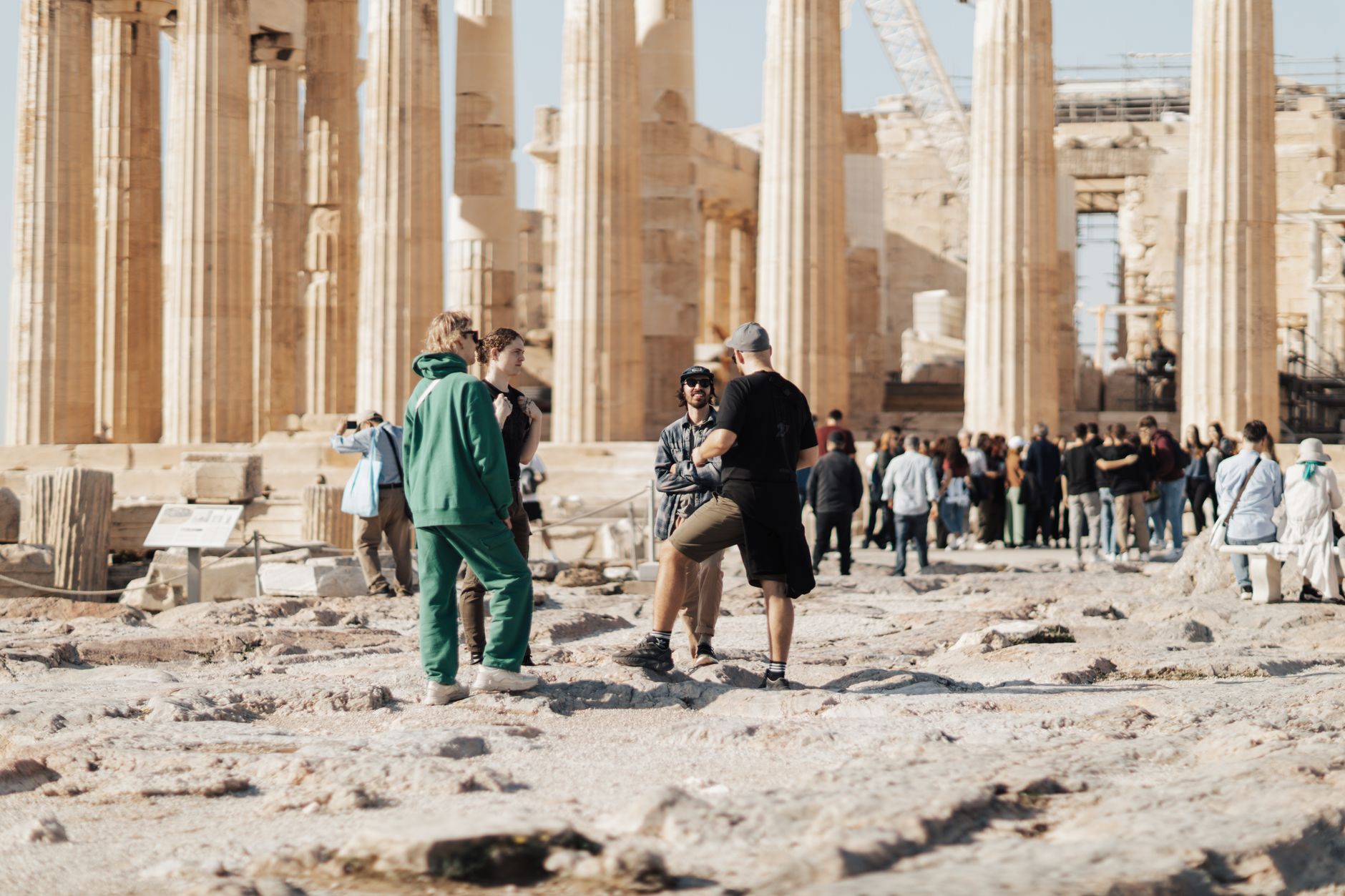
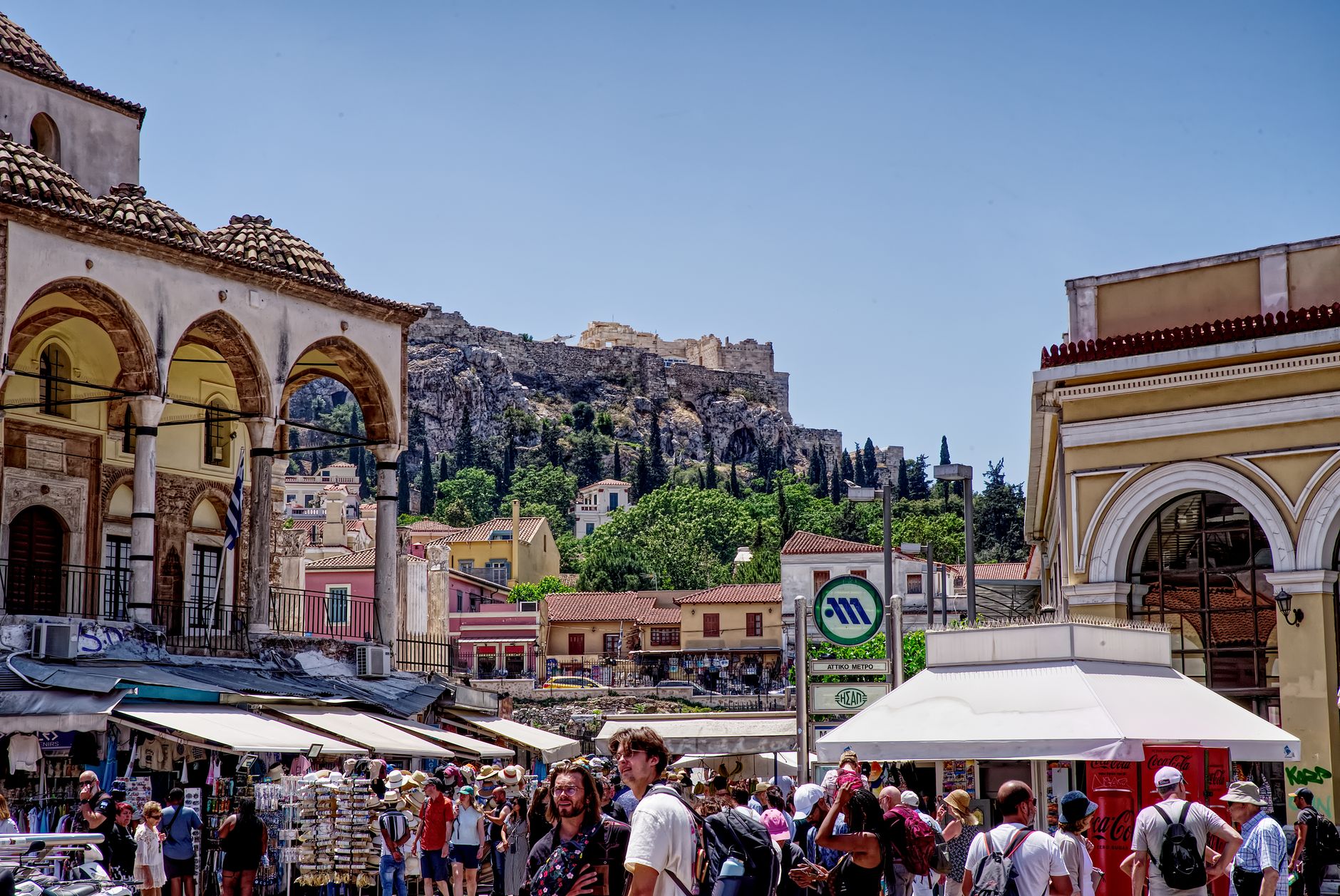
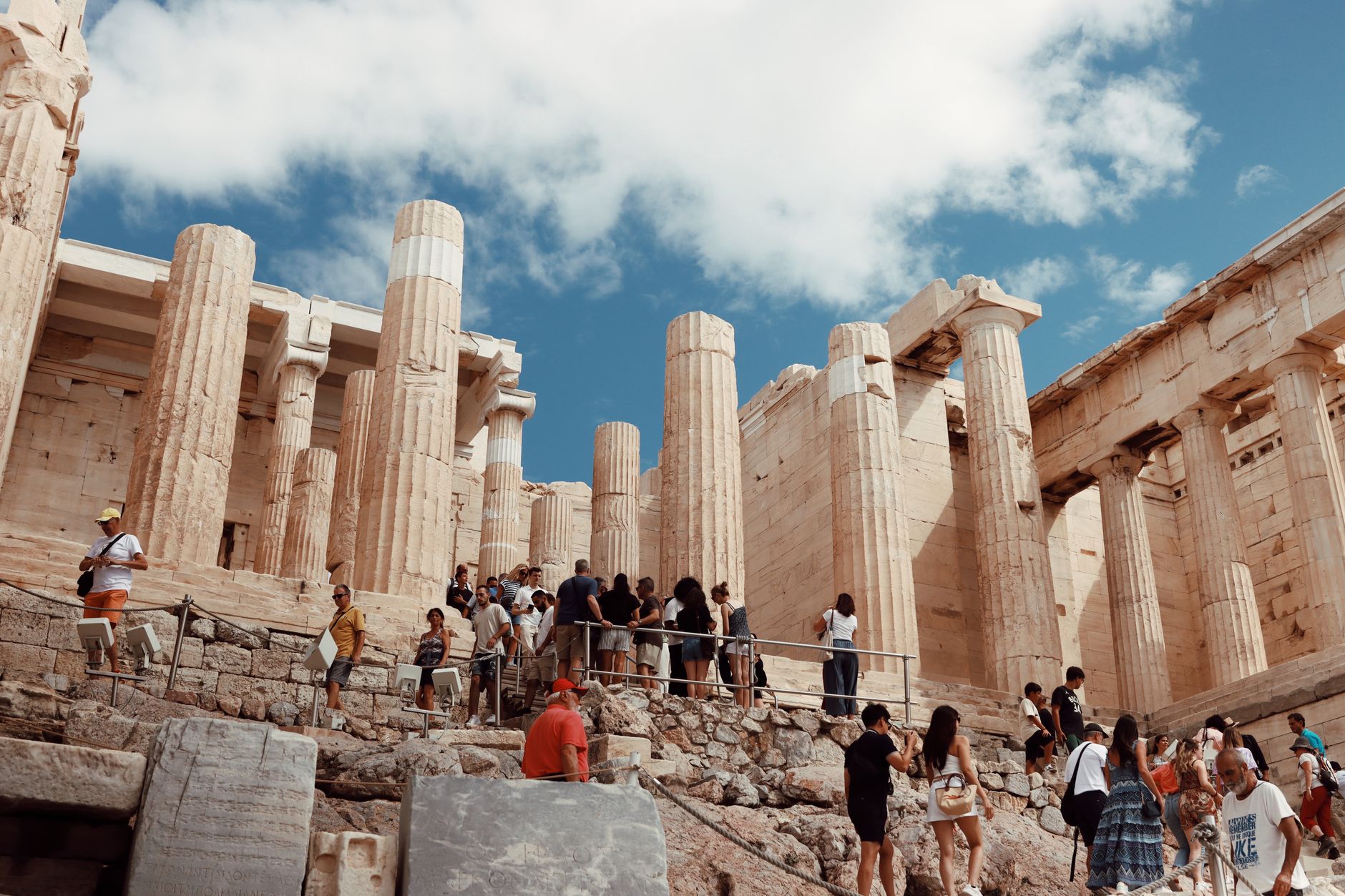
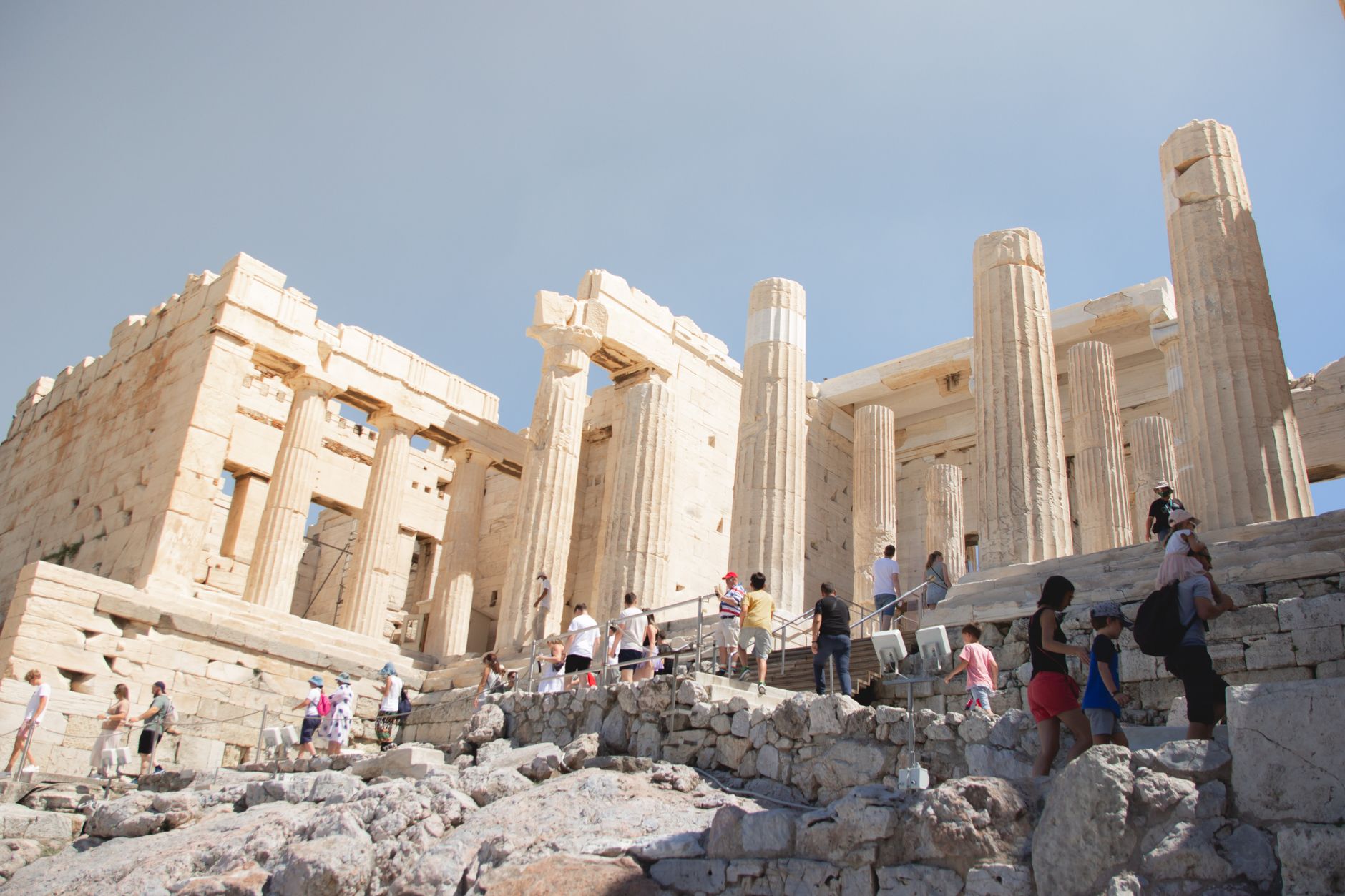
The name Thissio comes from a mistake. Locals assumed the great Doric temple on the hill above the Ancient Agora was a shrine to Theseus, founder of Athens, and the name stuck even after scholars worked out it was actually dedicated to Hephaestus. That small error of attribution has given the neighbourhood its identity ever since — a place defined by what people believed rather than what was strictly true.
Today it is one of the quieter approaches to the ancient city, its hilly streets lined with neoclassical facades and punctuated by open-air tables. The Temple of Hephaestus — 34 columns, roof largely intact, bronze cult statues still inside — looks down over all of it, dating to the 5th century BCE and among the best-preserved ancient buildings in Greece.
💛 What travellers fall for
People who come back tend to time the open-air cinema at Cine Thissio, running since 1938, for a warm evening in May or September when the Acropolis is lit behind the screen. The 3-Day Tourist Ticket, sold at Thissio metro station for €20, covers unlimited travel plus an airport round trip — worth buying before you do anything else.
Deals in Thissio
Book directly at the provider


How Thissio came to be
Thissio's anchor is the National Observatory of Athens, whose construction began in 1842 on Nymphs' Hill to a design by Danish architect Theophil Hansen, funded by the businessman and diplomat George Sinas. The institution was formally founded in 1846, making it the first scientific research body of the modern Greek state and one of the oldest public research institutions in Europe. Its original meridian refractor and a 16-centimetre telescope from the same year are still housed in the Sina building.
Julius Schmidt, the Observatory's third director from 1858 to 1884, produced from this hill what was then the most accurate map of the Moon ever drawn. A 40-centimetre lens telescope arrived in 1902; evening visits by appointment let you use it still.
Who and what shaped it
People who shaped it
Landmark buildings
See Thissio in motion
Plan your visit
On the map
When to go
July and August push regularly to 35–36 °C and can spike to 40 °C during heatwaves — the marble radiates heat and there is little shade on the archaeological paths. Winter is mild but genuinely rainy from November through February, with January highs rarely clearing 14 °C; mid-spring and early autumn are the seasons when the light is good and the temperature bearable.
Right now
Background & history adapted from Wikipedia (CC BY-SA) · specs from Wikidata (CC0) · weather from Open-Meteo · map data © OpenStreetMap contributors · photos from Wikimedia Commons / Unsplash with per-image credit. No third-party reviews or social posts reproduced.