
Syntagma Square
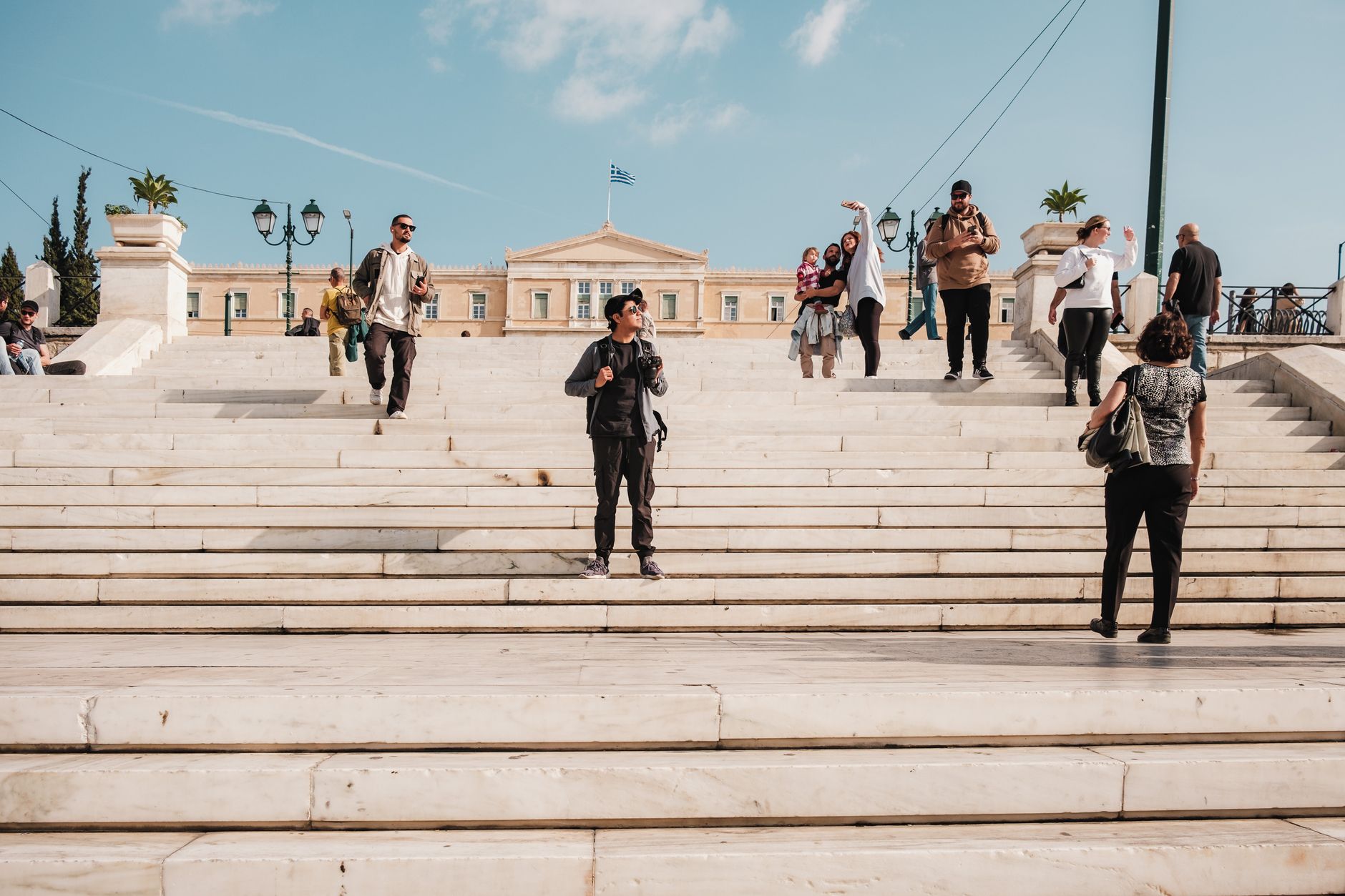
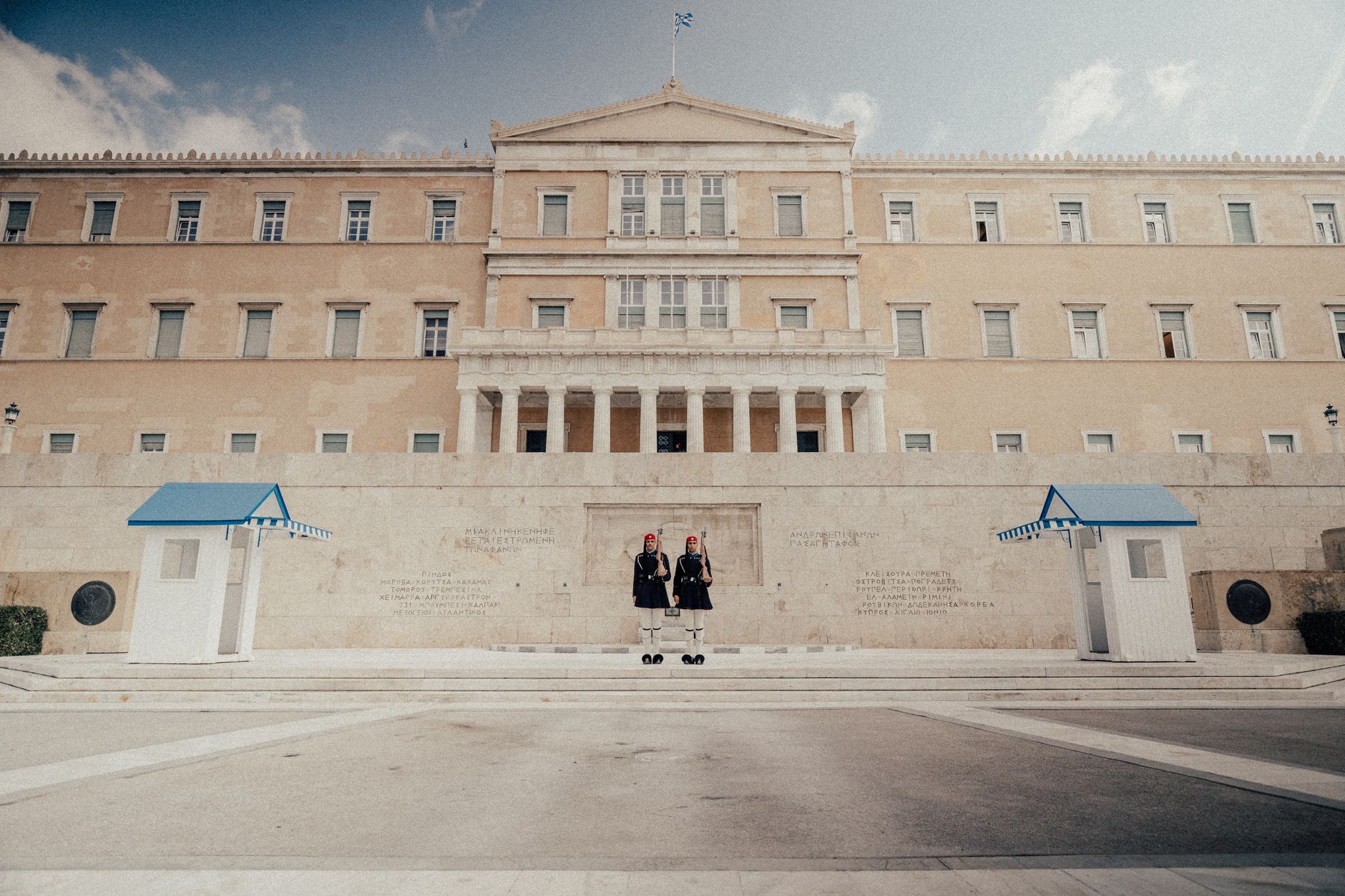
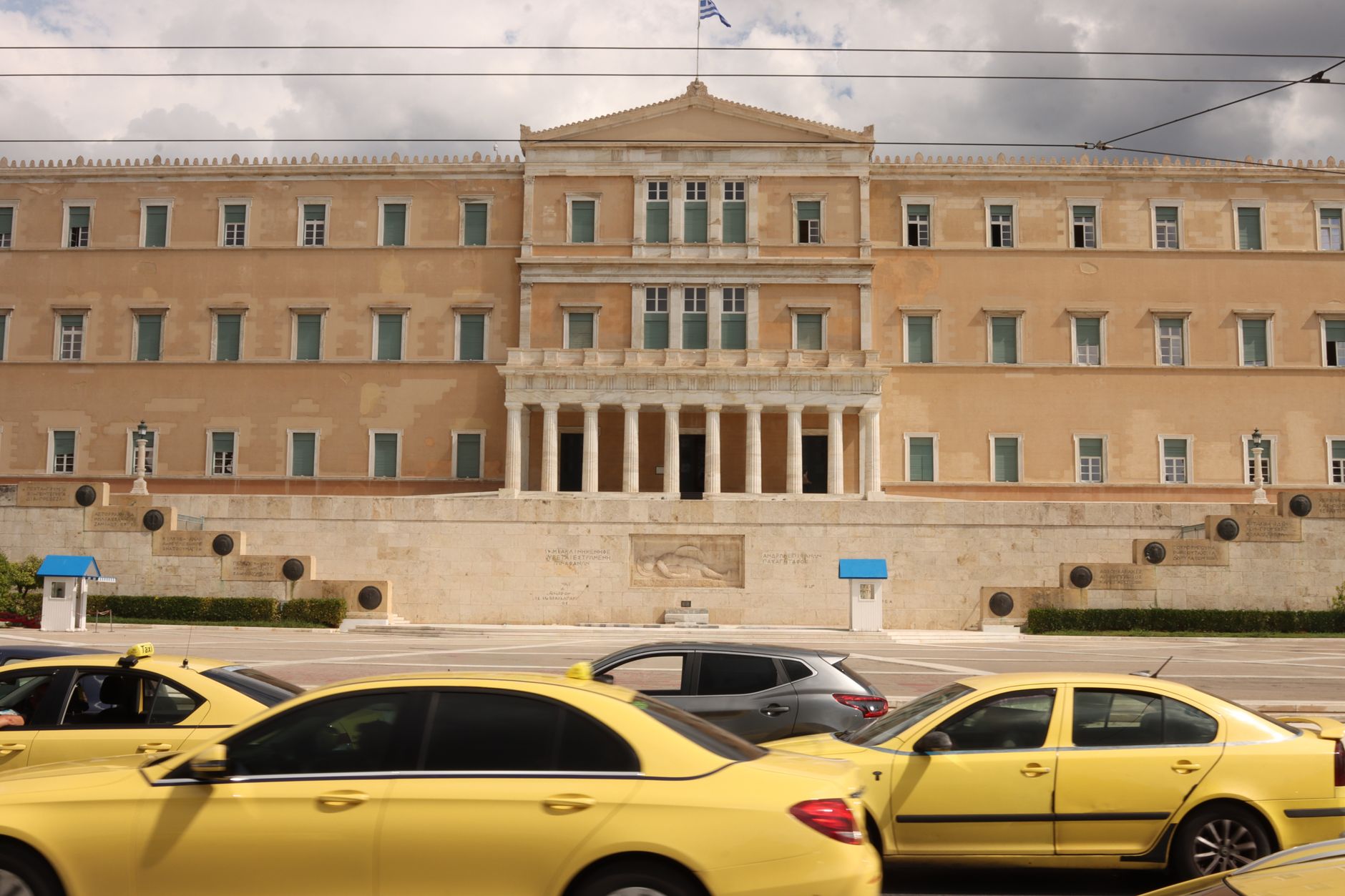
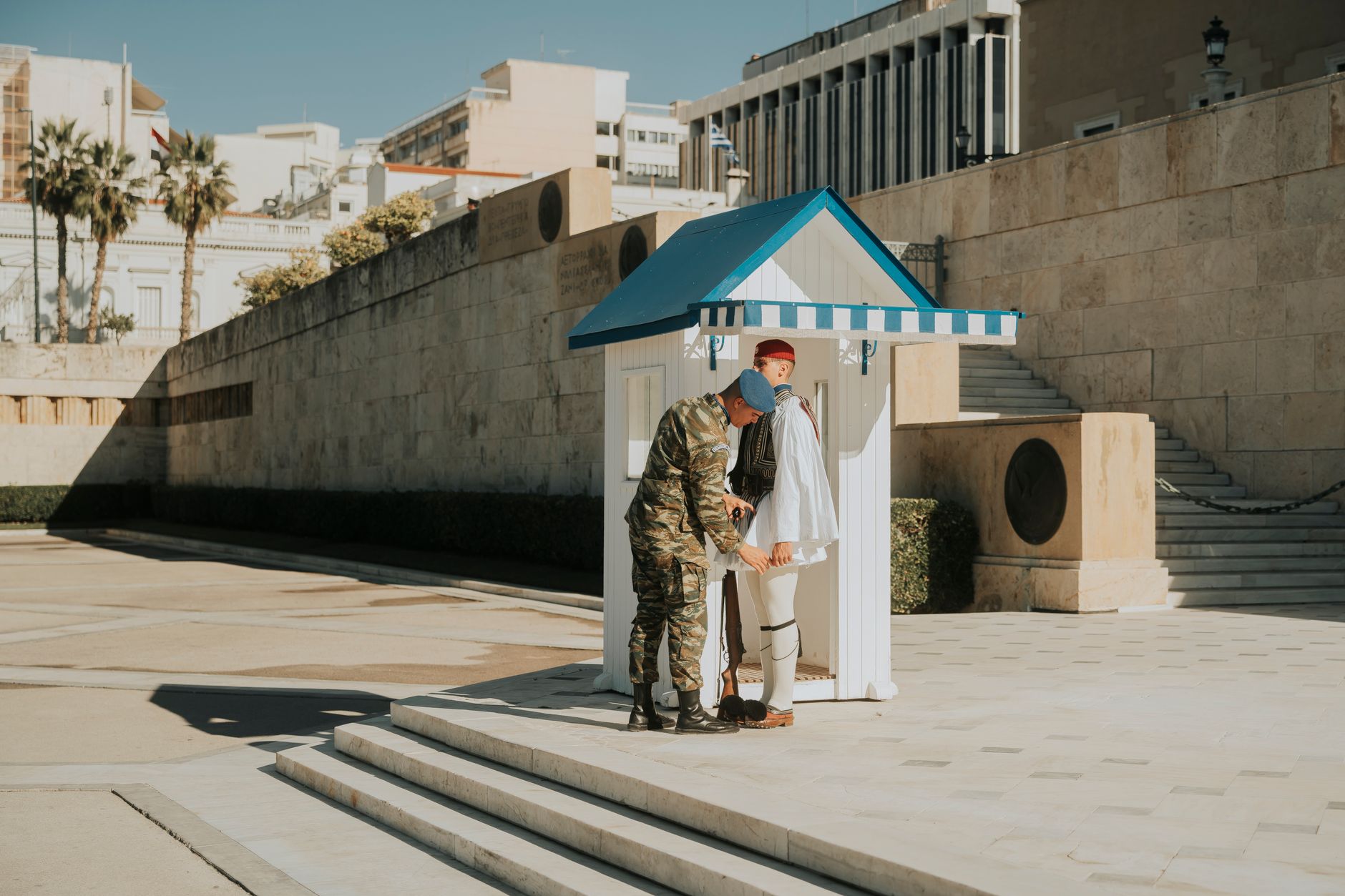
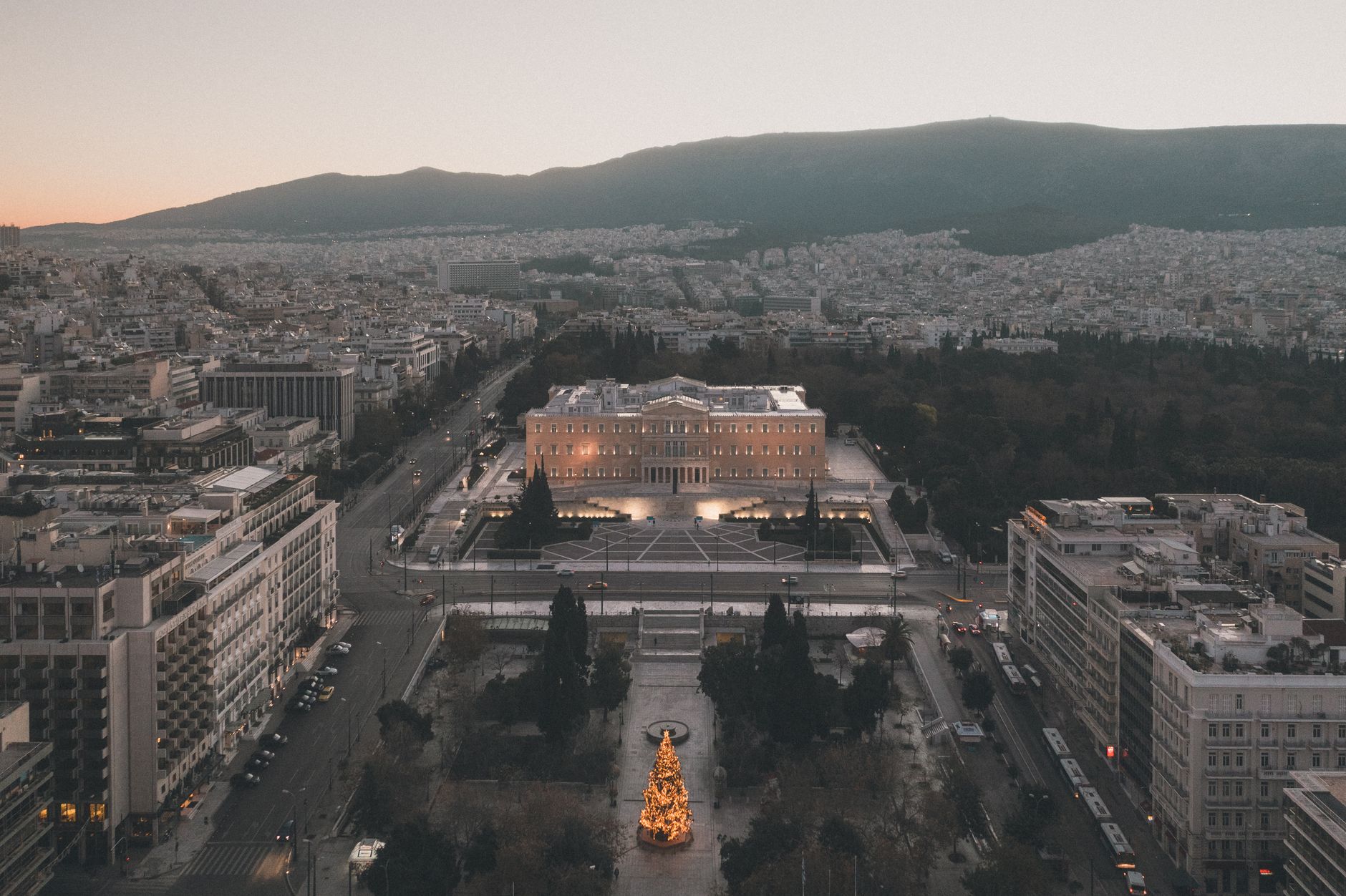
Every street address in Athens is numbered from here. That fact alone tells you something about Syntagma Square's place in the city's logic — it is the fixed point around which everything else orients itself. The neoclassical building at the top of the steps is the Hellenic Parliament, originally built as King Otto's royal palace between 1836 and 1842, and it still anchors the square with a kind of blunt authority.
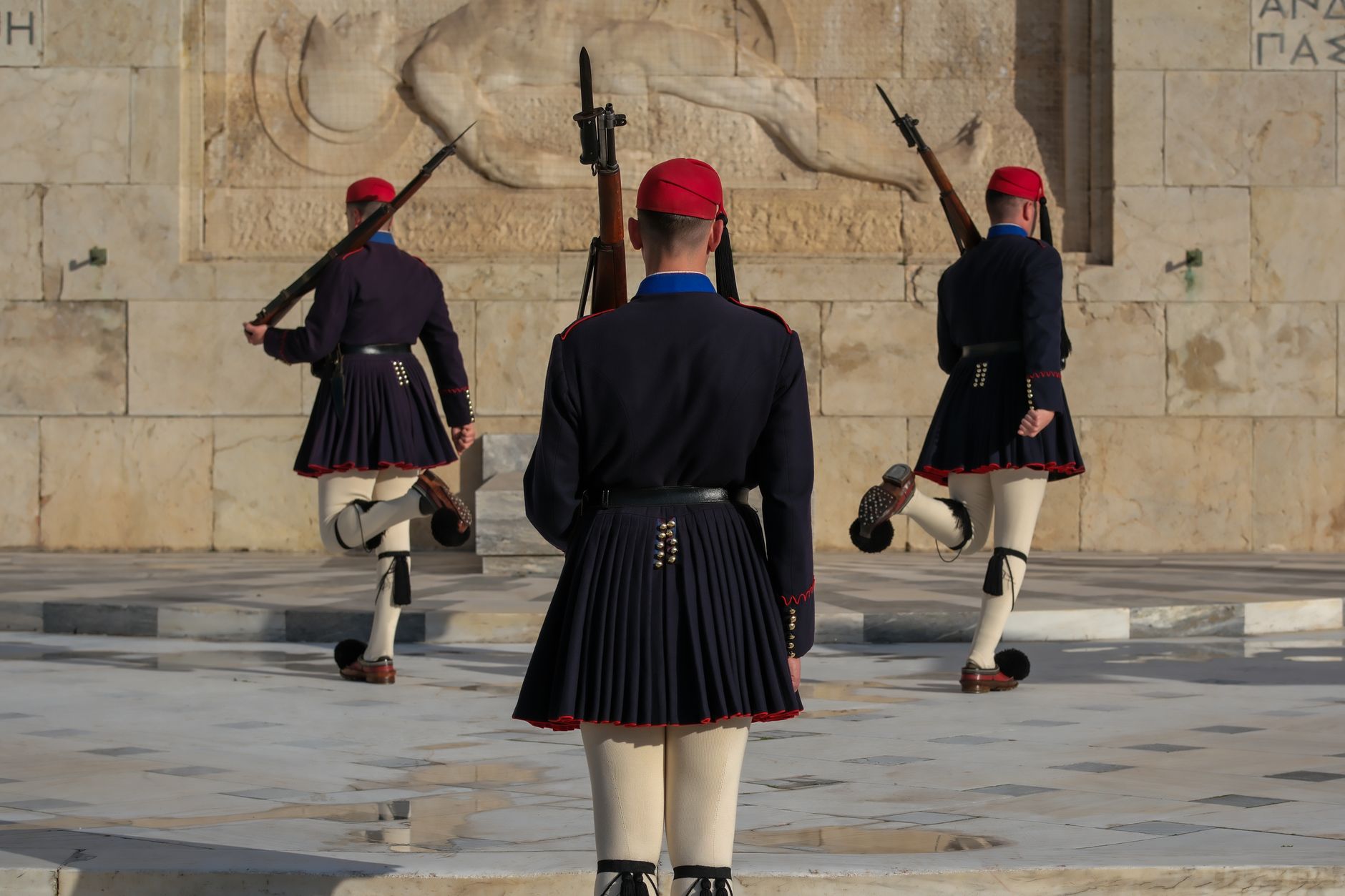
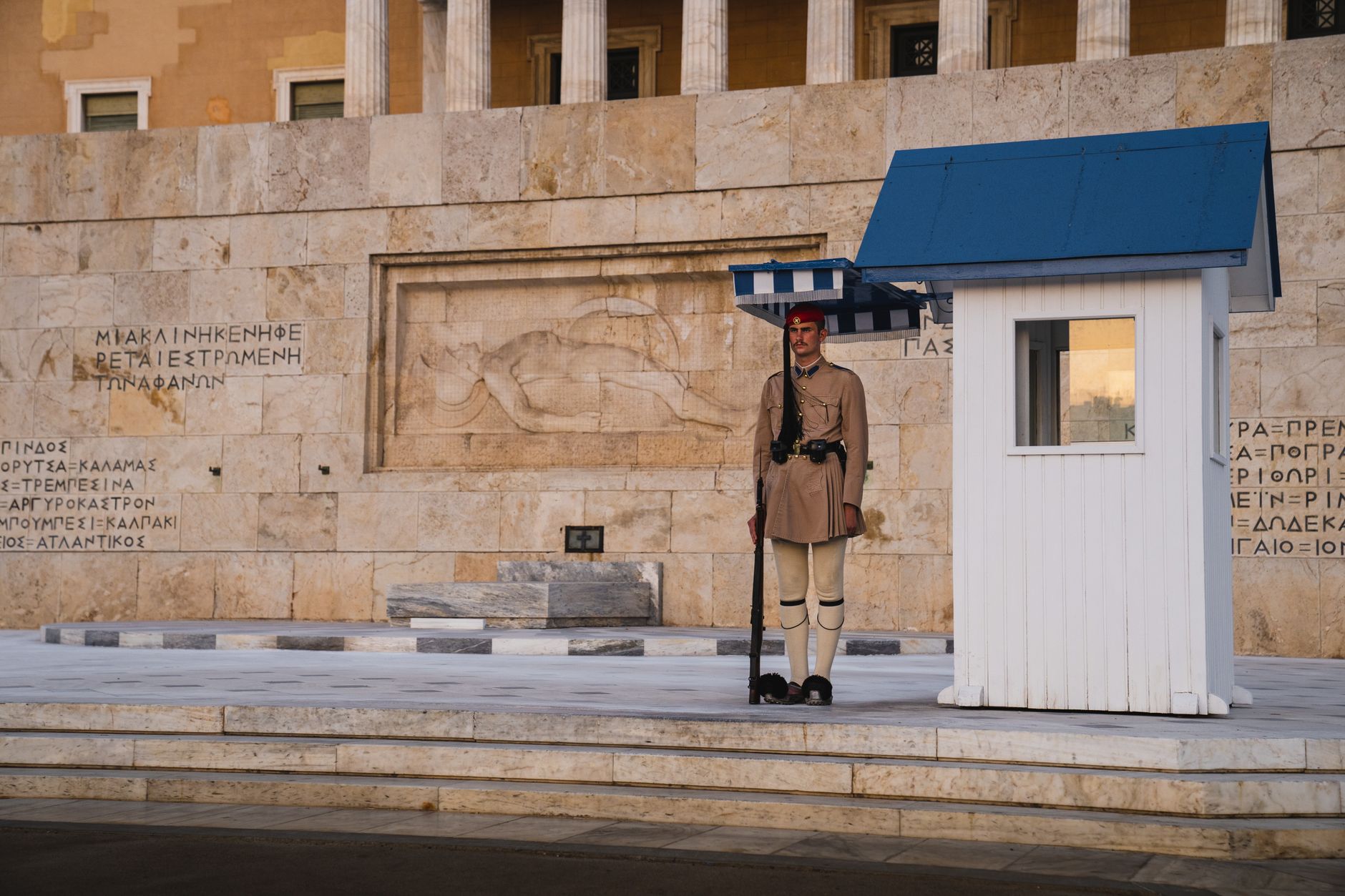
Below it, two tree-planted green areas offer shade, and the marble steps between them fill with people at almost any hour. In front of the building, the Tomb of the Unknown Soldier draws a quiet crowd every hour for the changing of the guard — and on Sunday mornings at ten, the full ceremony stops traffic.
💛 What travellers fall for
People who come back tend to time the Sunday ceremony and then walk down through the square toward Ermou Street before the day heats up. The metro station below is worth a few minutes even if you're not travelling: during construction, workers uncovered somewhere between 30,000 and 50,000 artifacts, and a selection is displayed on the platform.
Deals in Syntagma Square
Book directly at the provider
How Syntagma Square came to be
When King Otto moved Greece's capital from Nafplio to Athens in 1834, the city had around 7,000 inhabitants and the area now occupied by the square was known as Perivolakia. Construction of the royal palace began in 1836 to designs by Bavarian architect Friedrich von Gärtner, funded by Otto's father, King Ludwig I of Bavaria. The square took its present form after 1846 under architect Michael Hoch, working from Leo von Klenze's urban plan.
The name came later, and by force. On 3 September 1843, a popular and military uprising compelled Otto to grant a constitution — syntagma in Greek — and the square was renamed to mark the moment. The palace became the seat of the Hellenic Parliament in 1934. The Tomb of the Unknown Soldier, designed by Emmanuel Lazaridis and sculpted by Fokion Rok, was completed in 1930. Between 2010 and 2012, the square filled repeatedly with thousands of protesters during the Greek debt crisis.
Who and what shaped it
People who shaped it
Landmark buildings
See Syntagma Square in motion
Plan your visit
On the map
When to go
Spring (April to June) and early autumn (September to October) bring temperatures around 22–27°C — warm enough to sit outside without much thought. In July and August the marble surfaces can reach 45–50°C by midday, so mornings matter; December brings a Christmas market and a cooler, quieter version of the square that has its own atmosphere.
Right now
Background & history adapted from Wikipedia (CC BY-SA) · specs from Wikidata (CC0) · weather from Open-Meteo · map data © OpenStreetMap contributors · photos from Wikimedia Commons / Unsplash with per-image credit. No third-party reviews or social posts reproduced.