
Monastiraki
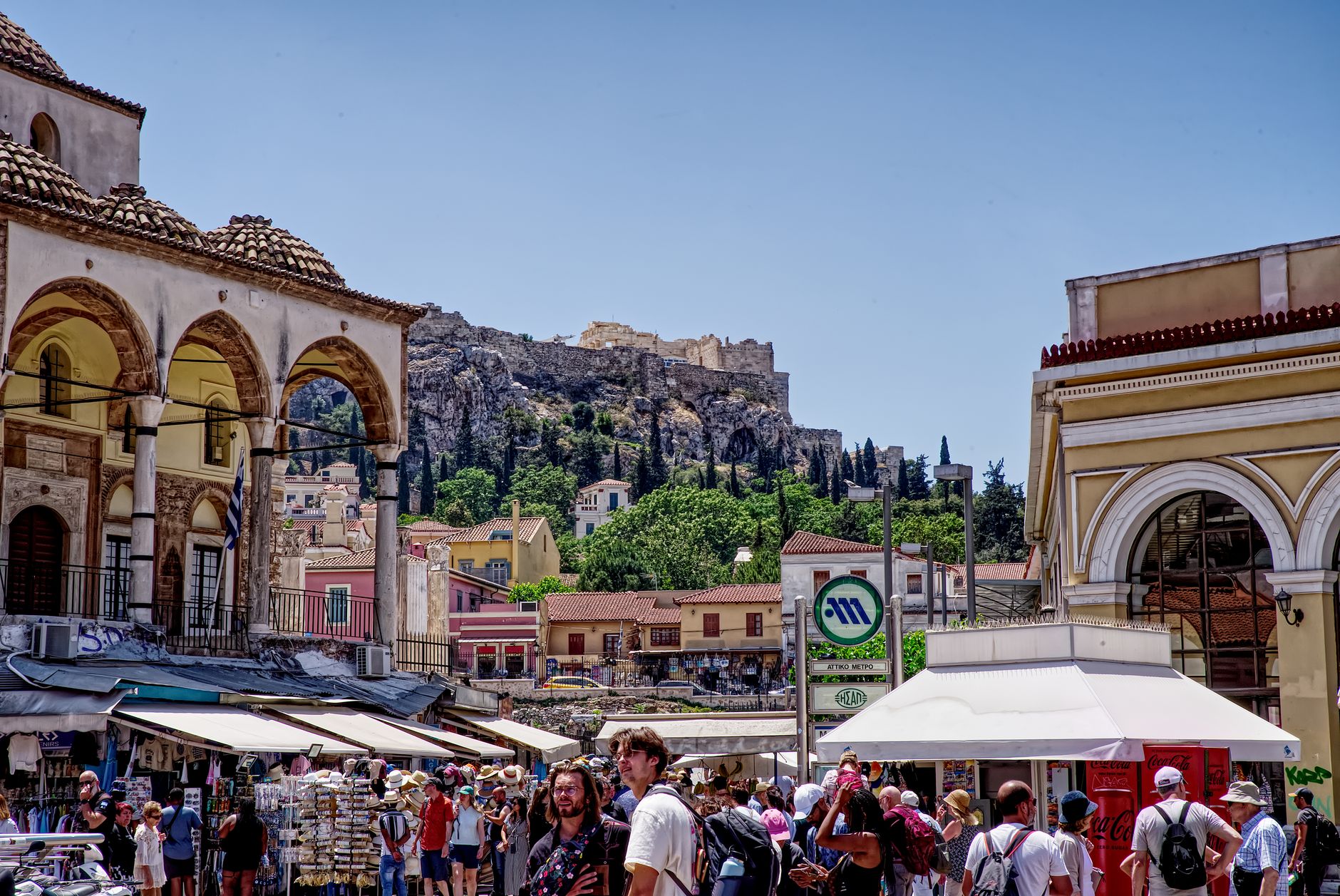
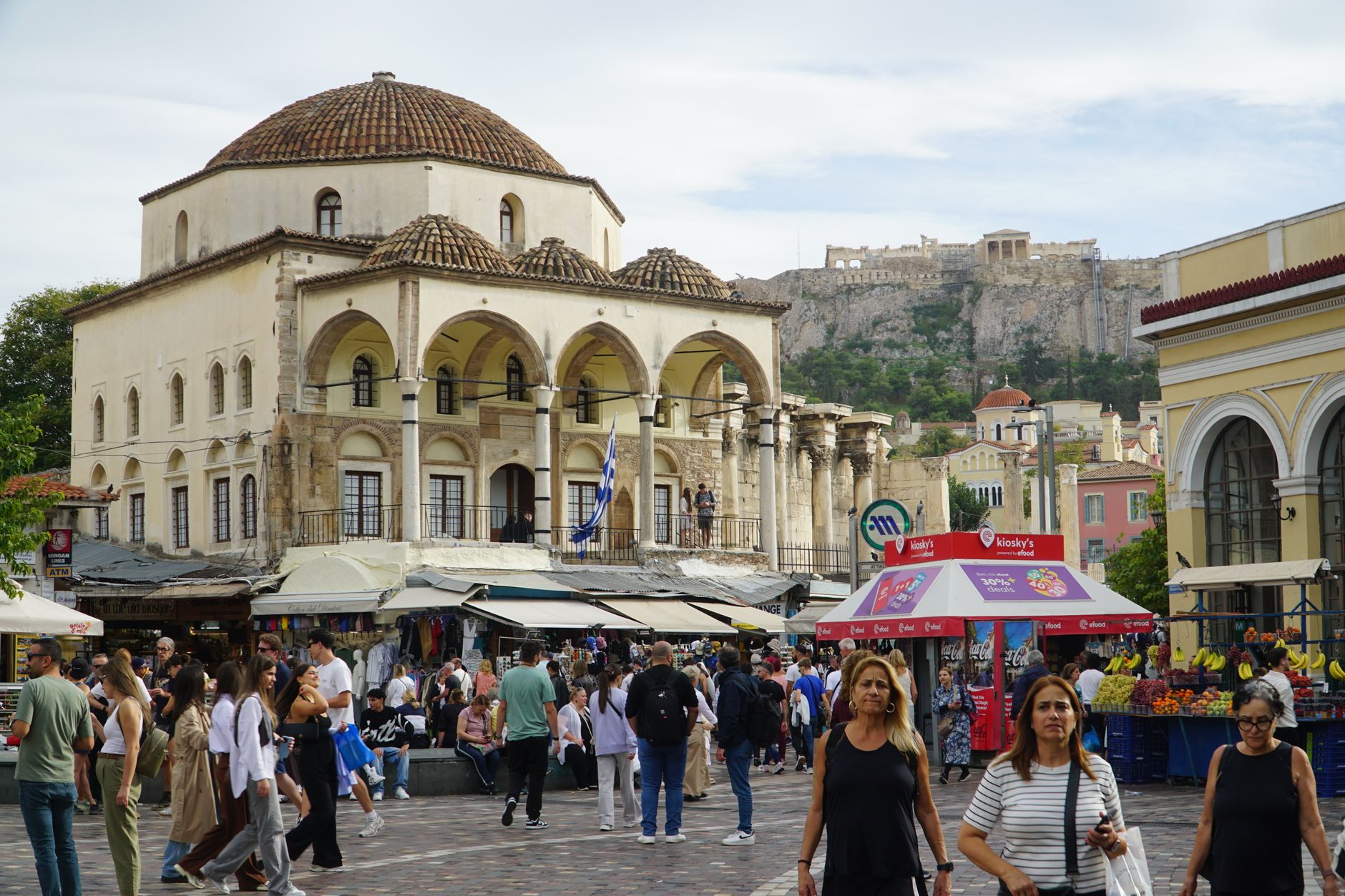
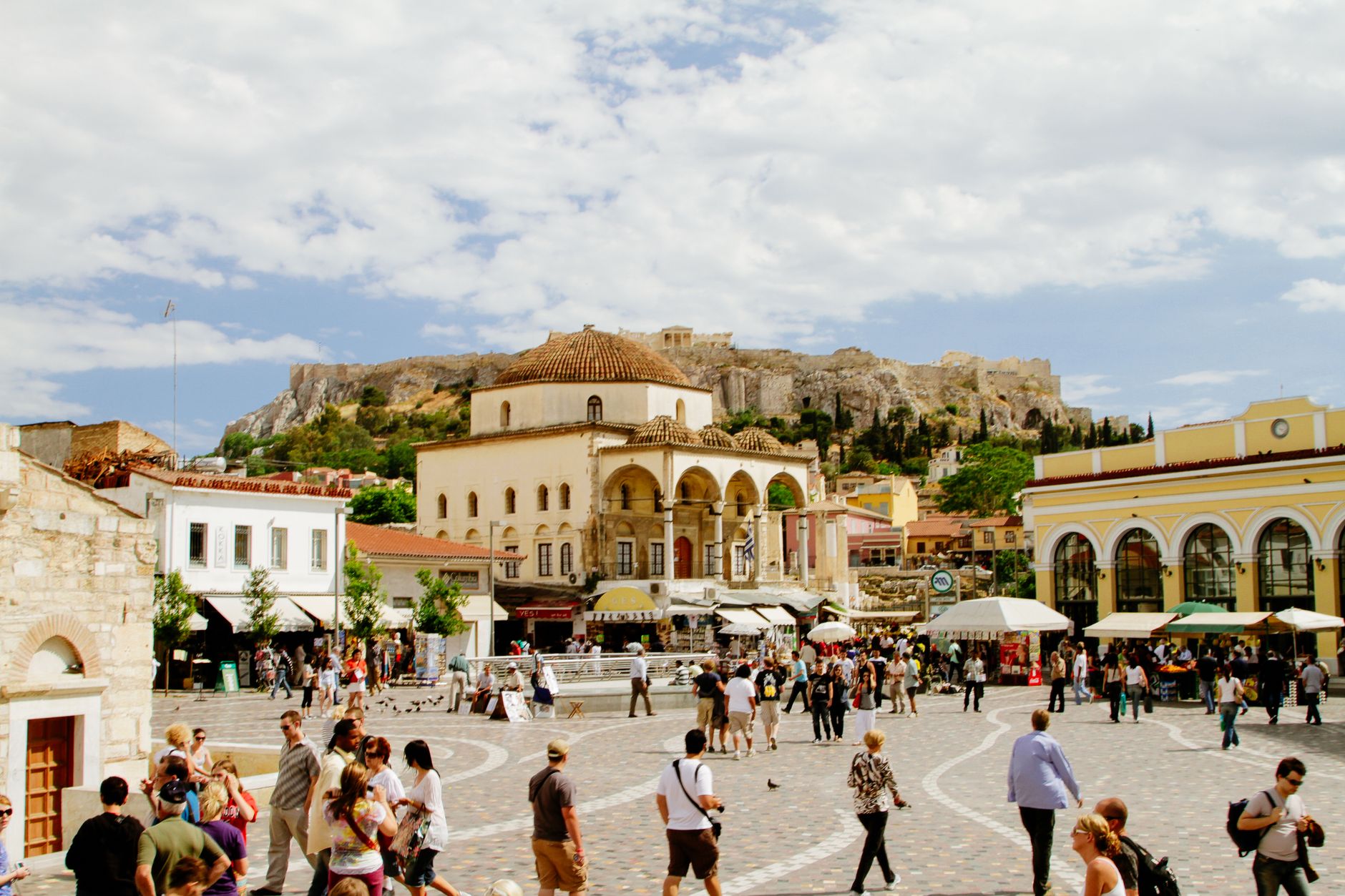

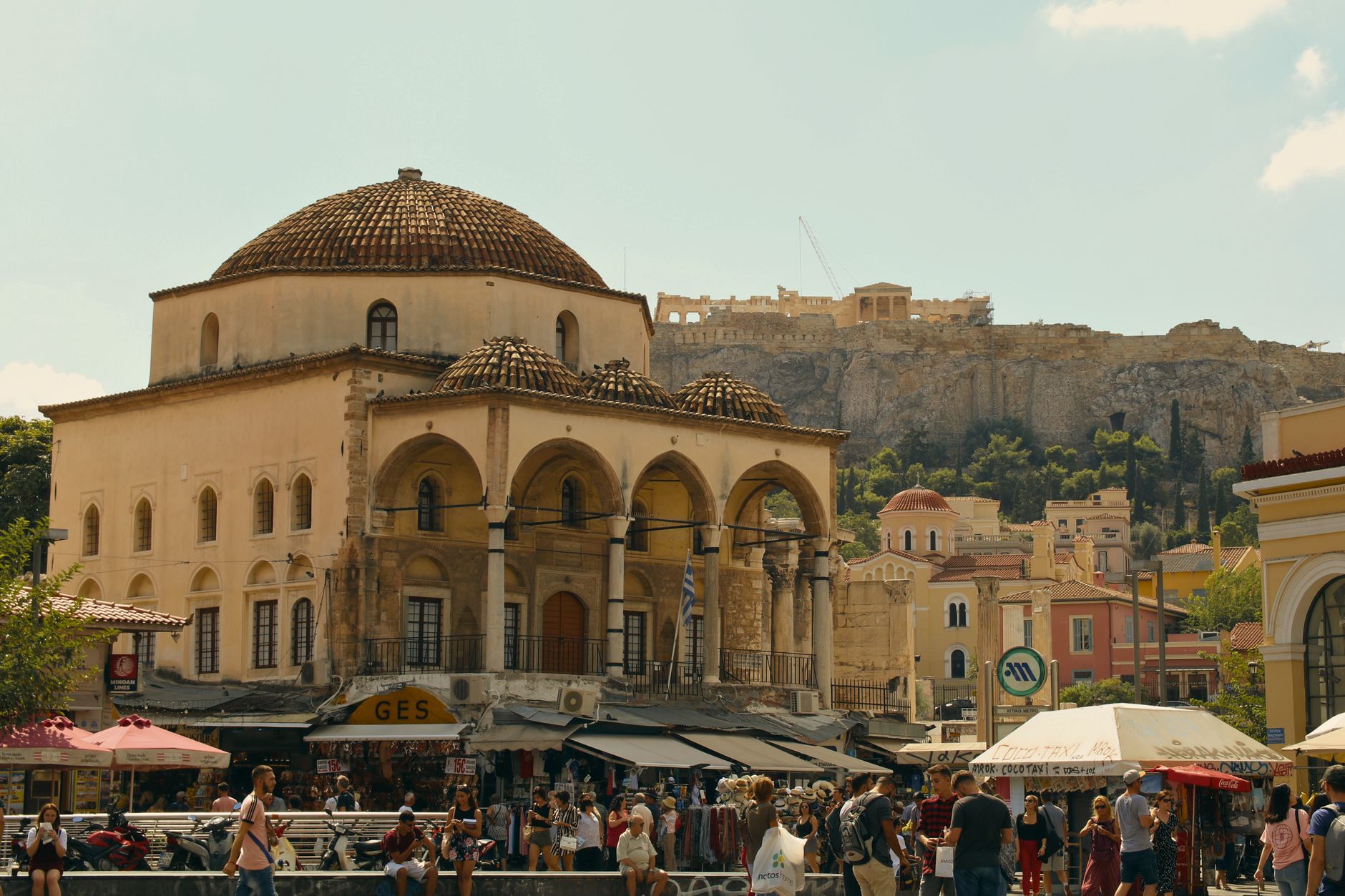
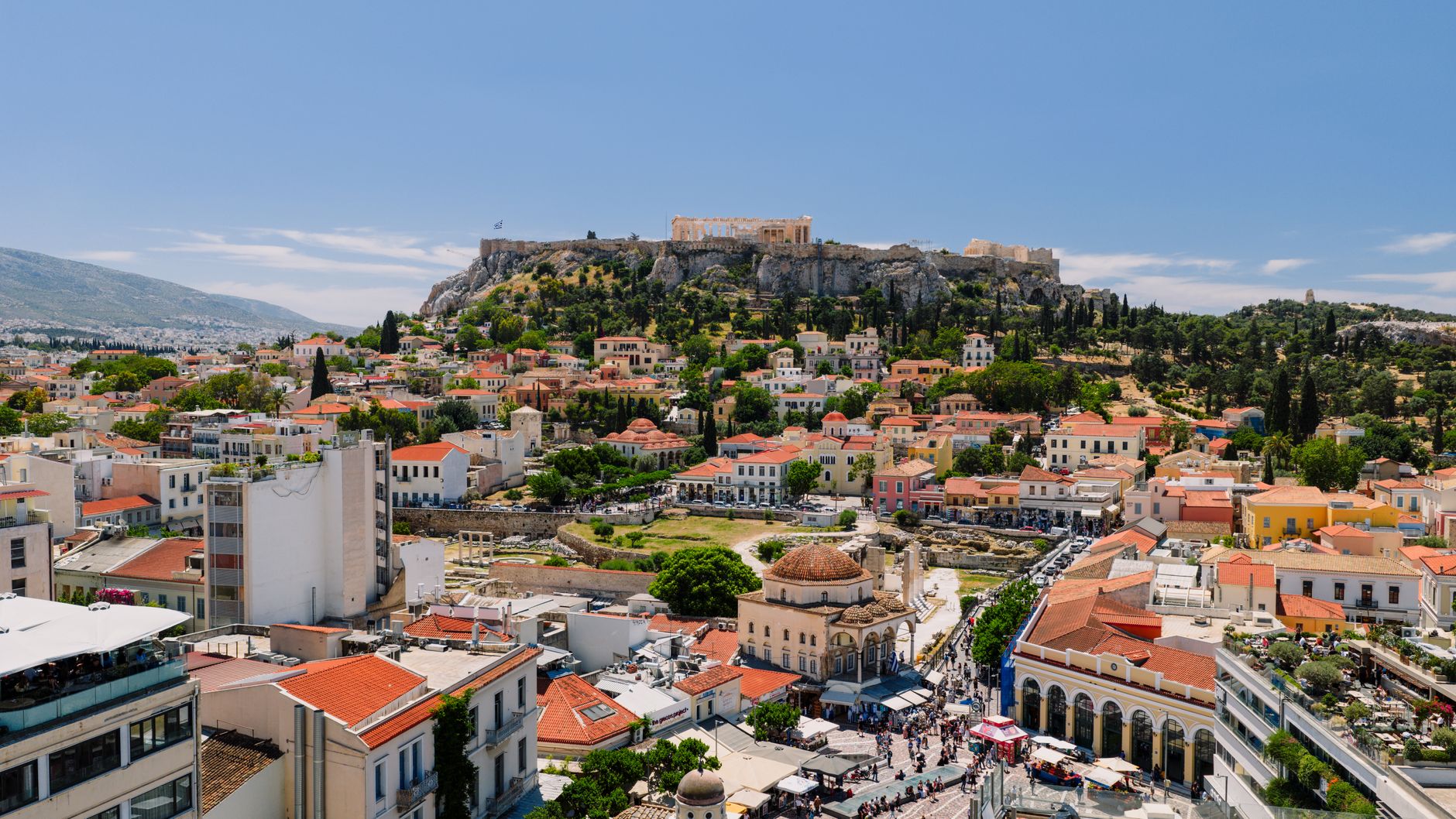
The metro doors open at Monastiraki and you step out into layers: a 10th-century Byzantine church on the square, a ruined Roman library around the corner, a mosque built with a column from the Temple of Olympian Zeus. The flea market spills across Avissinias Square every Sunday, mixing genuine antiques with yesterday's junk in the way that makes both more interesting.
Monastiraki has been a marketplace since at least the 6th century BC, and it still operates with that same unembarrassed commercial energy. It is not a quiet district. But the ruins are real, the coffee is strong, and the metro station's two island platforms — the longest in the network — display the archaeological finds that came up during construction.
💛 What travellers fall for
People who return tend to arrive at Hadrian's Library just after opening, when the light is low and the tour groups haven't materialized yet. Sunday morning at Avissinias Square before noon is the move for the flea market — the Yusurum family's old trading ground still rewards patience. The Ceramics Collection inside the Tzistarakis Mosque is almost always empty, which seems like a mistake on everyone else's part.
Deals in Monastiraki
Book directly at the provider
How Monastiraki came to be
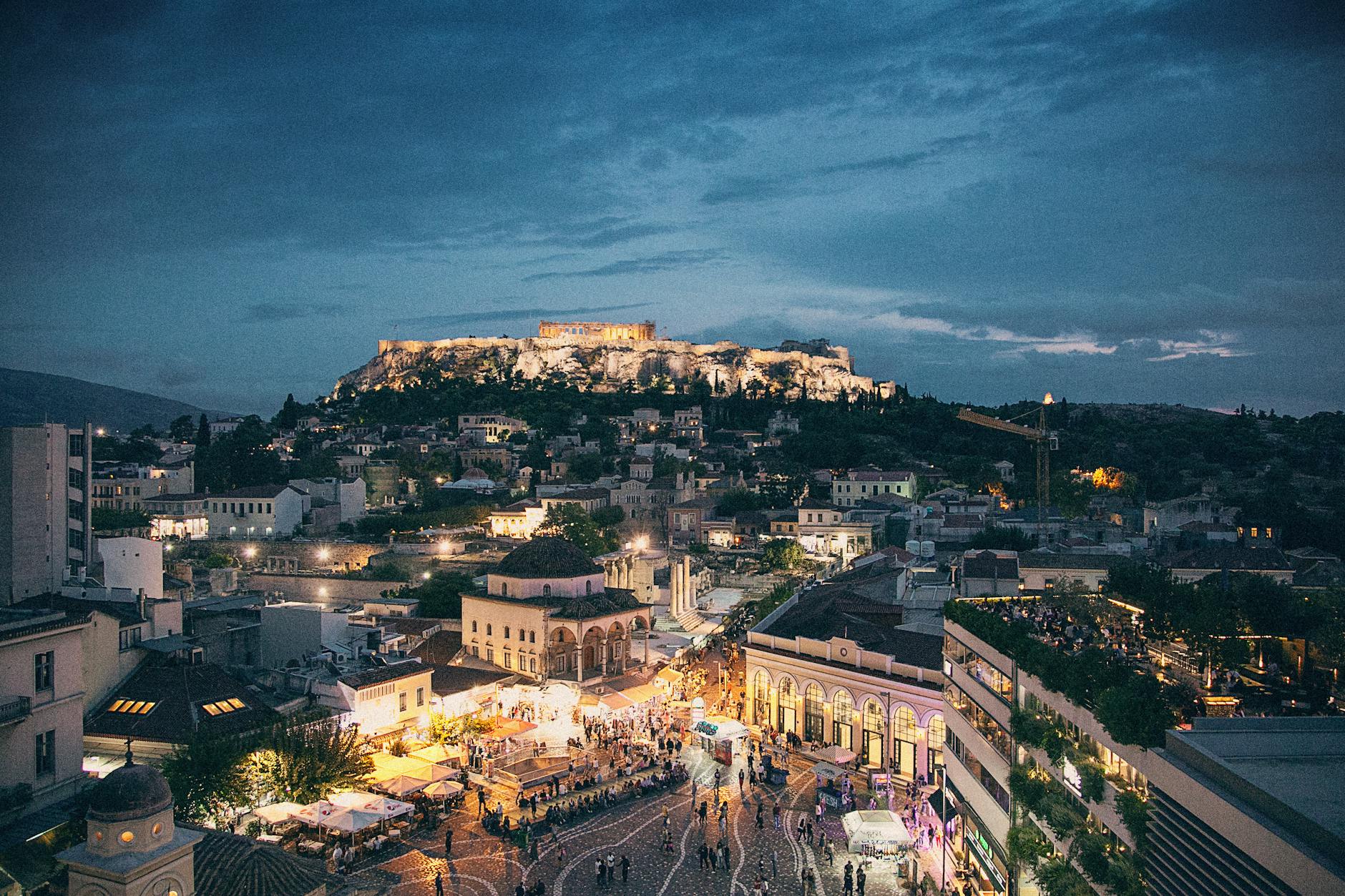
People have traded on this ground since the 6th century BC, when the tyrant Peisistratos reorganized and expanded the Agora nearby. The district took its current name from a nunnery — the Church of Panagia Pantanassa — founded in the 10th century AD, though only the Byzantine chapel survives. During Frankish rule in the 13th and 14th centuries it functioned as a Roman Catholic chapel; it has been an active Orthodox church ever since.
Monastiraki became a distinct neighborhood after Ermou Street opened in 1835, post-Ottoman independence. In 1863, Jewish families from Smyrna — among them the Yusurum clan — settled here and built the informal antique trade that gave the flea market one of its enduring names. Noah and Elias Yusurum became prominent figures in the local dealers' association in the early 1900s. The 2004 Olympics brought pedestrianization and metro upgrades, surfacing more archaeology in the process.
Who and what shaped it
People who shaped it
Landmark buildings
See Monastiraki in motion
Plan your visit
On the map
When to go
Summers are hot and dry — the ruins offer little shade, so mornings are worth the early start between June and September. Spring and autumn are the most comfortable seasons for walking the area at length; winters are mild but occasionally wet.
Right now
Background & history adapted from Wikipedia (CC BY-SA) · specs from Wikidata (CC0) · weather from Open-Meteo · map data © OpenStreetMap contributors · photos from Wikimedia Commons / Unsplash with per-image credit. No third-party reviews or social posts reproduced.