
Psiri
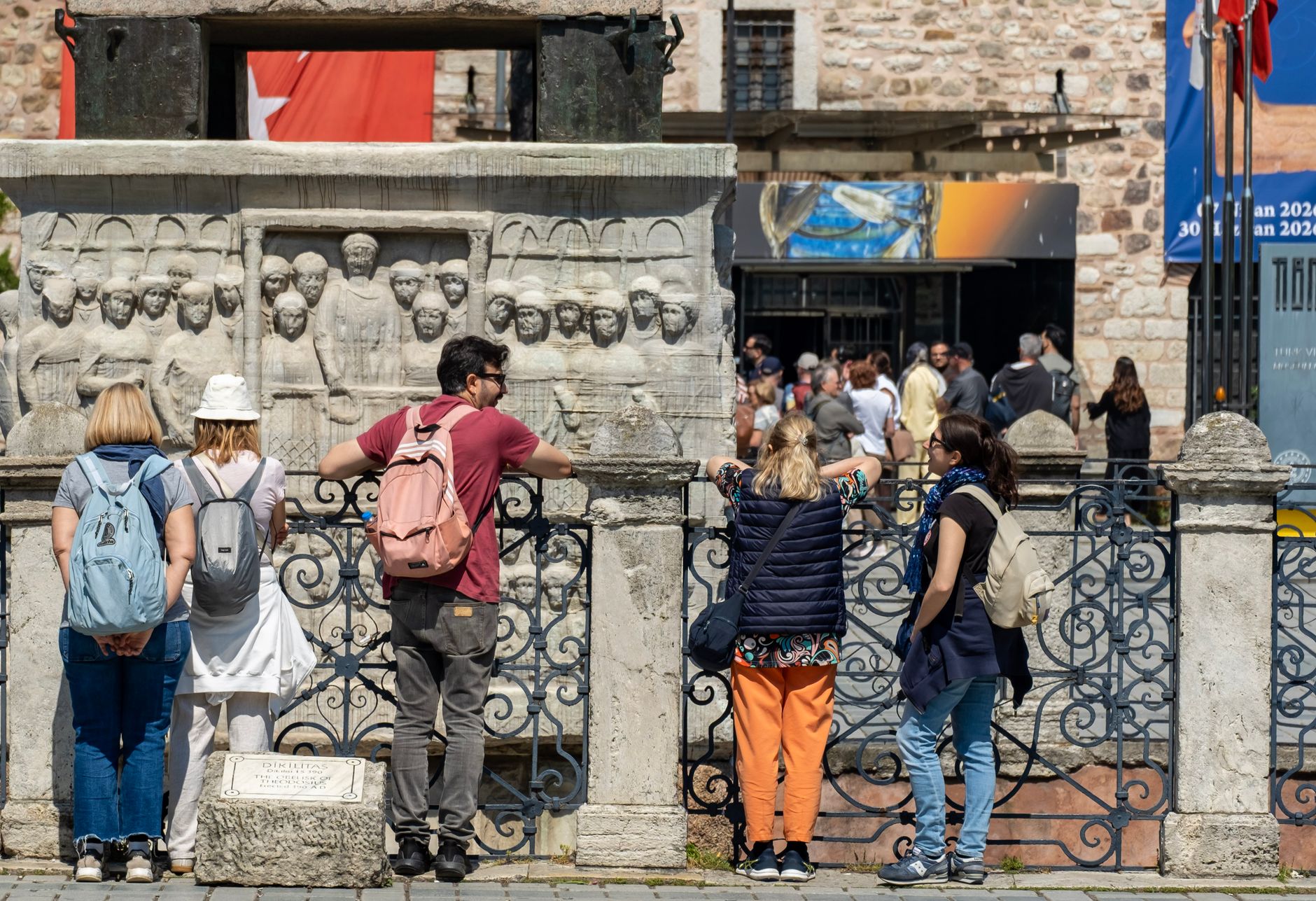
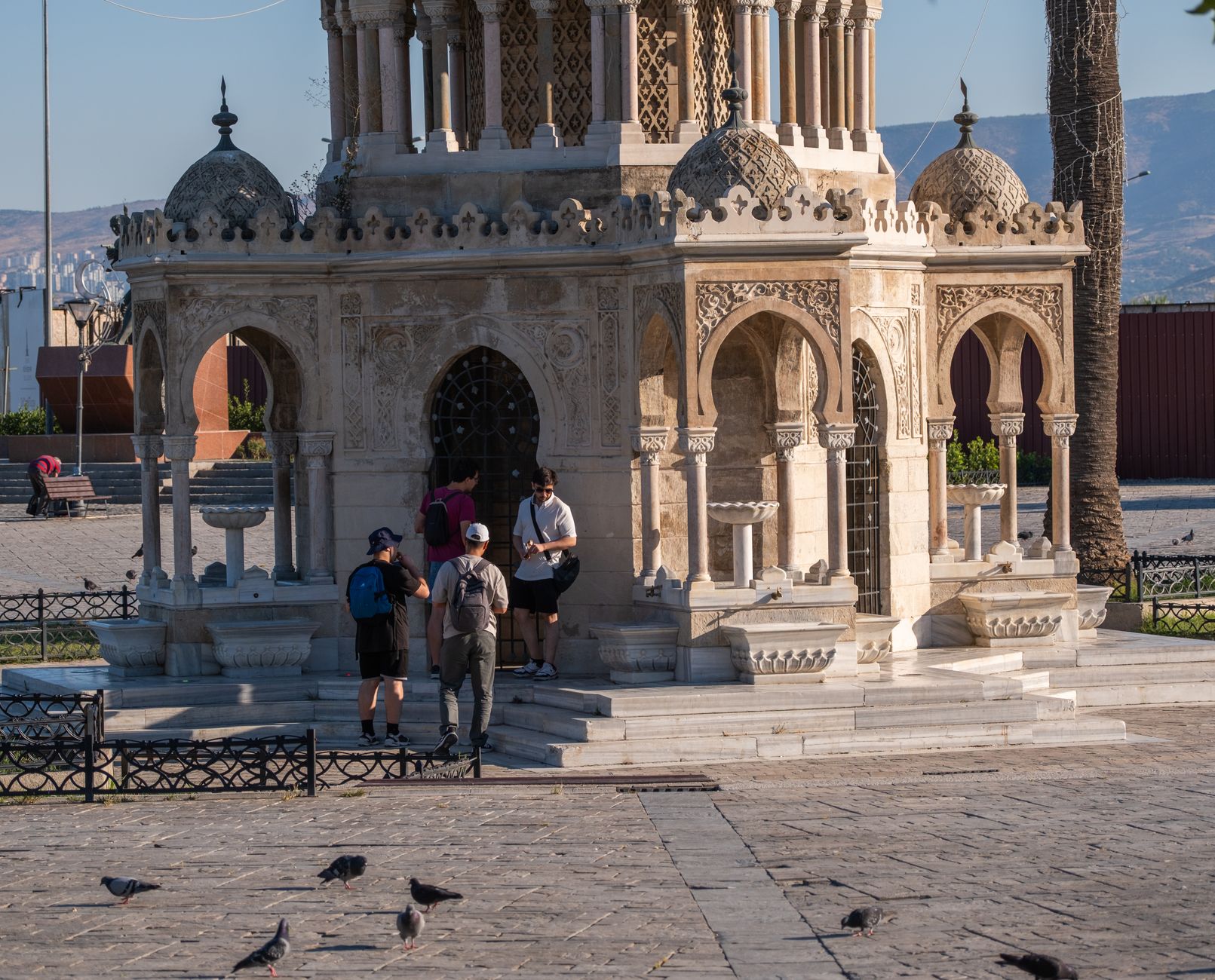
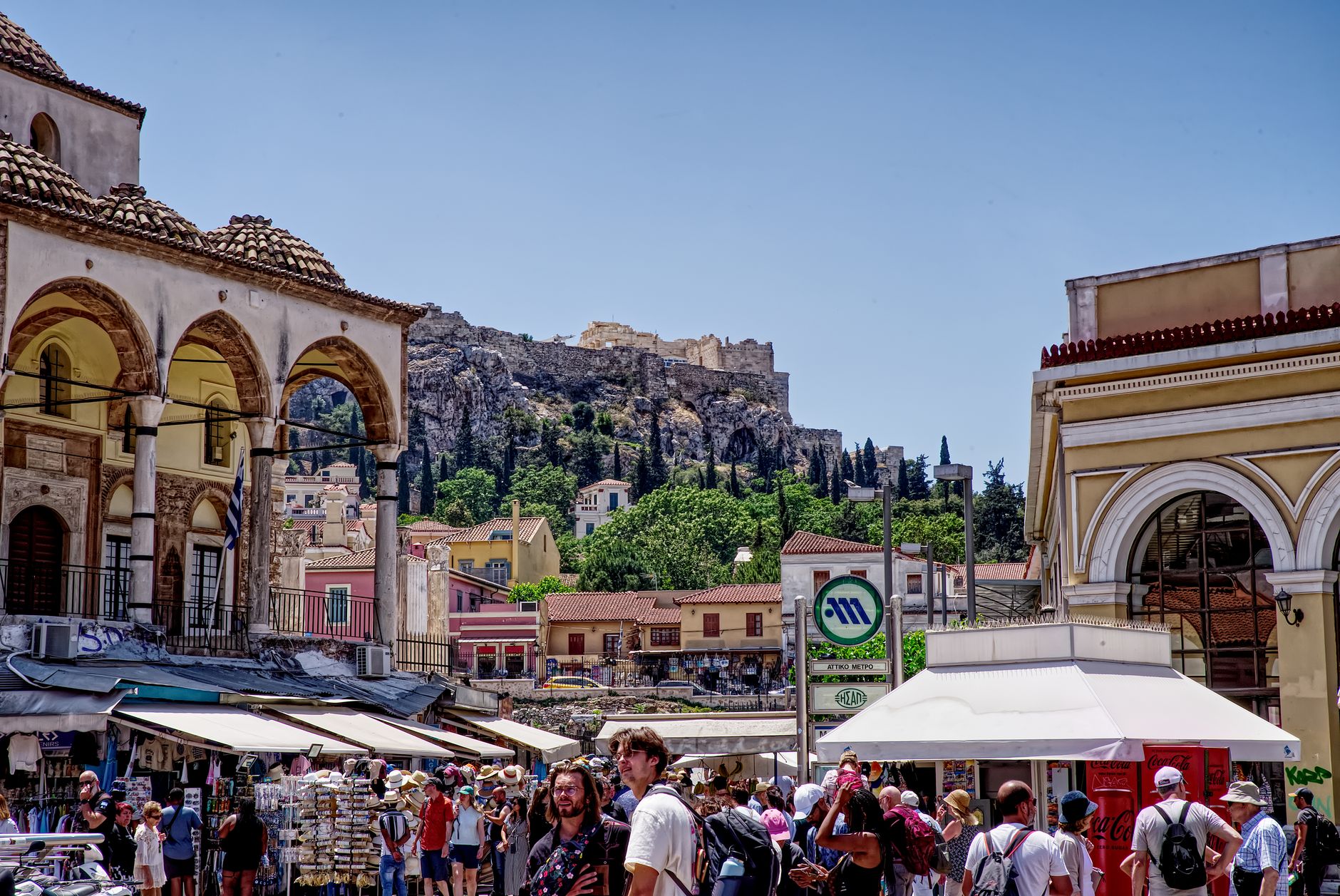
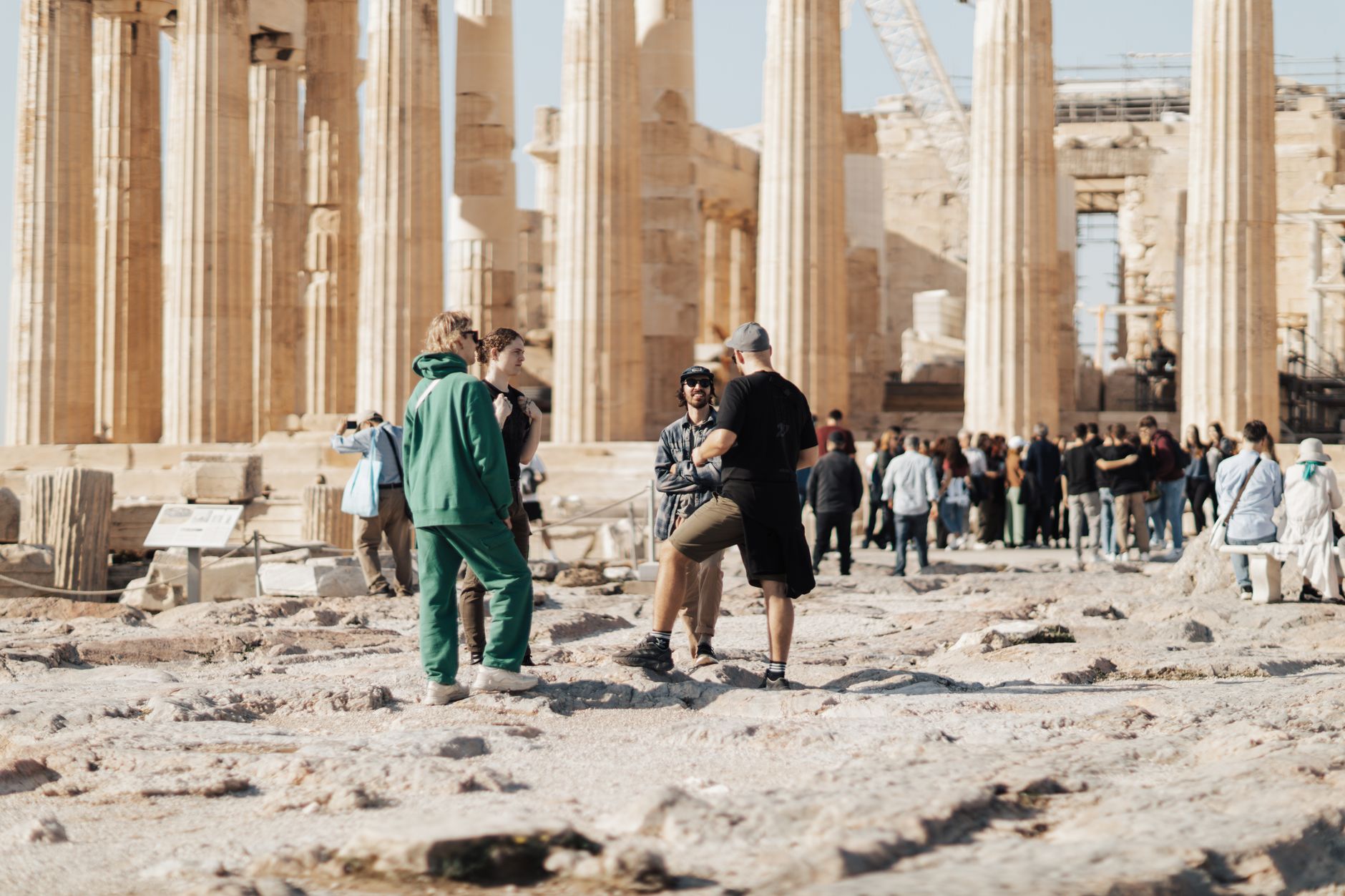
Walk down Evripidou Street on any weekday morning and the air does the work before your eyes do — dried herbs, sacks of saffron, tea blends stacked in the doorways of shops that have been here longer than most of the city's cafés have changed owners. Psiri sits just west of Monastiraki, compact enough to cross in twenty minutes, layered enough to occupy an entire afternoon.
The neighborhood moves at two speeds: slow and local by day, considerably louder after dark. Platia Iroon — Heroes' Square, laid in 1850 — is where five streets converge and where, at almost any hour, you can read the current mood of the place.
💛 What travellers fall for
People who come back tend to make a point of the library inside the neoclassical building of the Athens Archdiocese — 15,000 volumes, and at the end of the corridor a discreetly lit dome that opens onto the Byzantine church of Agia Eleousa, once connected to the family of Byron's 'Maid of Athens.' Most visitors walk right past the door.
Deals in Psiri
Book directly at the provider


How Psiri came to be
Psiri's name appears in travellers' accounts as early as 1678, and one reading of it traces back to Greeks from the Aegean island of Psara who settled here. The neighbourhood took its modern shape after Greek independence, when arrivals from the countryside built homes around what would become Heroes' Square, and early residents of means raised neoclassical mansions along its streets. Lord Byron lived at 11 Agias Theklas Street in 1810 and wrote 'The Maid of Athens' here. The writer Alexandros Papadiamantis, one of modern Greek literature's defining voices, lived in the area for more than two decades.
For much of the 20th century Psiri had a working-class reputation shaded by notoriety. That shifted in the 1990s when artists moved into disused workshops and factories, and again after 2003 when the Monastiraki metro station opened and the café and bar trade followed the foot traffic.
Who and what shaped it
People who shaped it
Landmark buildings
See Psiri in motion
Plan your visit
On the map
When to go
Spring (mid-April to late May) and early autumn bring the most comfortable conditions — warm without the July and August heat that can push past 35°C. Winters are mild and occasionally rainy, with January and February the coldest months, but rarely severe enough to close down street life.
Right now
Background & history adapted from Wikipedia (CC BY-SA) · specs from Wikidata (CC0) · weather from Open-Meteo · map data © OpenStreetMap contributors · photos from Wikimedia Commons / Unsplash with per-image credit. No third-party reviews or social posts reproduced.