
Petralona
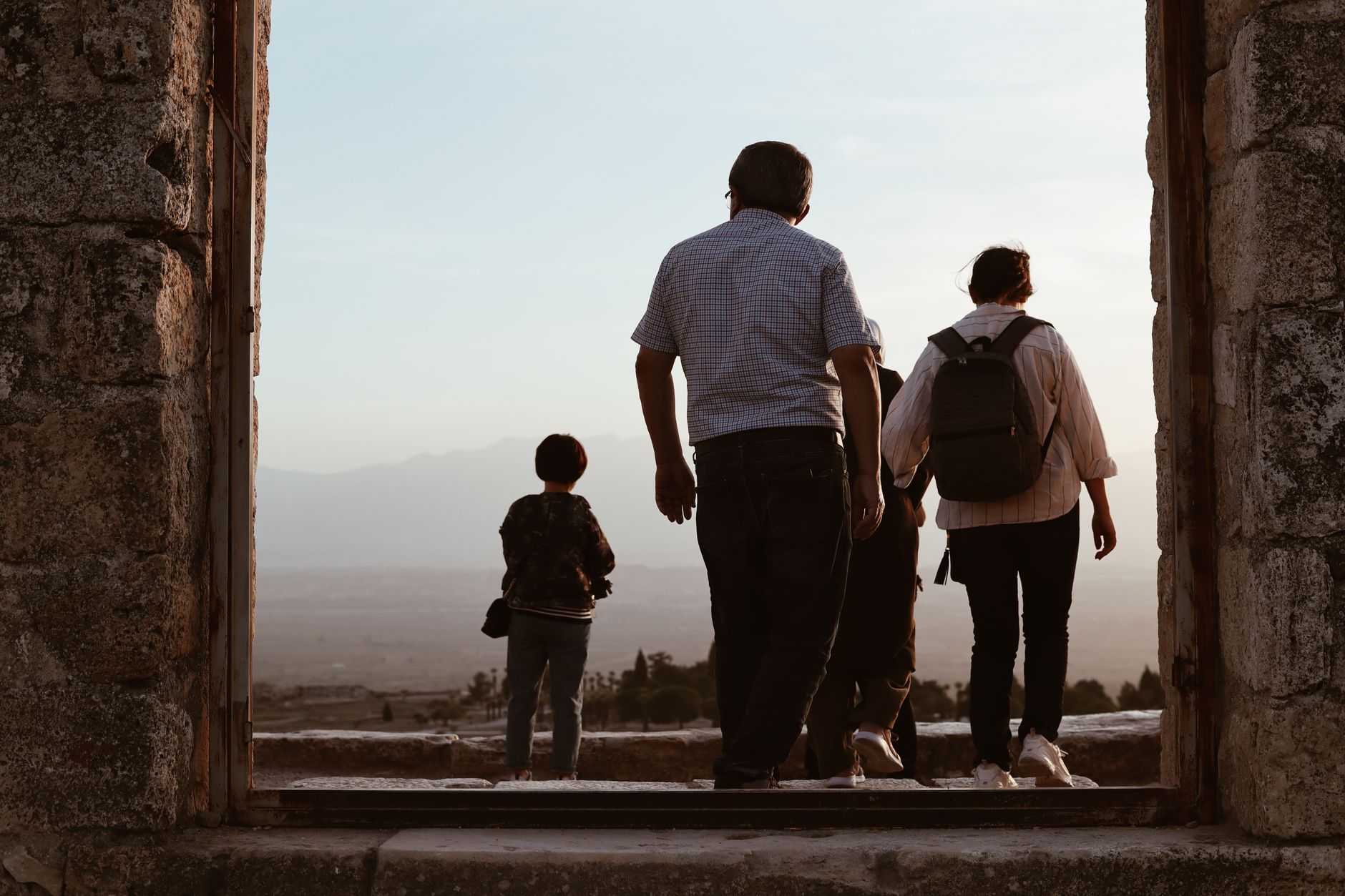
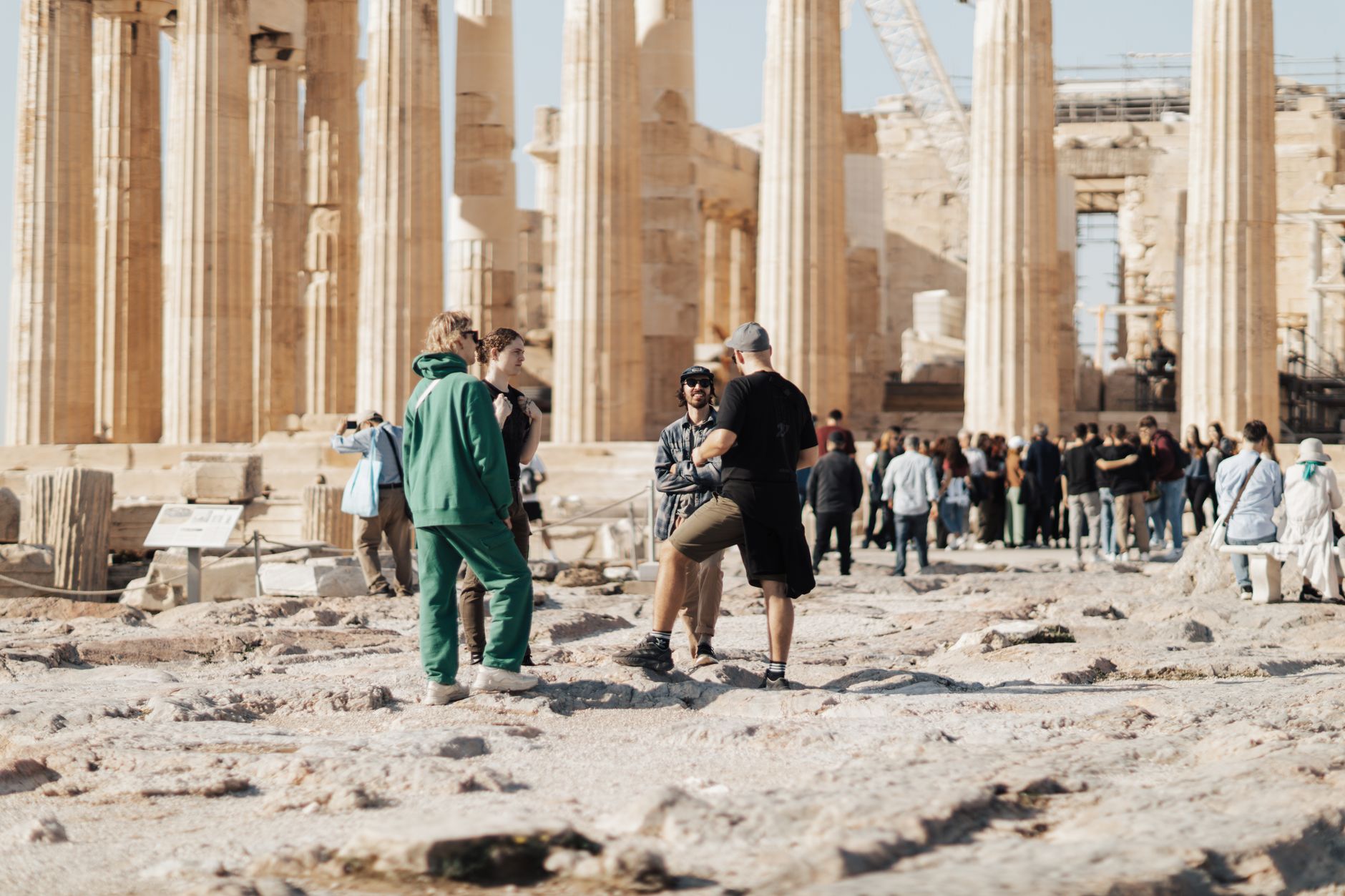
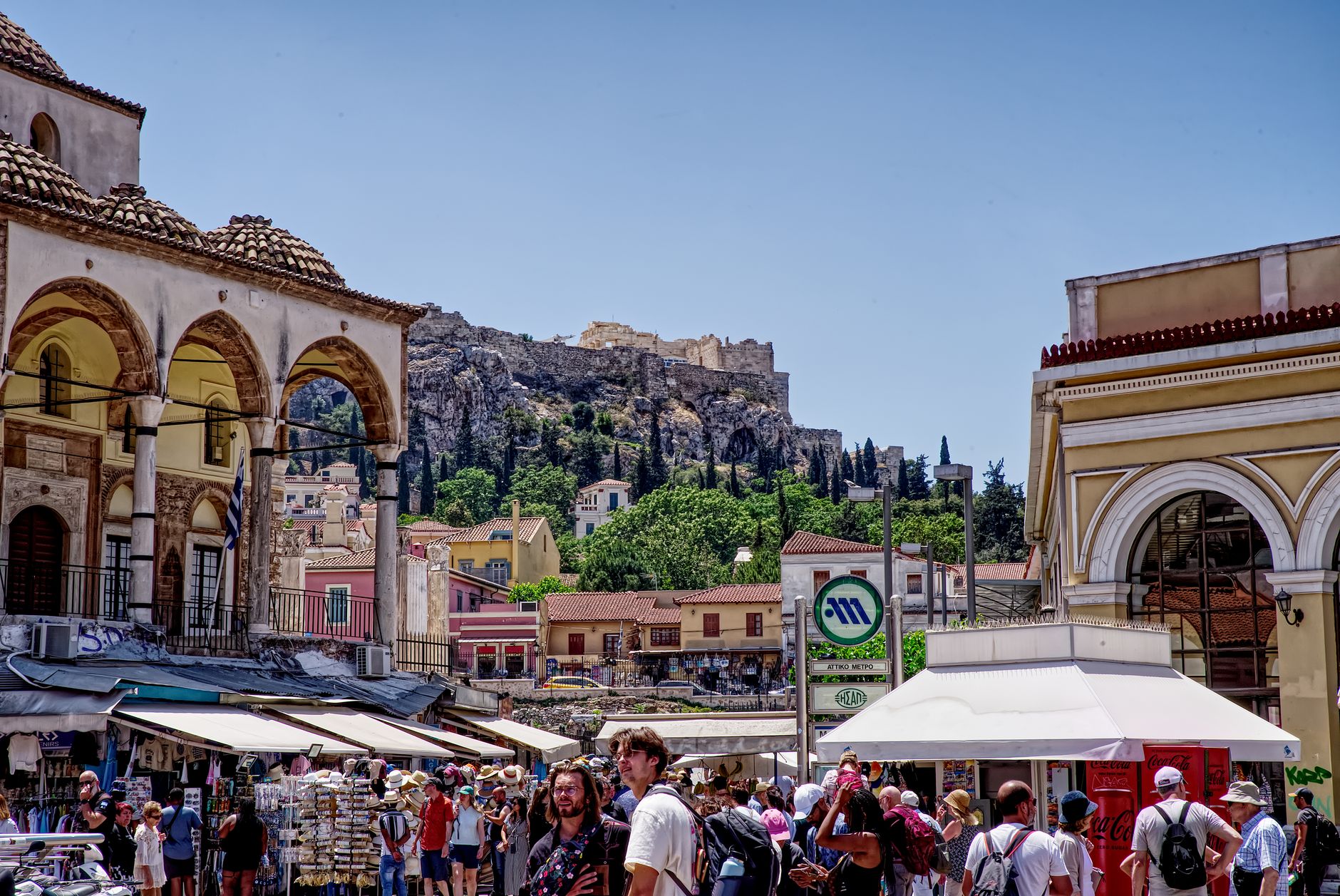
The name comes from 'petrina alonia' — stone threshing floors — and that agricultural past feels right for a neighbourhood that has always worked for a living. Petralona sits on the western slopes below the Acropolis, a short walk from Thissio, its streets narrow enough that the olive and lemon trees planted in front gardens shade both pavements at once. Neoclassical facades line Dimofontos and Troon; residents pull chairs onto the pavement on warm evenings.
This is a neighbourhood that grew out of necessity — Asia Minor refugees built makeshift homes here after 1922 — and has never entirely shed that layer. What it has shed is the impoverishment that Alekos Alexandrakis documented in his 1961 film 'A Neighbourhood Named a Dream'. Today the stone cottages with walled gardens coexist with corner tavernas and a century-old hat factory turned cultural centre.
💛 What travellers fall for
People who keep coming back tend to do so for two things: a table at Oikonomou, an institution of almost a hundred years where the eponymous family still lives above the dining room, and the Zefyros open-air cinema on Troon Street, which has been screening films since the 1930s and runs through summer. Go on a weeknight when the neighbourhood crowd fills both.
Deals in Petralona
Book directly at the provider


How Petralona came to be
Before the city reached it, Petralona was agricultural land named for the stone threshing floors where grain was processed. That changed after 1922, when Greek refugees expelled from Asia Minor settled here, building Asyrmatos — a rough shantytown on the hill — out of whatever materials were available. The district remained poor and marginalised for decades; the 1961 film 'Synoikia to Oneiro' (A Neighbourhood Named a Dream), directed by Alekos Alexandrakis, recorded that hardship on screen.
Change came gradually. In the 1950s, Queen Frederica's so-called Stone Houses were constructed in Ano Petralona. The Pil-Poul hat factory — founded in 1886, once exporting to Egypt and Bulgaria from its 1,500-square-metre premises — was eventually converted into the Melina Mercouri Cultural Centre, which now houses the Haridimos Shadow-Puppet Theatre. The Prosfygika apartment complex, built for refugees, has survived repeated threats of demolition and still stands.
Who and what shaped it
People who shaped it
Landmark buildings
See Petralona in motion
Plan your visit
On the map
When to go
Summers run hot — July and August regularly reach 35°C and can push to 40°C during heatwaves, which makes the shaded streets and open-air cinema more valuable than they might otherwise seem. Mid-April to late May and mid-September to early October give you clear skies and temperatures that don't drain you before lunch.
Right now
Background & history adapted from Wikipedia (CC BY-SA) · specs from Wikidata (CC0) · weather from Open-Meteo · map data © OpenStreetMap contributors · photos from Wikimedia Commons / Unsplash with per-image credit. No third-party reviews or social posts reproduced.