
Kolonaki
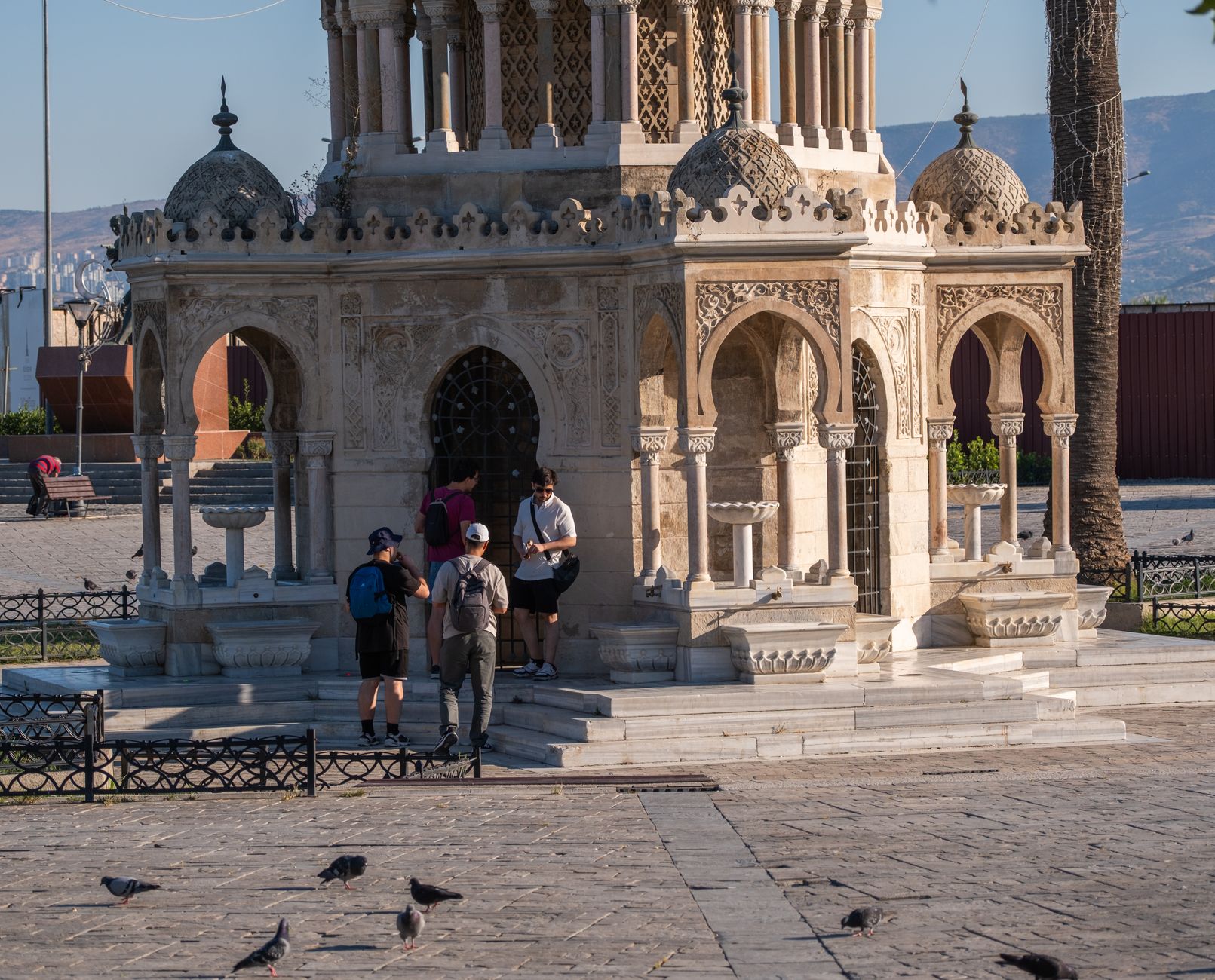
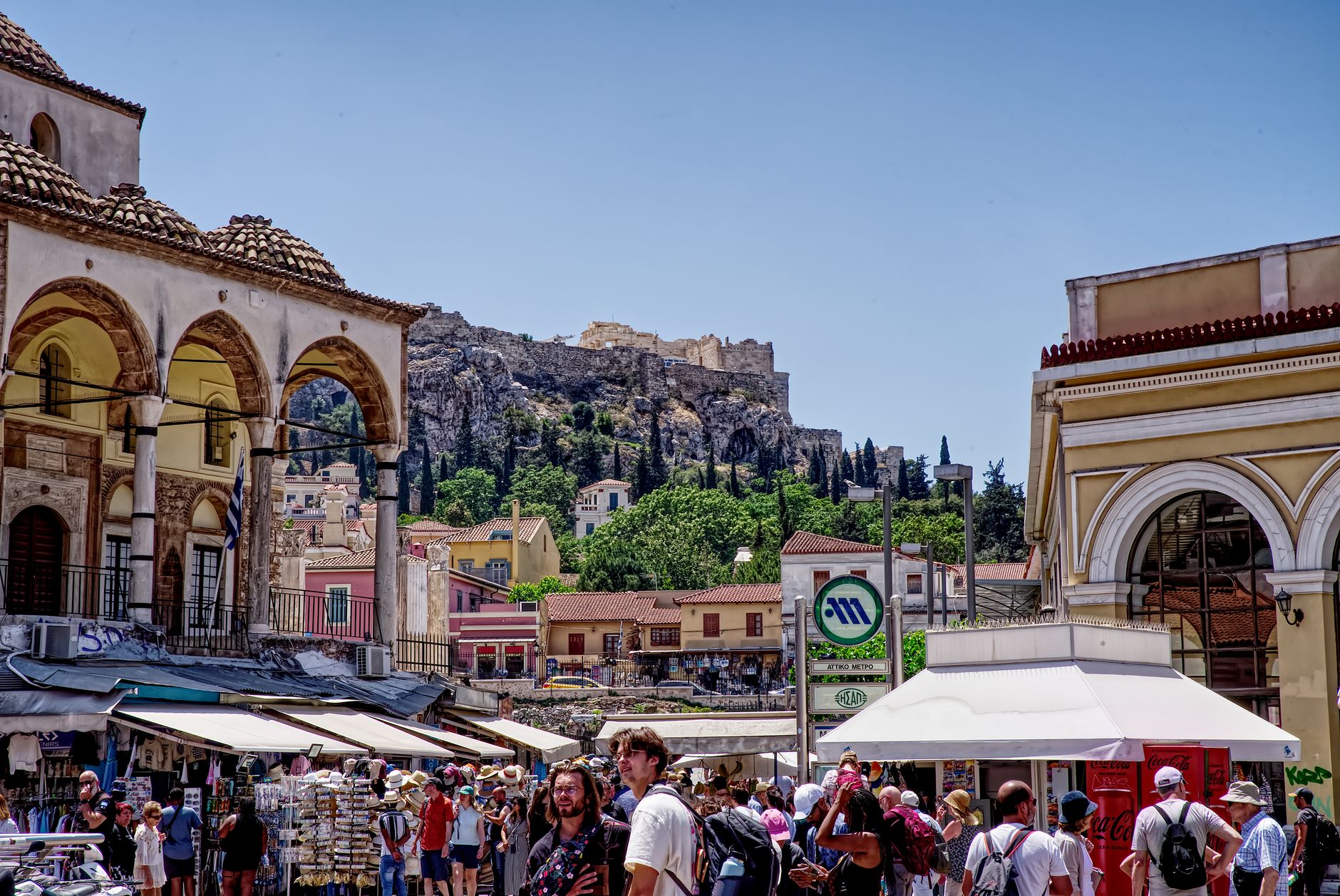
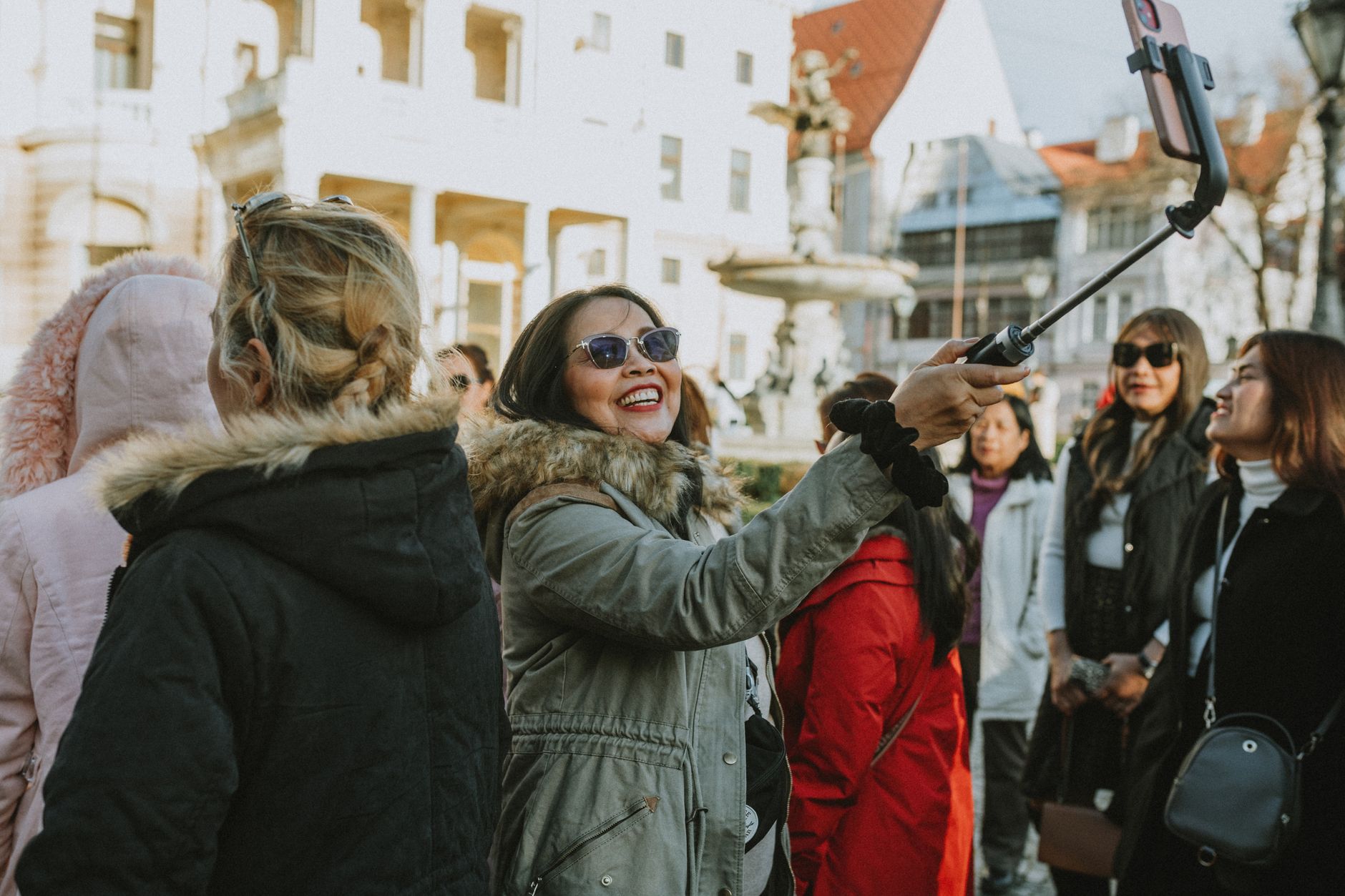
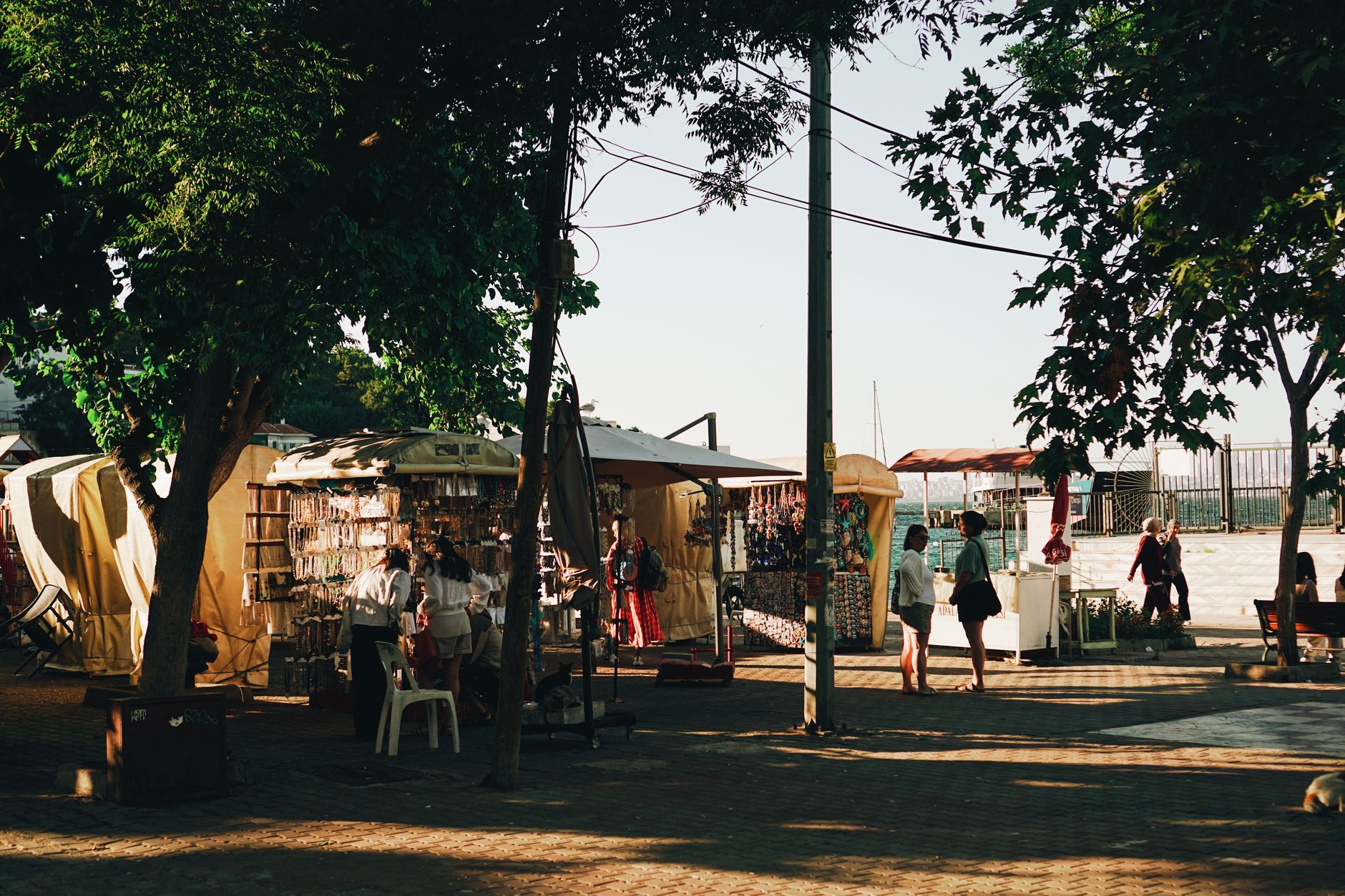
Kolonaki takes its name from a two-metre marble column — a lone pillar that once stood in what is now Dexameni Square, unremarkable enough that nobody bothered to move it until 1938. That small, stubborn detail sets the tone: this is a neighbourhood that accumulates meaning slowly, in layers. The streets climb from Syntagma toward Lycabettus Hill through a grid of neoclassical mansions, Doxiadis-era apartment blocks and café terraces where the afternoon light arrives at an angle that makes everything look slightly more considered than it is.
The cultural weight here is real. Vasilissis Sofias Avenue lines up the Benaki Museum, the Museum of Cycladic Art and the Byzantine and Christian Museum within easy walking distance of each other — not a museum district by accident, but by the logic of old money and state patronage settling along the same boulevard.
💛 What travellers fall for
Regulars tend to work Dexameni Square into any afternoon: the open-air cinema there runs in summer, and the square itself still carries the ghost of the 1930s intellectuals — Kazantzakis among them — who used it as a de facto living room. The Gennadius Library on the American School campus is worth the detour even if you're not a scholar; the reading room alone justifies the walk.
Deals in Kolonaki
Book directly at the provider


How Kolonaki came to be
Before Kolonaki was a address worth having, it was Katsikadika — goat-grazing land on the Ottoman-era fringe of the city. Development began around 1890, and the neighbourhood's social trajectory accelerated after 1836, when King Otto I established the first royal residences along Vasilissis Sofias Avenue, pulling aristocrats and officials up the hill behind him. By 1895–1900 the central square had been landscaped and named after Queen Olga.
The 20th century added further layers. Ioannis Gennadius donated his library of over 26,000 volumes to the American School of Classical Studies in 1922, and the neoclassical library building — designed by the New York firm Thompson & Van Pelt — opened in 1926. In the late 1950s and 1960s, urban planner Constantinos Doxiadis inserted modernist apartment blocks along Fokylidou and Stratiotikou Syndesmou streets, part of a construction wave that tripled housing investment in Athens between 1960 and 1970.
Who and what shaped it
People who shaped it
Landmark buildings
See Kolonaki in motion
Plan your visit
On the map
When to go
Athens summers are dry and fierce, and Kolonaki's hillside position offers little shade on the open streets — the museums become a genuine refuge from July through August. Spring and October are the most comfortable seasons for walking the neighbourhood end to end, with mild temperatures and light that does the architecture justice.
Right now
Background & history adapted from Wikipedia (CC BY-SA) · specs from Wikidata (CC0) · weather from Open-Meteo · map data © OpenStreetMap contributors · photos from Wikimedia Commons / Unsplash with per-image credit. No third-party reviews or social posts reproduced.