
Koukaki
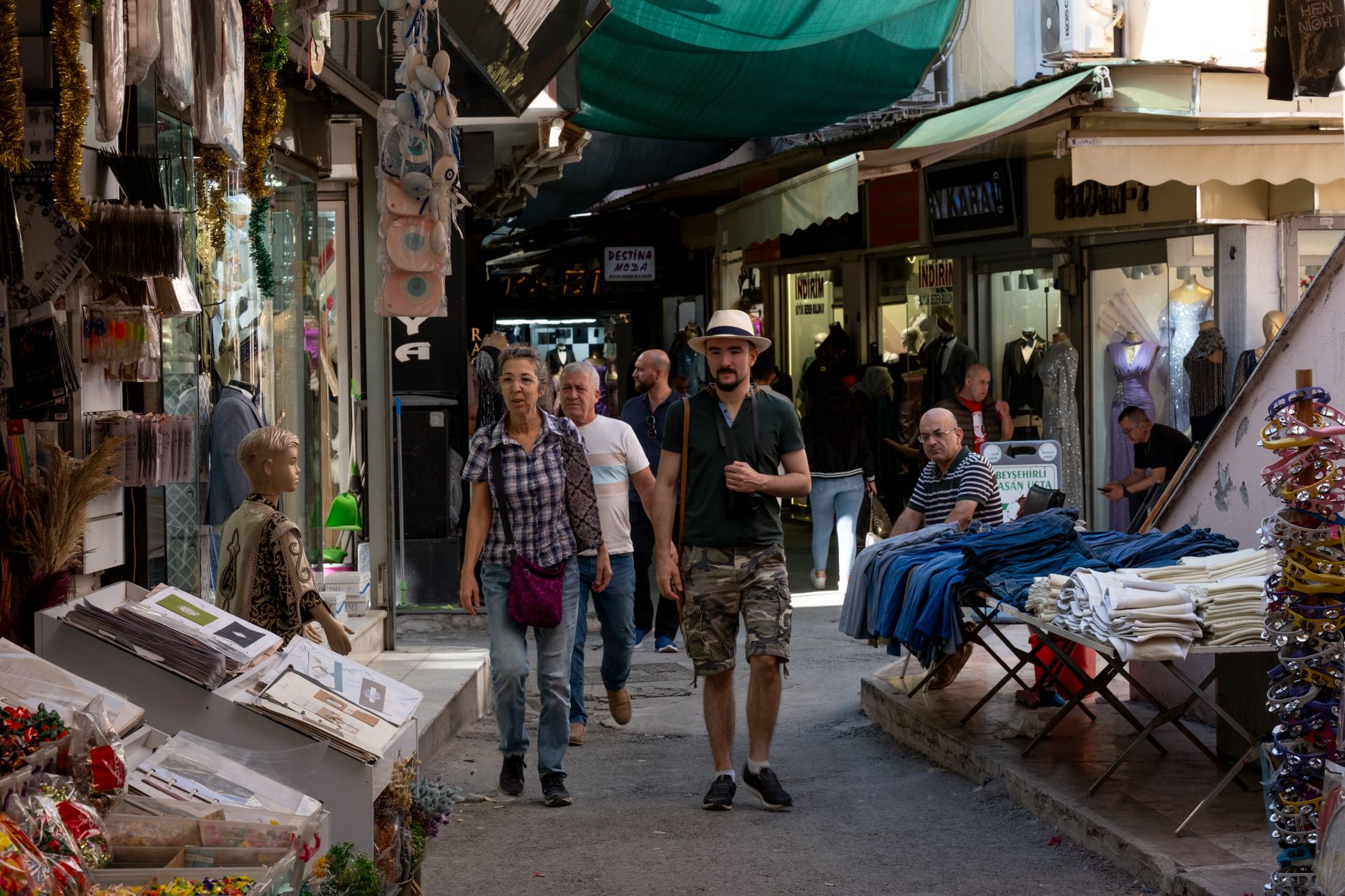
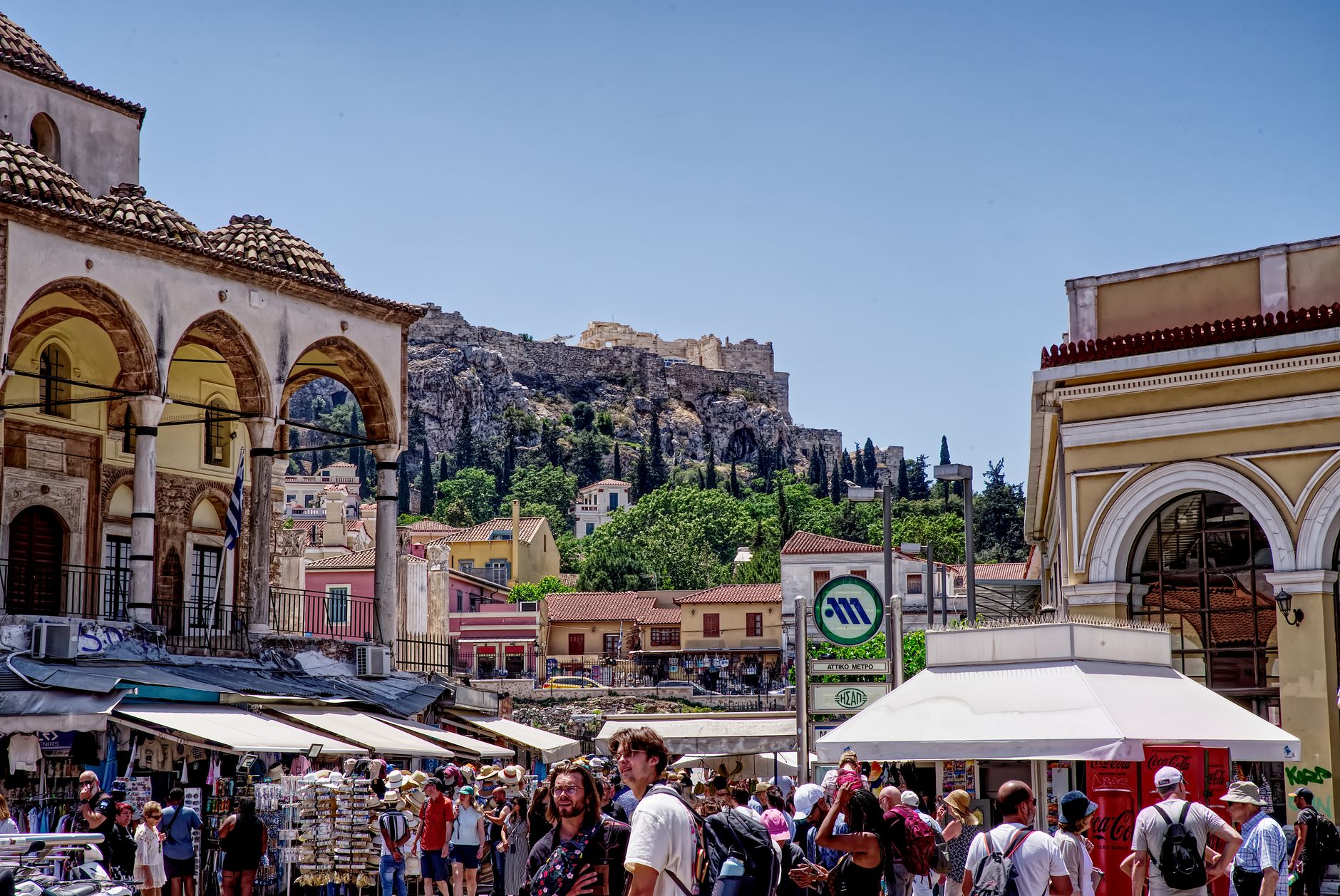

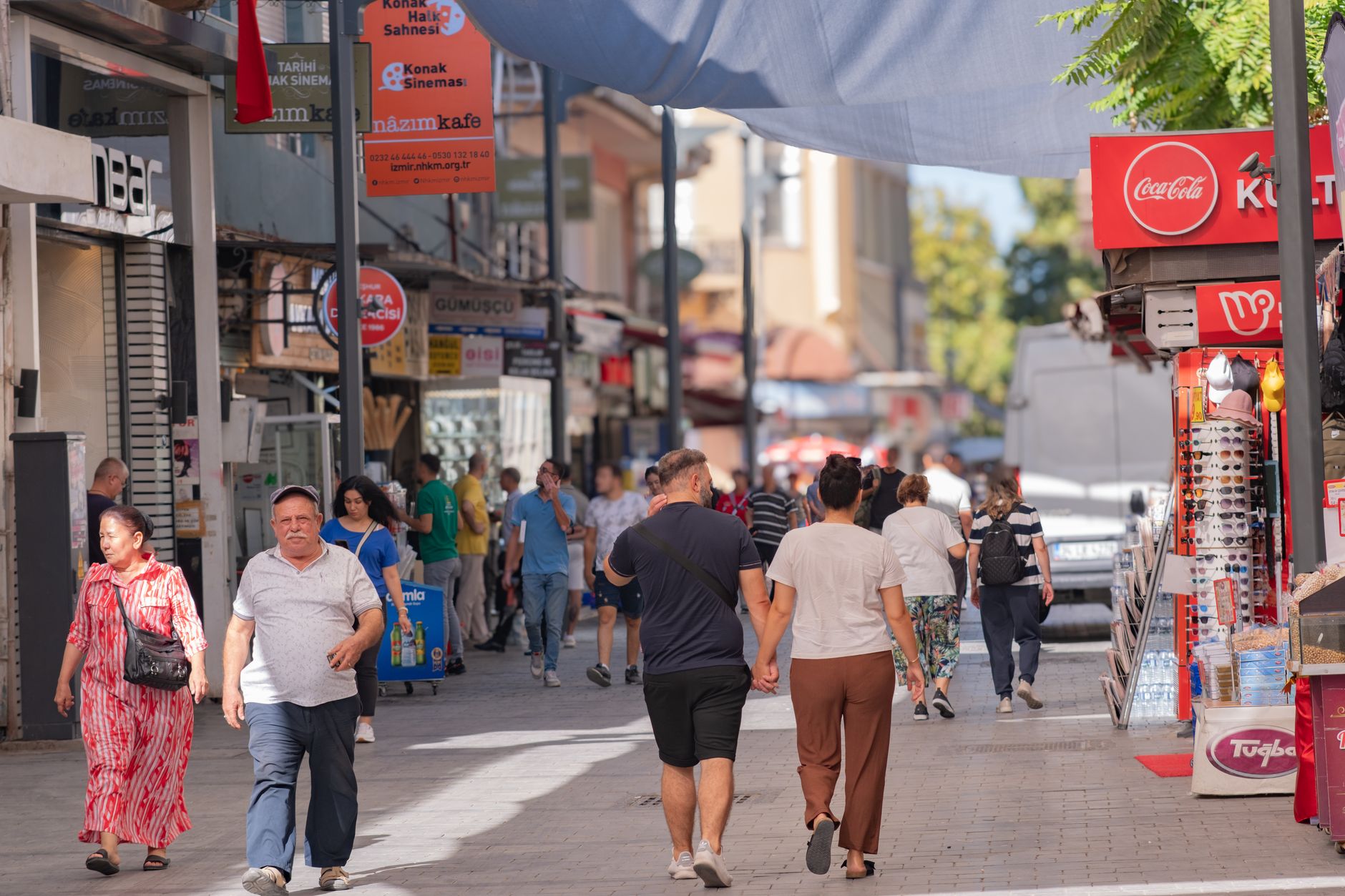
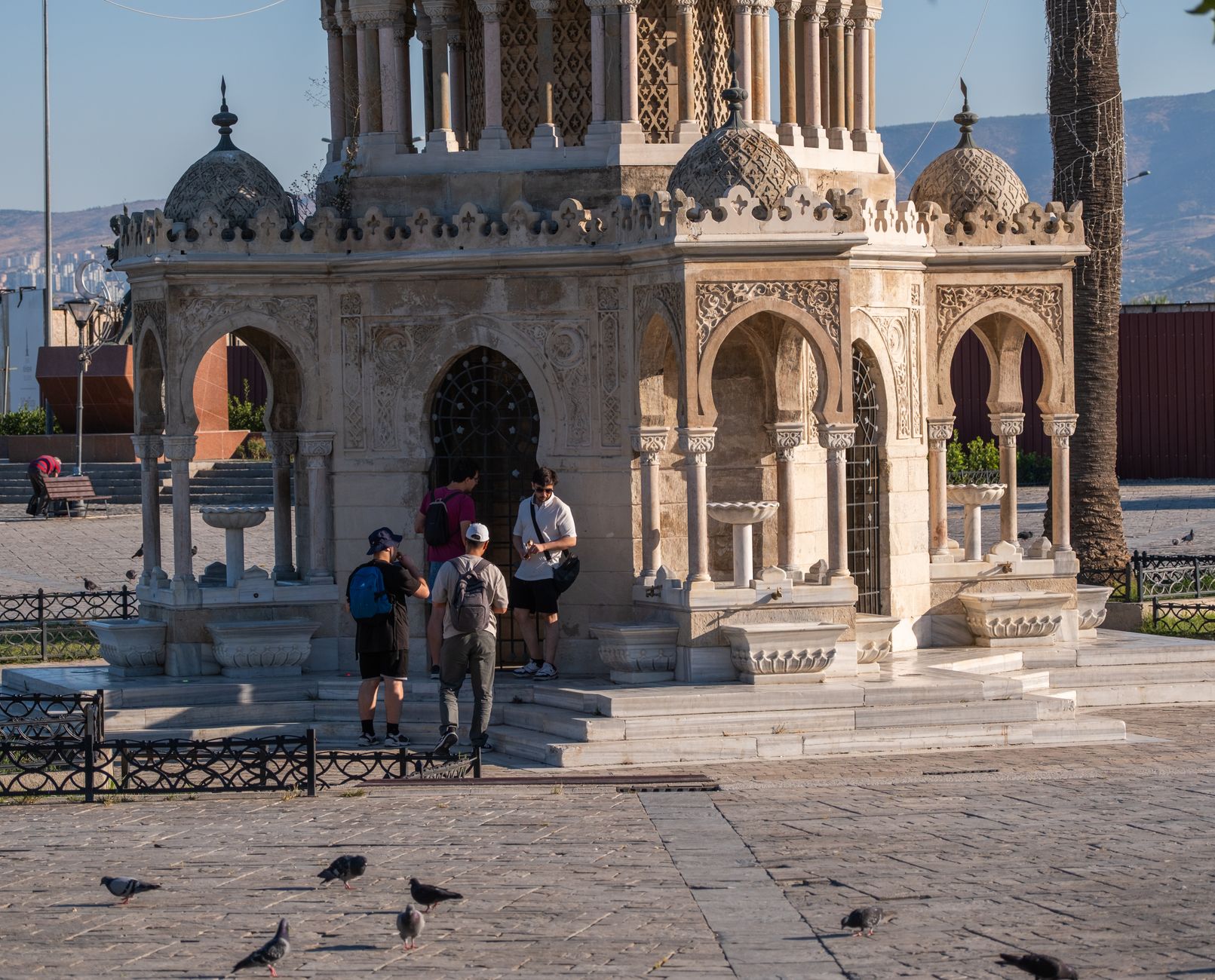
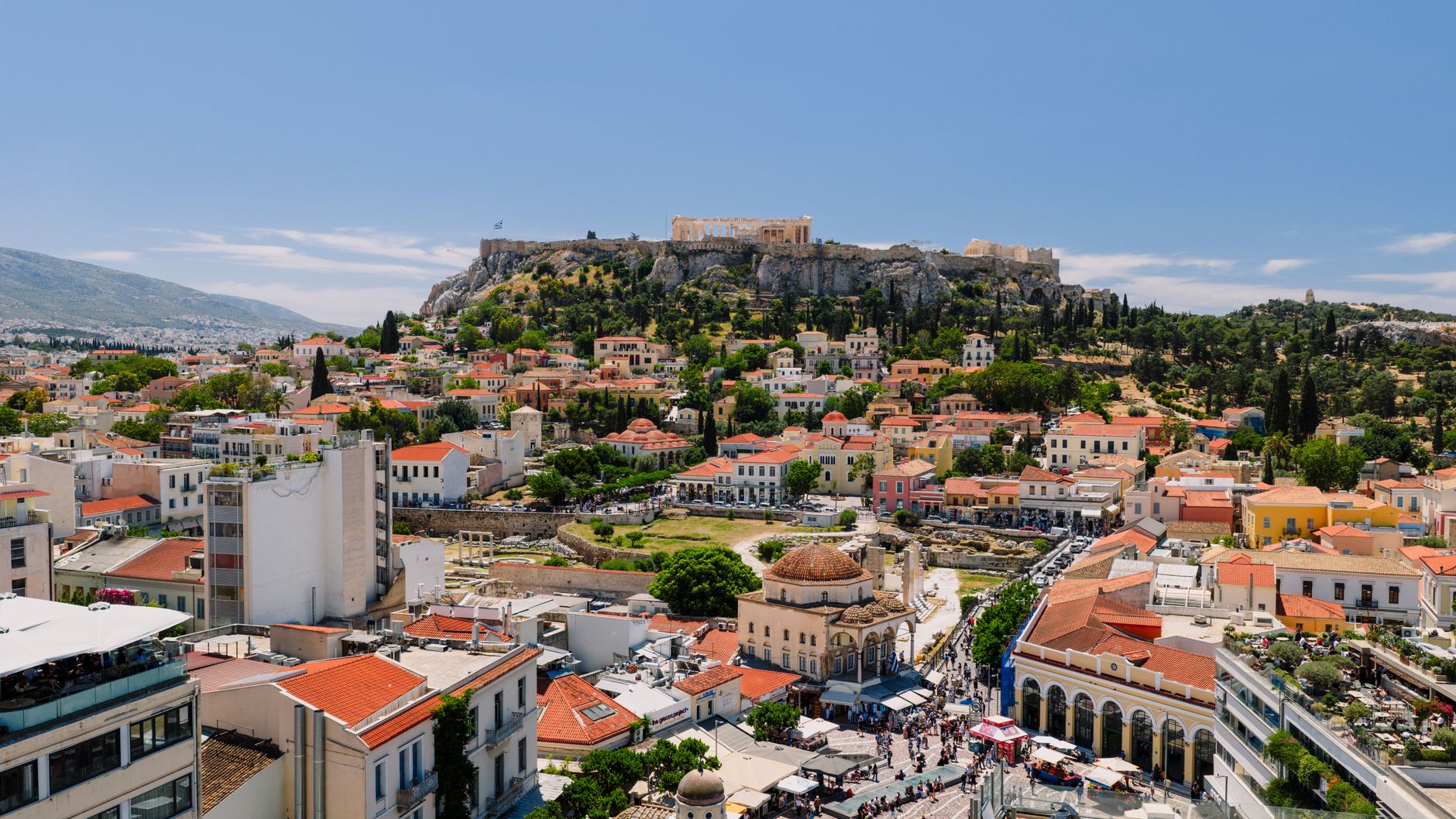
Koukaki begins where the Acropolis rock drops away — you can see the Parthenon from the end of certain streets, and the shadow of Filopappou Hill falls across the afternoon. It is one of those neighborhoods that tourists pass through on their way to monuments without quite registering that the neighborhood itself is worth stopping in.
What distinguishes it is a layered ordinariness: 1960s apartment blocks beside neoclassical houses, a pedestrianized street or two where people actually sit, the Acropolis Museum anchoring one edge and the old FIX brewery — now the National Museum of Contemporary Art — anchoring another.
💛 What travellers fall for
People who come back tend to walk Drakou Street early, before the tour groups descend on the nearby sites. The Ilias Lalaounis Jewelry Museum on a quiet morning is worth the detour — four thousand pieces, and almost no one else there. The tram stop at Fix puts you on Vouliagmenis Avenue in seconds if your feet give out.
Deals in Koukaki
Book directly at the provider
How Koukaki came to be
The neighborhood takes its name from Georgios Koukakis, an iron bed manufacturer who built a house at the corner of Dimitrakopoulou and Georgaki Olympiou streets around 1900. In the early twentieth century it settled into a middle-class rhythm — family homes, local markets, a community largely self-contained.
By the interwar years it had drawn artists, academics and intellectuals, a tendency reinforced when Panteion University was founded in the late 1920s. The late 1980s brought the pedestrianization of Drakou and Georgaki Olympiou streets. Then came the 2000 metro opening and, in 2009, the Acropolis Museum — Bernard Tschumi's glass-and-concrete building that shifted the neighborhood's centre of gravity permanently.
Who and what shaped it
People who shaped it
Landmark buildings
See Koukaki in motion
Plan your visit
On the map
When to go
April through May is the window when temperatures sit between 16°C and 24°C and the streets are walkable without effort. July and August regularly reach 35–36°C, occasionally higher, which makes the shaded museum interiors considerably more appealing than the open hillsides. Early to mid-September brings the heat down to around 28°C while keeping the long evening light.
Right now
Background & history adapted from Wikipedia (CC BY-SA) · specs from Wikidata (CC0) · weather from Open-Meteo · map data © OpenStreetMap contributors · photos from Wikimedia Commons / Unsplash with per-image credit. No third-party reviews or social posts reproduced.