
Plaka
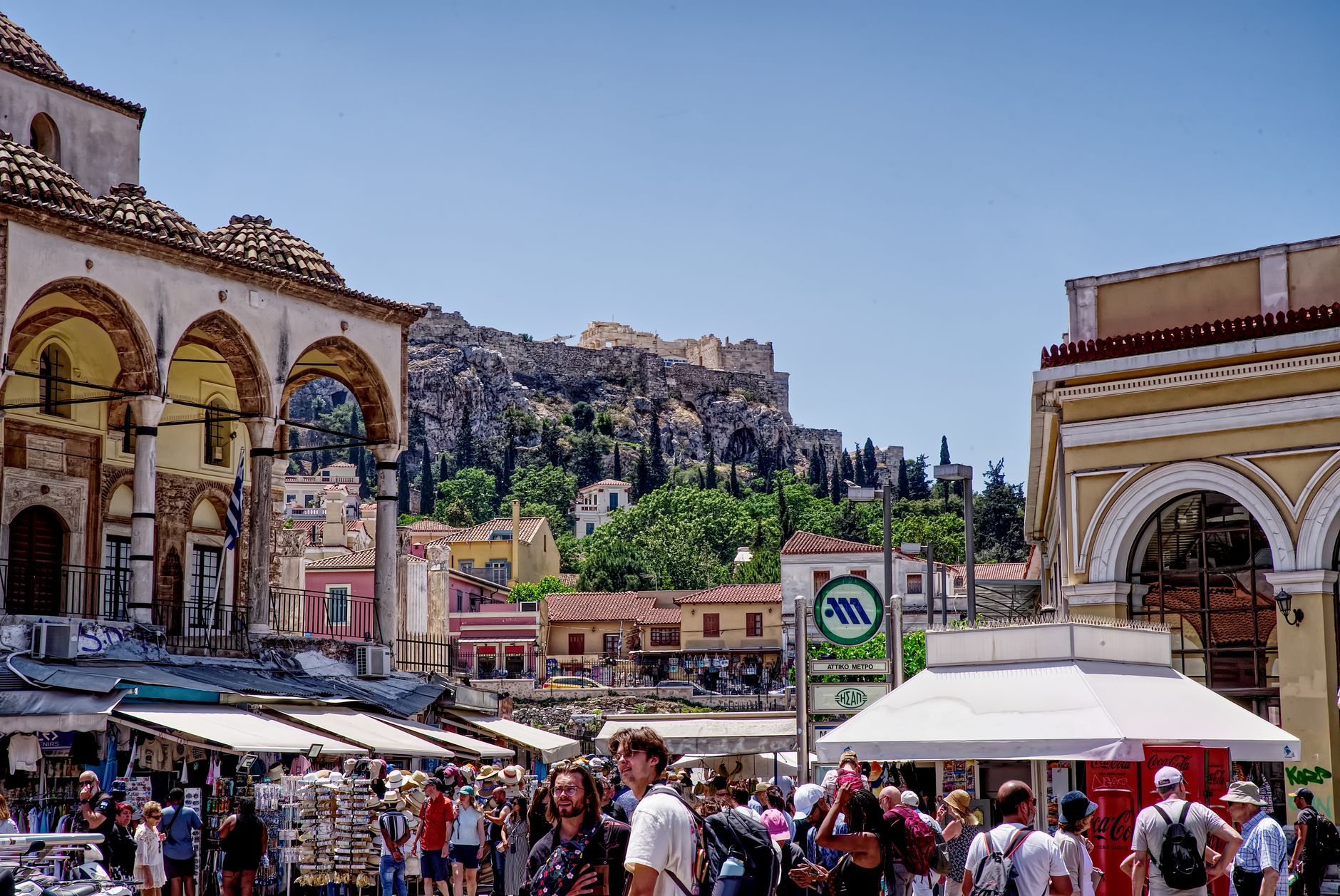
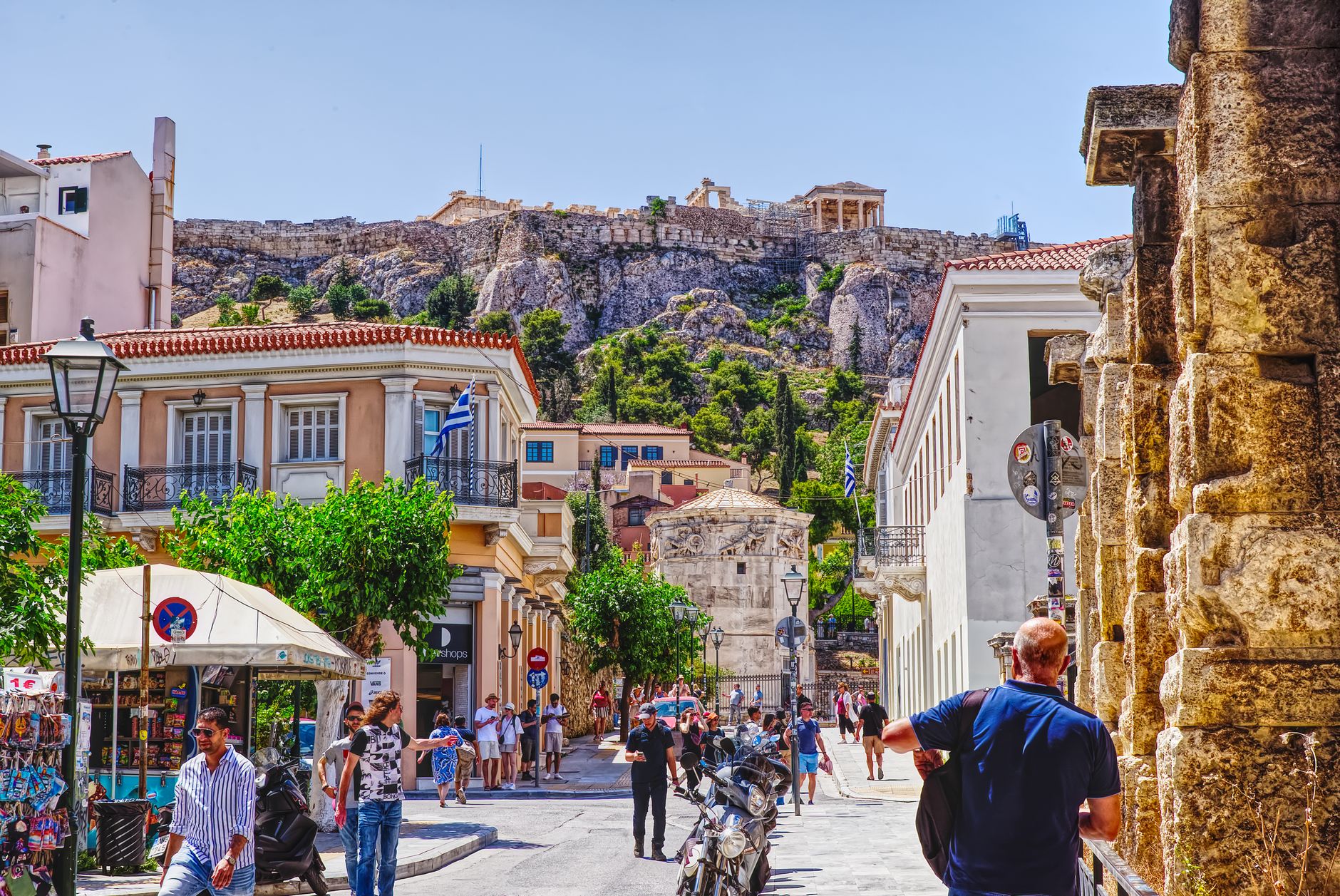
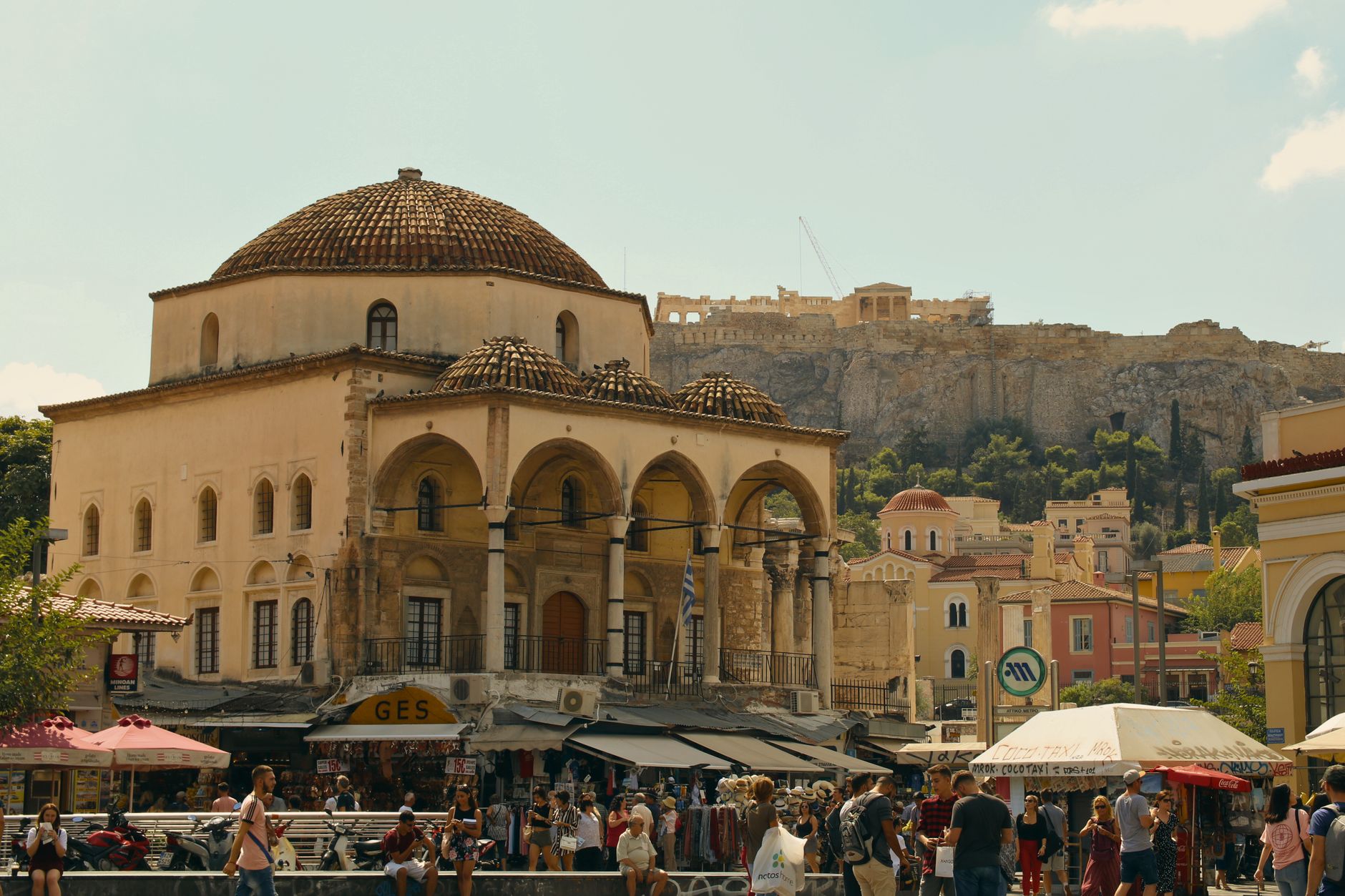

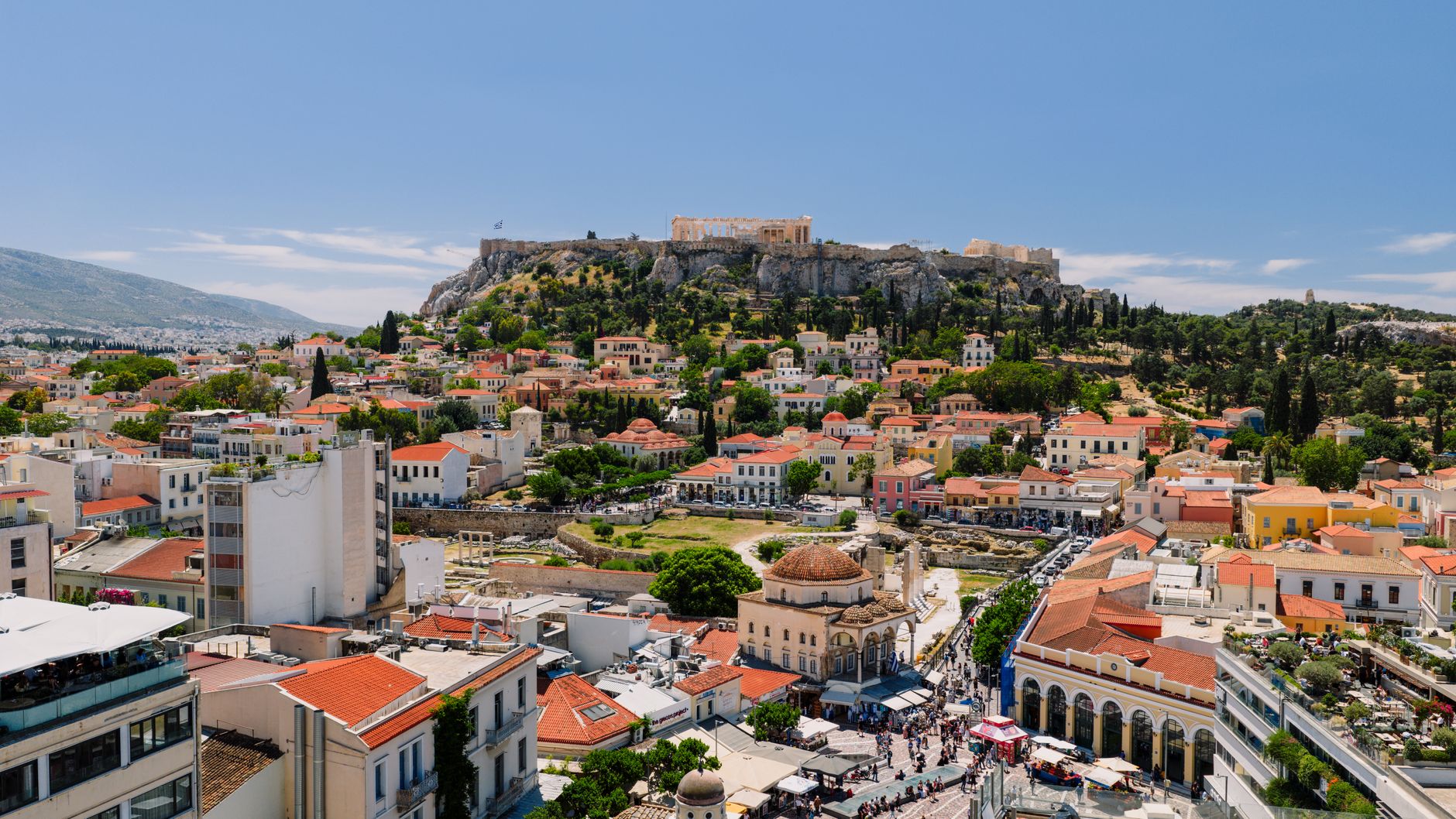
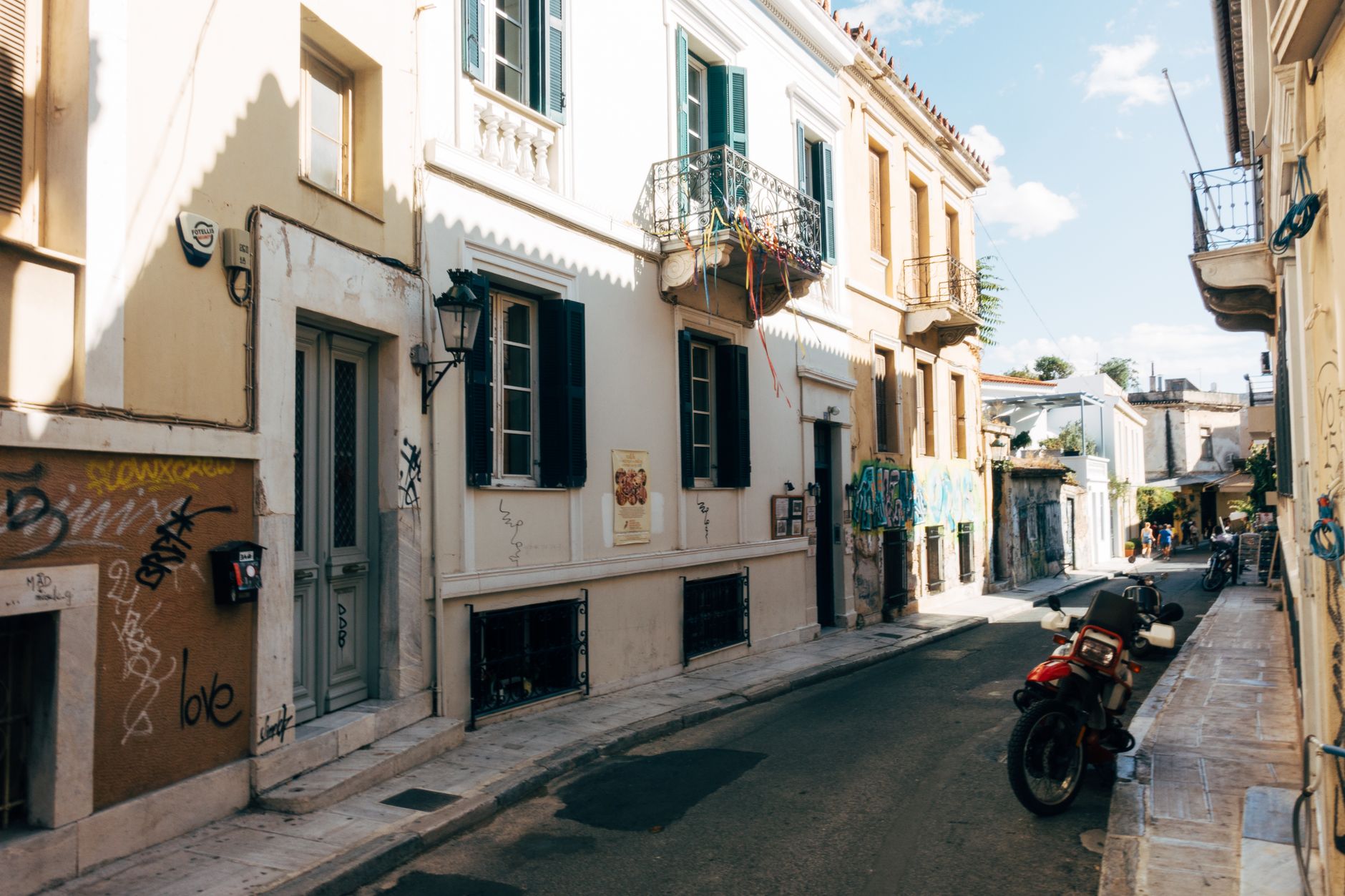
Plaka is the oldest part of Athens that has never stopped being lived in — Neolithic settlement to present, one continuous thread. Walk its lanes on a weekday morning before the tour groups arrive and you'll find a retired man watering geraniums beside a Byzantine church wall, a cat asleep on the Choragic Monument of Lysicrates, and a rooftop cinema that has been projecting films against the Acropolis since the 1920s.
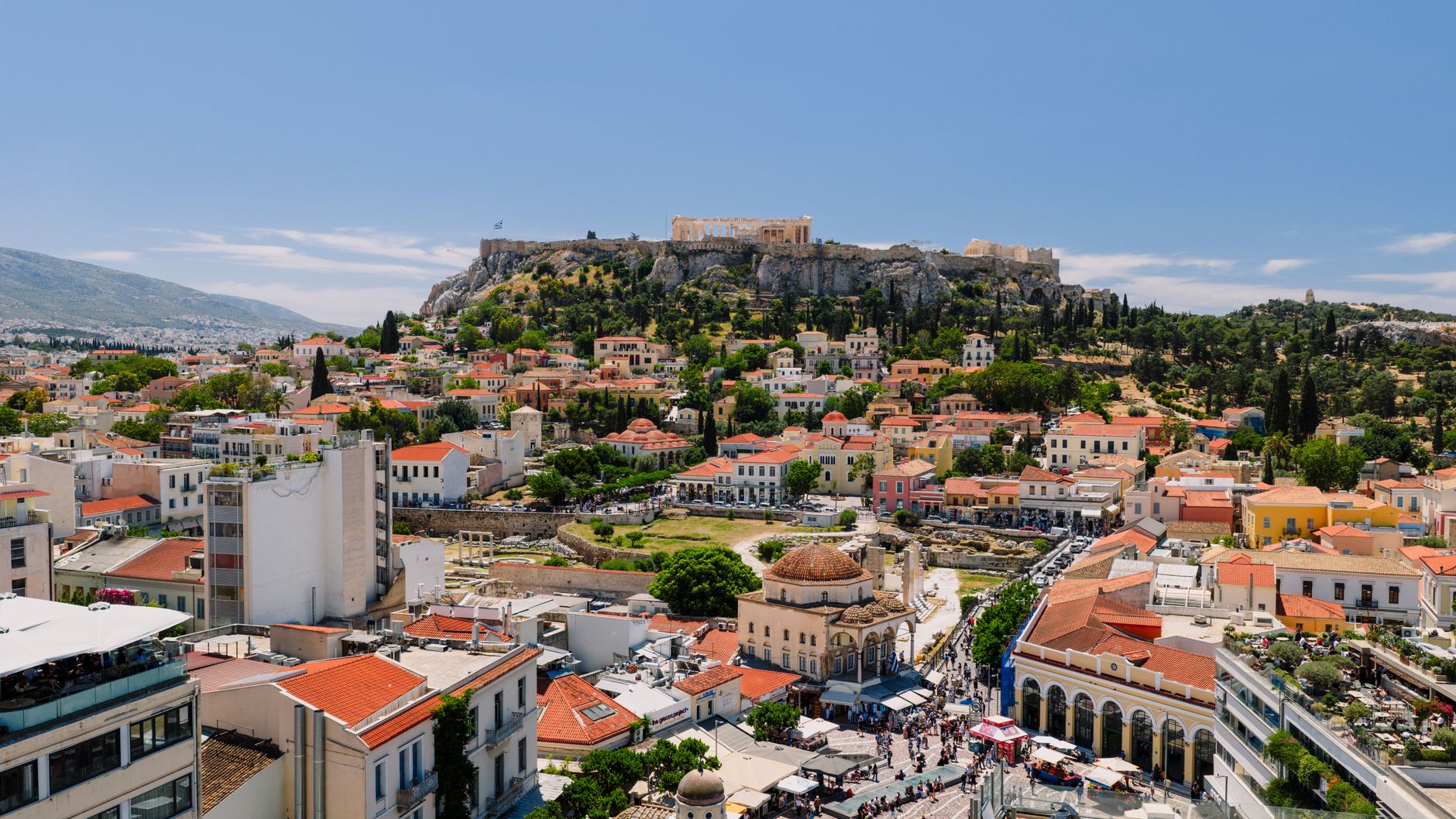
The neighbourhood sits at the base of the rock, bounded loosely by the Ancient Agora to the west and Makrygianni Street to the south. Its streets climb steeply toward Anafiotika, a pocket of Cycladic whitewash built by workers who came from the island of Anafi to raise King Otto's new capital and simply stayed.
💛 What travellers fall for
People who come back tend to time Cine Paris carefully — the rooftop opens in summer, and the Acropolis is lit behind the screen. They also seek out 4 Dioskouroi Street, where Odysseus Elytis kept his study, and walk past 5 Periandrou, where Kostis Palamas wrote the Olympic Hymn and died in 1943. Both are easy to miss without knowing to look.
Deals in Plaka
Book directly at the provider

How Plaka came to be
Plaka's name surfaces in documents only from the second half of the 17th century, though the ground beneath it has been occupied since the Neolithic. By the early 16th century, Athens was growing again and Albanian settlers were moving into the northeast of the city; Plaka remained the Albanian quarter well into the late 19th century. The name itself is still disputed — one theory traces it to a large marble slab found near a church on the Acropolis's eastern slopes, another to the Arvanitika phrase meaning 'Old Athens.'
The district was briefly abandoned during the fierce fighting of 1826 in the Greek War of Independence, then repopulated under King Otto with a mix of old Athenian families, artisans, and military men. The Cleanthi-Saubert house on Tholou Street became the first University of Athens in 1837. Restoration of the old fabric began in earnest in the 1990s.
Who and what shaped it
People who shaped it
Landmark buildings
See Plaka in motion
Plan your visit
On the map
When to go
Spring (April–May) and autumn (September–October) are the most comfortable seasons for walking Plaka's stone lanes — warm enough for evenings outside, cool enough to climb toward Anafiotika without stopping every fifty metres. July and August are hot and dry; the light is extraordinary but the midday heat is real.
Right now
Background & history adapted from Wikipedia (CC BY-SA) · specs from Wikidata (CC0) · weather from Open-Meteo · map data © OpenStreetMap contributors · photos from Wikimedia Commons / Unsplash with per-image credit. No third-party reviews or social posts reproduced.