
Meteora
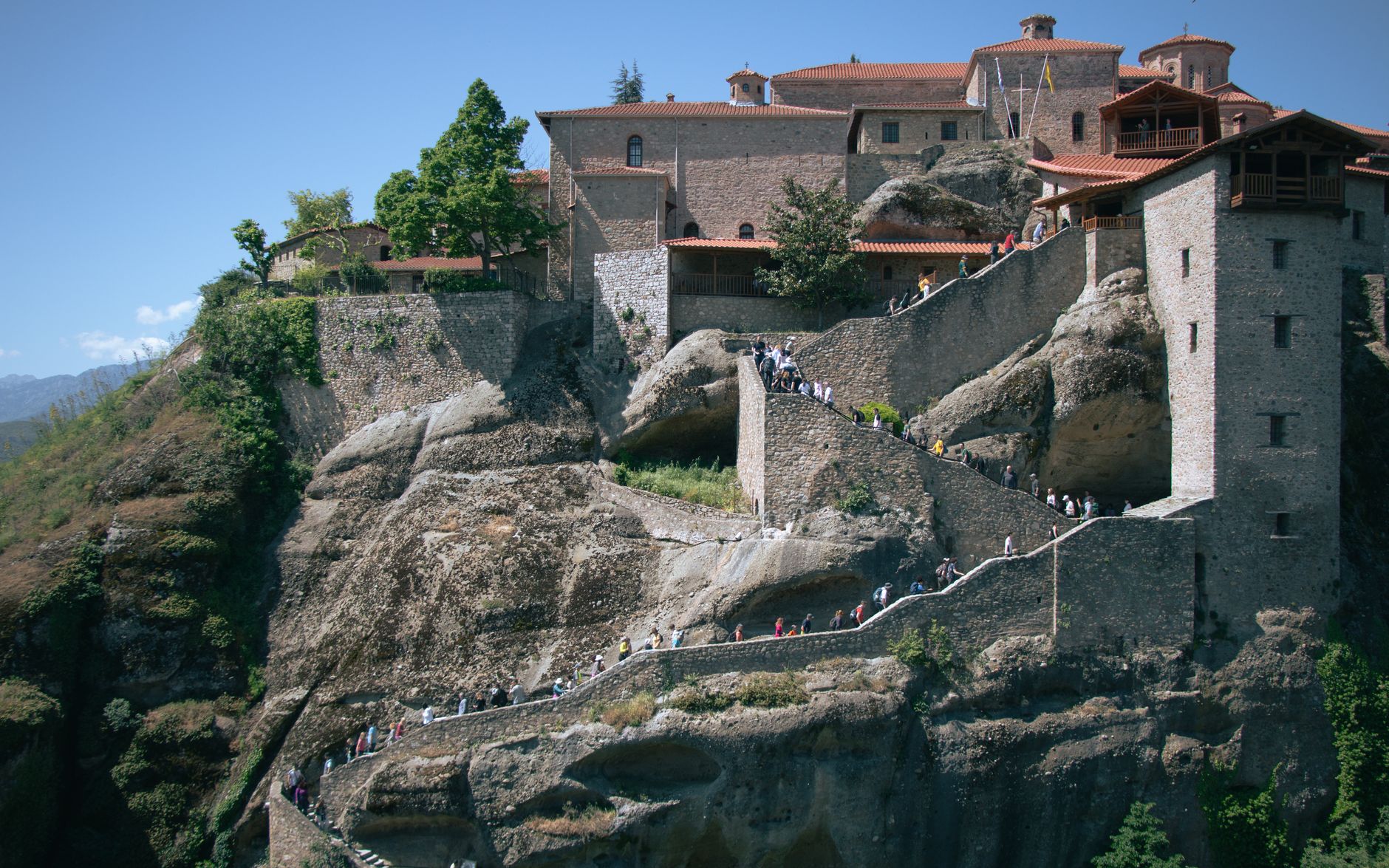
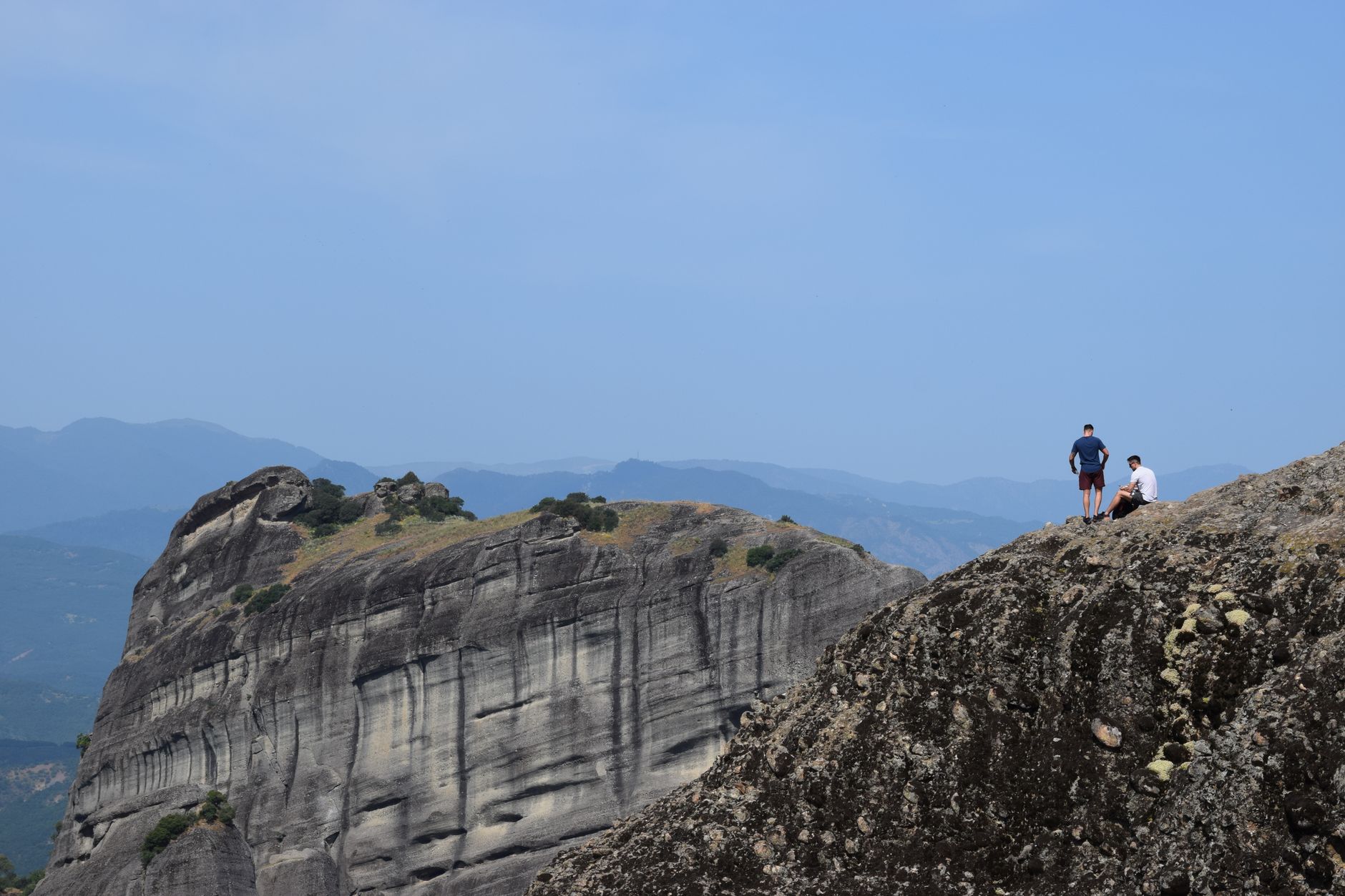
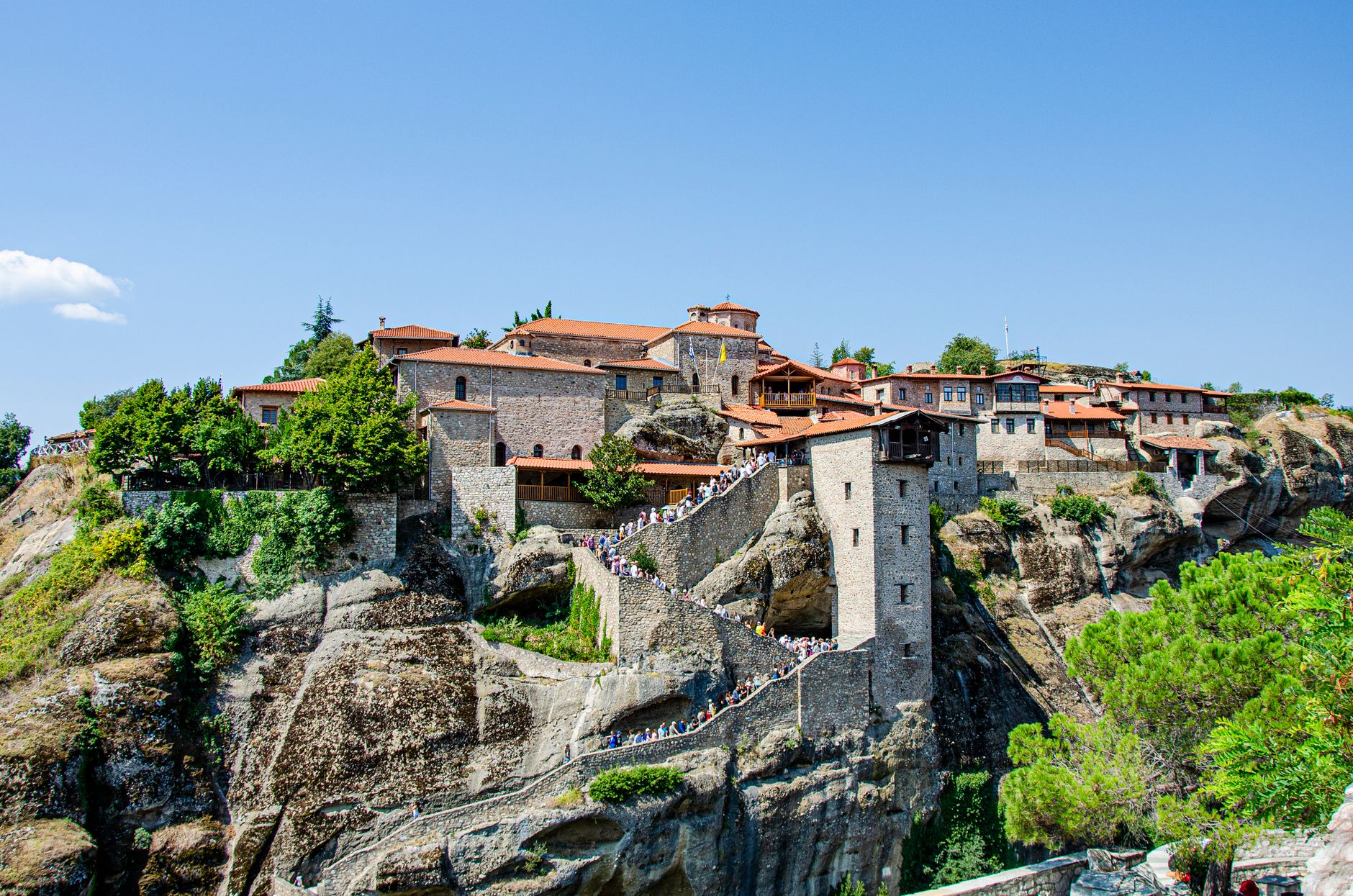
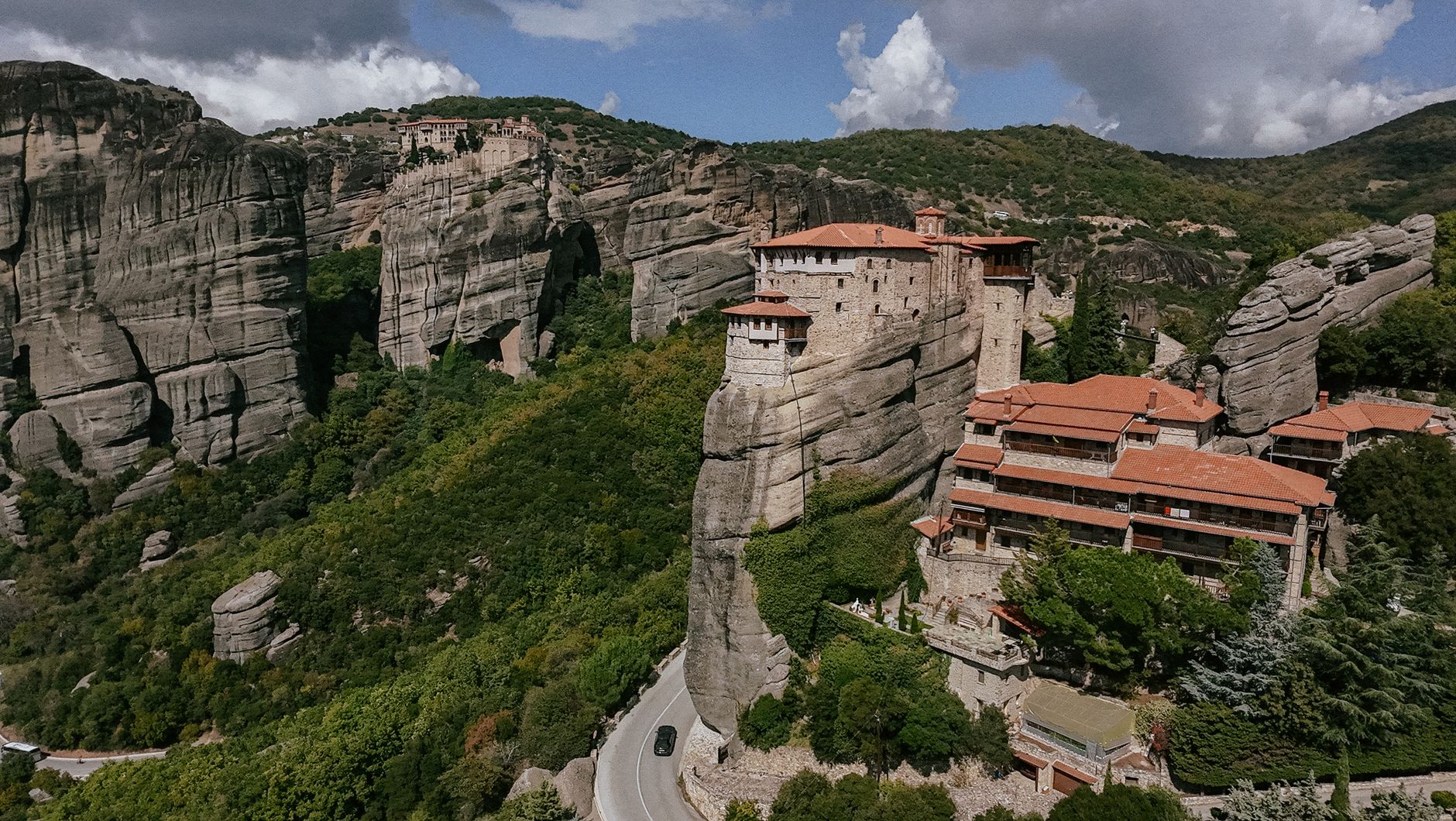
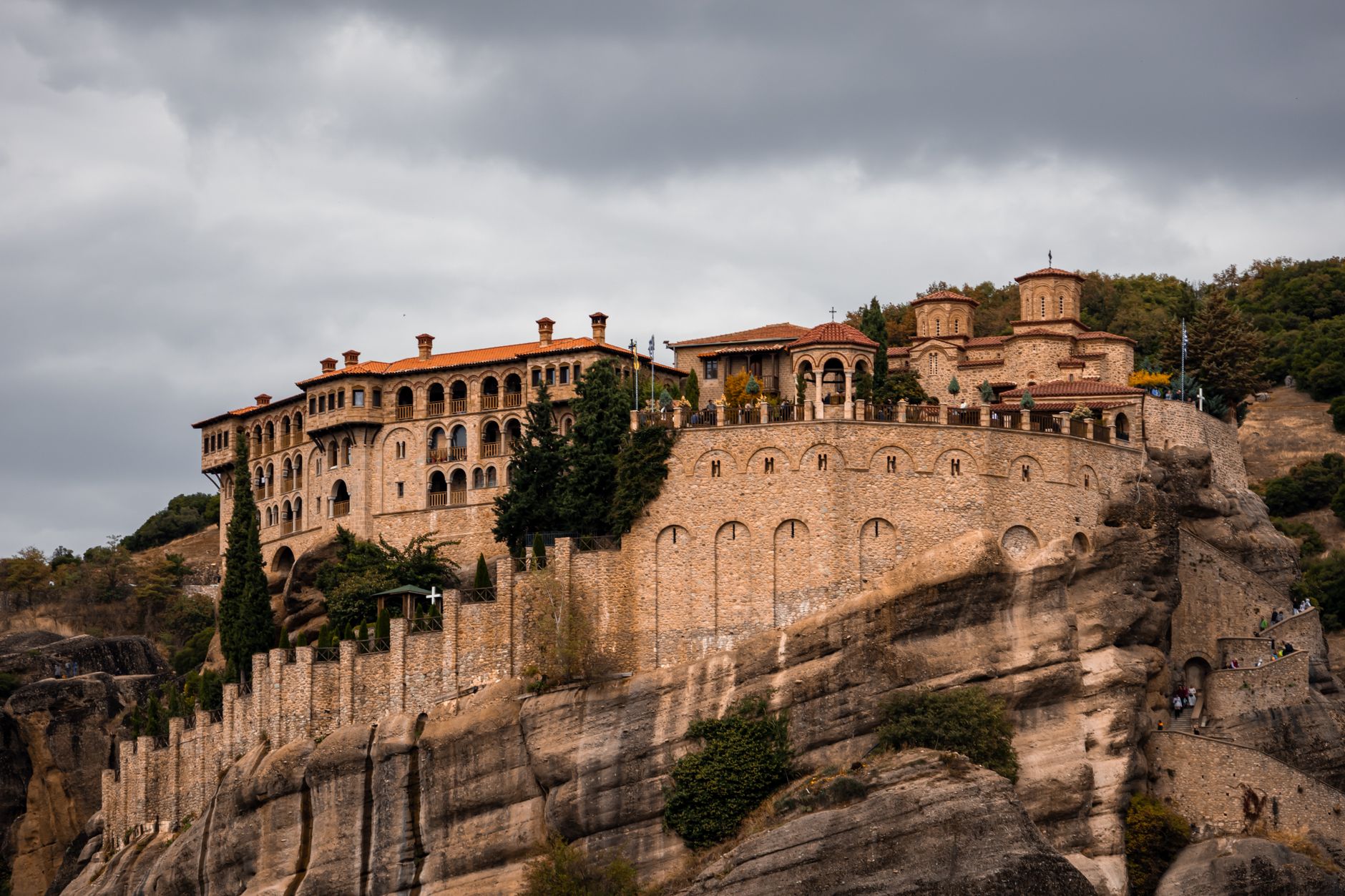
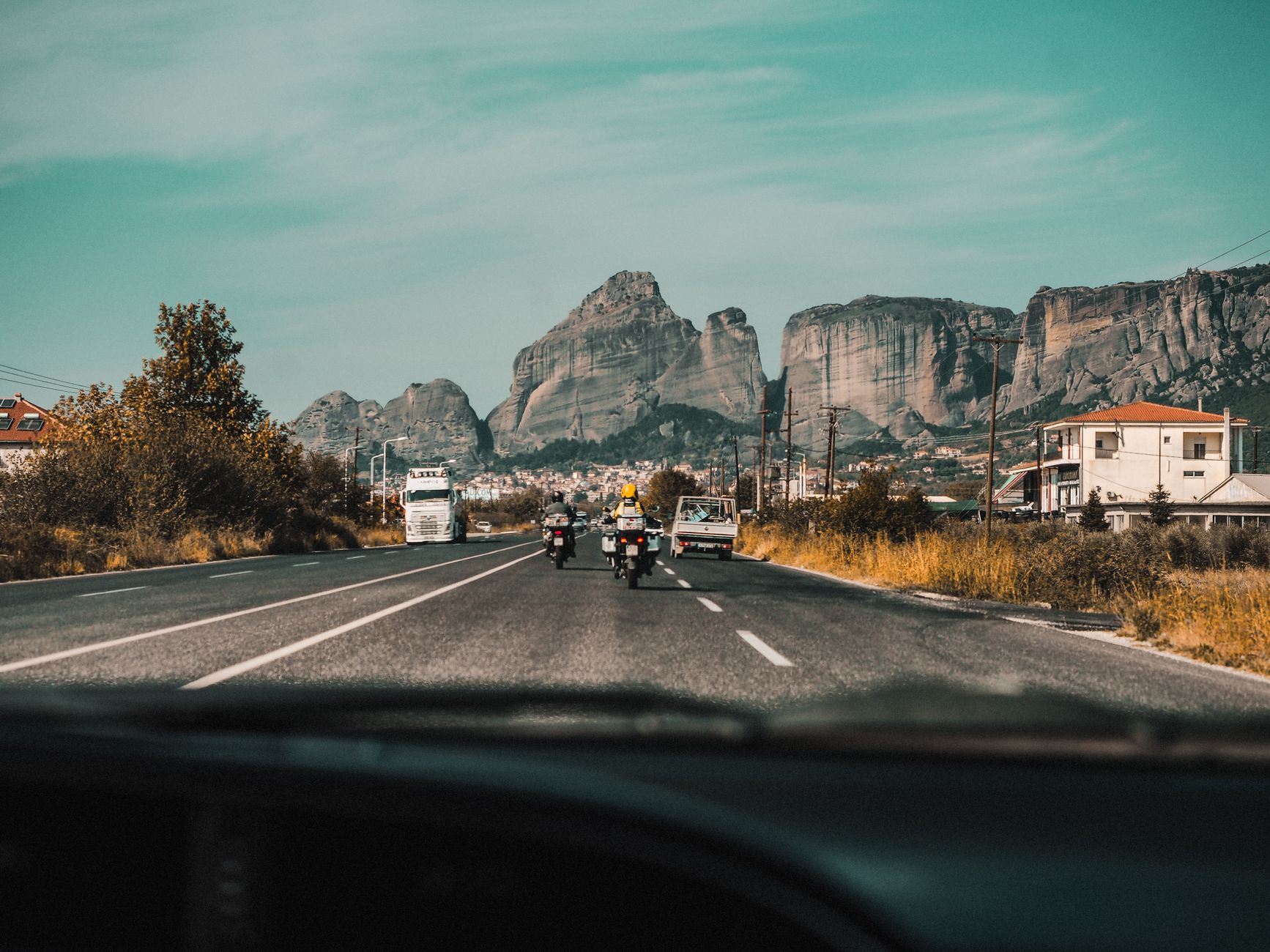
The rocks at Meteora don't ease you in. One moment you're driving through the Thessaly plain, flat and agricultural, and then the sandstone pillars simply appear — vertical, enormous, rising to 400 metres with monasteries balanced on top of them like something a child dared someone to build. Six of those monasteries are still active, still home to monks and nuns, still ringing bells on liturgical schedules that predate most European nation-states.
This is a working religious landscape, not a ruin. Dress codes apply at the gate, hours shift by season and by the monks' own discretion, and the €5 entrance fee at each monastery is collected in cash. Come with that understanding and the place rewards close attention.
How Meteora came to be
Monks were already living in the caves and fissures of these rocks in the 11th century, but the monasteries themselves belong to a later, more desperate moment. As Ottoman pressure on Greece intensified in the 14th century, monastic communities sought ground that was genuinely unreachable. Under the patronage of local ruler Simeon Uroš, monk Athanasios Koinovitis climbed what he called the plathy lithos — the broad rock — and laid the foundations of the Great Meteoron around 1356. Over the following century and a half, 24 monasteries were established on the summits and ledges of the pillars.
At their 16th-century peak, those 24 communities made Meteora one of the most significant monastic centres in the Orthodox world. Theophanes the Cretan painted his celebrated frescoes in St. Nicholas Anapafsas in 1527; Varlaam was completed in the same era and kept relics including, according to tradition, the finger of St. John. Steps were finally cut into the rock in the 1920s, ending centuries of rope-and-net access. UNESCO designated the site a World Heritage Site in 1989.
Who and what shaped it
People who shaped it
Landmark buildings
See Meteora in motion
Plan your visit
On the map
When to go
Spring — April through early June — is the most forgiving season: temperatures between 15°C and 23°C, wildflowers on the rock faces, and softer light for photography. July and August push past 32°C, which is manageable if you start early; autumn brings the heat down to the low twenties and thins the crowds noticeably.
Right now
Background & history adapted from Wikipedia (CC BY-SA) · specs from Wikidata (CC0) · weather from Open-Meteo · map data © OpenStreetMap contributors · photos from Wikimedia Commons / Unsplash with per-image credit. No third-party reviews or social posts reproduced.