
Kep
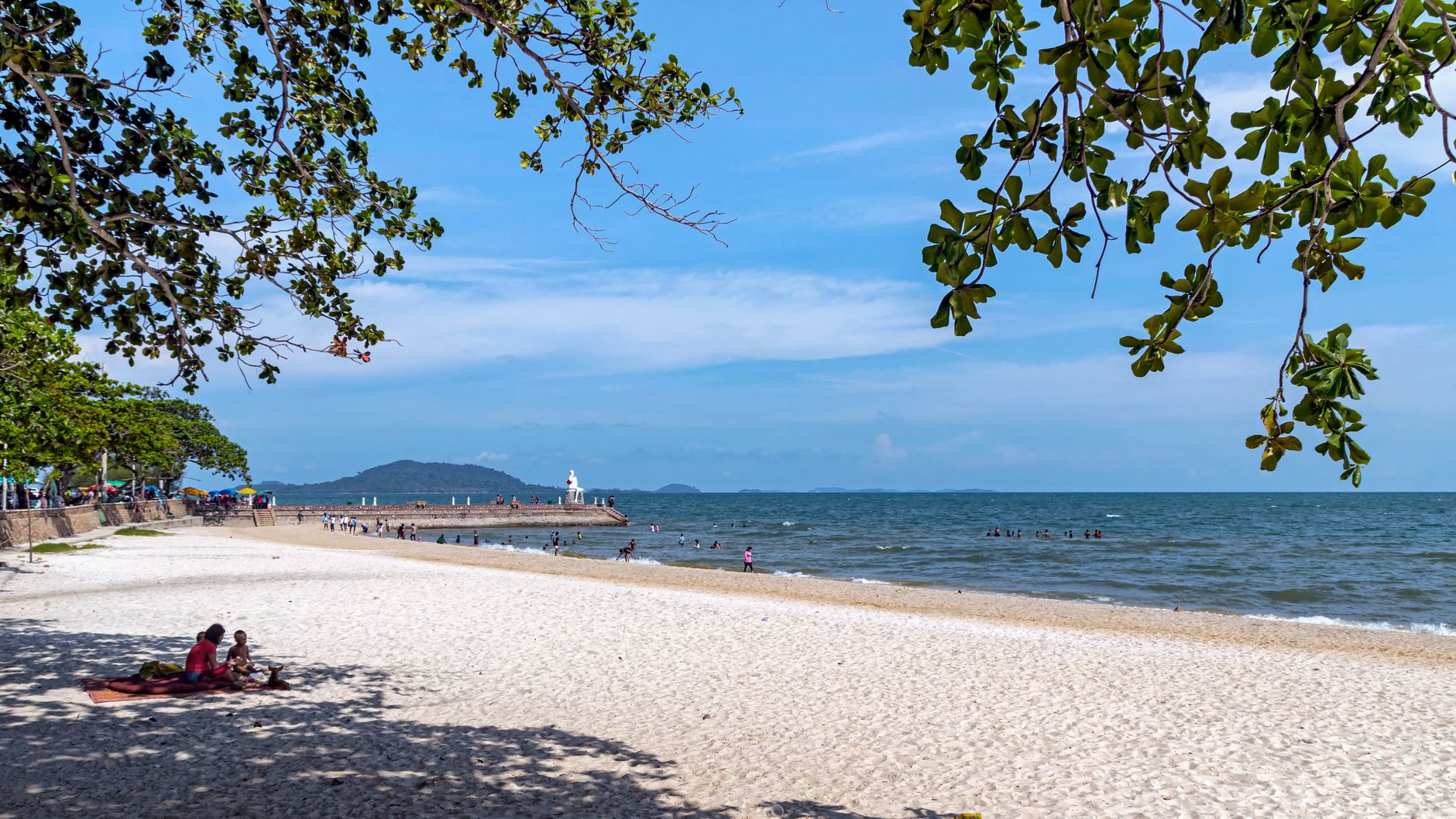
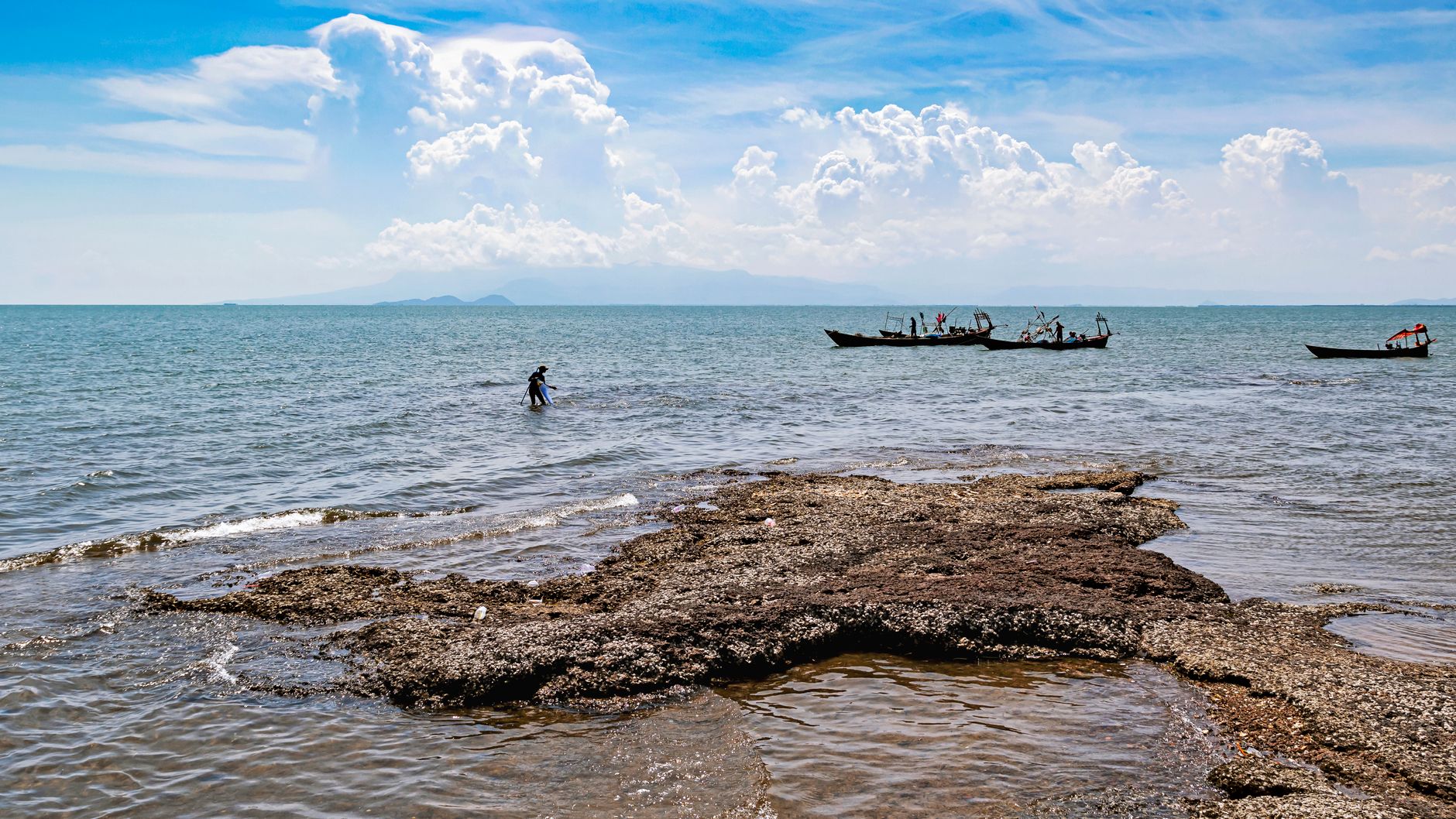
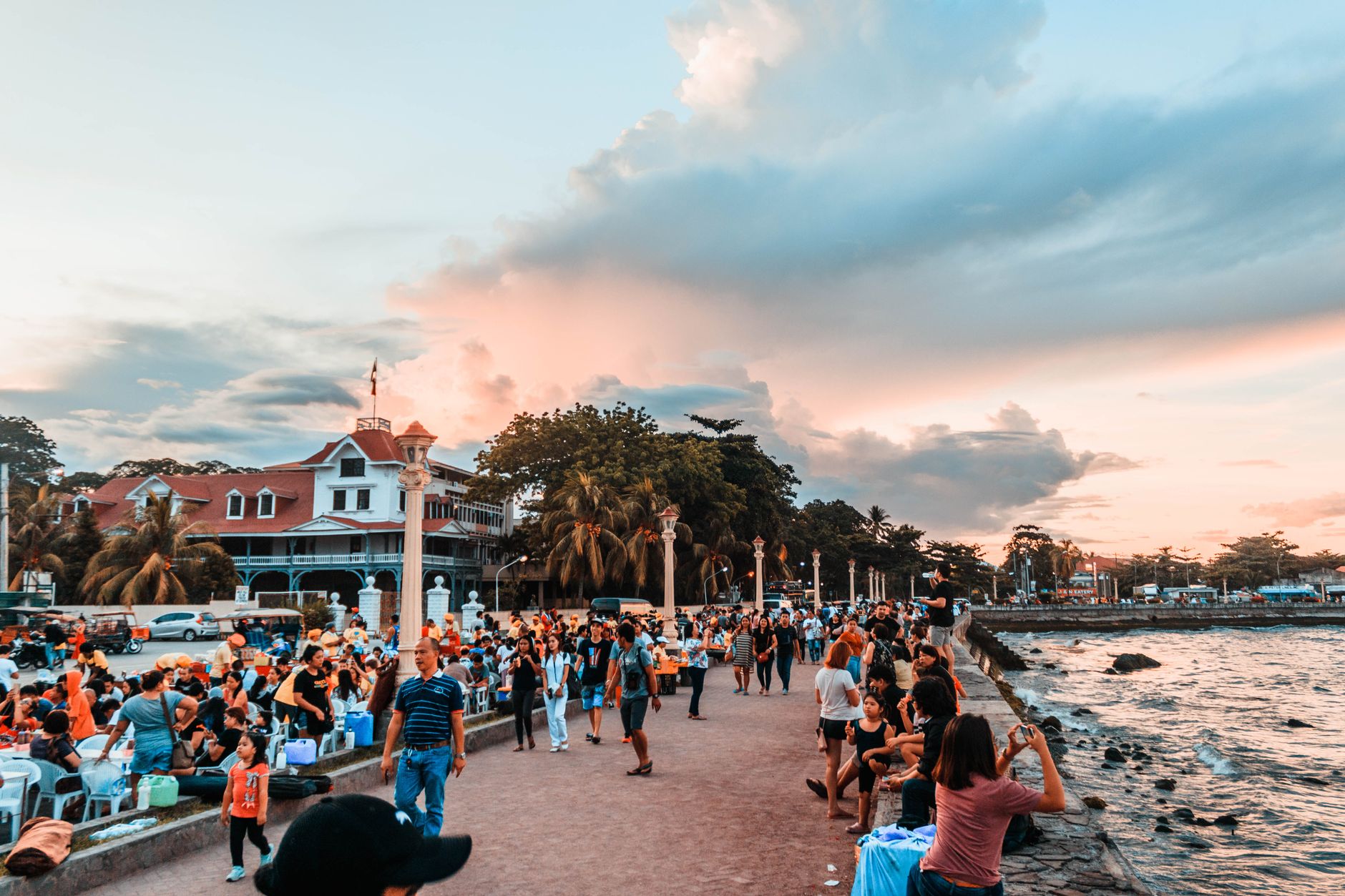
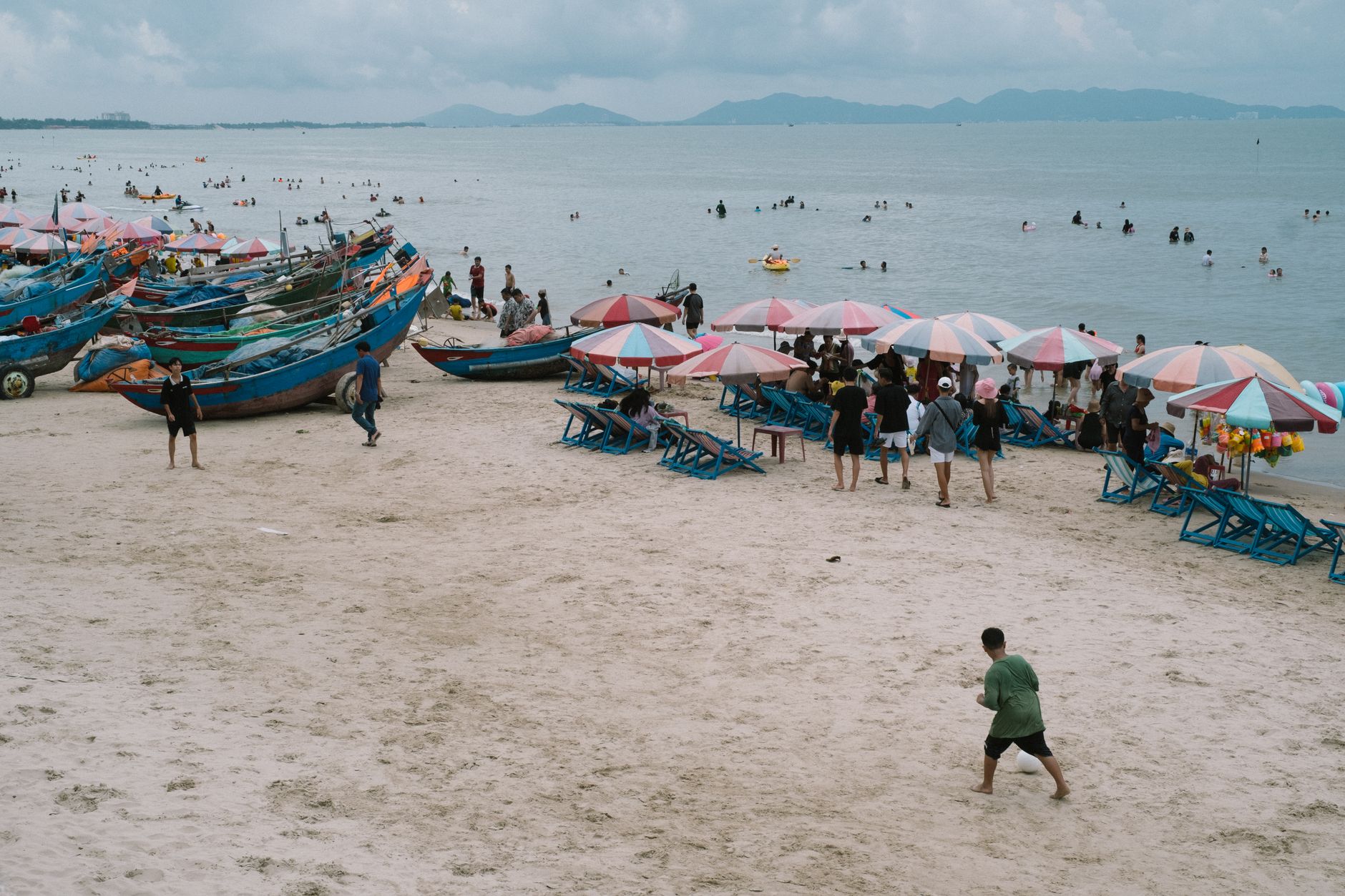
Kep is a small coastal province where the Gulf of Thailand laps at a shoreline still lined with the concrete bones of Cambodia's modernist moment. The town is best known for two things: blue swimmer crabs pulled from the water each morning and sold at the rickety crab market by the pier, and the hundred-odd villas that Phnom Penh's elite built between the 1950s and 1970s — many of them still standing, some restored, others quietly dissolving back into the hillside.
It moves slowly here. The national park begins almost at the edge of town, a ferry to Rabbit Island takes fifteen minutes, and the road from Kampot is smooth enough that you can arrive the same afternoon you decide to come.
💛 What travellers fall for
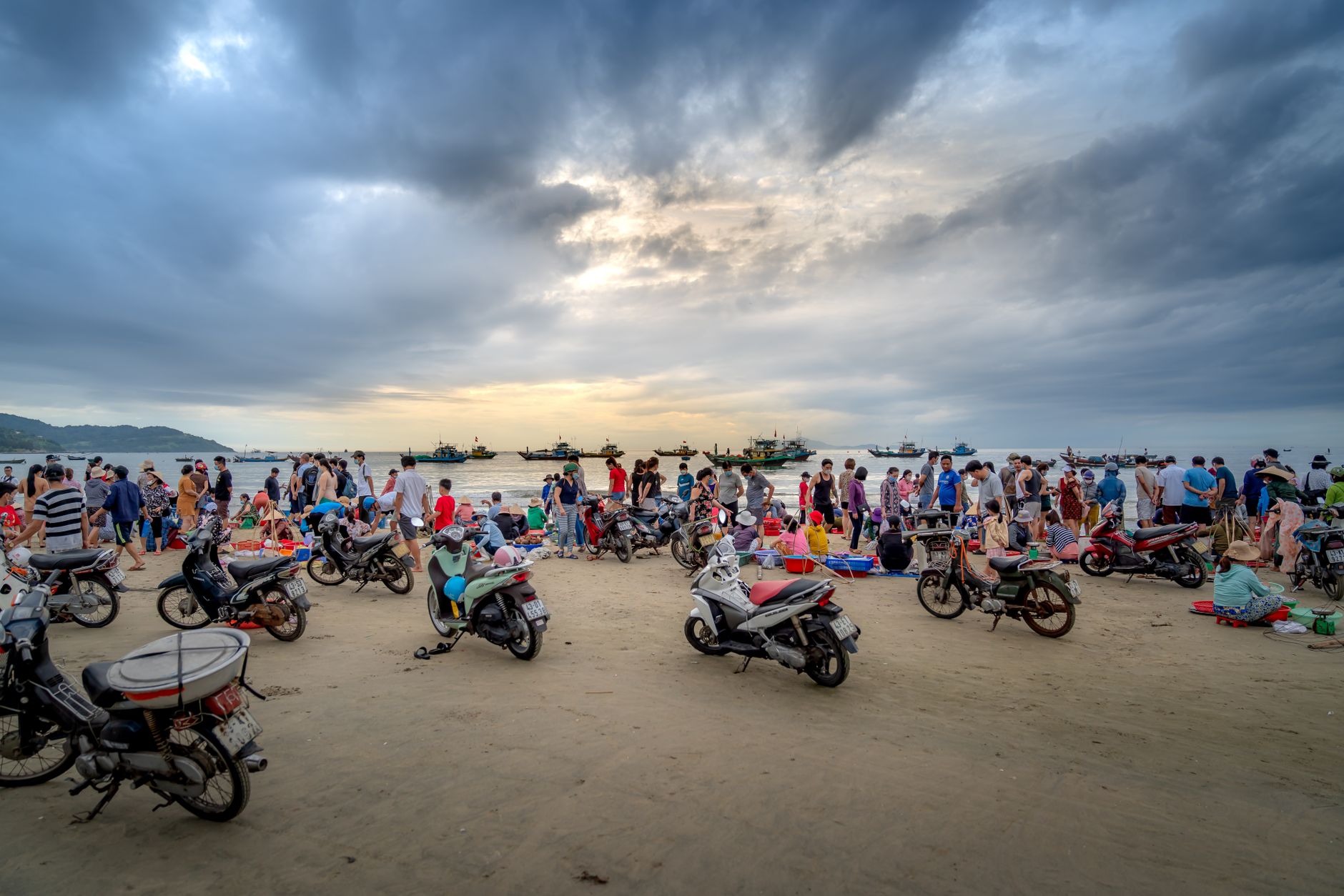
People who come back tend to time it around the crab market at dawn, when the catch is still wet and the vendors are setting up. Rent a motorbike for five dollars and you can be at the Knai Bang Chatt waterfront by early morning before the day heats up, then into the national park trail before noon. The eight-kilometre jungle loop is rarely crowded.
How Kep came to be
The French founded Kep-Sur-Mer in 1908 as a seaside retreat — 'La Perle de la Côte d'Agathe' — and ceded it to King Sisowath, who opened a public sanatorium and watering place there in 1917. The town's name comes from the French 'Le Cap,' though a Khmer legend traces it to a runaway prince who lost his saddle on this shore while escaping on horseback from Angkor Thom.
Kep's defining decade came later, in the 1950s and 1960s, when King Norodom Sihanouk made it his summer residence and architects Vann Molyvann and Lu Ban Hap were building in the New Khmer Architecture style — a fusion of Bauhaus, Le Corbusier, and traditional Cambodian form. The villas that survive were not destroyed by the Khmer Rouge, as is often assumed; residents dismantled them piece by piece, trading materials across the Vietnamese border for rice. Kep became a separate province by royal decree in December 2008.
Who and what shaped it
People who shaped it
Landmark buildings
See Kep in motion
Plan your visit
On the map
When to go
Kep has a tropical monsoon climate. The dry season runs roughly November through April, with December through February bringing the least rainfall and the lowest humidity — the most comfortable window for walking the park trails or sitting at the crab market. The wet season, May through October, brings heavy rain, though mornings often stay clear.
Right now
Background & history adapted from Wikipedia (CC BY-SA) · specs from Wikidata (CC0) · weather from Open-Meteo · map data © OpenStreetMap contributors · photos from Wikimedia Commons / Unsplash with per-image credit. No third-party reviews or social posts reproduced.