
Sihanoukville
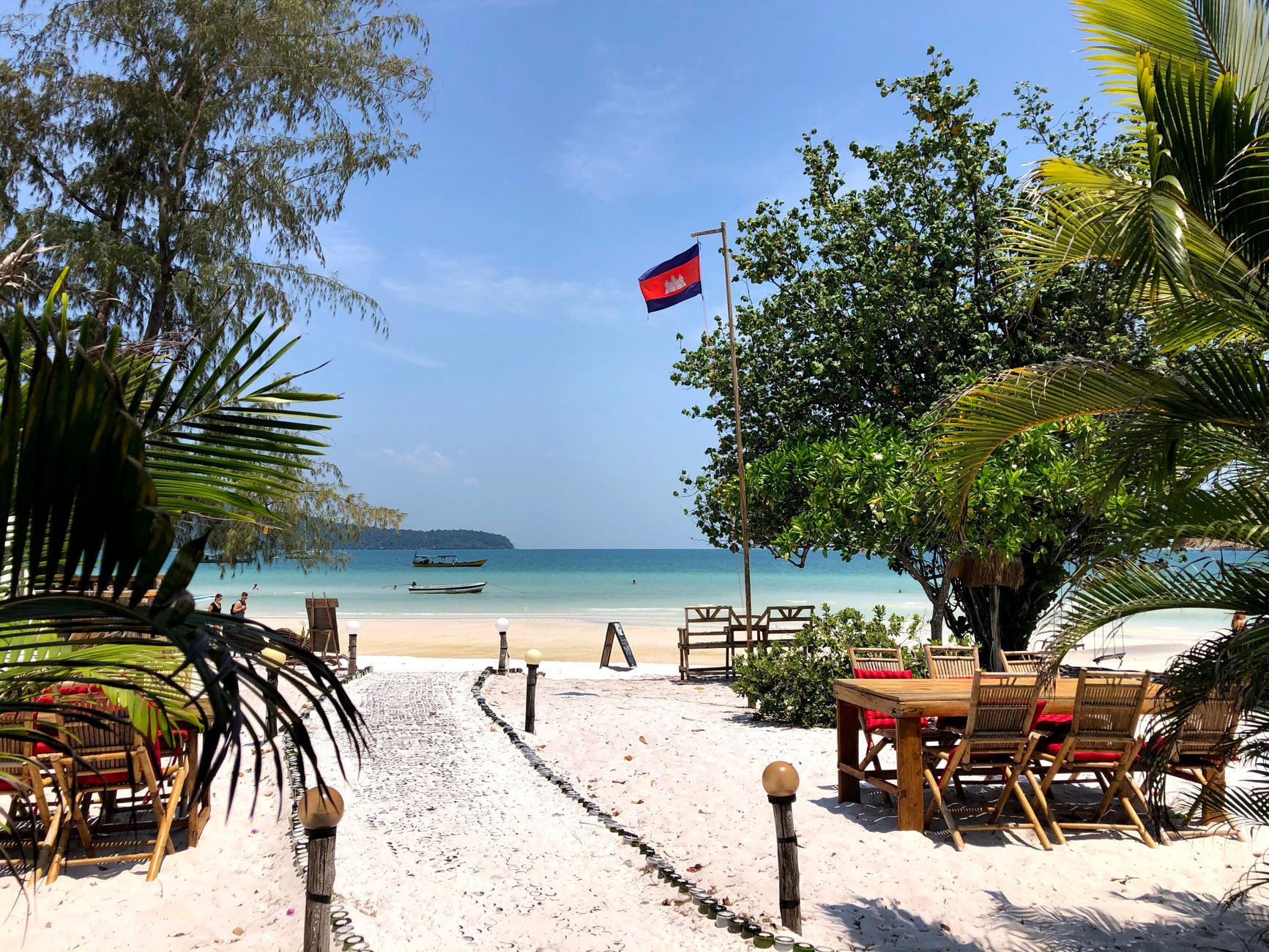
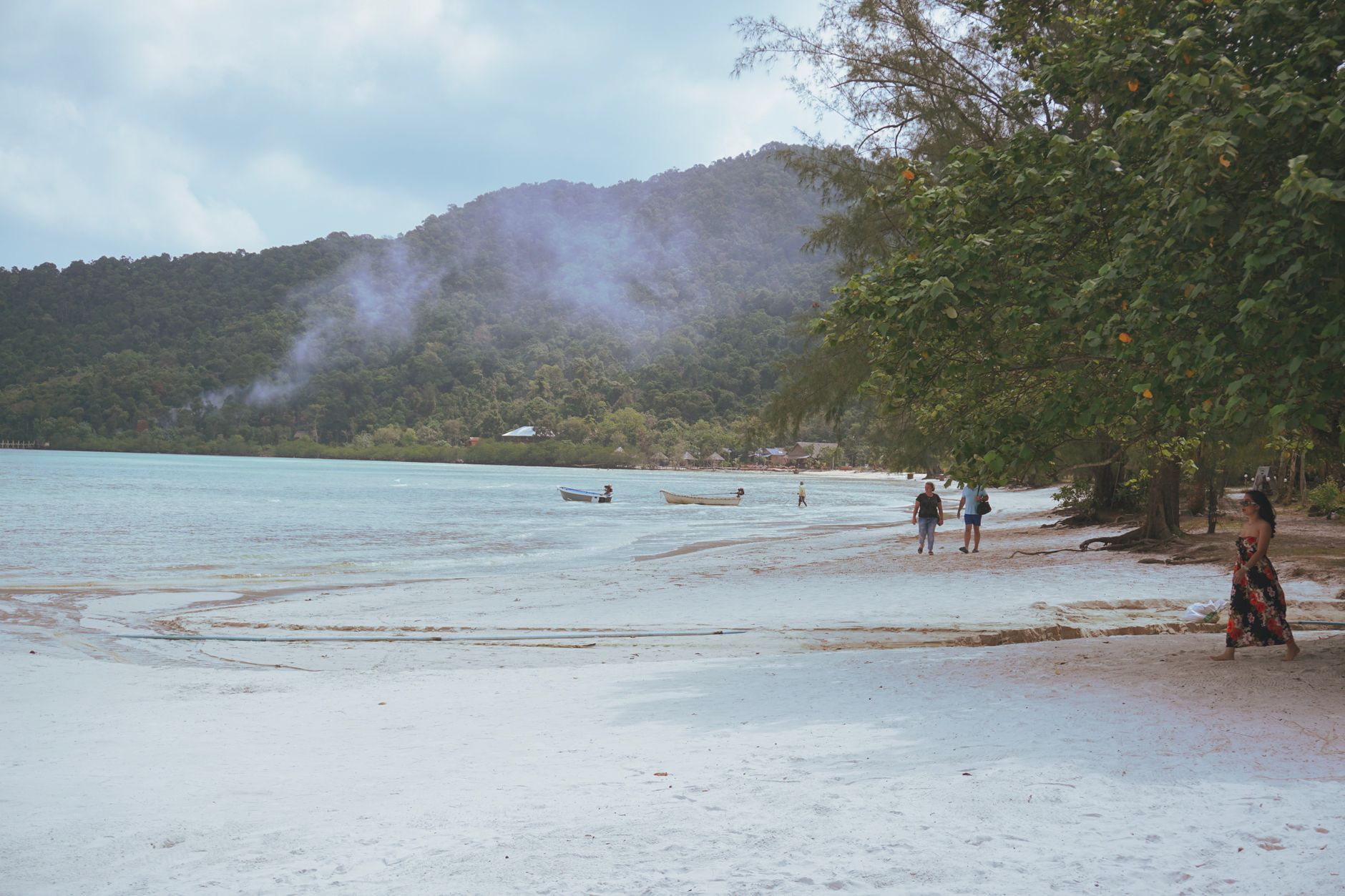
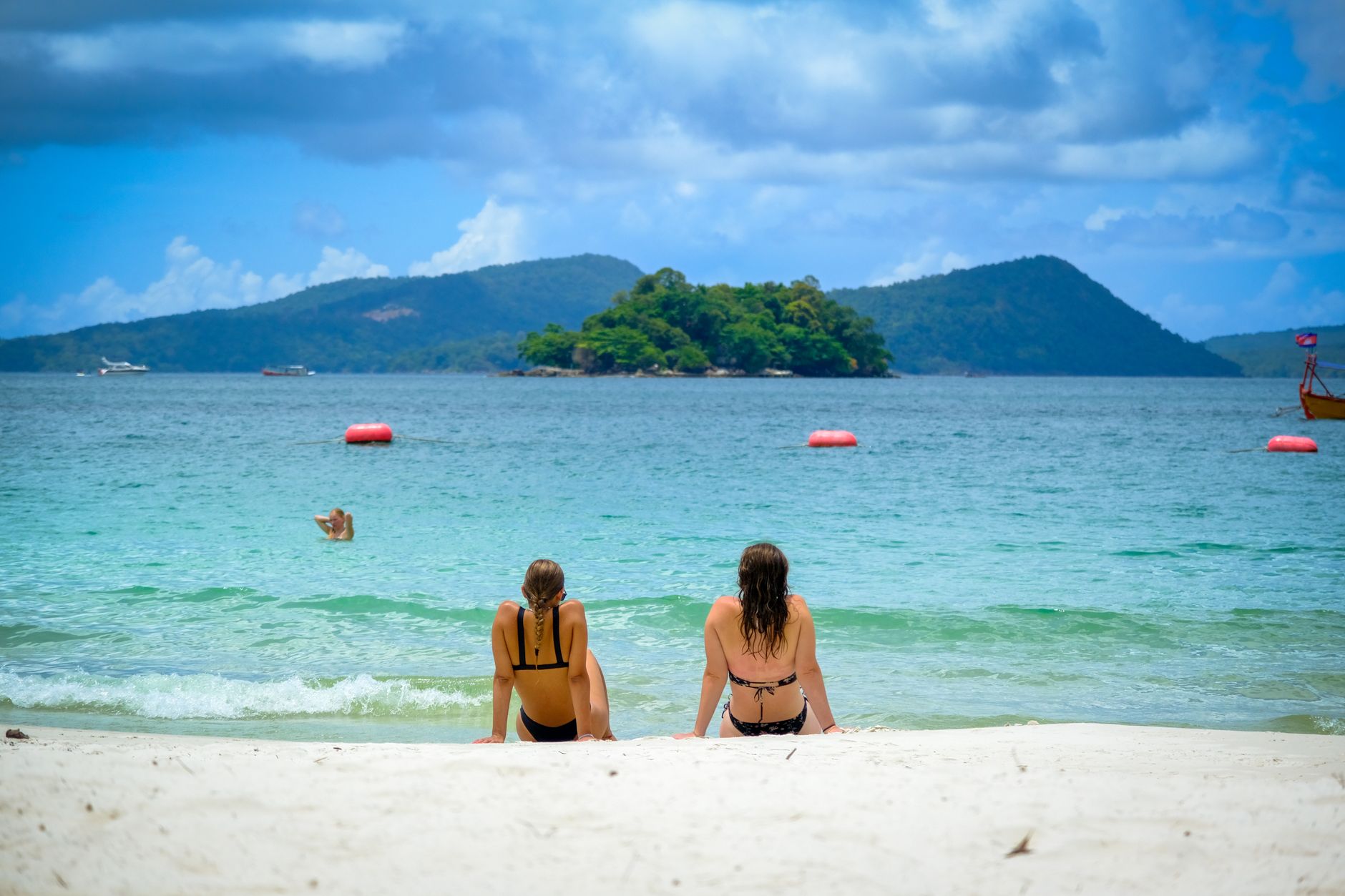
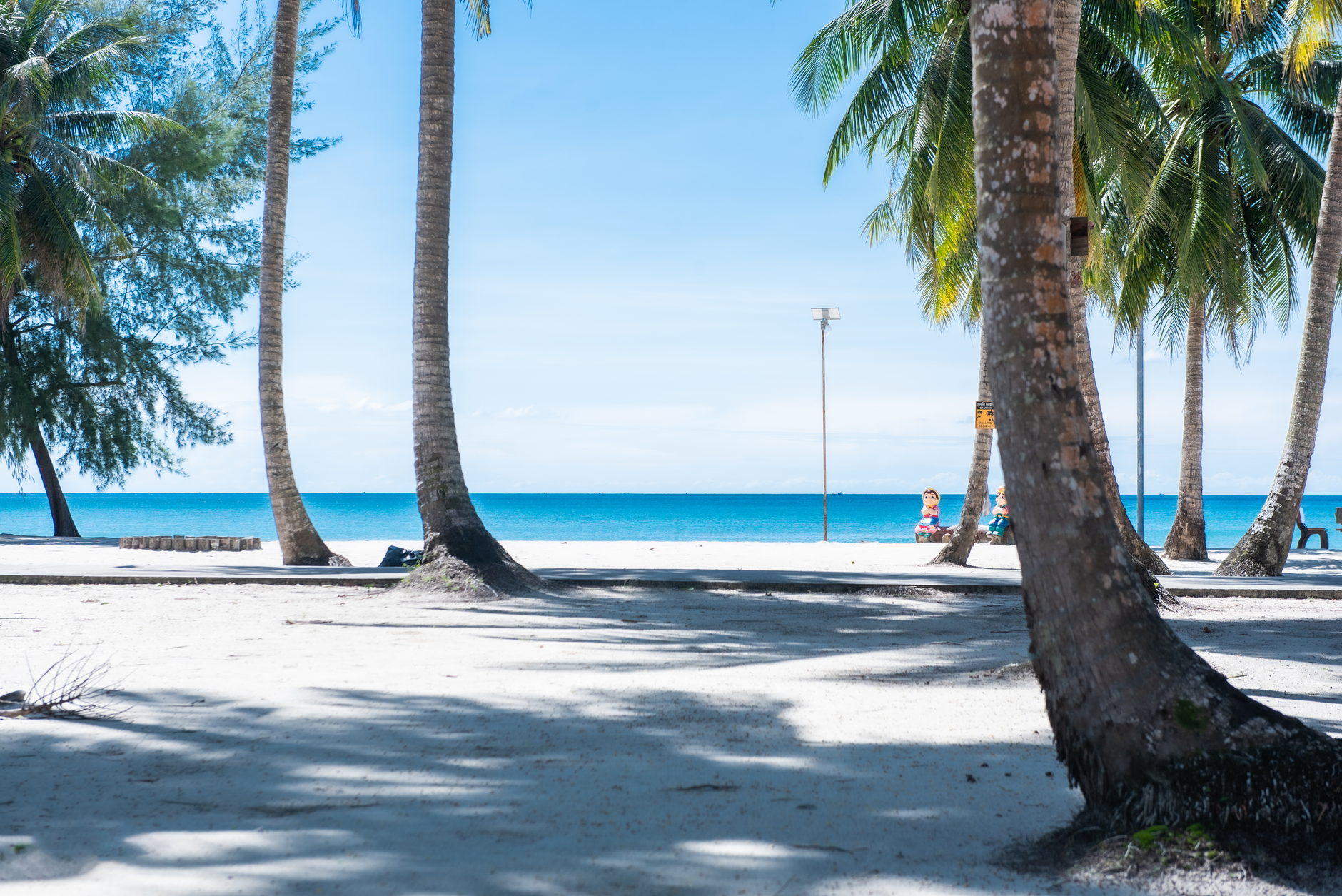
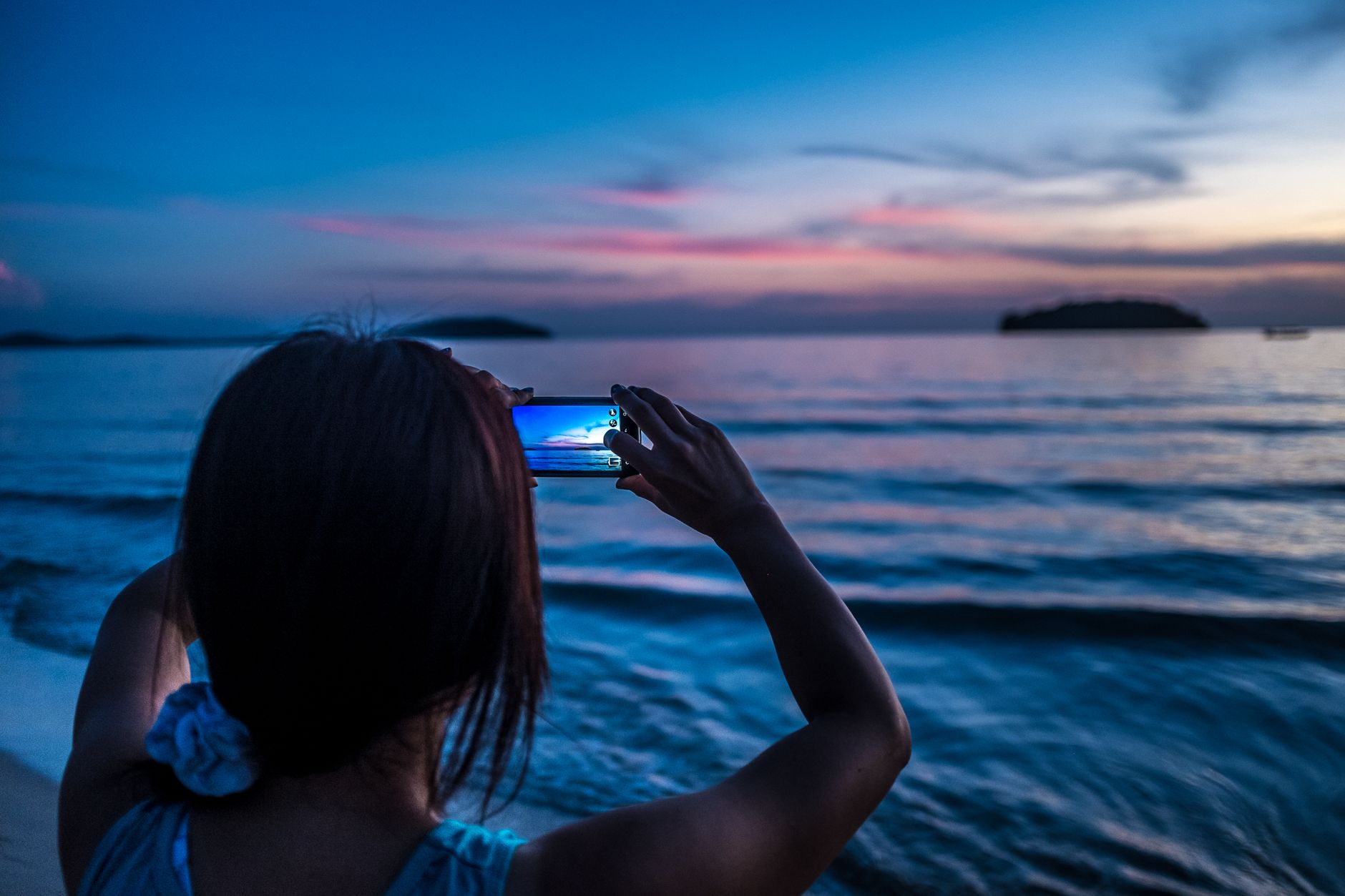
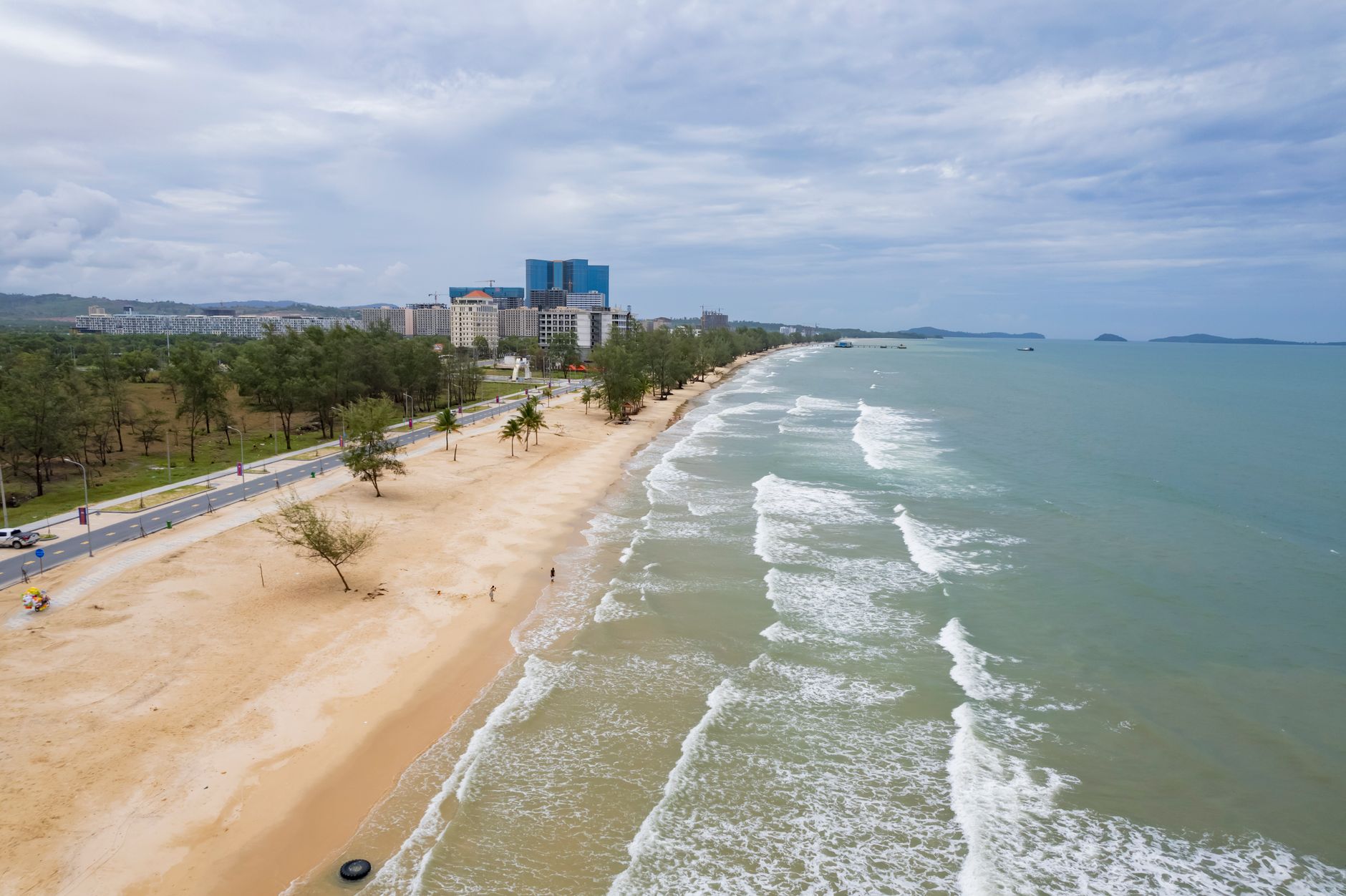
Sihanoukville sits where Cambodia meets the Gulf of Thailand, and it holds two very different versions of itself at once. The fishing port, about two kilometres from the centre, still draws boats in at dawn — painted hulls, nets spread to dry, the particular smell of salt and diesel that belongs to working harbours everywhere. From there, the city fans out toward a long coast of beaches, the most developed being Ochheuteal, a three-and-a-half-kilometre stretch that shifts in character from one end to the other.
Otres 1, further south, keeps a slower pace — small cafes, rustic bungalows, sand that hasn't been entirely claimed by sunloungers. The offshore islands, reachable by a forty-five-minute boat ride, are covered separately on Yeppa. Give yourself two or three days here to read the city at its own rhythm before you head out to the water.
How Sihanoukville came to be
The city began not as a resort but as a necessity. In the mid-1950s, Cambodia needed a deepwater port of its own, independent of what was then French Indochina's existing infrastructure. The French built the initial port facility in June 1955, facing the entrance to the Gulf of Thailand. By 1958 the settlement was renamed Sihanoukville in honour of King Norodom Sihanouk, the figure Cambodians credit as the father of modern independence. A decade later it had schools, hospitals, parks and a population of fourteen thousand.
The Khmer Rouge years interrupted everything, and after 1979 the port became a practical lifeline for Cambodia's reconstruction, moving goods and aid into a country rebuilding from near-collapse. In 2006, the designation of the Sihanoukville Special Economic Zone reshaped the city again, drawing large-scale investment and accelerating changes that are still visible in the urban fabric today.
Who and what shaped it
People who shaped it
Landmark buildings
See Sihanoukville in motion
Plan your visit
On the map
When to go
Temperatures stay close to 30°C year-round, with nights rarely dropping below 23°C. The wet season runs from May through October — July brings the heaviest rain — while December to February offers the clearest skies and calmest sea, which is when the coast is at its most straightforward to enjoy.
Right now
Background & history adapted from Wikipedia (CC BY-SA) · specs from Wikidata (CC0) · weather from Open-Meteo · map data © OpenStreetMap contributors · photos from Wikimedia Commons / Unsplash with per-image credit. No third-party reviews or social posts reproduced.