
Ratanakiri
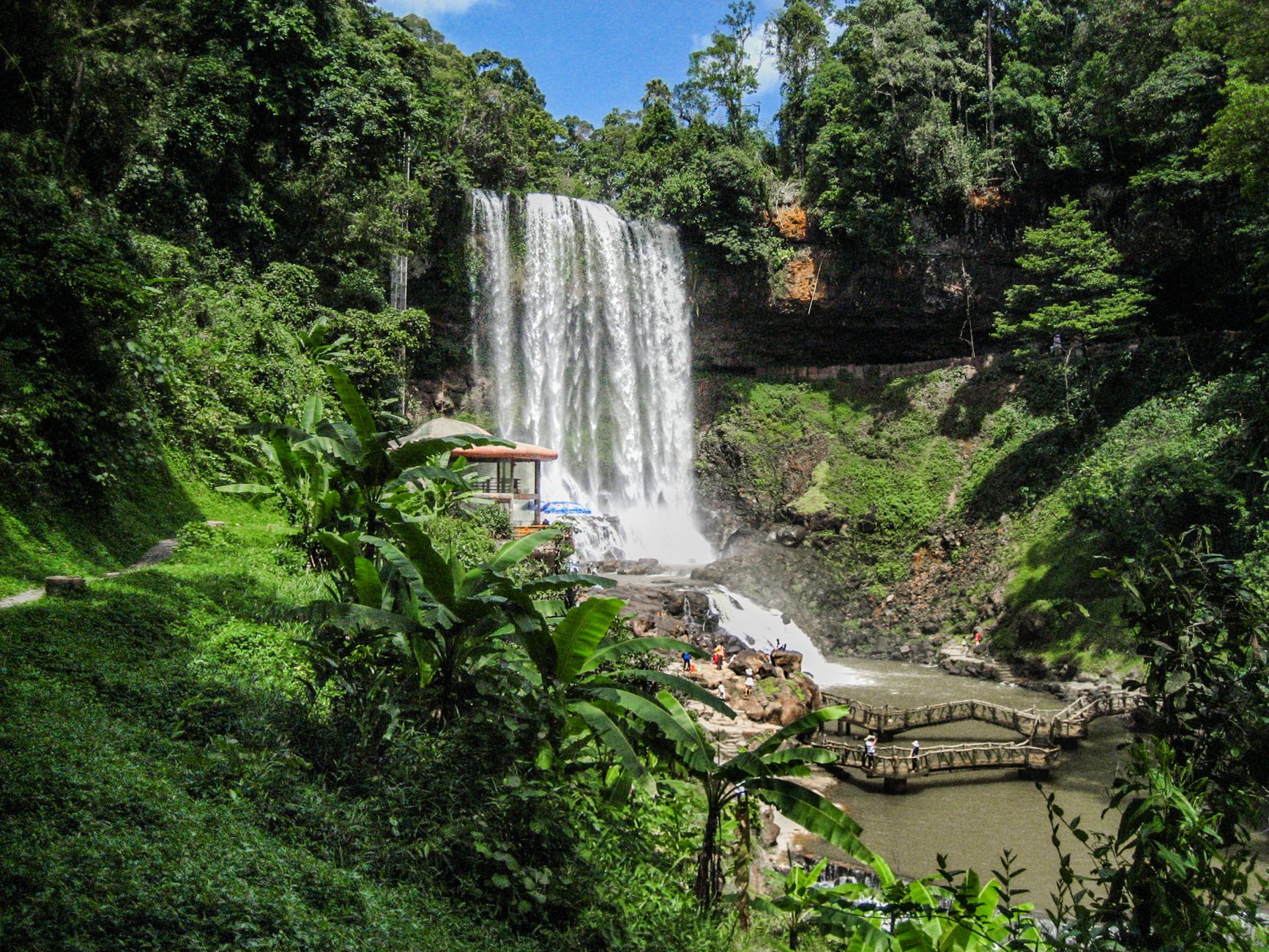
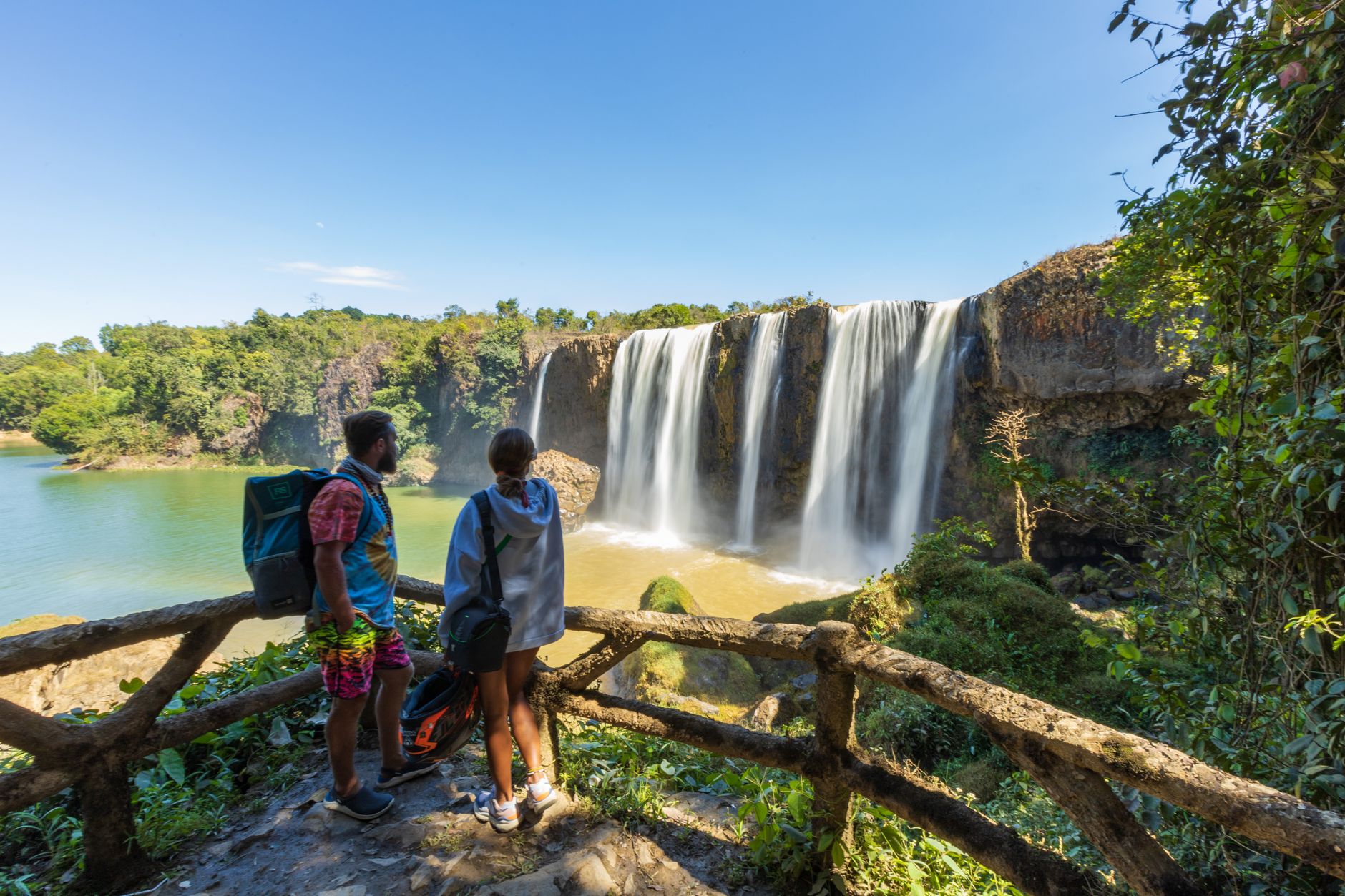
Ratanakiri sits in Cambodia's far northeast, where the land rises into red-laterite hills, crater lakes, and forest that runs unbroken toward the Laos border. The province is home to eight distinct indigenous groups — Tampuan, Kreung, Jarai, and others — who together make up roughly three-quarters of its 184,000 people, each with their own language and spiritual life. This is not the Cambodia of temple complexes and tuk-tuks. It is quieter, rougher underfoot, and shaped by a history that runs far deeper than the country's modern borders.
Banlung is the provincial capital and your practical base: small enough to walk across, with a market that wakes early and a handful of guesthouses used to travelers arriving dusty from long road journeys. From here, the volcanic crater lake of Yeak Laom and the vast corridors of Virachey National Park are both within reach.
How Ratanakiri came to be
Ratanakiri was carved out as its own province in 1959, part of King Norodom Sihanouk's push to bring the northeast more firmly under central administration. But the highland Khmer Loeu people had lived here for well over a millennium before that — and endured centuries of slave raids by Khmer, Lao, and Thai traders before French colonial rule arrived in 1893 and brought rubber plantations to replace them. The French developed large estates around what is now Banlung, using indigenous labor for both construction and harvesting.
The twentieth century brought further upheaval. The Khmer Rouge established its headquarters in the province during the 1960s, and American bombing campaigns during the Vietnam War caused significant destruction across the region. Armed resistance persisted until the early 2000s, leaving Ratanakiri with a complicated and layered recent past that still shapes how its communities live and remember.
Who and what shaped it
People who shaped it
Landmark buildings
See Ratanakiri in motion
Plan your visit
On the map
When to go
The rainy season runs June through October, when red dirt roads can become difficult and some trails impassable. November to January is the coolest period — daytime highs around 31°C — and generally the most comfortable for moving around. March brings the peak heat, sometimes reaching 38°C, and is best avoided for anything strenuous.
Right now
Background & history adapted from Wikipedia (CC BY-SA) · specs from Wikidata (CC0) · weather from Open-Meteo · map data © OpenStreetMap contributors · photos from Wikimedia Commons / Unsplash with per-image credit. No third-party reviews or social posts reproduced.