
Battambang
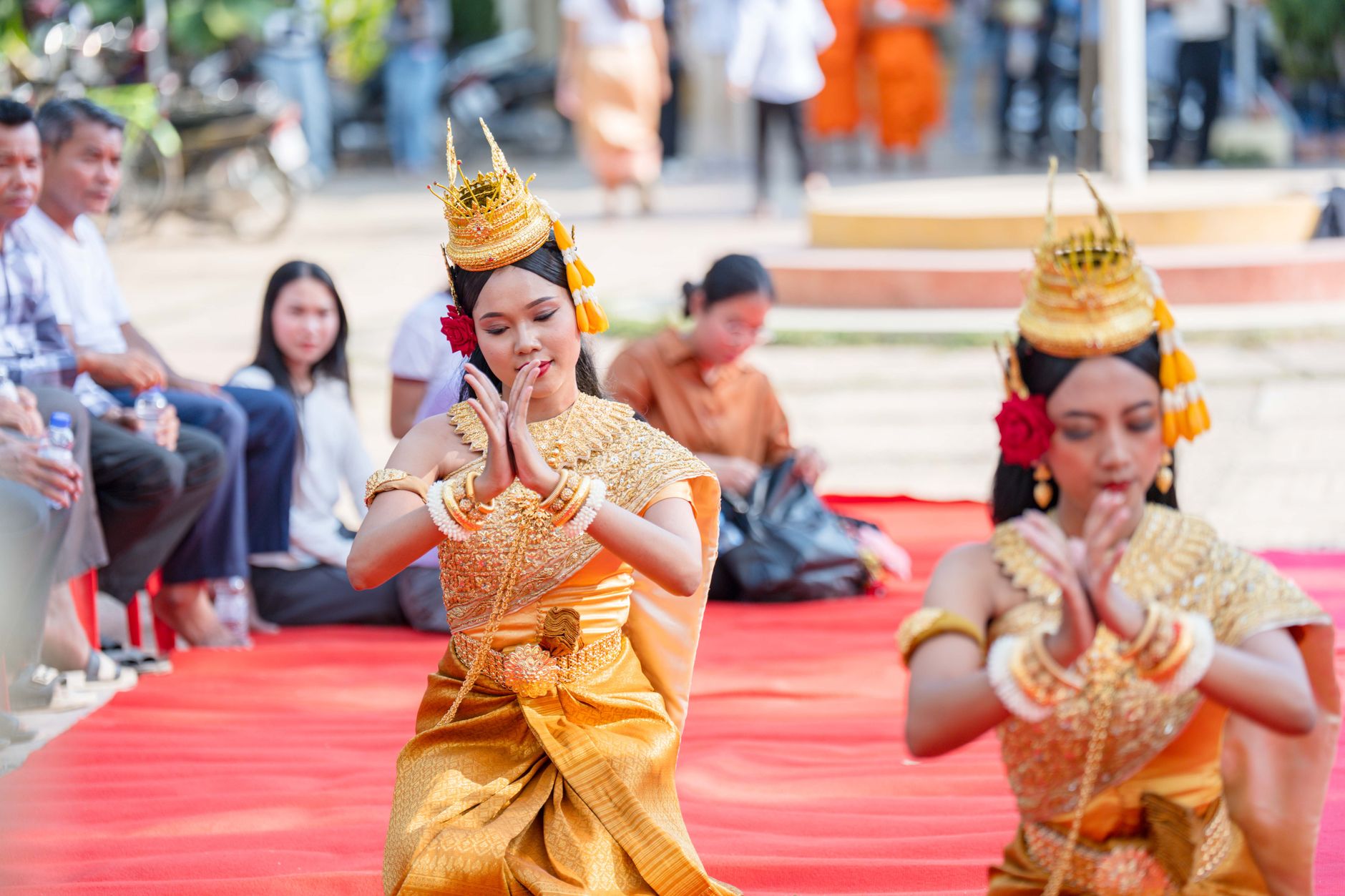
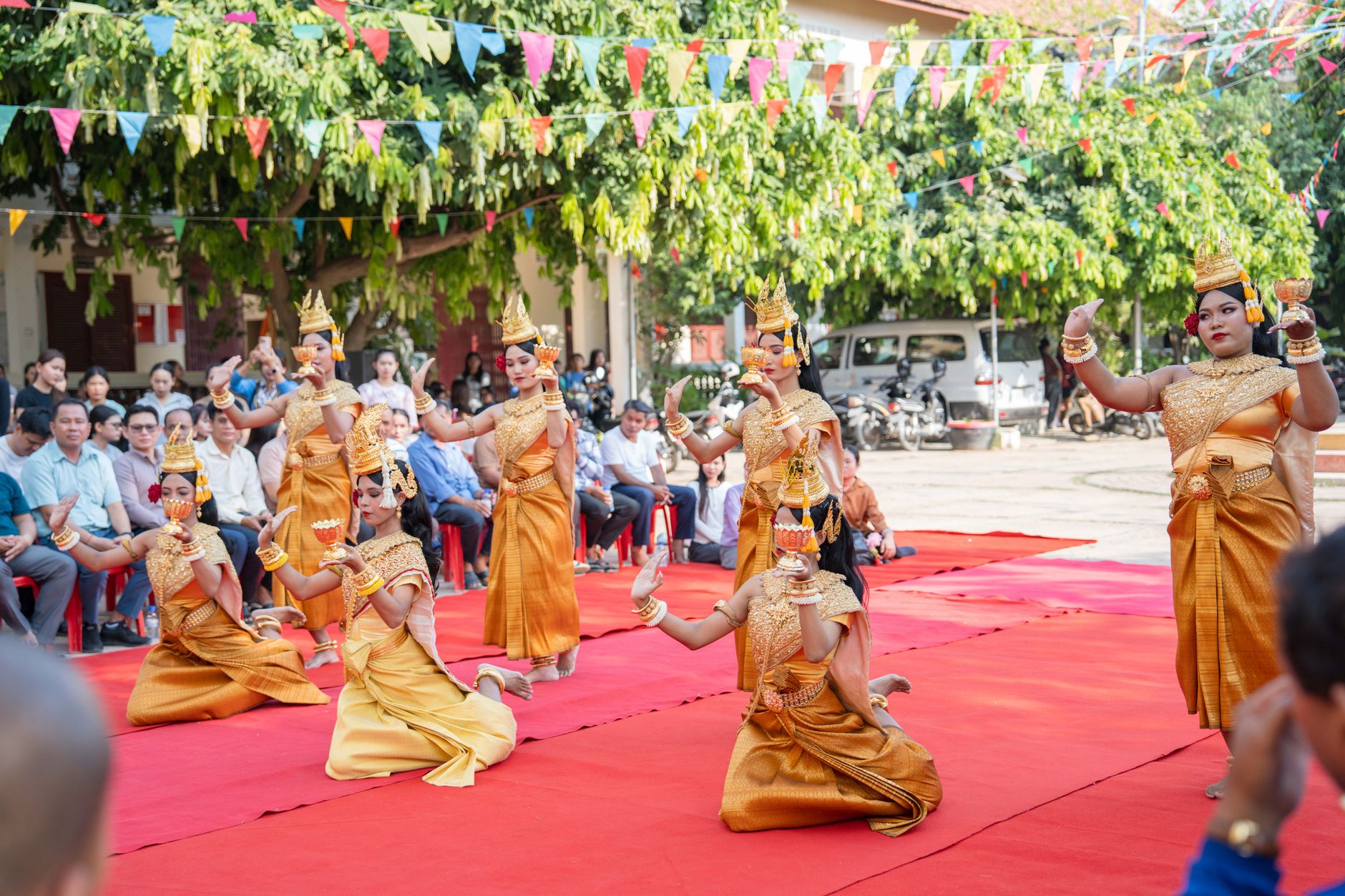
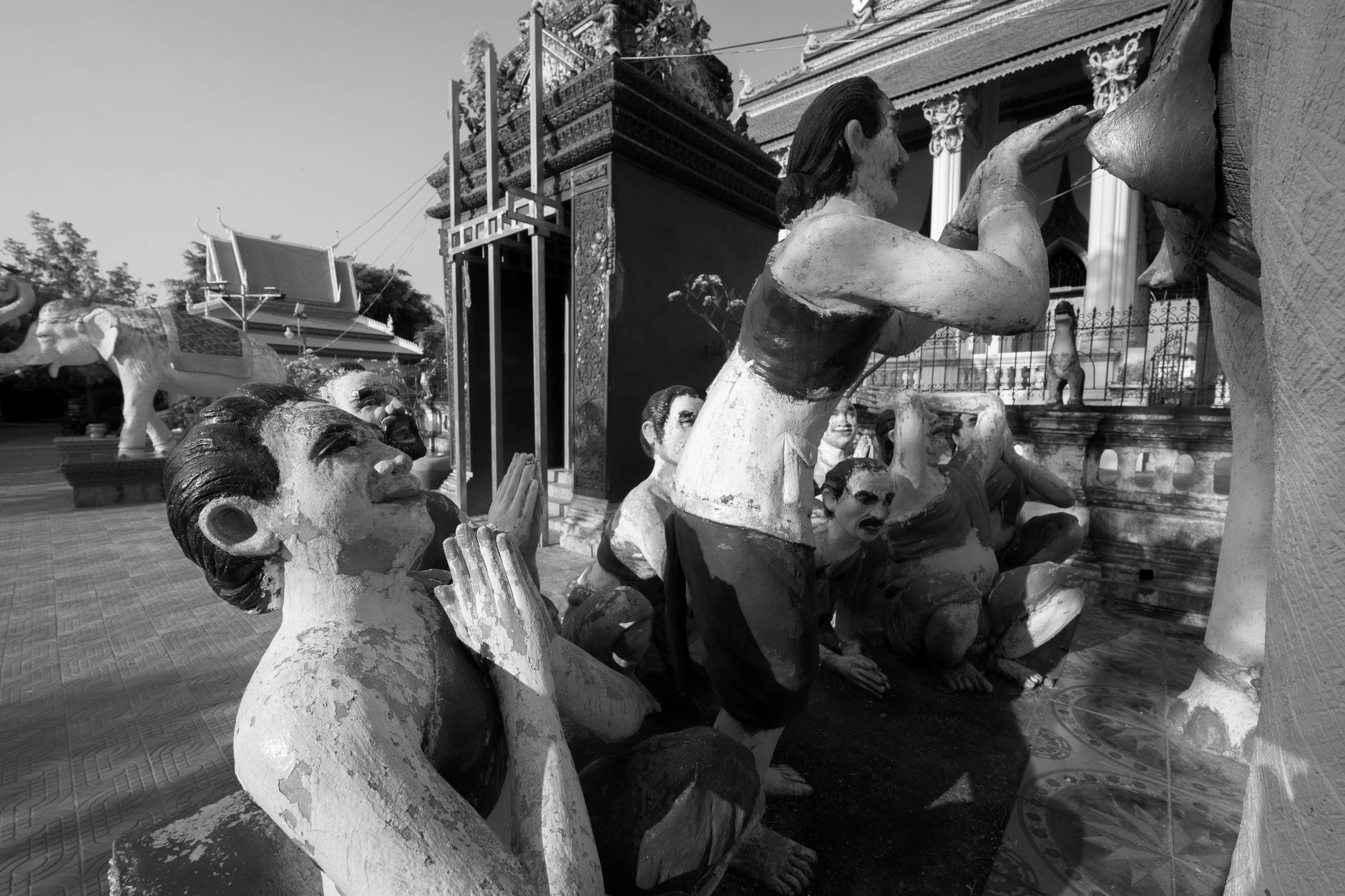
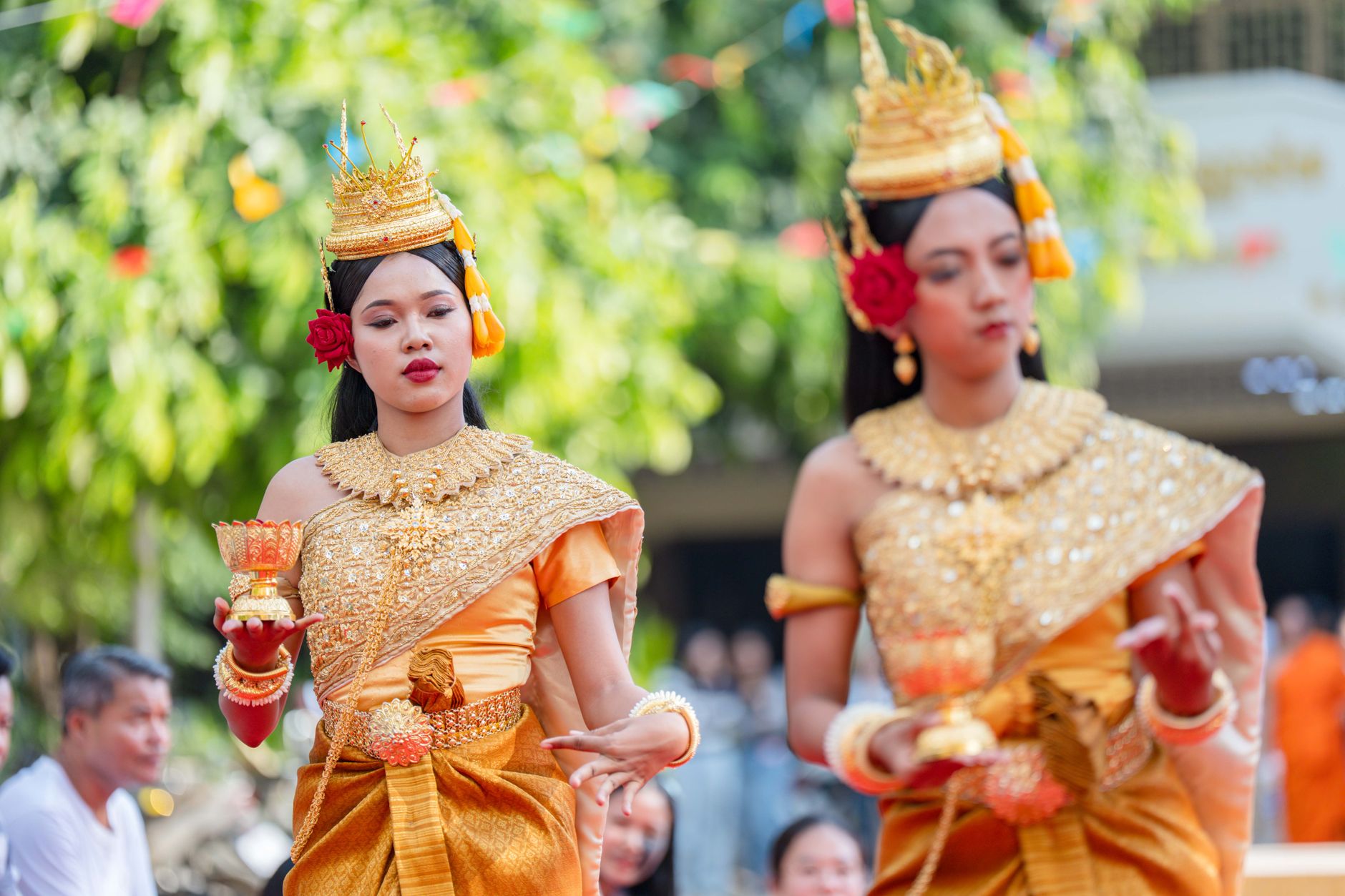
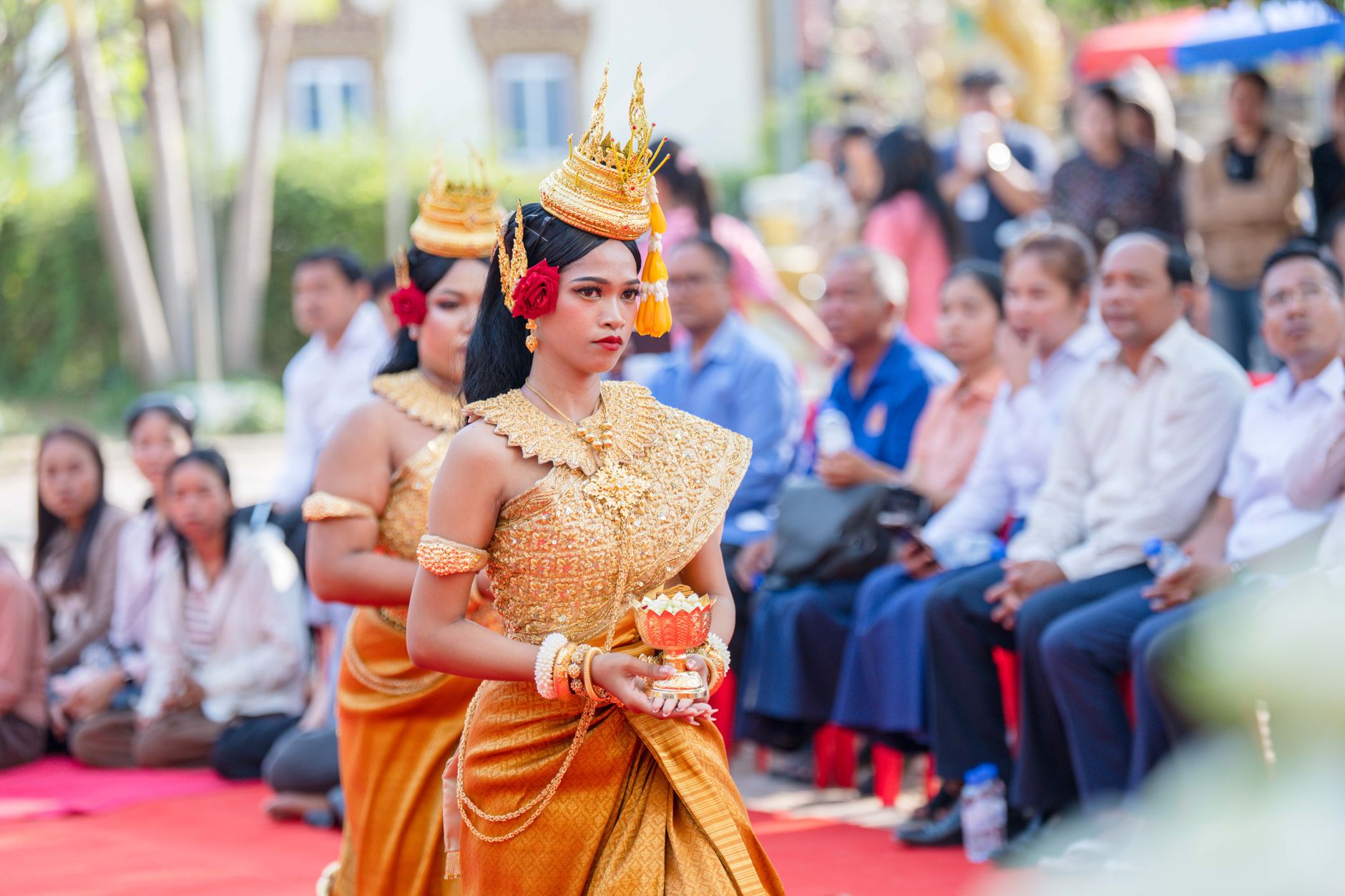
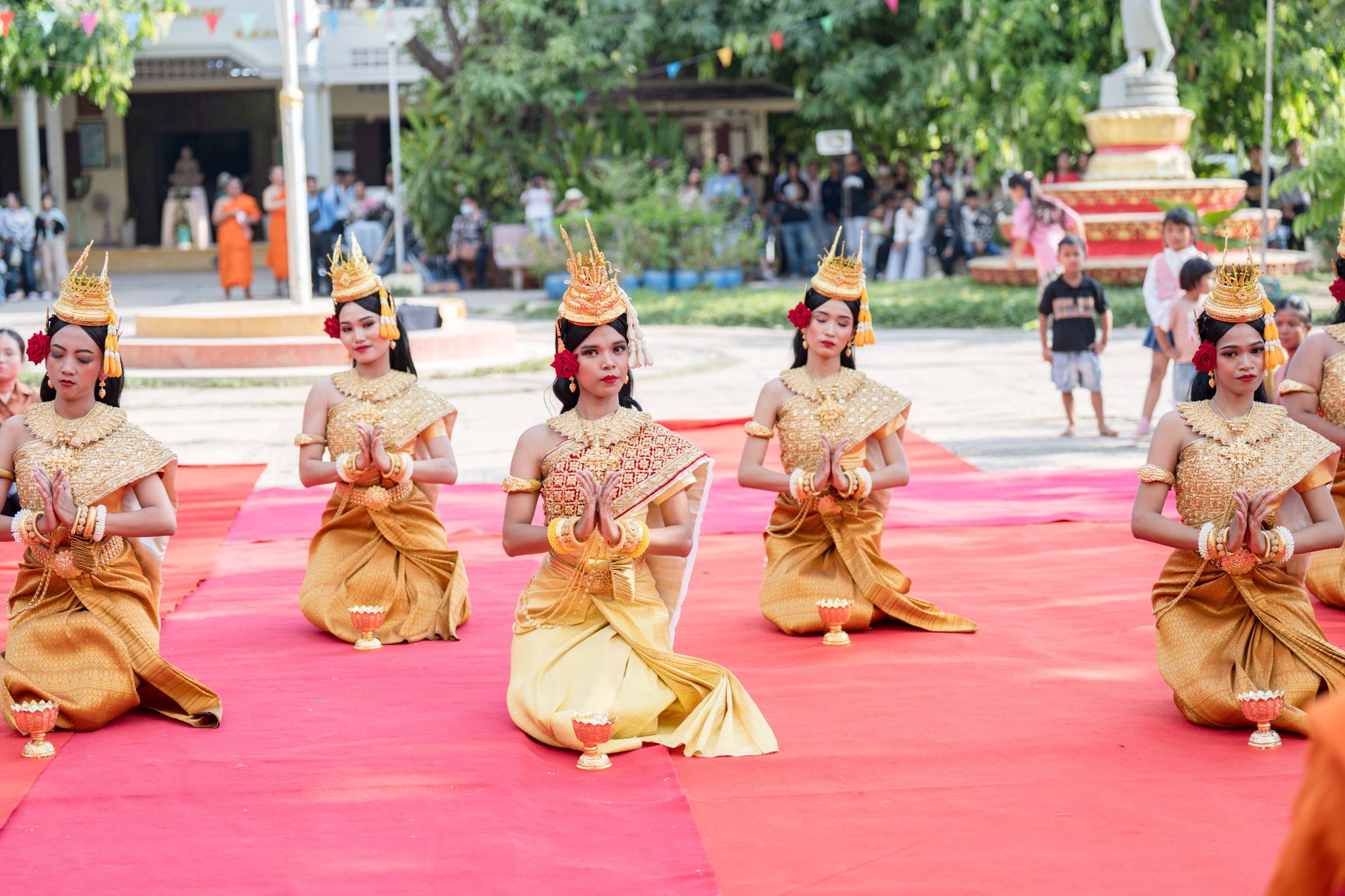
Battambang moves at a different speed to the rest of Cambodia. The Sangkae River still runs through the city as it did when the place was a fishing village a thousand years ago, and the French colonial grid — all 800-odd protected buildings of it — gives the streets a worn, unhurried elegance that Phnom Penh traded away decades ago. In 2023 UNESCO added Battambang to its Creative Cities Network for gastronomy, a recognition that felt overdue to anyone who had eaten here.
Outside the city, 11th-century Angkorian temples rise from hills and jungle with far fewer visitors than Siem Reap draws. Every evening around 17:30, a column of bats pours from a cave on Phnom Sampov hill for more than an hour — one of those spectacles that resists being photographed and rewards just watching.
💛 What travellers fall for
People who come back tend to mention the same few things: breakfast noodles from a riverside cart, the particular light on the colonial shophouses mid-morning, and the bamboo train — a flat wooden platform on wheels that still runs on the old French-era track. Rent a tuk-tuk for a full day rather than piecing together shorter trips; the sites are spread out and the roads are good.
How Battambang came to be
The Khmer Empire established Battambang around the 11th century as a settlement on the Sangkae River, and three temples from that period — Wat Banan, Ek Phnom, and Baset — still stand in the surrounding countryside. In 1795 Siam annexed the region, ruling it through the Abhaiwongse family as a provincial capital for over a century. By 1880 the river had made Battambang a trading hub of some 2,500 people, connected by water to Phnom Penh and Saigon.
France took the province back in 1907, folding it into French Indochina, and the city that followed — bridges in 1917, a railway and the art deco Phsar Nath Market by 1936 — still shapes the urban core. In 1953 Prince Norodom Sihanouk chose Battambang as the symbolic centre of Cambodia's independence movement. The city was forcibly evacuated under the Khmer Rouge and bore the weight of conflict into the 1990s; the caves of Phnom Sampov are a direct reminder of that. Battambang was also the birthplace of musicians Ros Serey Sothea, Sinn Sisamouth, and Pen Ran — three of Cambodia's most celebrated artists, all killed during the genocide.
Who and what shaped it
People who shaped it
Landmark buildings
See Battambang in motion
Plan your visit
On the map
When to go
The dry season, November through March, brings cool mornings and manageable heat — the most comfortable time to be climbing temple steps or cycling between sites. The wet season (June to October) turns the surrounding rice paddies a deep green but can make rural roads slow going.
Right now
Background & history adapted from Wikipedia (CC BY-SA) · specs from Wikidata (CC0) · weather from Open-Meteo · map data © OpenStreetMap contributors · photos from Wikimedia Commons / Unsplash with per-image credit. No third-party reviews or social posts reproduced.