
Angkor Wat
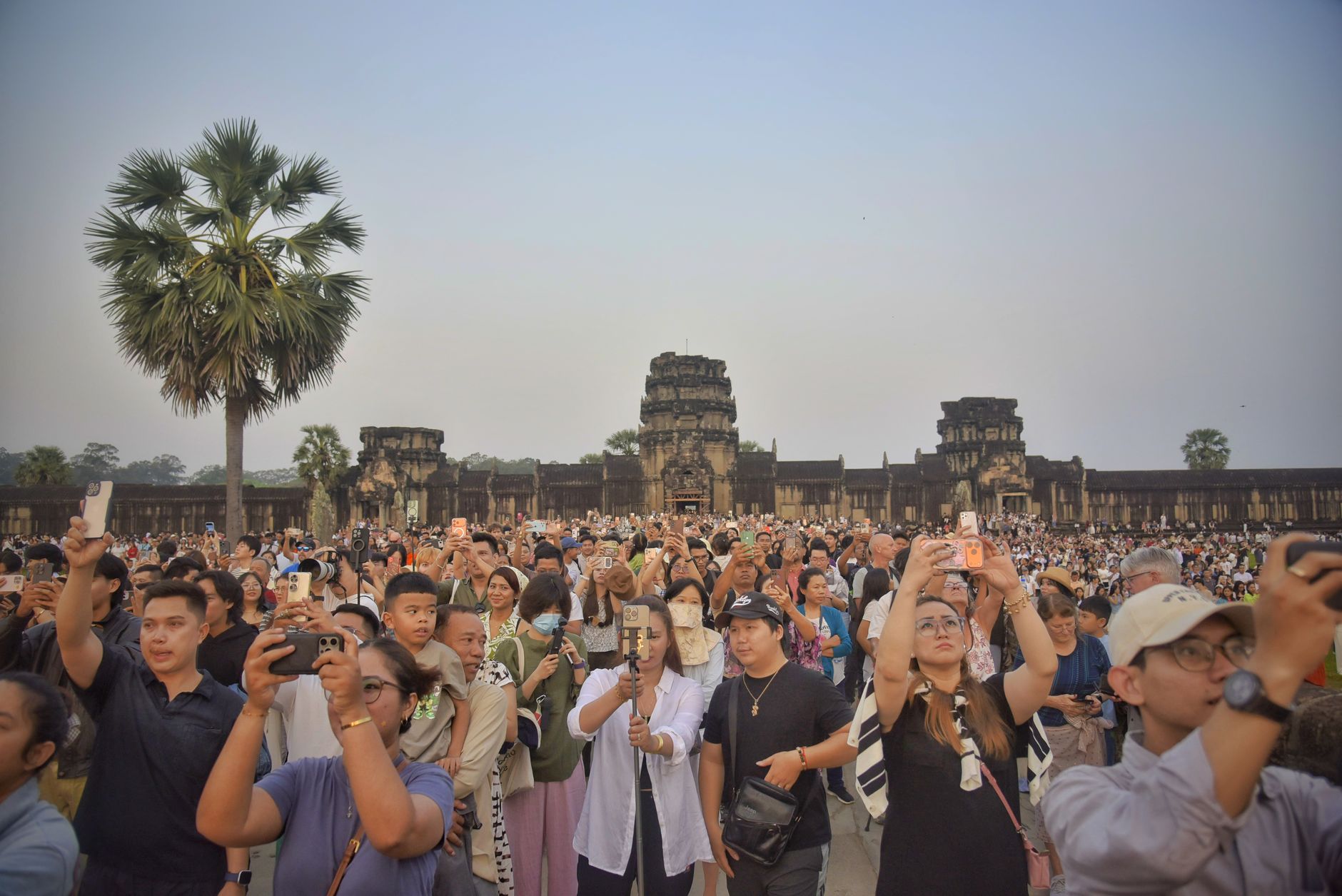
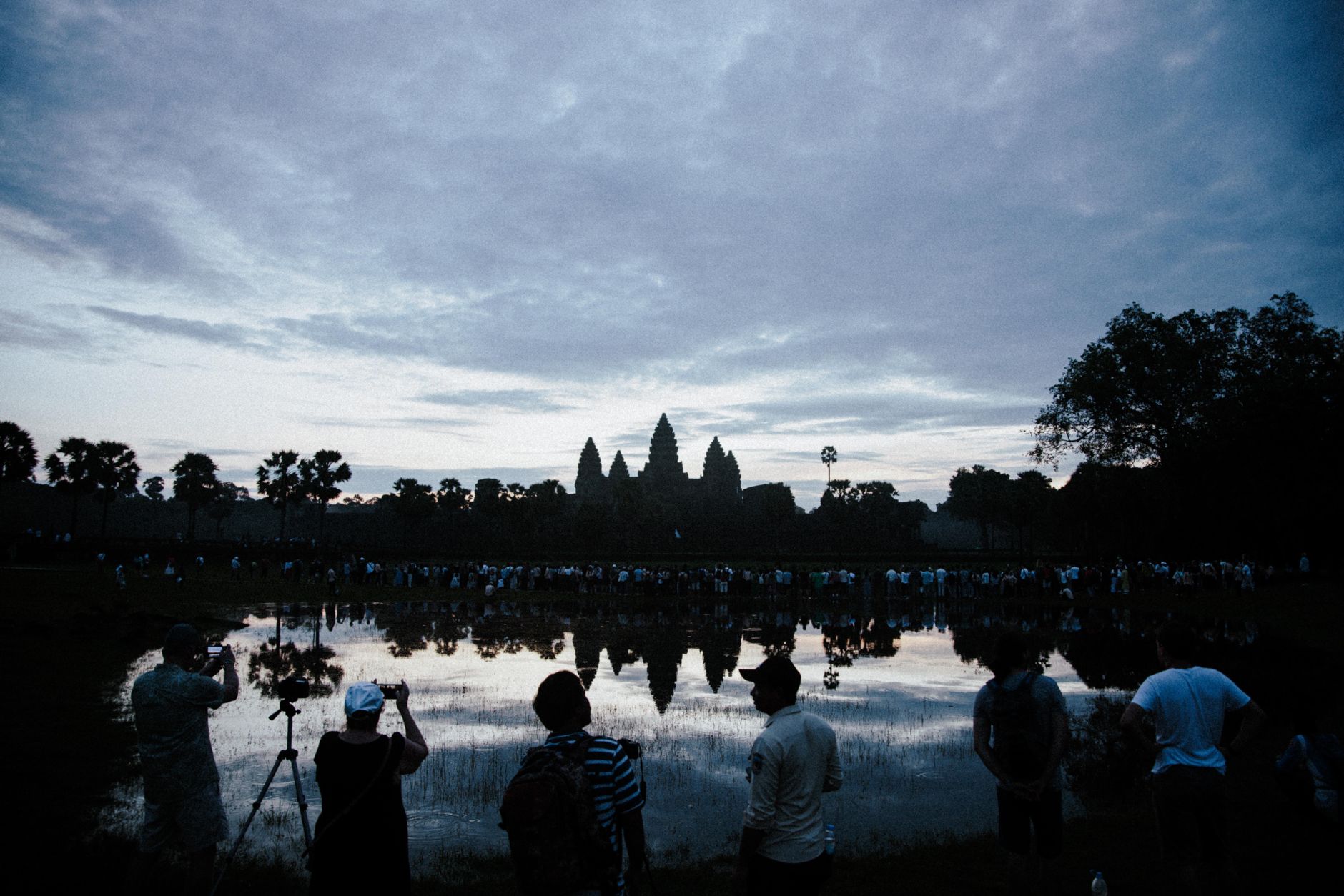
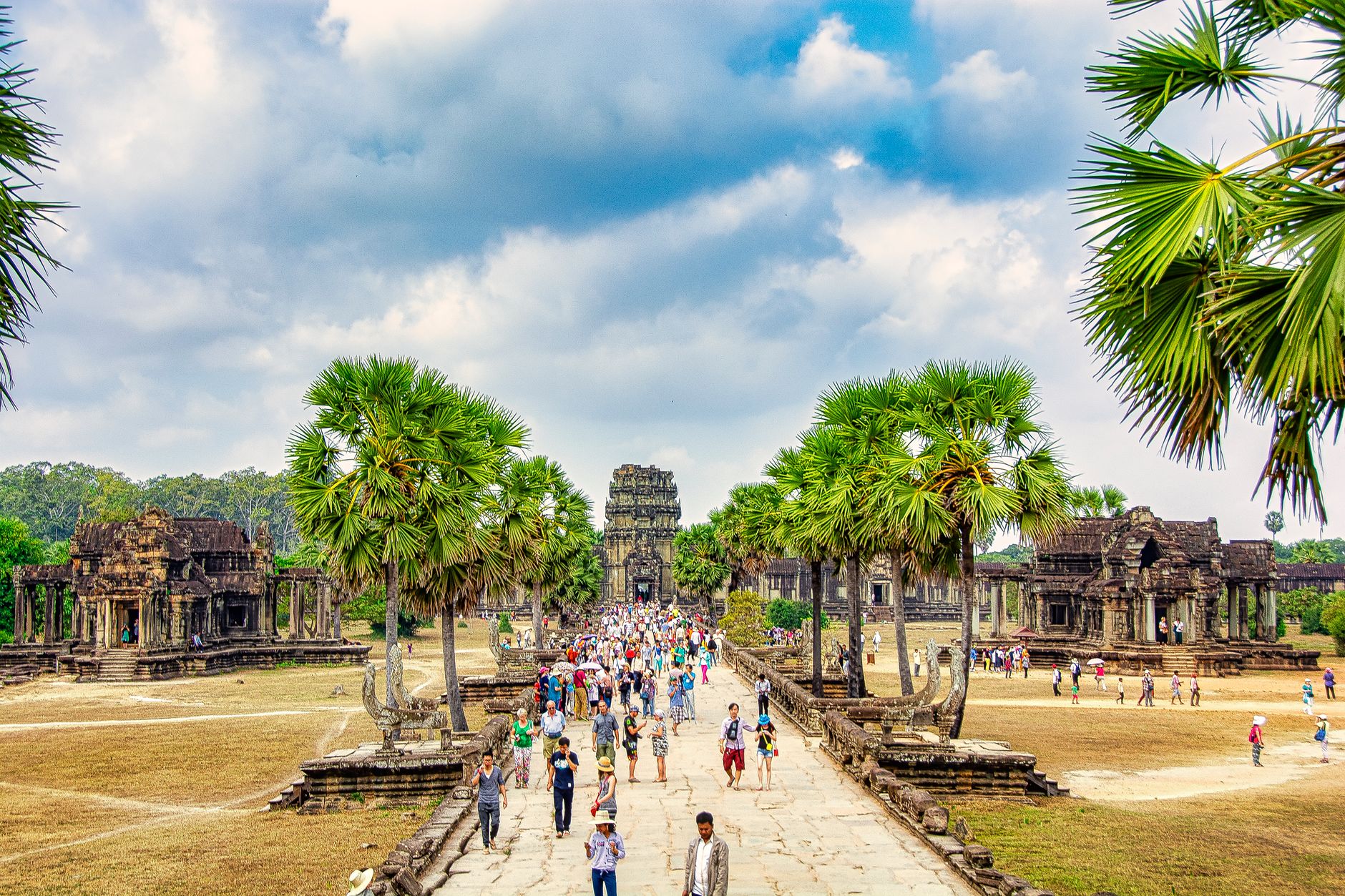
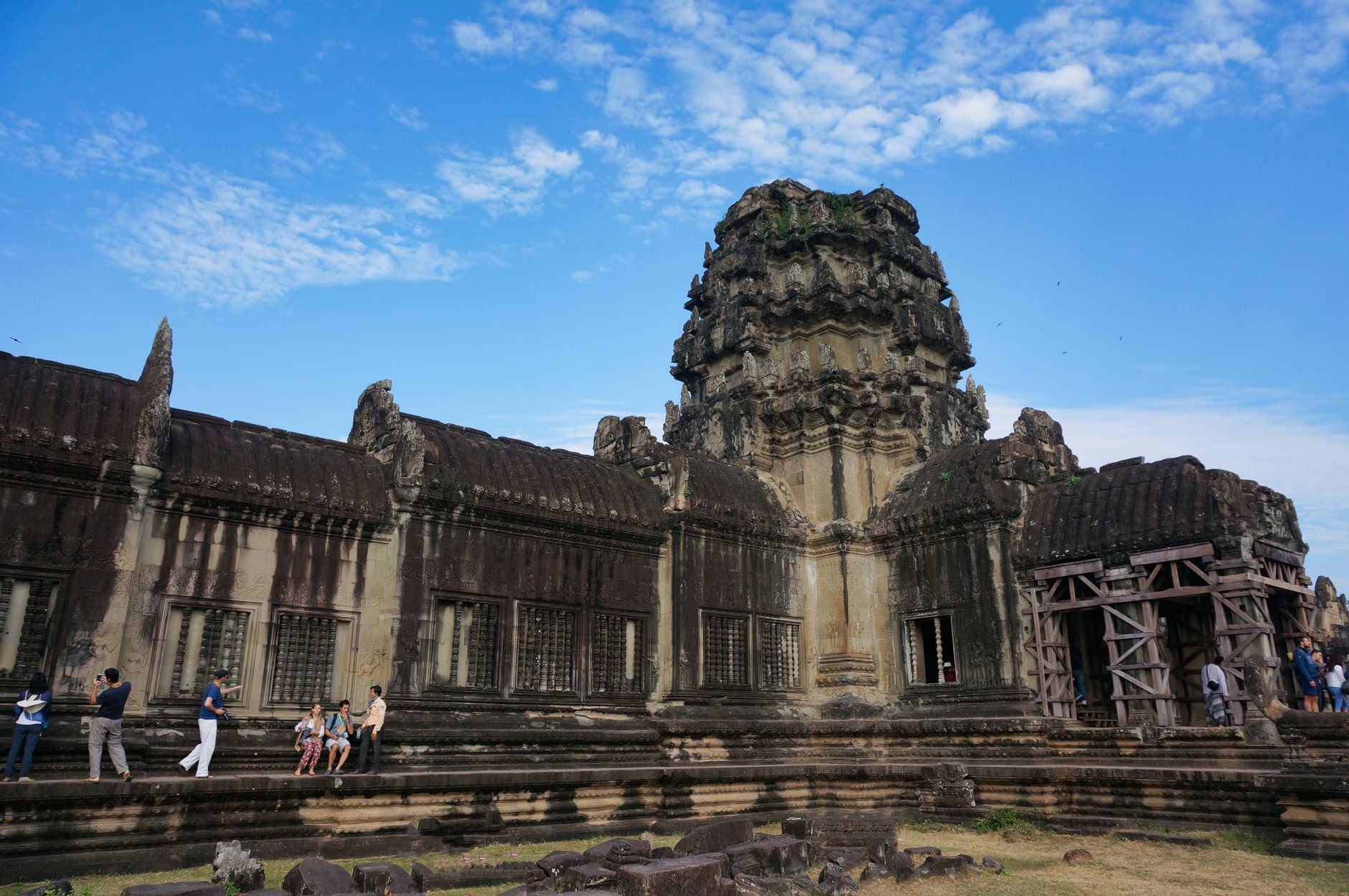
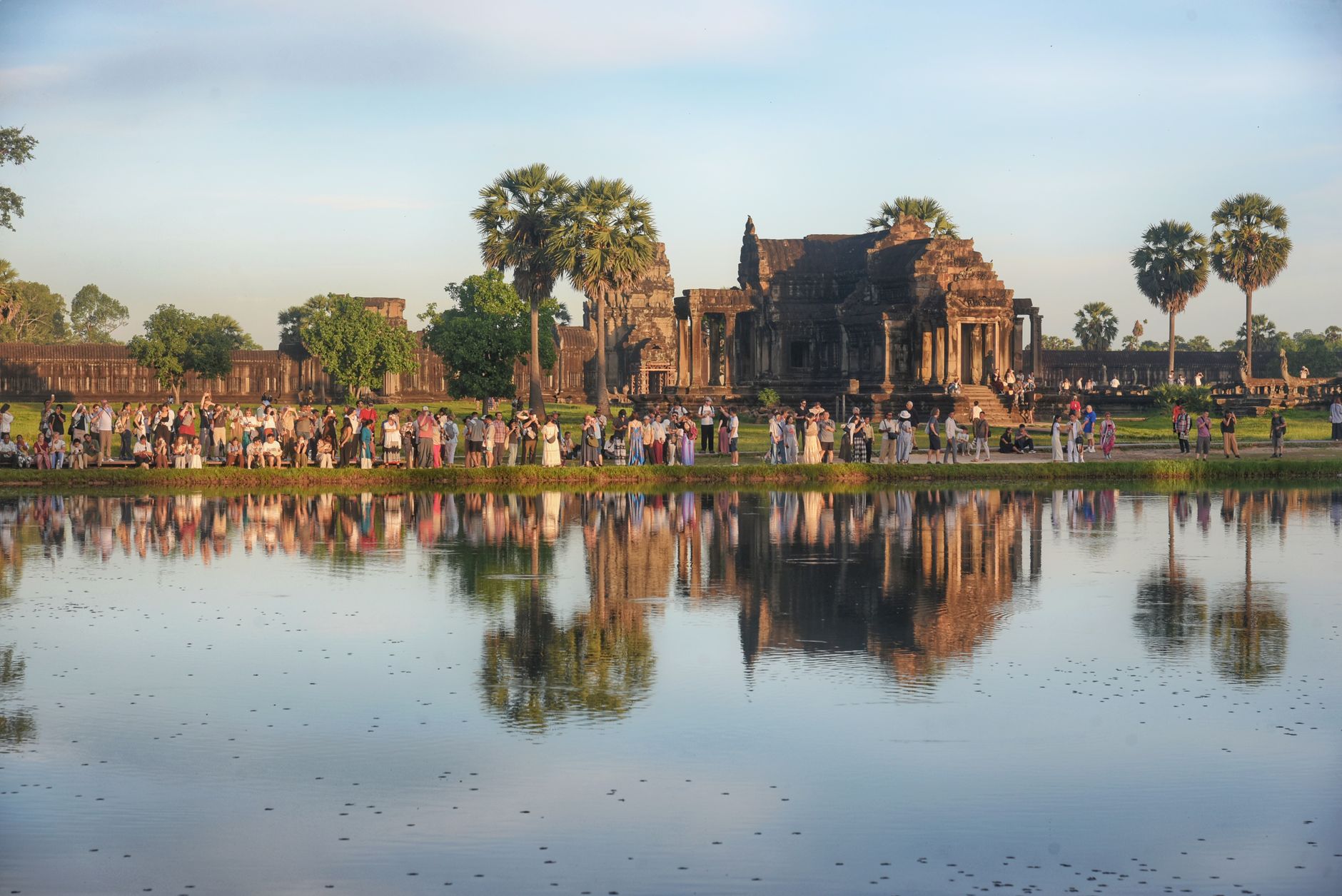
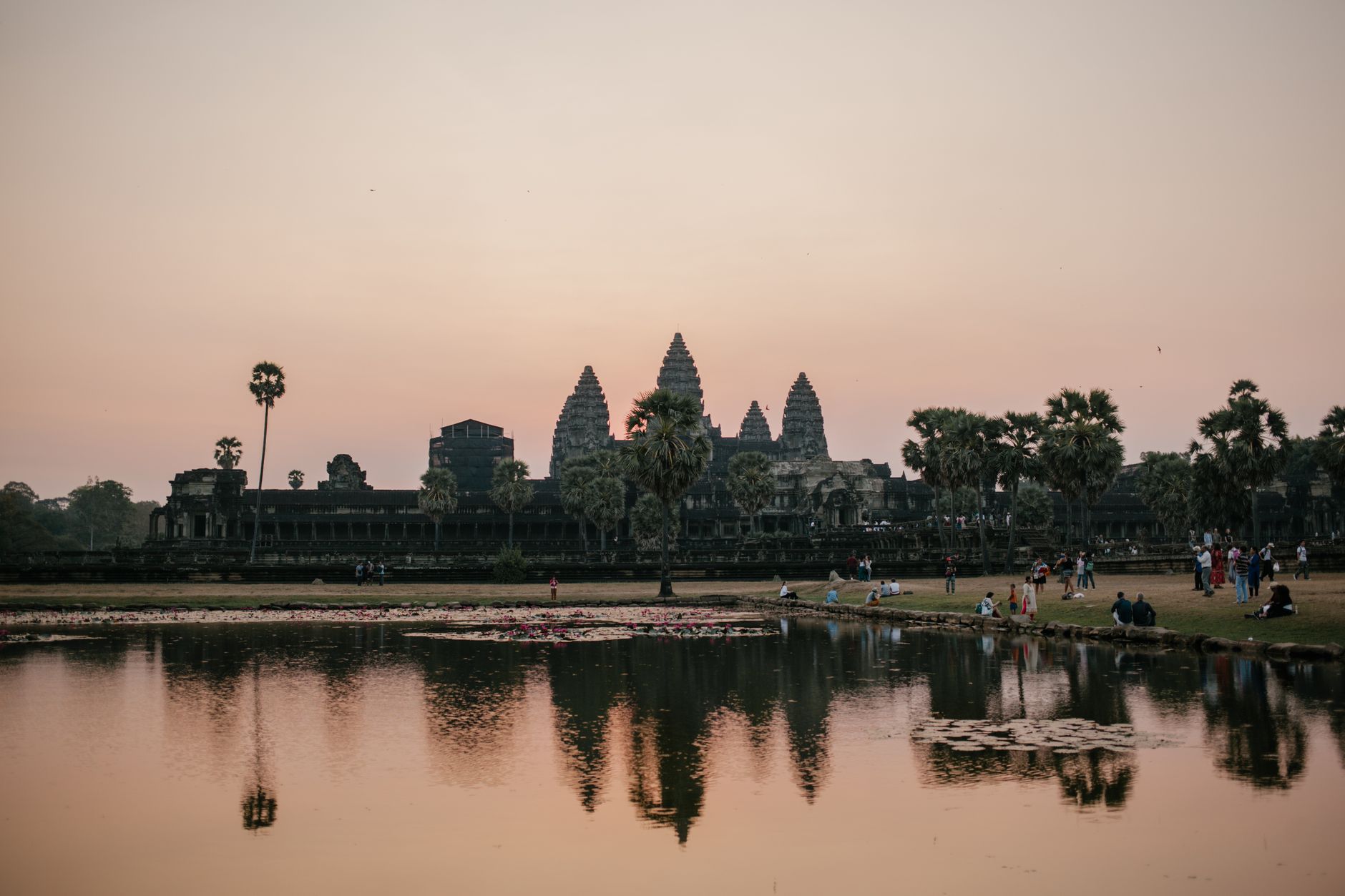
The moat comes first — a sheet of water so wide it takes a moment to register that the towers beyond it are real. Angkor Wat rises from the Cambodian plain as a stone diagram of the cosmos: five sandstone towers representing the peaks of Mount Meru, their reflections doubling in the water below at dawn. Built in the early 12th century under the Khmer king Suryavarman II, it remains the largest religious monument on earth, and the 1,200 square metres of bas-relief carved into its galleries — scenes from the Mahabharata, the Ramayana, rows of apsaras frozen mid-dance — reward slow, close attention.
Angkor Wat sits within a broader archaeological park of temples spread across the ancient Khmer capital, and most visitors spend several days moving between them. The main temple alone asks three to five hours of you, and that's before you've begun to factor in the surrounding jungle ruins, the face-towers of Bayon, or the quiet of Ta Prohm at either end of the day.
💛 What travellers fall for
Regulars tend to buy the three-day pass even if the first temple is the only reason they came — the park rewards the second morning, when you know where you're going. The Bakan sanctuary closes at 5 PM and shuts entirely on holy days, so confirm before you climb. Arrive at the ticket office by 4:30 AM if the sunrise reflection matters to you.
How Angkor Wat came to be
Suryavarman II commissioned the temple around 1122 CE, completing it by 1150 — an undertaking built on the advice of the Brahmin scholar Divākarapaṇḍita. Unlike most Khmer rulers who centred their devotion on Shiva, Suryavarman dedicated the complex to Vishnu, making it an outlier among the region's temples. It served as his state temple and, after his death, his mausoleum.
By the late 12th century, under Jayavarman VII — who built the nearby capital of Angkor Thom and its Bayon temple — the site began its gradual conversion to Mahayana Buddhism, with Hindu sculptures progressively replaced by Buddhist art. The Khmer Empire fell to Ayutthaya in 1431, but Angkor Wat never became a true ruin; monks maintained the ponds and kept the complex inhabited. A Capuchin friar, António da Madalena, documented it in 1586. The French naturalist Henri Mouhot wrote about it in 1860, bringing it to wide European attention. UNESCO designated the site a World Heritage site in 1992.
Who and what shaped it
People who shaped it
Landmark buildings
See Angkor Wat in motion
Plan your visit
On the map
When to go
November through February is the most comfortable window — dry, with temperatures between 25 and 30°C and manageable crowds. April and May push above 35°C and the wet season runs May to October, bringing heavy afternoon downpours that can make the stone paths slick but also clear the air and thin the visitor numbers.
Right now
Background & history adapted from Wikipedia (CC BY-SA) · specs from Wikidata (CC0) · weather from Open-Meteo · map data © OpenStreetMap contributors · photos from Wikimedia Commons / Unsplash with per-image credit. No third-party reviews or social posts reproduced.