
Koh Rong
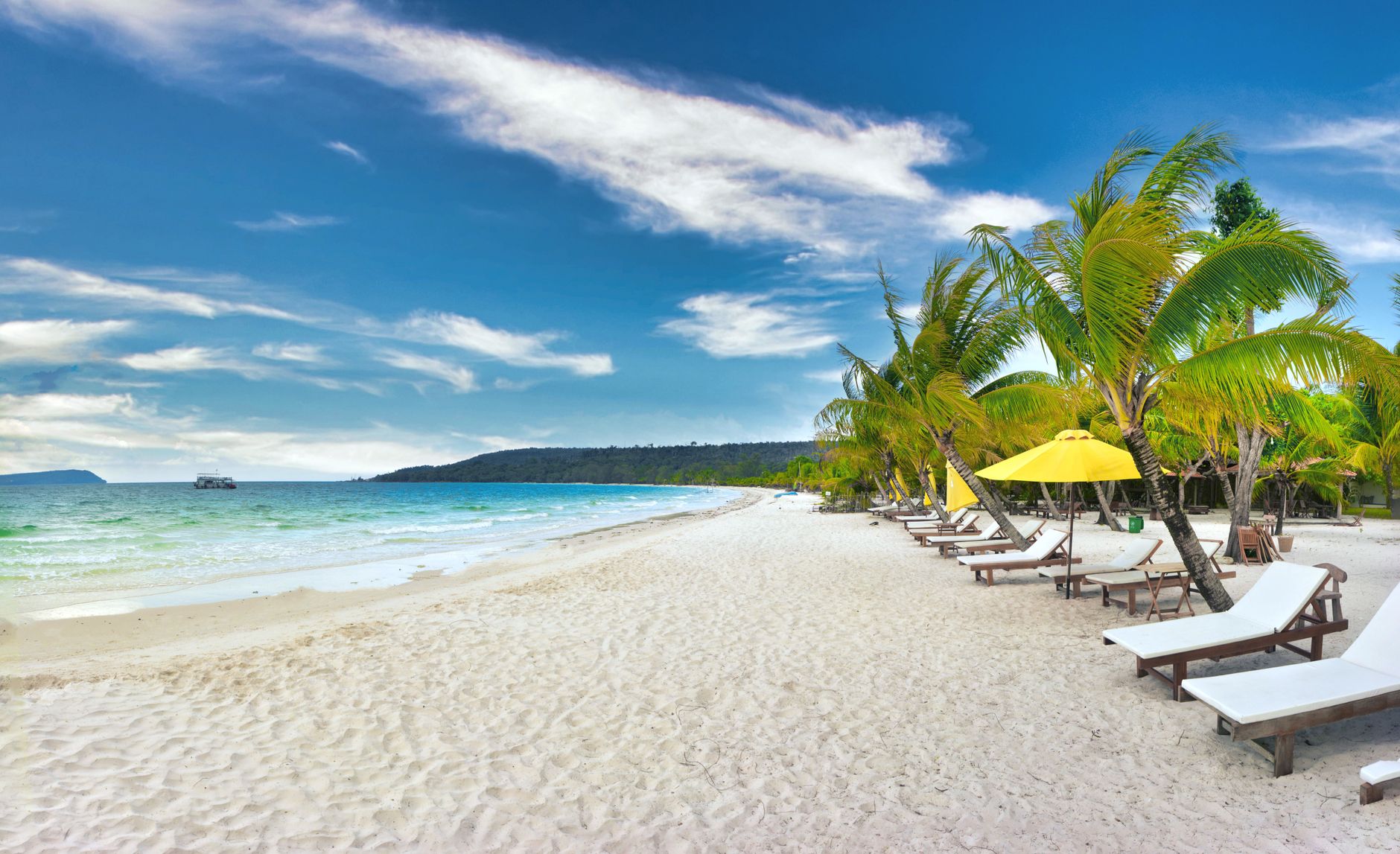
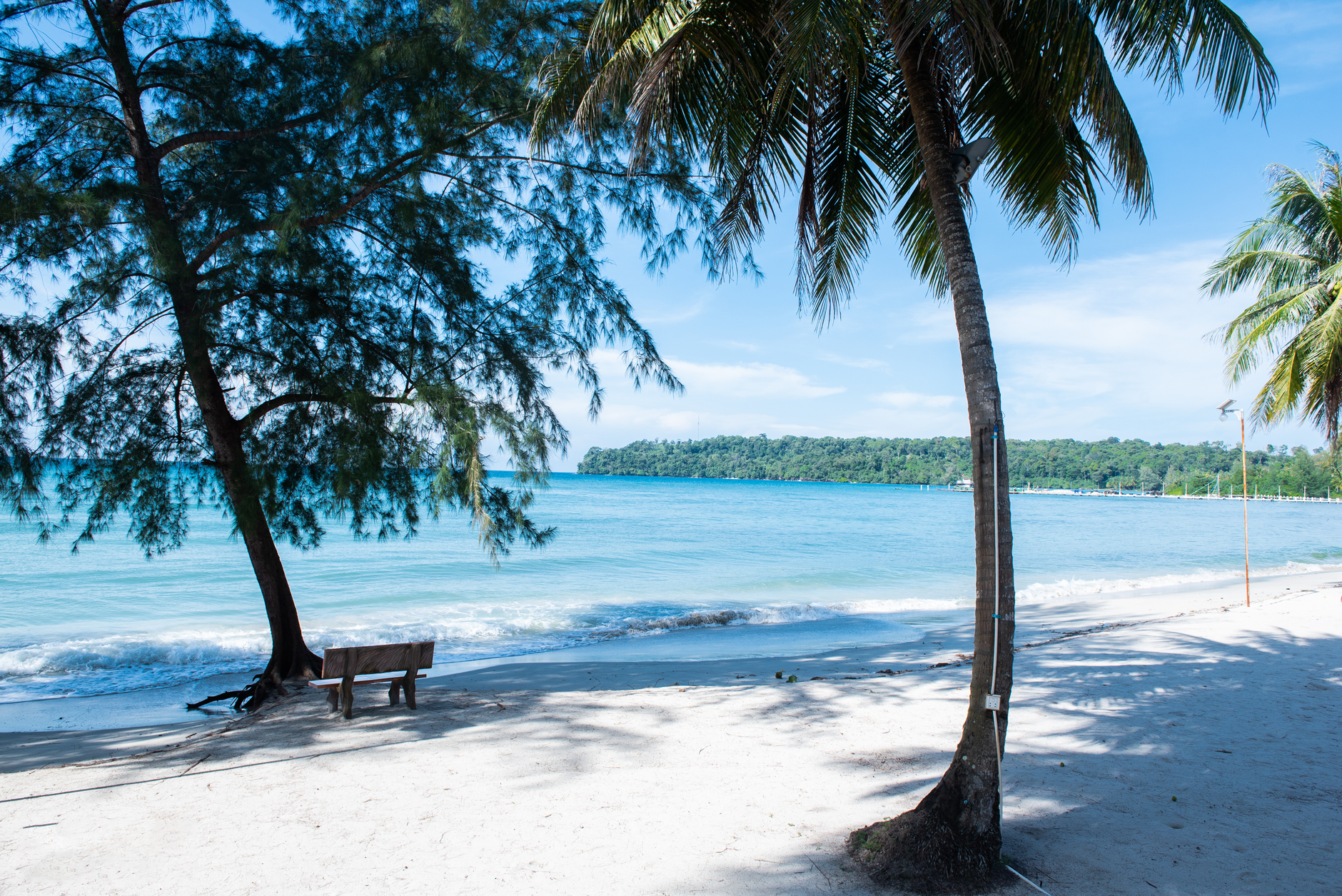
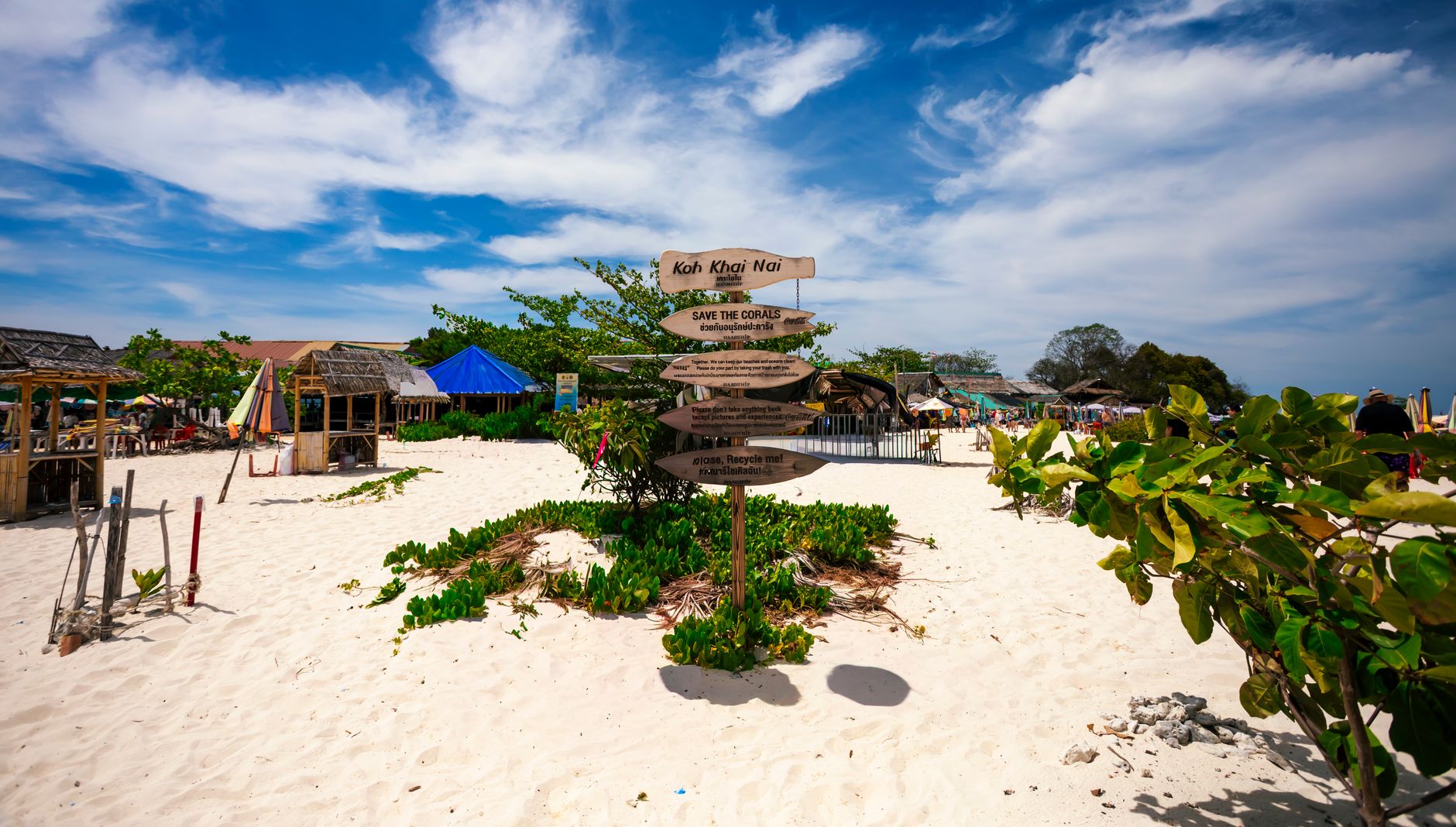
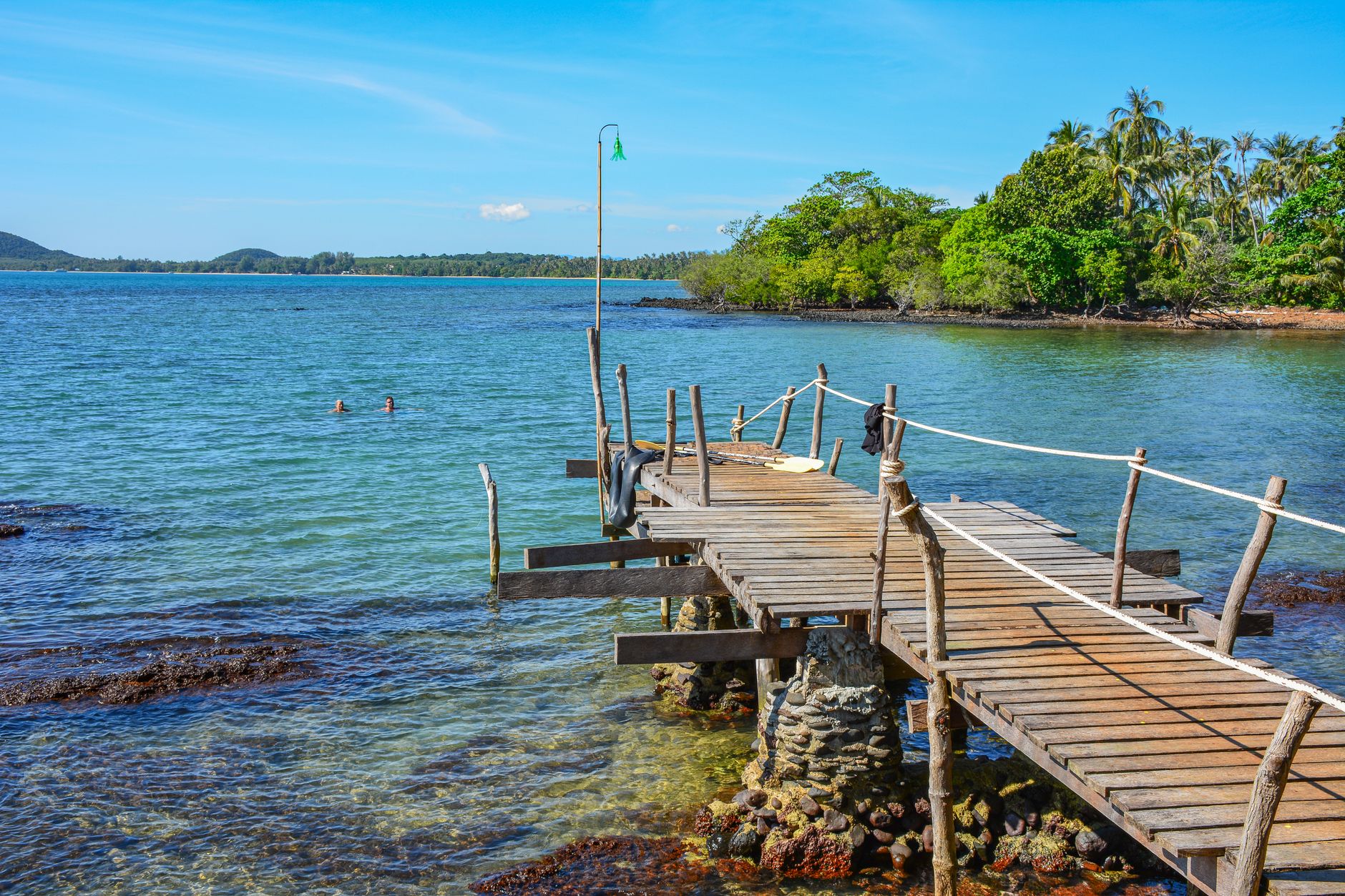

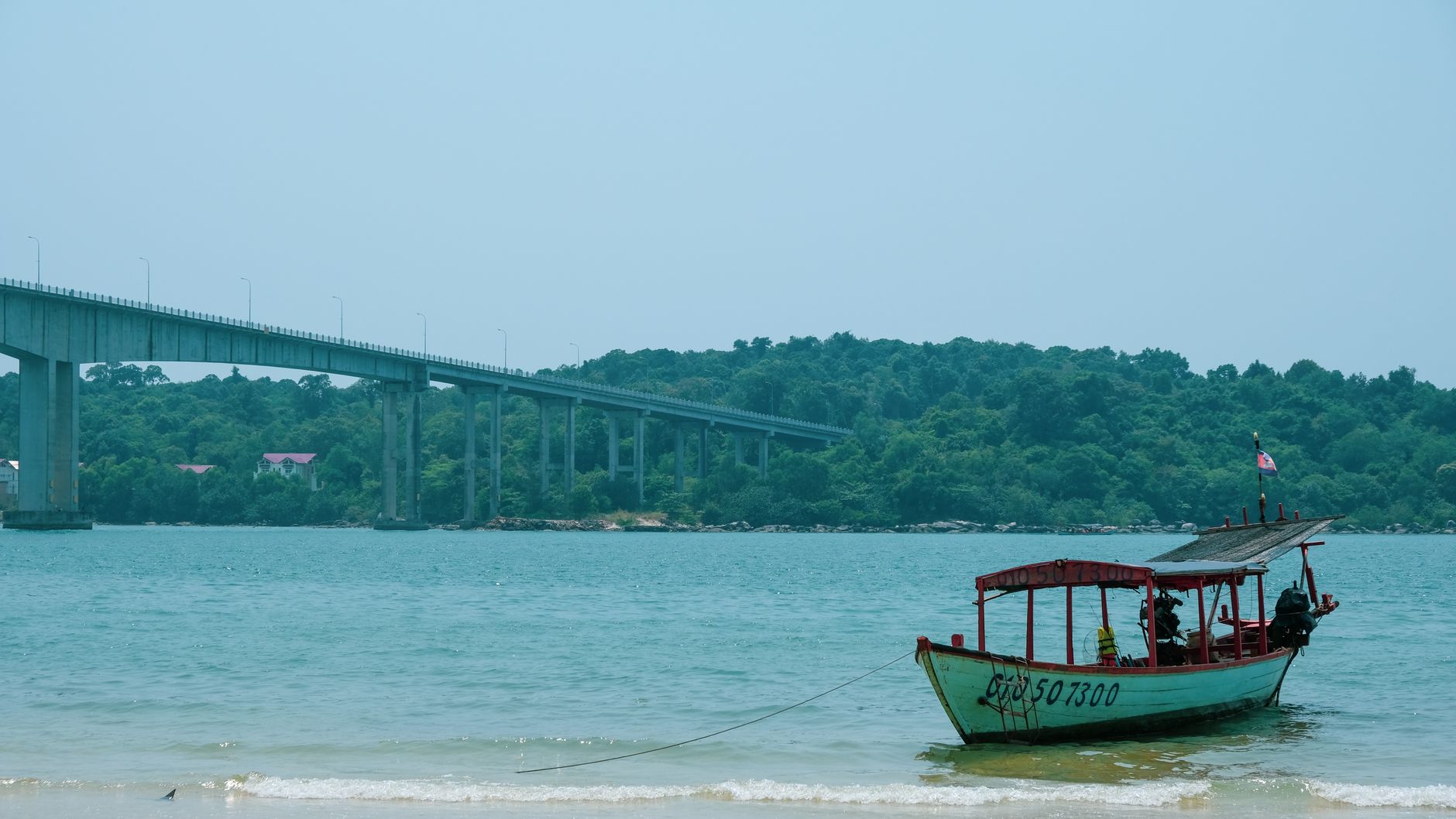
Forty-three kilometres of the island's sixty-one-kilometre coastline is beach — white sand running into water that shifts from green to deep blue depending on how the light sits. Koh Rong lies twenty-five kilometres off Sihanoukville, and its interior stays largely untouched, the jungle pressing down to the coast where four villages and a scattering of resorts hold the only permanent life.
Long Beach ranked among the world's top ten beaches in 2026. Koh Touch Village, in the south-east, has tilted decisively toward tourism — hotels and bars now outnumber homes. Prek Svay, on the north-east, moves at a slower pace. The island rewards those who are willing to walk past the first beach they find.
💛 What travellers fall for
People who come back tend to time their return for the shoulder months — late November or early March — when the ferries aren't packed and the sand at Long Set Beach is genuinely quiet. Saracen Bay keeps coming up as the place to base yourself if you want calm water and fewer generators running at midnight.
How Koh Rong came to be
For most of its history Koh Rong was a fishing island, its communities built around the sea rather than visitors. About seventy percent of residents traditionally drew their living from fishing, the rest from small-scale farming. The shift came fast: the island was formally established as a commune in 2000, and in 2008 the Royal Group — holding a ninety-nine-year government lease — announced plans to develop what it called Asia's first environmentally planned resort island.
Infrastructure followed in stages. A subsea fibre-optic cable connected the island to the internet in September 2012. Cambodia's first marine national park was gazetted here in February 2018. A seventy-kilometre road network, valued at roughly $35 million, began construction in 2020. By 2024, nearly 300,000 visitors arrived in a single year — close to double the previous year's figure.
Who and what shaped it
People who shaped it
Landmark buildings
See Koh Rong in motion
Plan your visit
On the map
When to go
The dry season runs from mid-November to early May, with December through February the most comfortable stretch — temperatures around 25°C and fewer than five rainy days per month. The wet season peaks in August, when rain comes on twenty-four days out of thirty-one, though short-stay visitors in June or July can still find clear mornings.
Right now
Background & history adapted from Wikipedia (CC BY-SA) · specs from Wikidata (CC0) · weather from Open-Meteo · map data © OpenStreetMap contributors · photos from Wikimedia Commons / Unsplash with per-image credit. No third-party reviews or social posts reproduced.