
Mondulkiri
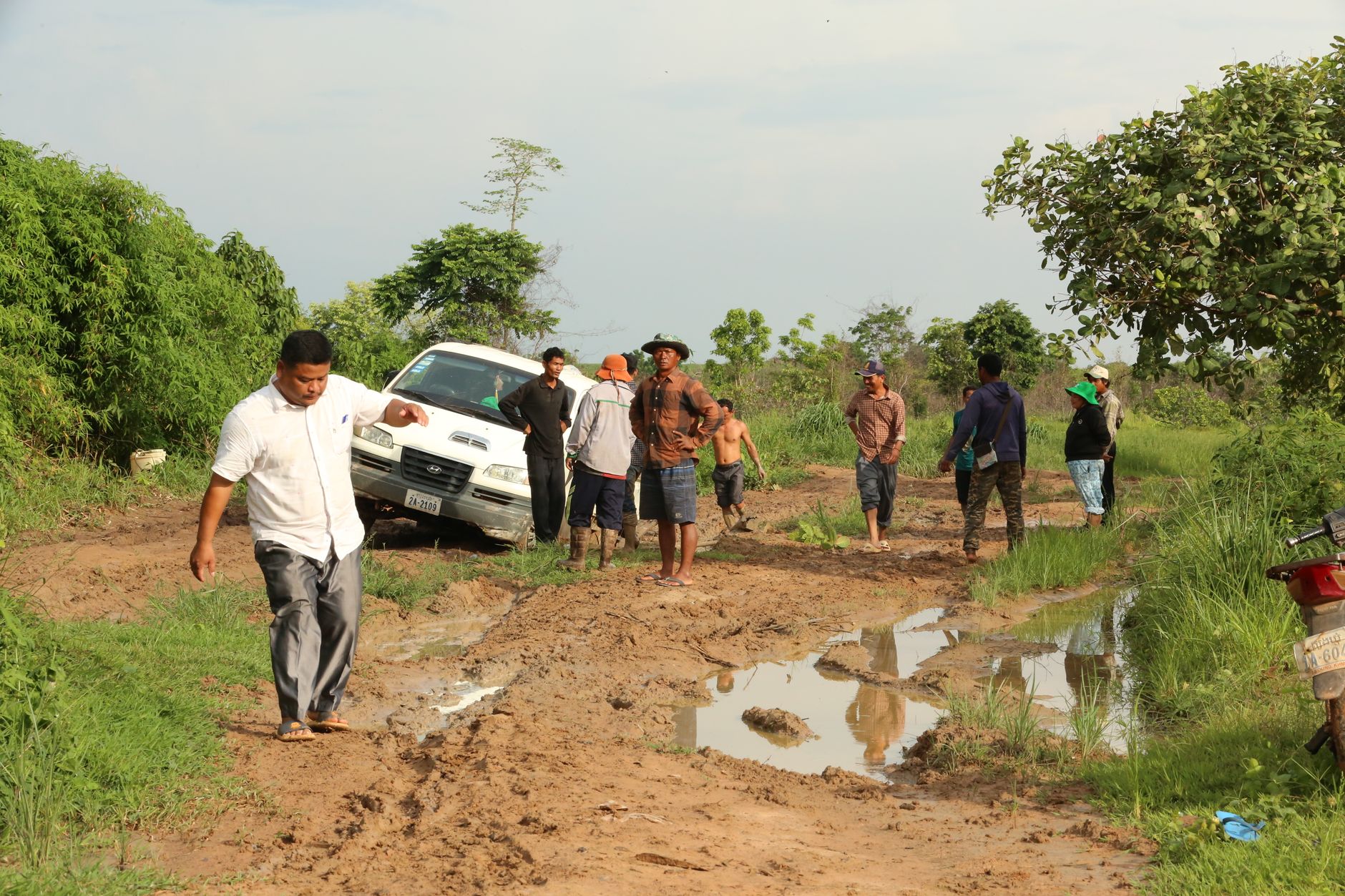
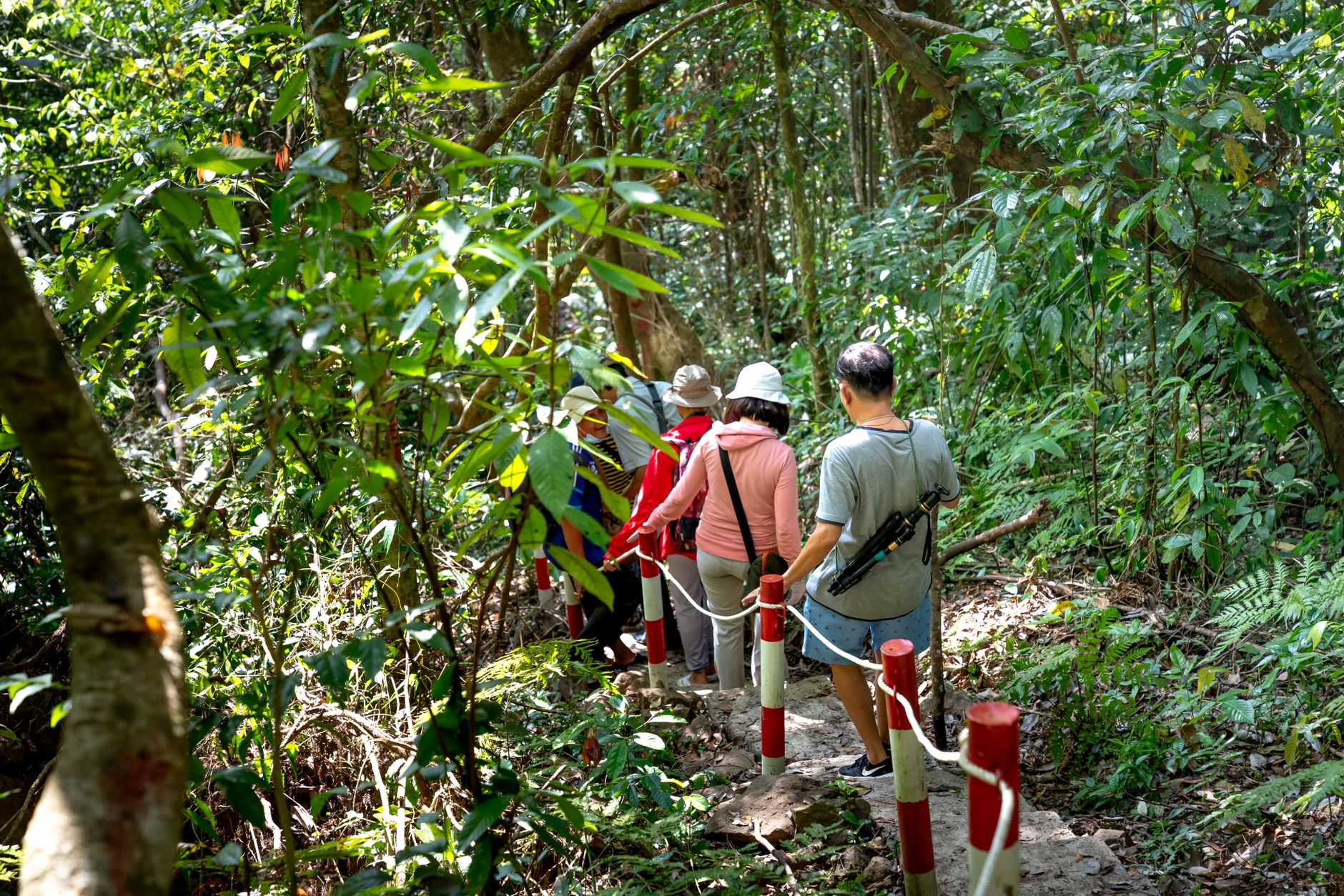
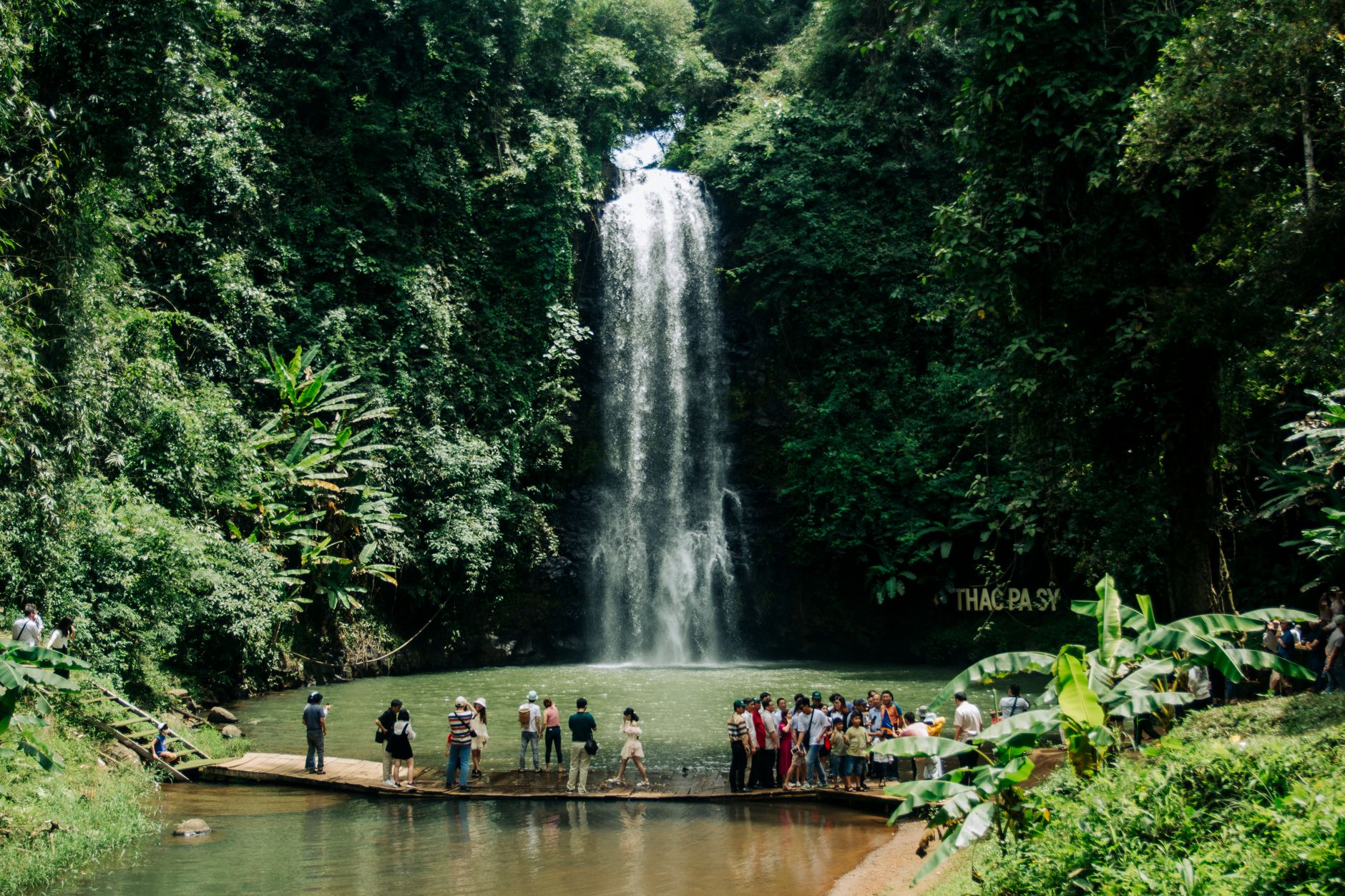
At 800 metres above the Cambodian lowlands, Sen Monorom sits cool and quiet in a way that surprises people who have spent time in Phnom Penh or along the Mekong. The air is different up here — the forests are dense and pine-scented, the hills roll in long green waves, and the town itself is small enough that the kouprey roundabout at its centre feels less like civic infrastructure and more like a landmark you actually use.
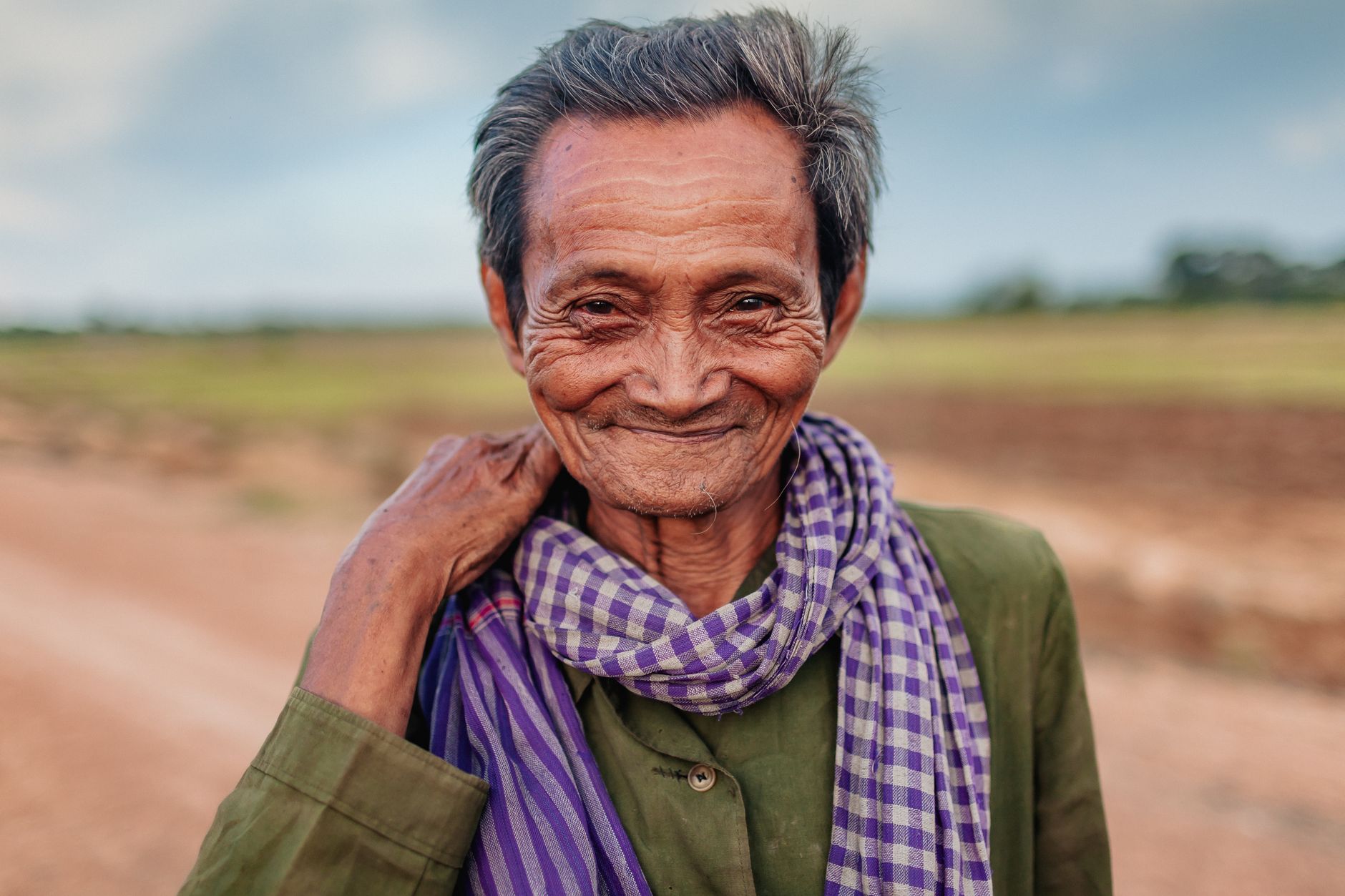
Mondulkiri is Cambodia's largest province, and roughly 80 percent of its people belong to indigenous minority groups, the majority being the Bunong — elephant trainers and forest keepers for generations, whose houses still hold ancient ceramic jars and ceremonial gongs. This is not the Cambodia of temple corridors and tuk-tuk traffic. It moves at a different pace entirely.
💛 What travellers fall for
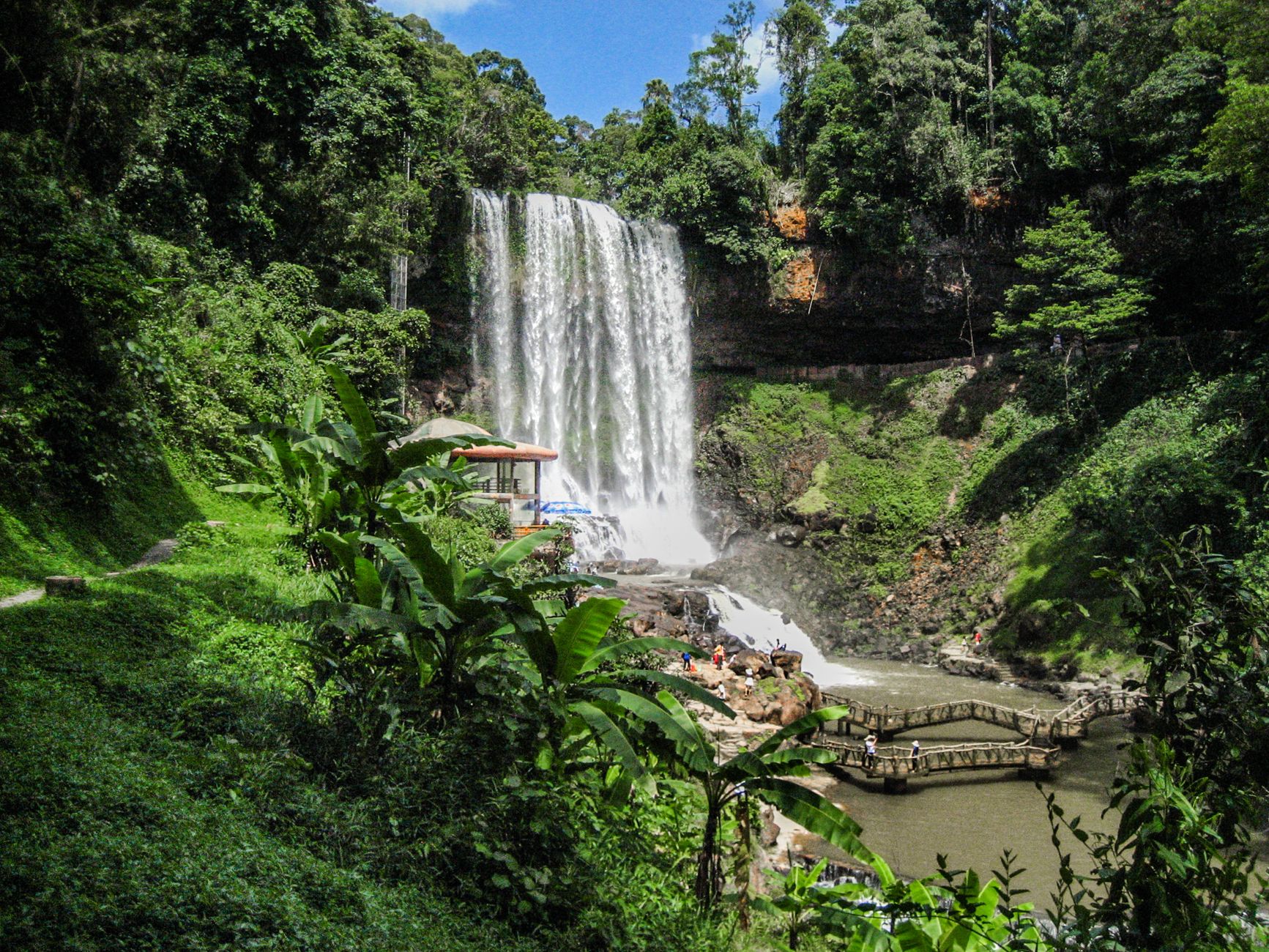
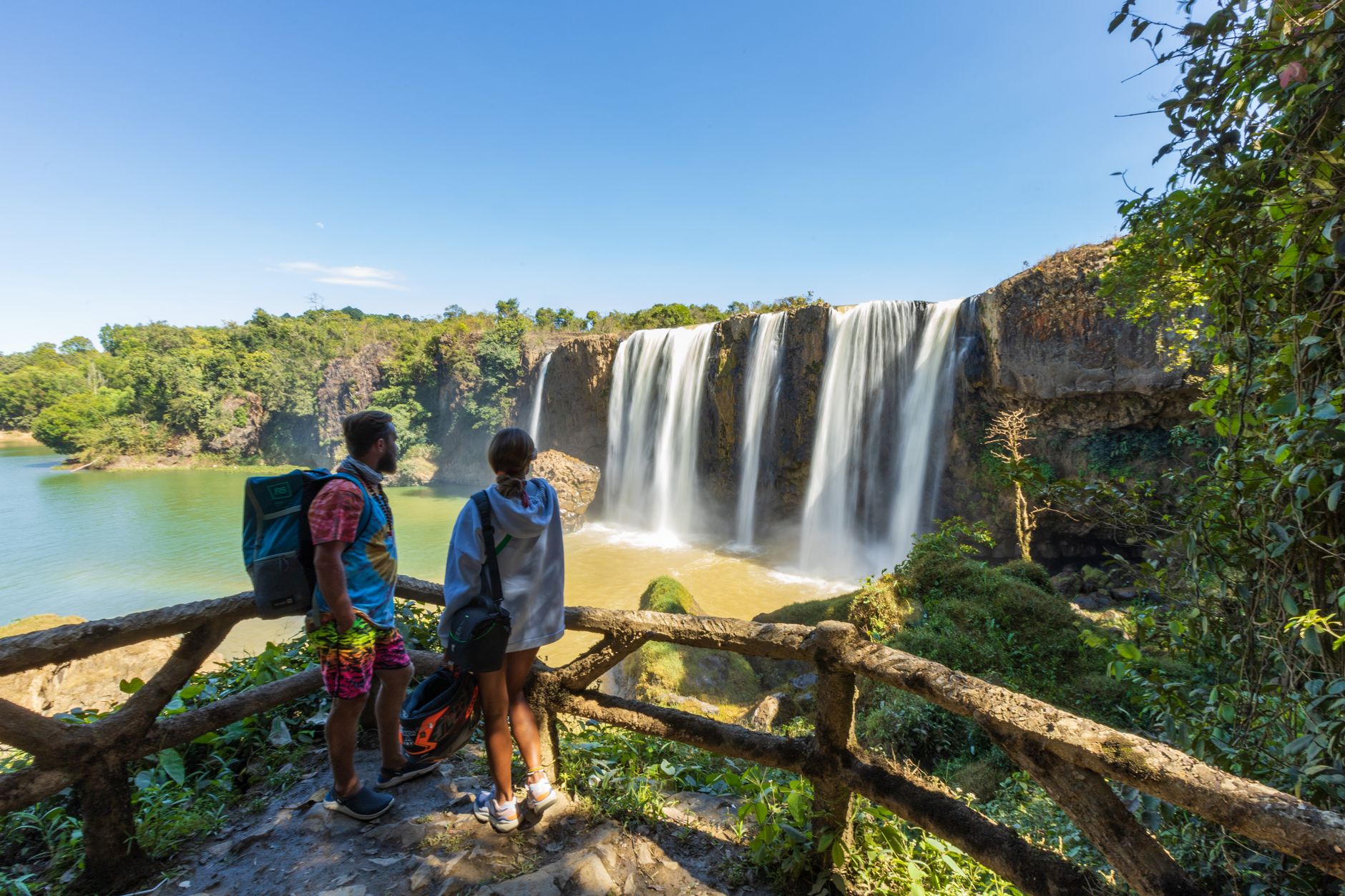
People who come back tend to mention the same few things: the Mondulkiri Project elephant sanctuary (book the $50 slot early), the drive out to Bou Sra waterfall on a motorbike rather than by tour van, and at least one morning at Chamka Cafe, the coffee plantation 3 km northeast of town, where the fog is still low over the hills before 8 a.m.
How Mondulkiri came to be
Mondulkiri was carved out of Kratié province in 1960 by royal decree of King Norodom Sihanouk, with Sen Monorom established as its capital two years later. But the Bunong people had been living across these highlands for roughly 2,000 years before the province had a name or a map.
The 1970s brought disruption: the Bunong were displaced from their traditional lands during a period of upheaval that also drew Mondulkiri into the Vietnam War — three National Liberation Front bases operated within the province, drawing US incursions and bombing raids into these remote hills. The Bunong were permitted to return to their homeland in the 1980s. The kouprey statue at Sen Monorom's central roundabout commemorates the wild bovid that was once Cambodia's national mammal; the animal itself is now extinct.
Who and what shaped it
Landmark buildings
See Mondulkiri in motion
Plan your visit
On the map
When to go
The rainy season runs May to October, with September bringing the heaviest downpours (around 330 mm). November through February is cooler and drier — temperatures in Sen Monorom typically run 5–10 degrees lower than the rest of Cambodia thanks to the elevation, sitting comfortably above 20°C even in the coolest months.
Right now
Background & history adapted from Wikipedia (CC BY-SA) · specs from Wikidata (CC0) · weather from Open-Meteo · map data © OpenStreetMap contributors · photos from Wikimedia Commons / Unsplash with per-image credit. No third-party reviews or social posts reproduced.