
Kampot
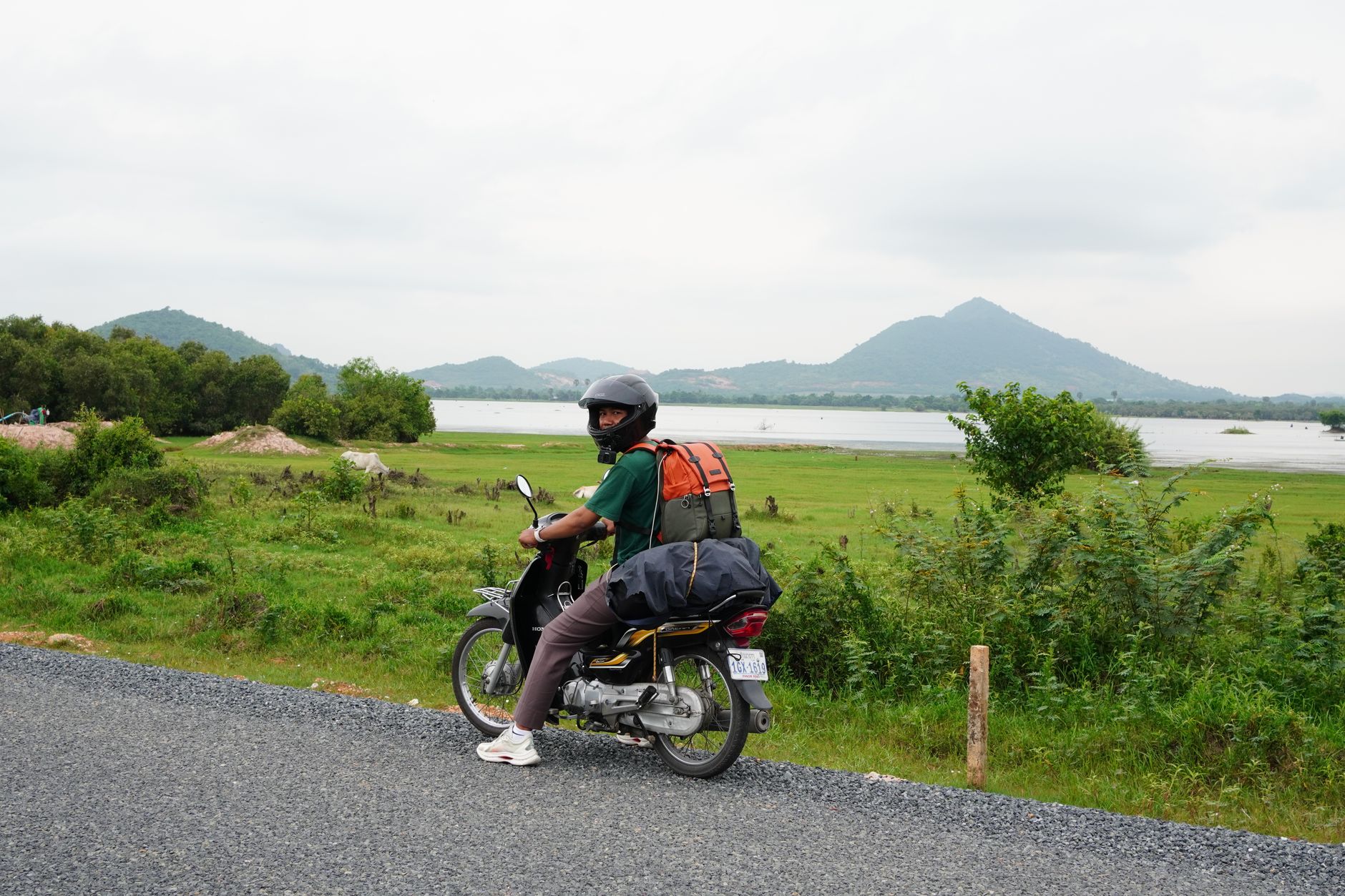
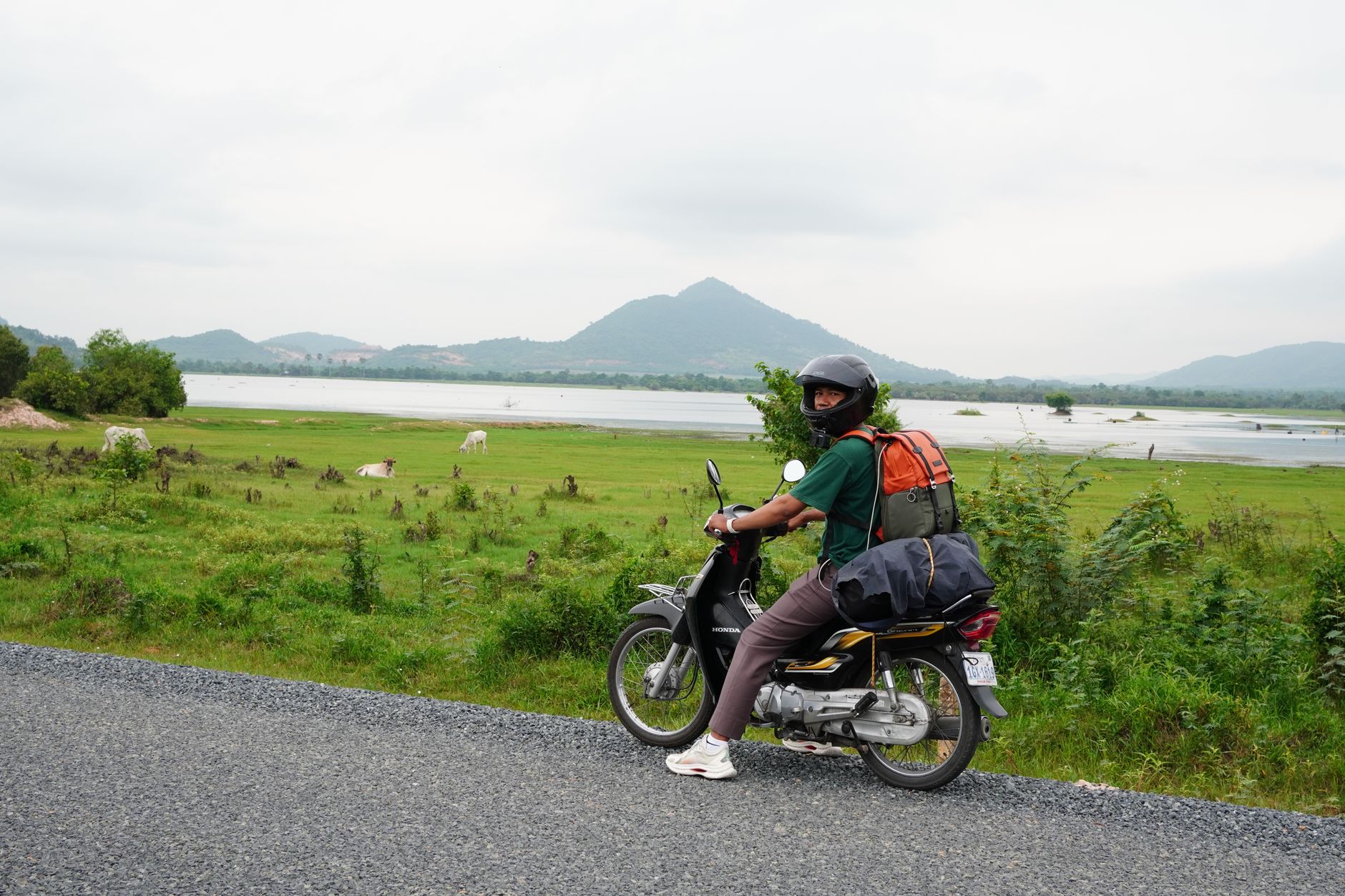
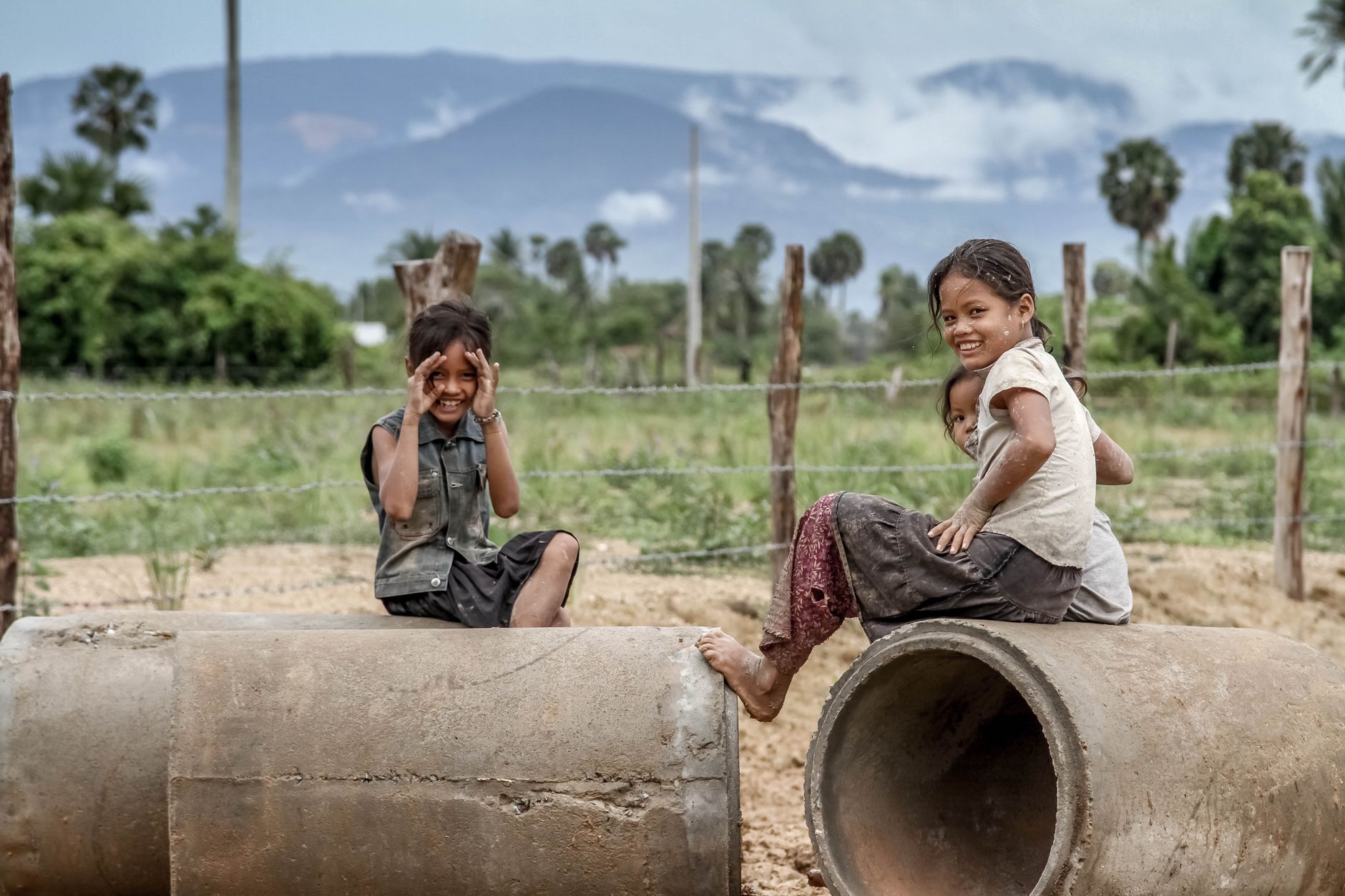
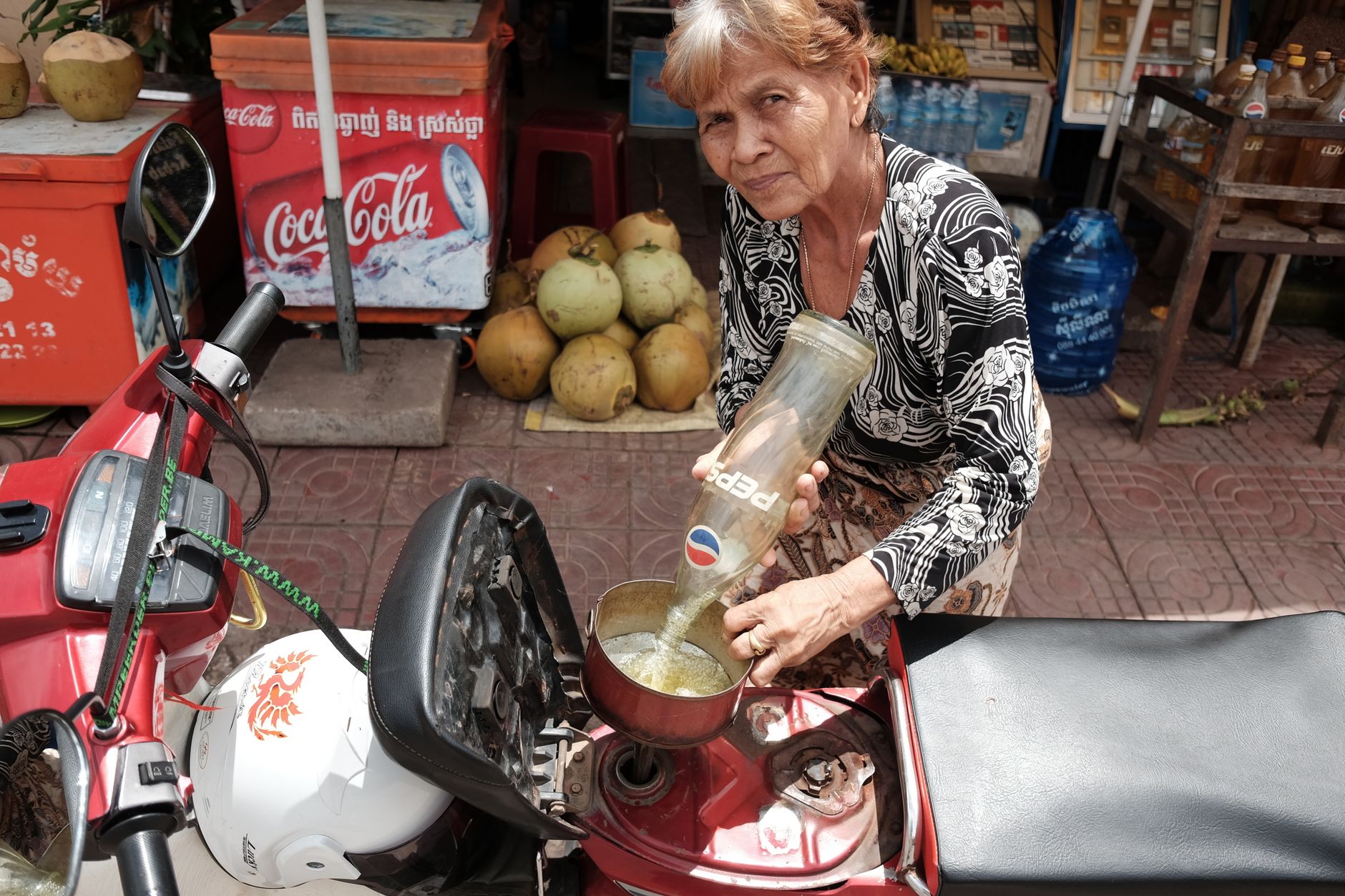
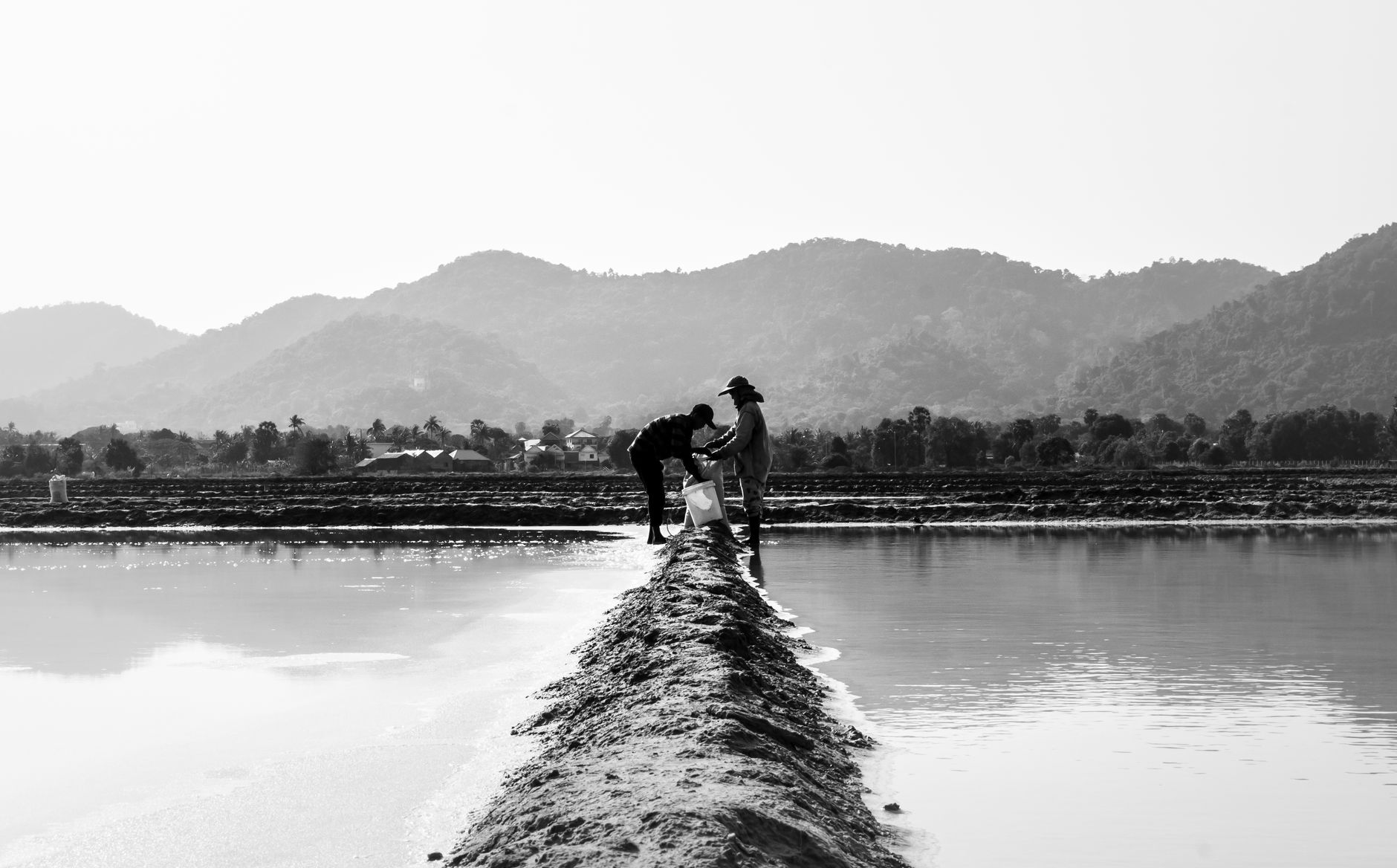
Kampot moves at the pace of the Prek Kampong Bay River that runs through it — unhurried, a little hazy in the afternoon heat. The town's French-colonial shophouses line the waterfront, a durian sculpture marks the central roundabout, and the pepper farms that made this region famous stretch into the red-soil hills beyond. It's a small place, walkable in an hour, yet it keeps pulling people back.
The surrounding region gives you a lot to work with: the ghost-town French hill station on Bokor, a 7th-century cave temple at Phnom Chhngok, and a river route down to Kep's crab shacks. Kampot is the natural base for all of it.
💛 What travellers fall for
Regulars tend to rent a bicycle on day one and not return it until checkout. The ride out to the pepper farms — La Plantation runs a museum dedicated entirely to the history of the peppercorn — takes a morning and earns its keep. The train back to Phnom Penh on a Sunday, slow and rattling, is a better ending than any bus.
How Kampot came to be
Kampot spent much of the 19th century as Cambodia's only international seaport, a role King Ang Duong formalised in 1840. Chinese and Malay communities settled here alongside Khmer traders, and when the French folded Cambodia into Indochina, Kampot became a centre of colonial administration — its Governor's Mansion now houses the Provincial Museum at a $2 entry. The pepper industry expanded rapidly under French stewardship; between 1899 and 1902 production more than doubled, and the region's red-soil farms eventually earned PGI certification in 2010.
The 20th century was harder. Khmer Rouge forces captured the city on April 2, 1974, after months of fighting, and the region became a stronghold for figures like Ta Mok, one of the movement's most brutal commanders. The colonial bank branch on the riverfront survived where Phnom Penh's did not — the Khmer Rouge had blown that one up after abolishing currency altogether.
Who and what shaped it
People who shaped it
Landmark buildings
See Kampot in motion
Plan your visit
On the map
When to go
The dry season, November to April, is the most comfortable time to visit — warm and clear, with cool evenings on the river. The wet season brings daily downpours from May onward, which turn the hills dramatically green but can make the roads to Bokor slick and unpredictable.
Right now
Background & history adapted from Wikipedia (CC BY-SA) · specs from Wikidata (CC0) · weather from Open-Meteo · map data © OpenStreetMap contributors · photos from Wikimedia Commons / Unsplash with per-image credit. No third-party reviews or social posts reproduced.