
Zadar
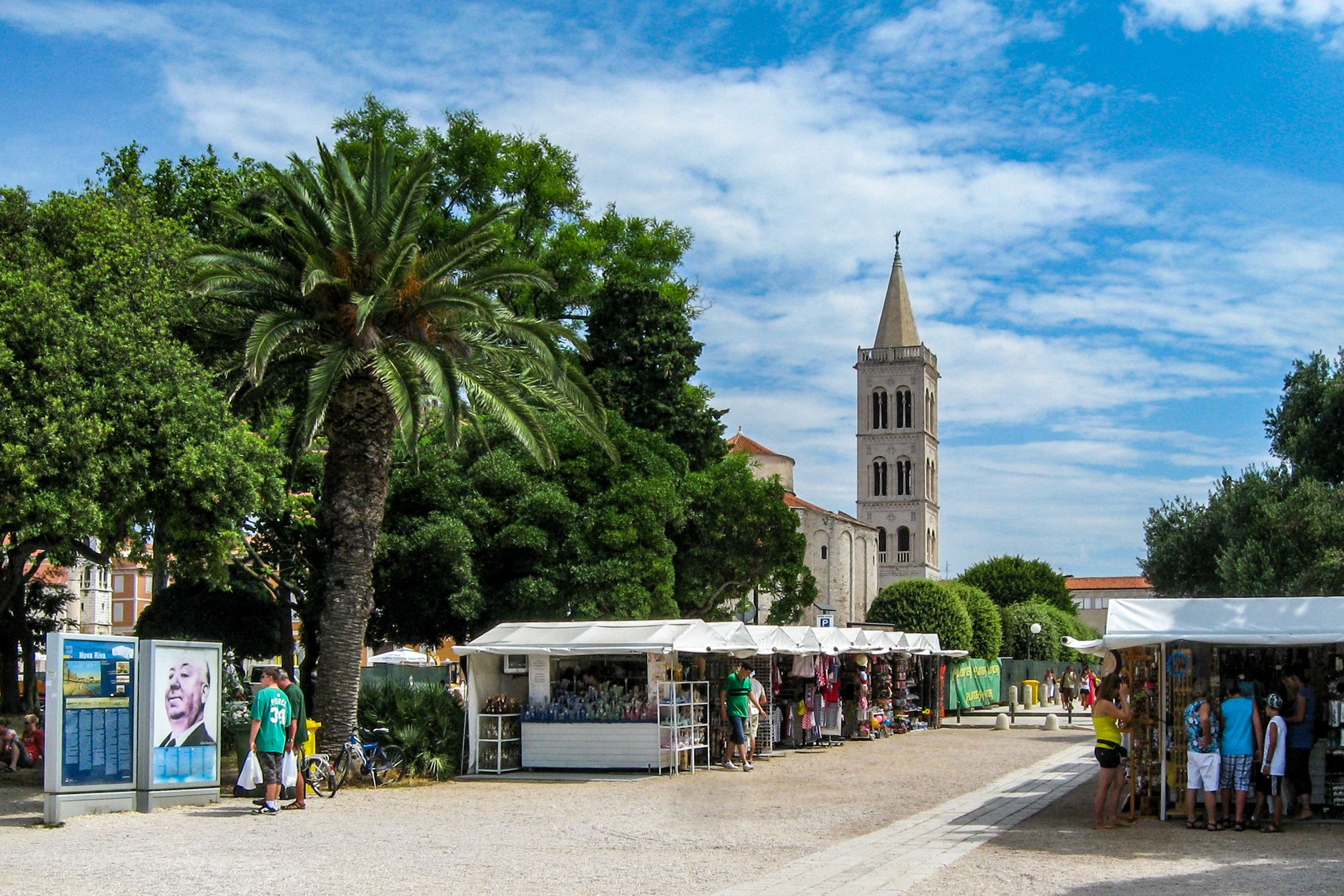
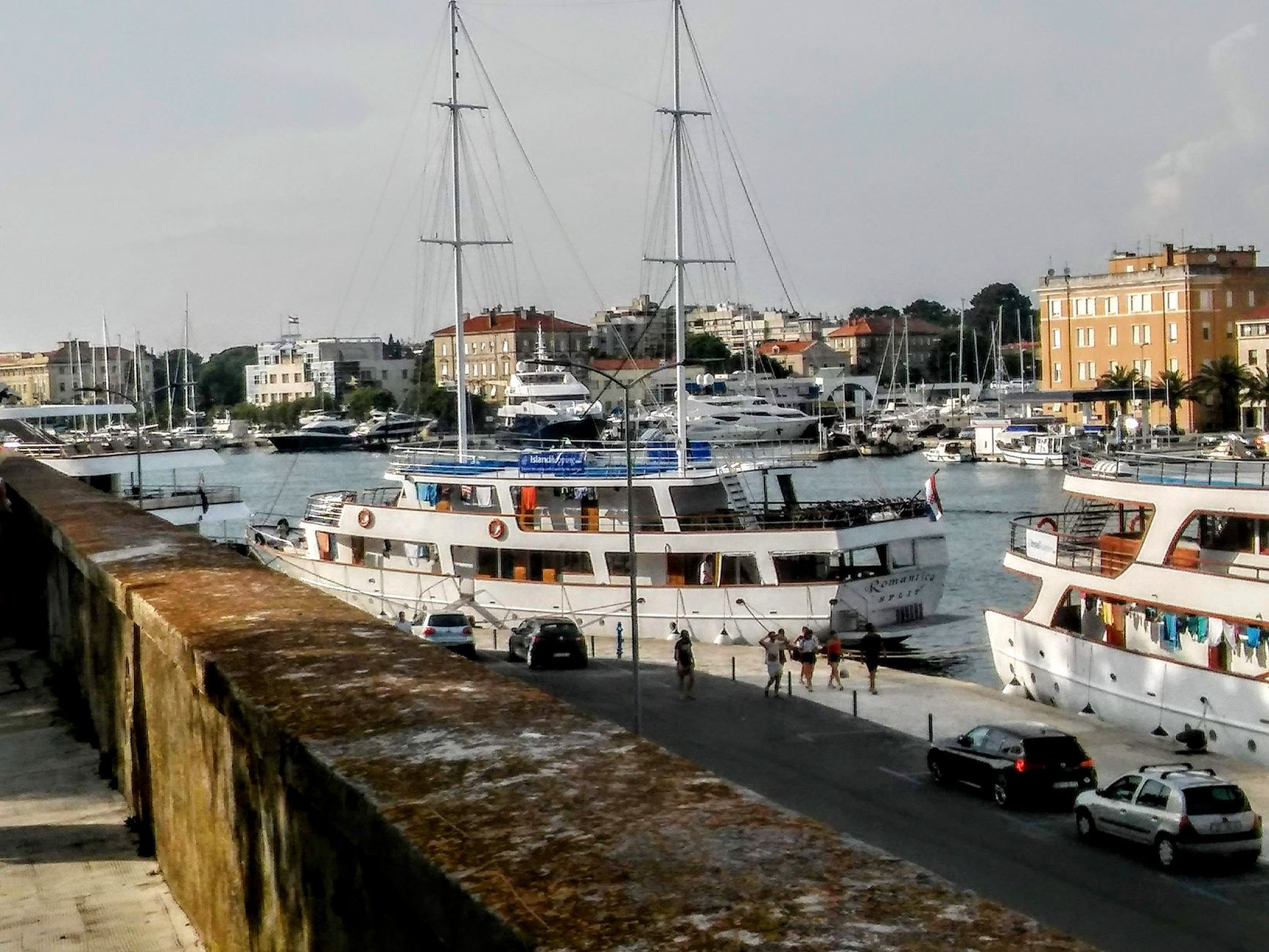
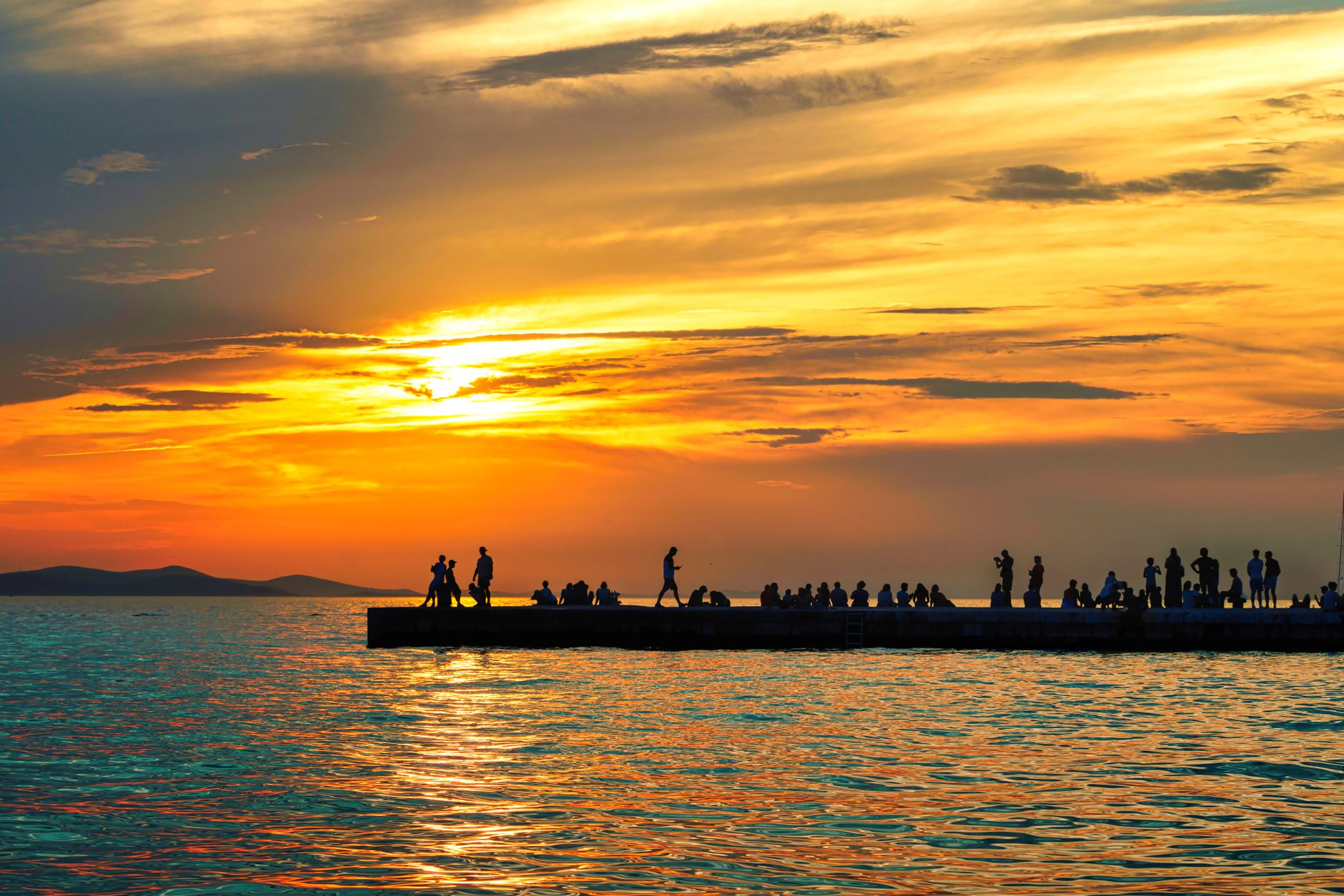
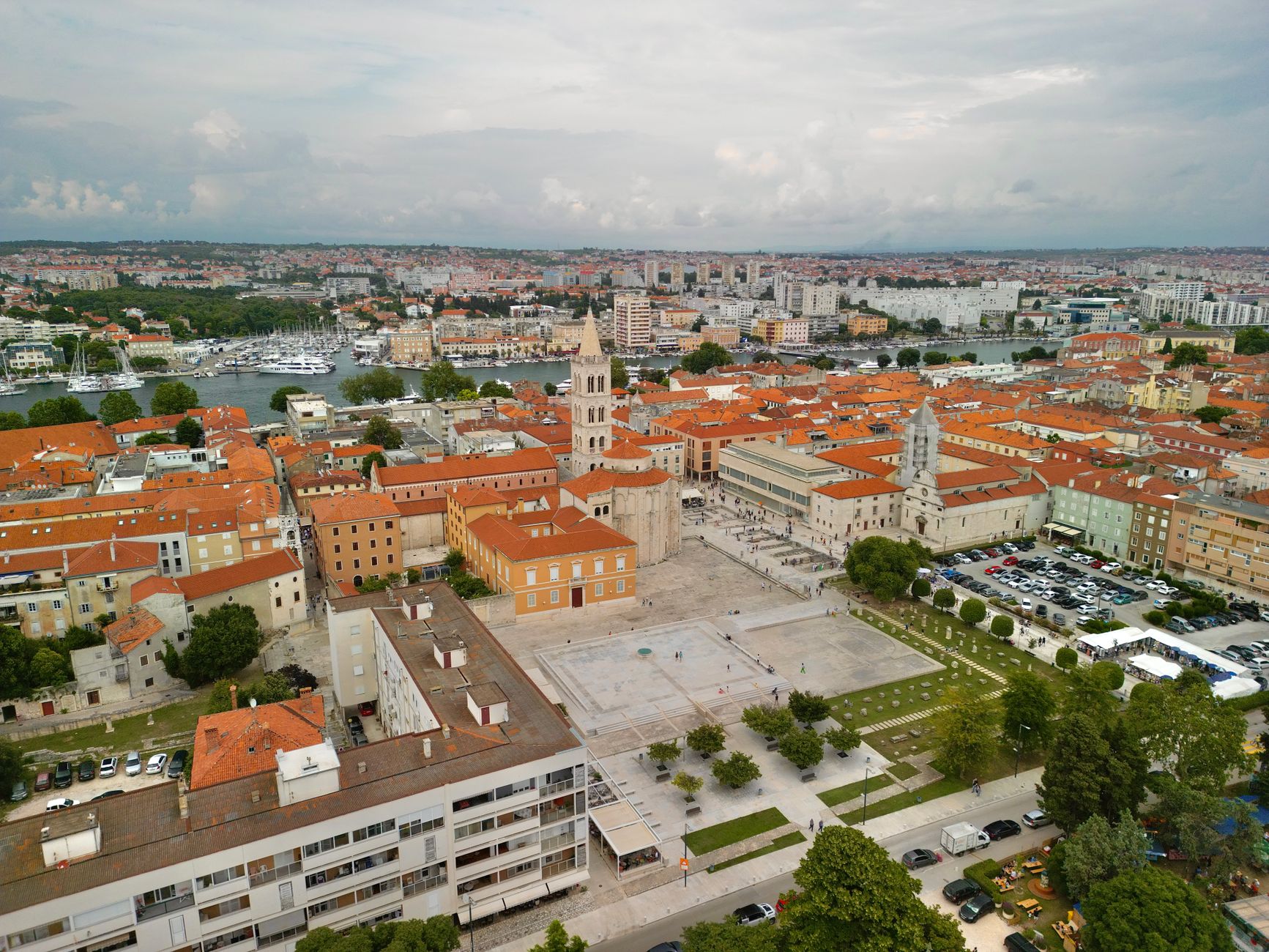
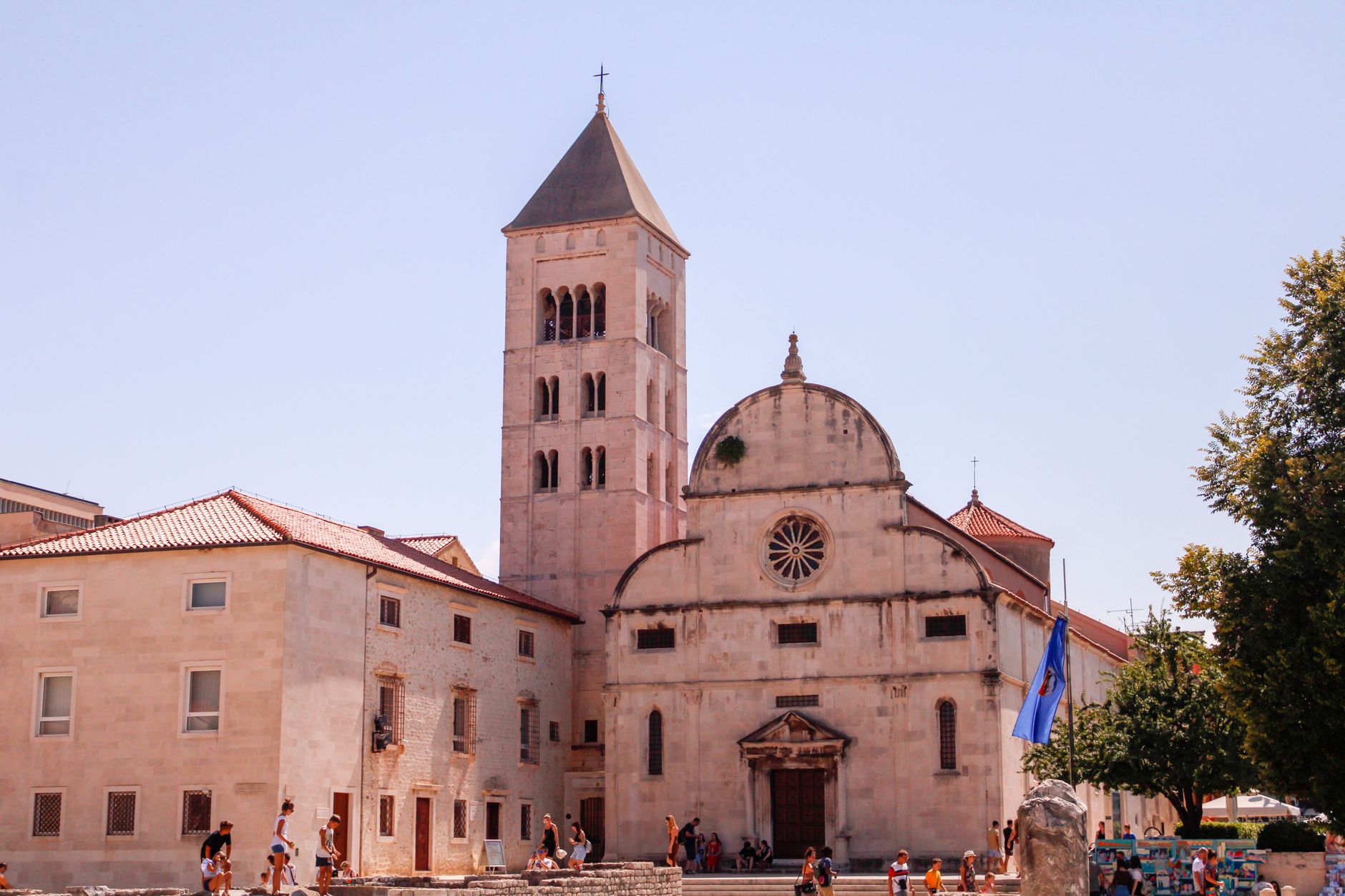
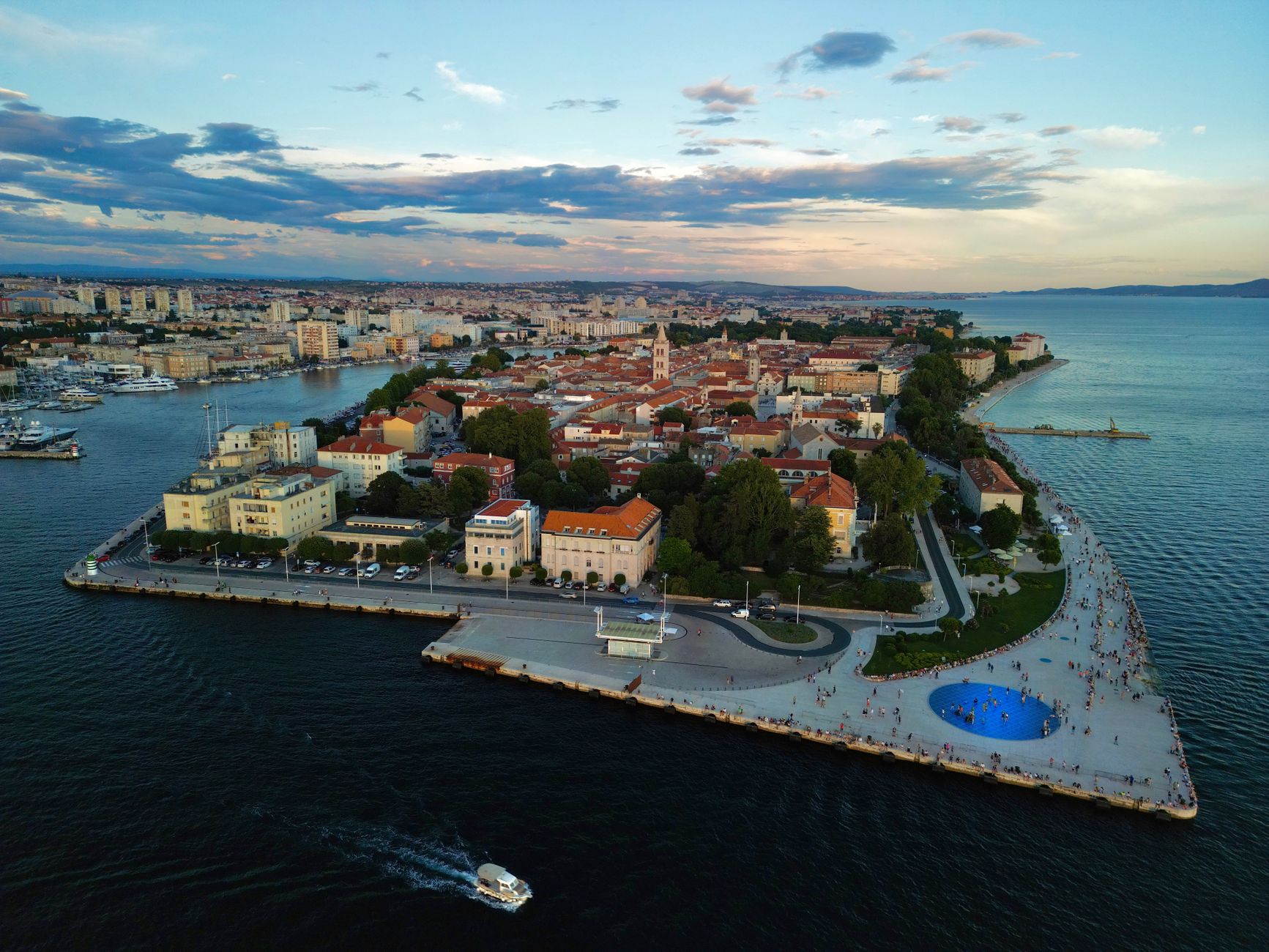
Zadar is the kind of place where you step off a Roman forum, walk past a ninth-century circular church, and end up sitting on a stone quay listening to the sea play music through pipes built into the pavement. The Sea Organ is real — waves push air through marble steps on the Riva boulevard and the city hums back at you. That collision of ancient and unexpected runs through everything here.
As a region, Zadar is also a practical base: the old peninsula city at its centre, the Kornati archipelago offshore, and the Dalmatian interior within easy reach. The airport sits just 12 kilometres from the Old Town, which means you can be watching the sun drop into the Adriatic the same evening you arrive.
How Zadar came to be
People have lived on this peninsula for a very long time — Neolithic settlements date to around 8000 BC, and the Liburnian Illyrians were here by the eighth century BC. Rome formalised things in the first century BC, renaming the city Ladera and eventually making it a full Roman colony. The forum they built, roughly 90 by 45 metres, is still underfoot in the city centre — the largest surviving Roman forum in Croatia.
After the fall of the Western Roman Empire, Zadar became the Byzantine capital of Dalmatia, then spent centuries trading allegiances between Venice, Hungary, France, Austria, and Italy. Venice sold it, bought it back, and fortified it with walls in the sixteenth century against Ottoman expansion — those walls entered the UNESCO World Heritage List in 2020. In 1944, German bombing destroyed nearly 60 percent of the peninsula. The city rebuilt; the layers stayed.
Who and what shaped it
People who shaped it
Landmark buildings
See Zadar in motion
Plan your visit
On the map
When to go
Summers are long, dry, and hot, with July and August temperatures regularly above 30°C and reliably clear skies. Spring and autumn are mild and far less crowded; winter is cool and quiet, with occasional bora winds off the mountains, but the Old Town remains walkable year-round.
Right now
Background & history adapted from Wikipedia (CC BY-SA) · specs from Wikidata (CC0) · weather from Open-Meteo · map data © OpenStreetMap contributors · photos from Wikimedia Commons / Unsplash with per-image credit. No third-party reviews or social posts reproduced.