
Zagreb
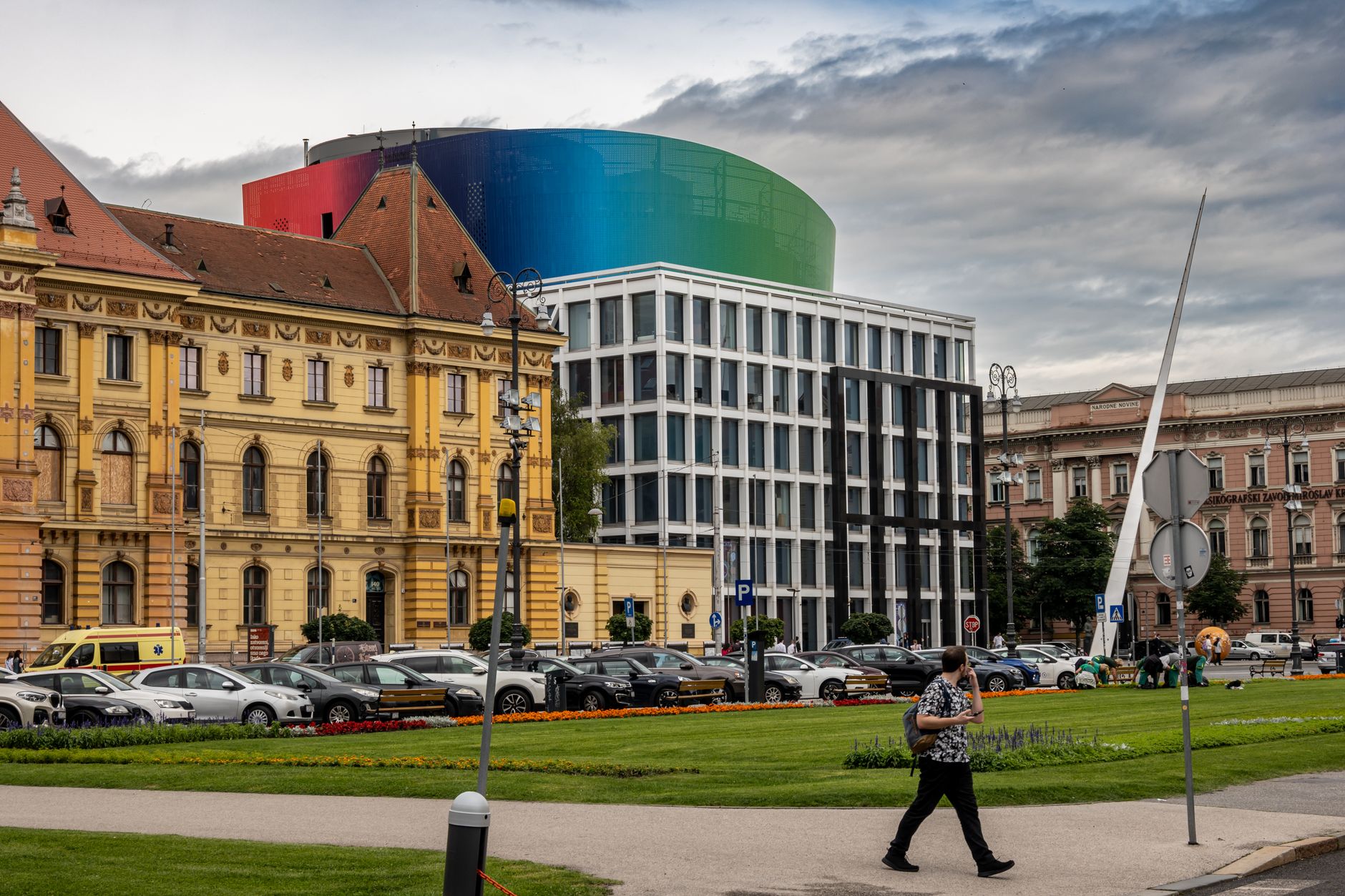
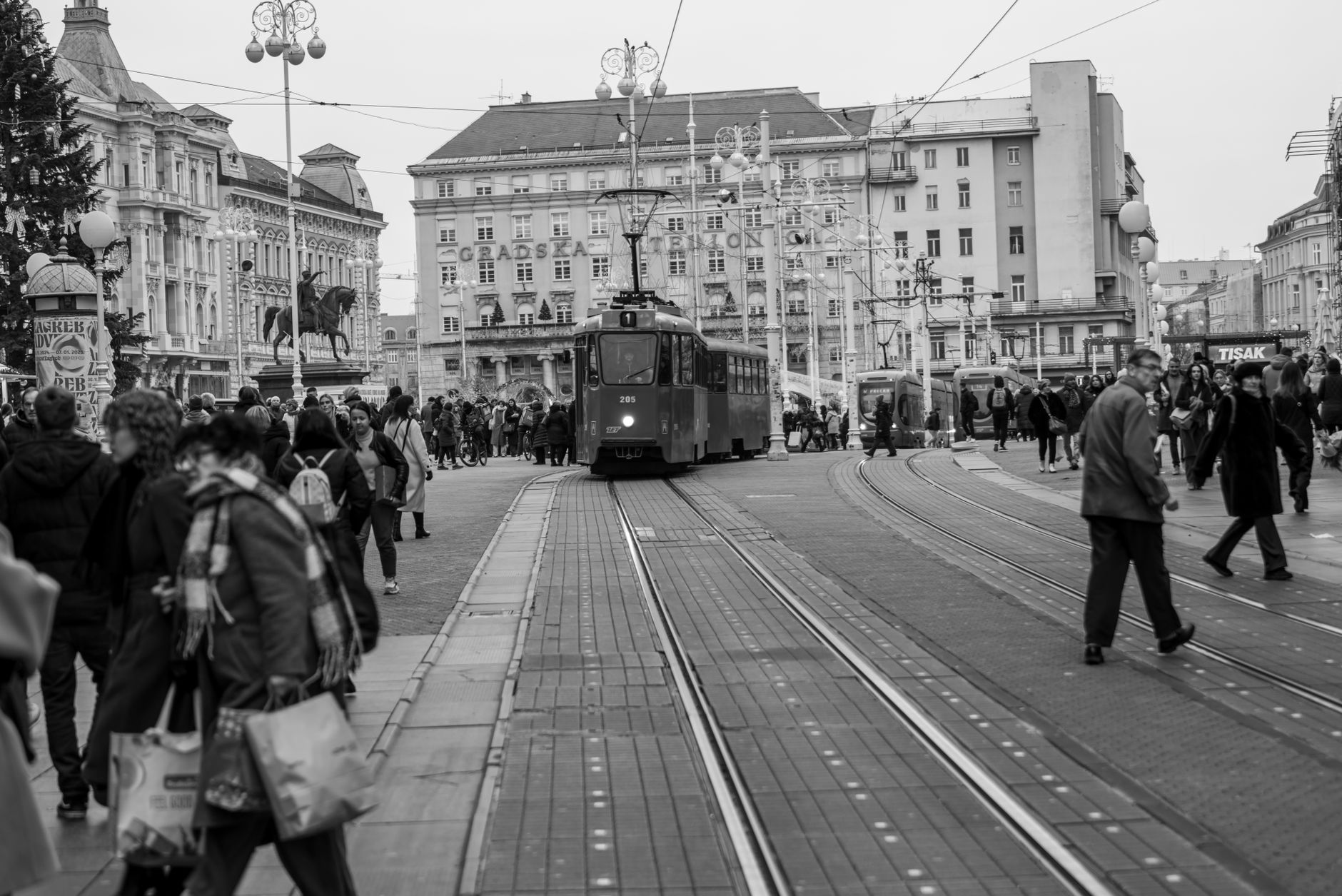
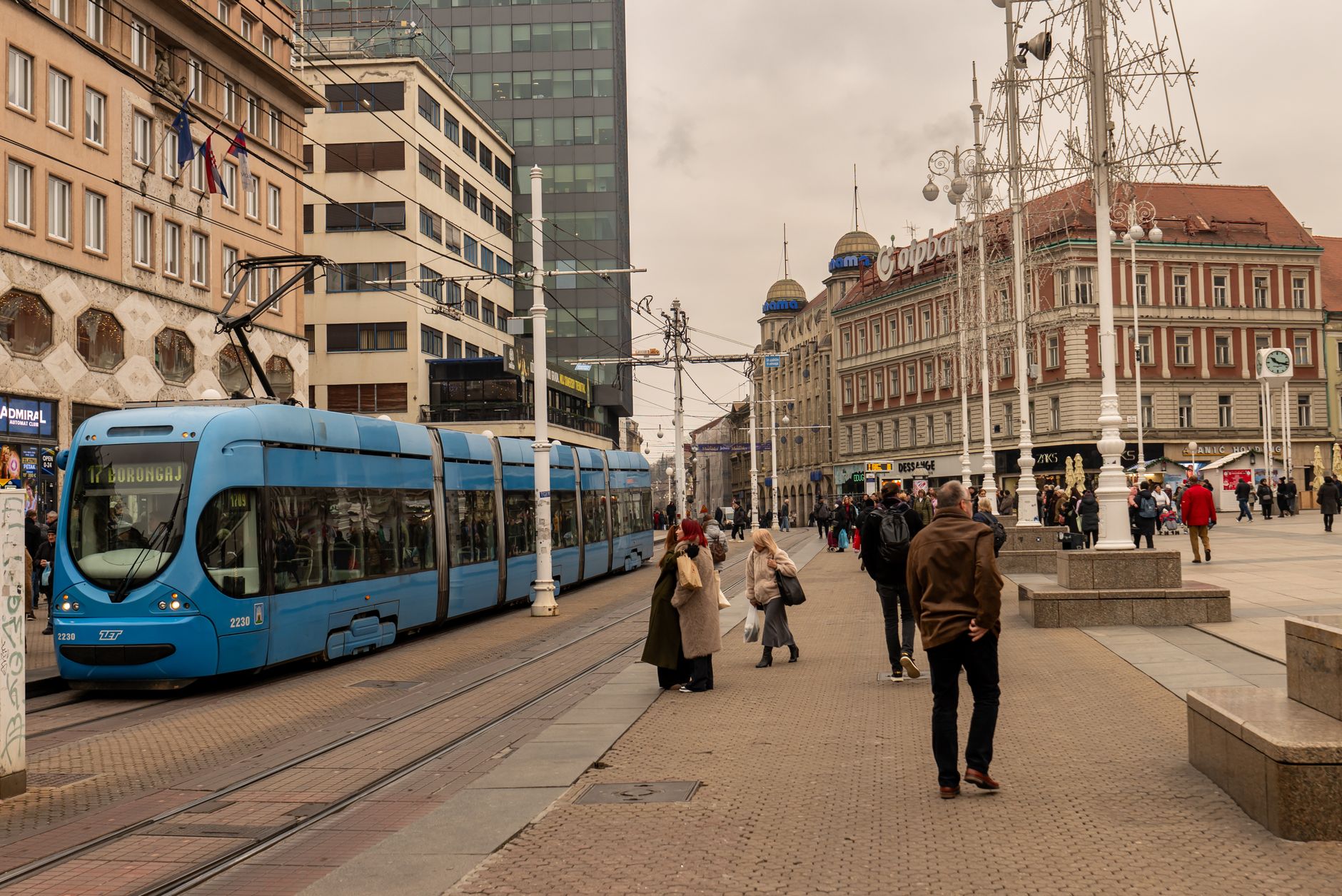
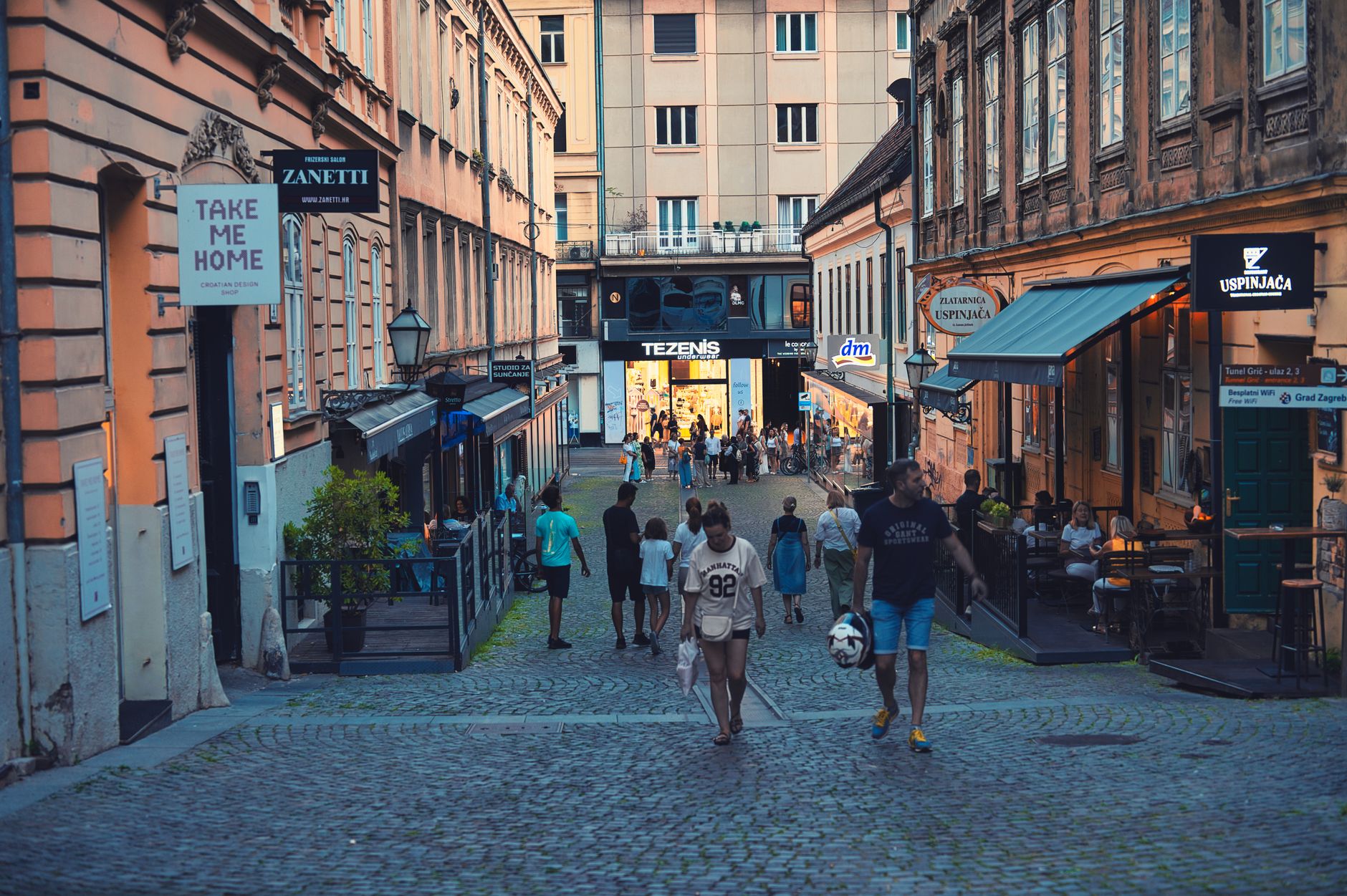
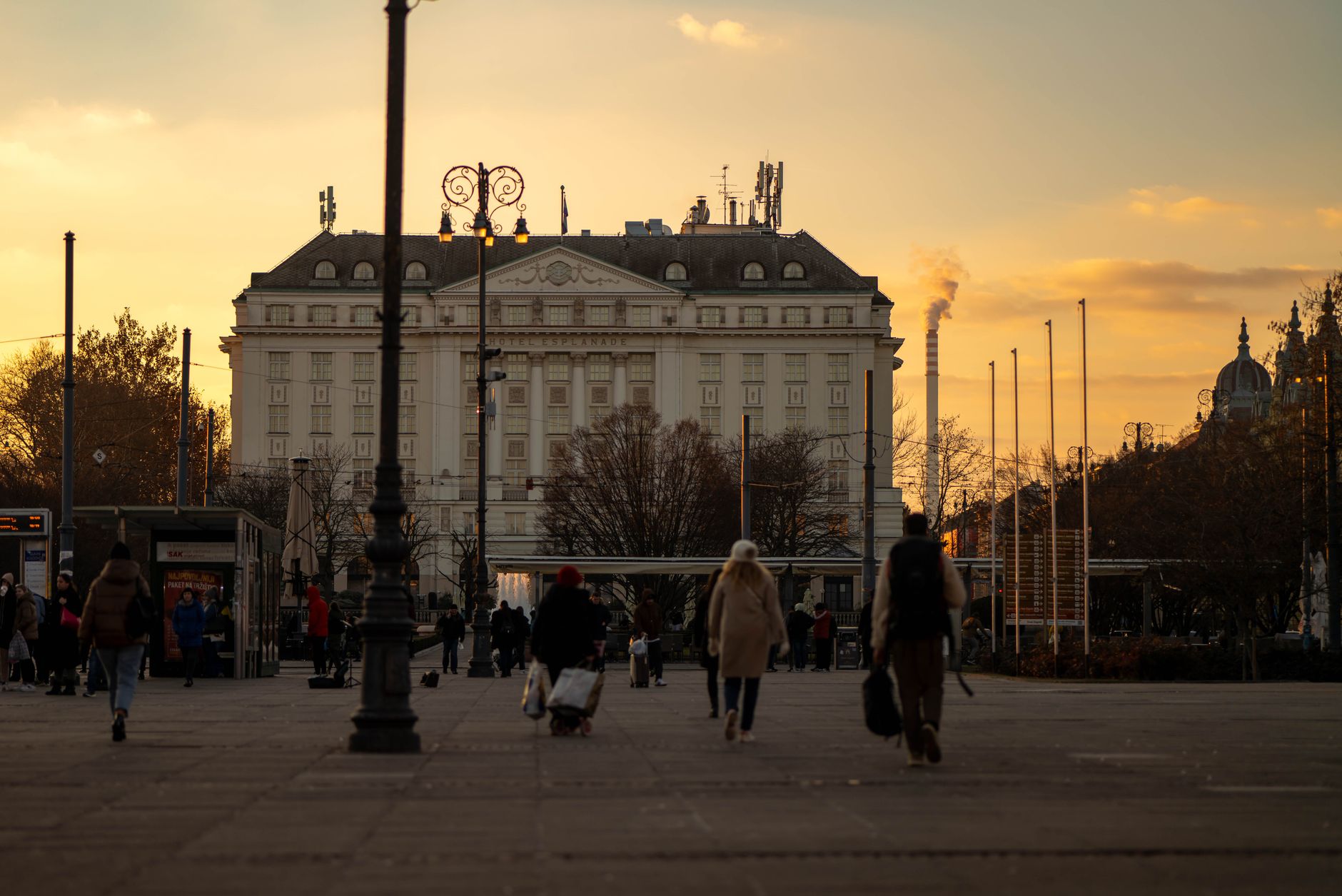
Zagreb has a way of catching you off guard. The cathedral's twin neo-Gothic towers — among the tallest in the world at 108 metres, and still under reconstruction after a 2020 earthquake knocked the top off one of them — rise above a city that has been through a lot and carries it with a certain composure. Kaptol, the old ecclesiastical hill, and Gradec, the medieval civic quarter, face each other across a valley that is now a street, and together they form the upper town that gave the city its shape.
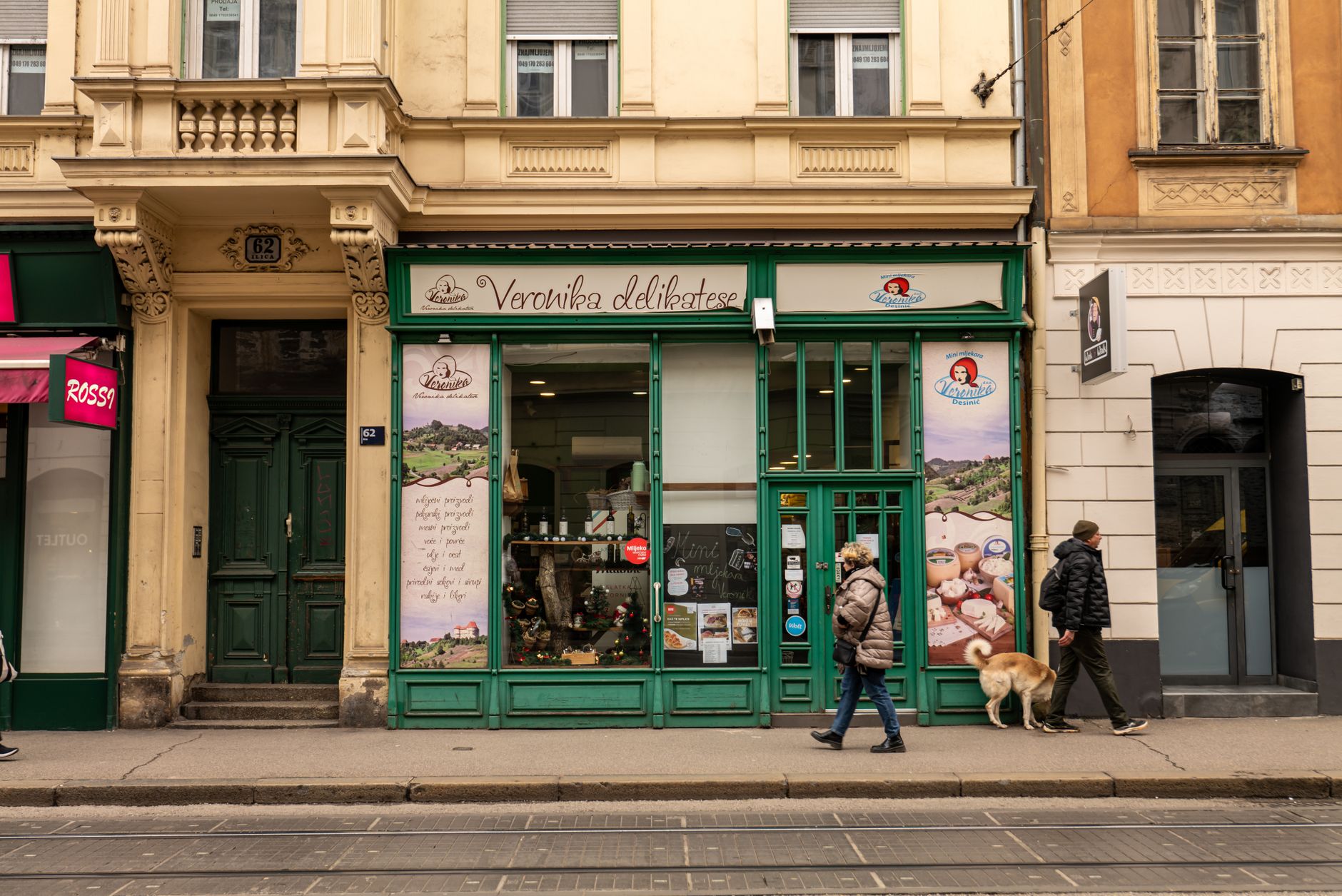
Below, the 19th-century lower town opens into broad avenues and parks, tram lines running through it all. This is a city you read slowly, block by block.
💛 What travellers fall for
Regulars tend to use the funicular — 66 metres of track, 65 seconds, running since 1890 — not because it saves time but because it marks the shift between upper and lower Zagreb in a way that walking the steps doesn't quite do. The Moj ZET app makes ticketing frictionless, and the 72-hour pass earns its keep fast.
How Zagreb came to be
The name Zagreb appears in the historical record in 1094, when Ladislaus I of Hungary established the Zagreb diocese at Kaptol. The settlement that grew around it was sacked by the Mongols in 1242 — the same year the city received its royal charter — and the cathedral, first consecrated in 1217, had to be rebuilt. For centuries, Kaptol and the neighbouring civic settlement of Gradec existed as separate, often rival, towns.
The city was declared capital of Croatia in 1845, elected its first mayor in 1851, and modernised rapidly after a major earthquake in 1880. The funicular opened in 1890, the National Theatre in 1895, and the Art Pavilion — the oldest gallery in Southeast Europe — in 1898. Croatia declared independence in 1991, and Zagreb became the capital of a new country.
Who and what shaped it
People who shaped it
Landmark buildings
See Zagreb in motion
Plan your visit
On the map
When to go
Summers are warm and can be humid, with temperatures regularly reaching the low 30s Celsius; winters are cold and occasionally snowy, with the upper town particularly atmospheric under frost. April through June and September through October offer mild days and manageable crowds.
Right now
Background & history adapted from Wikipedia (CC BY-SA) · specs from Wikidata (CC0) · weather from Open-Meteo · map data © OpenStreetMap contributors · photos from Wikimedia Commons / Unsplash with per-image credit. No third-party reviews or social posts reproduced.