
Istria
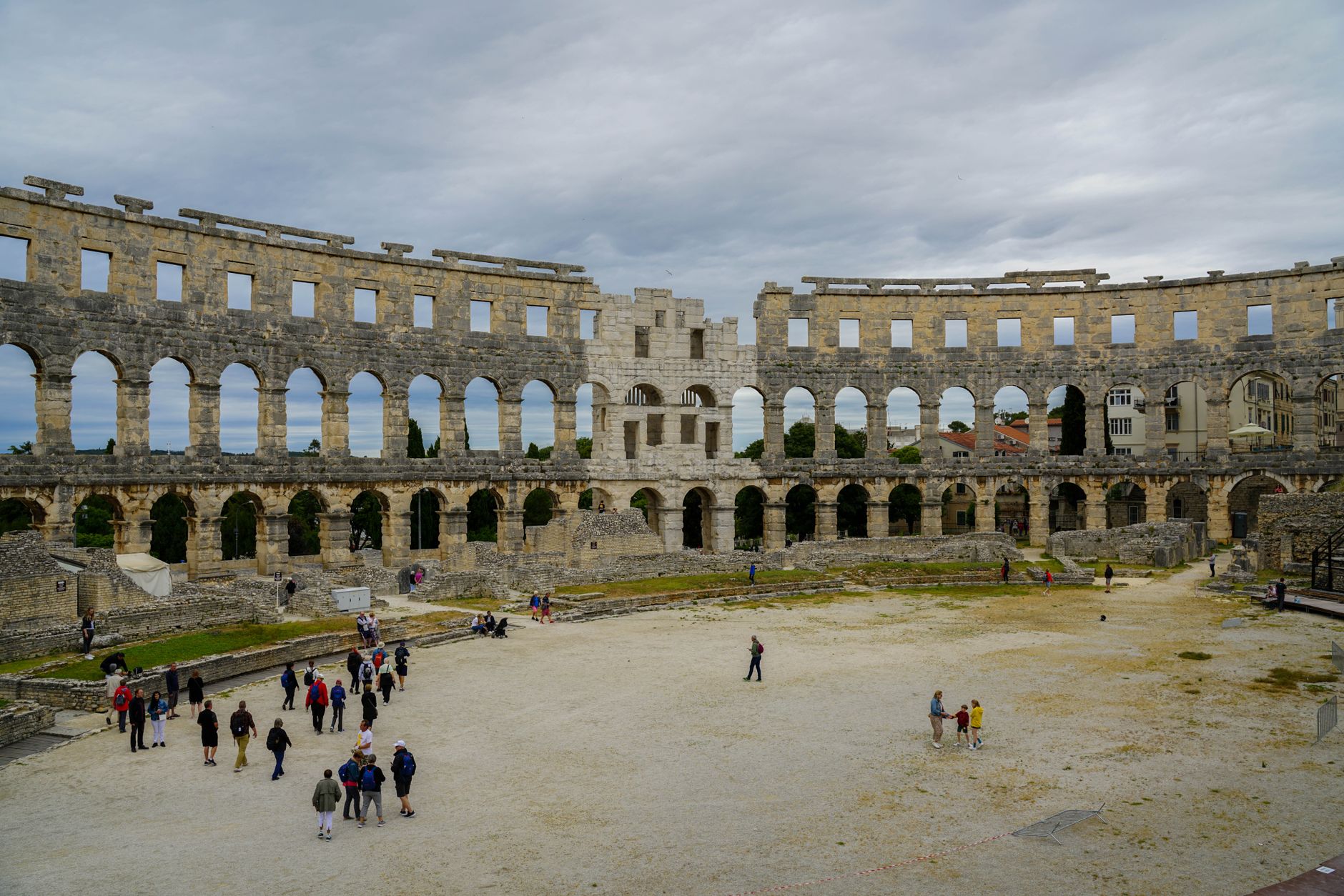
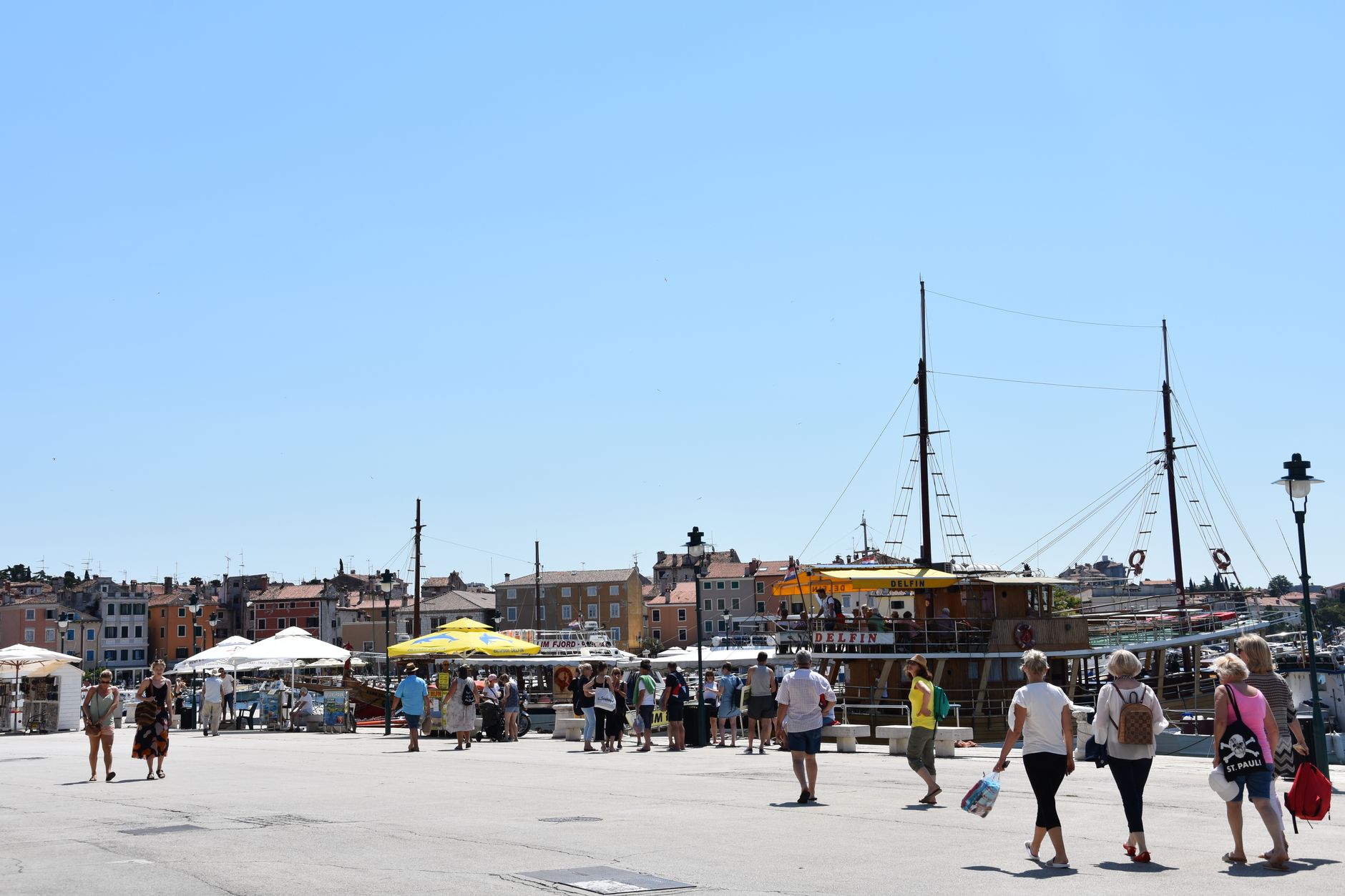
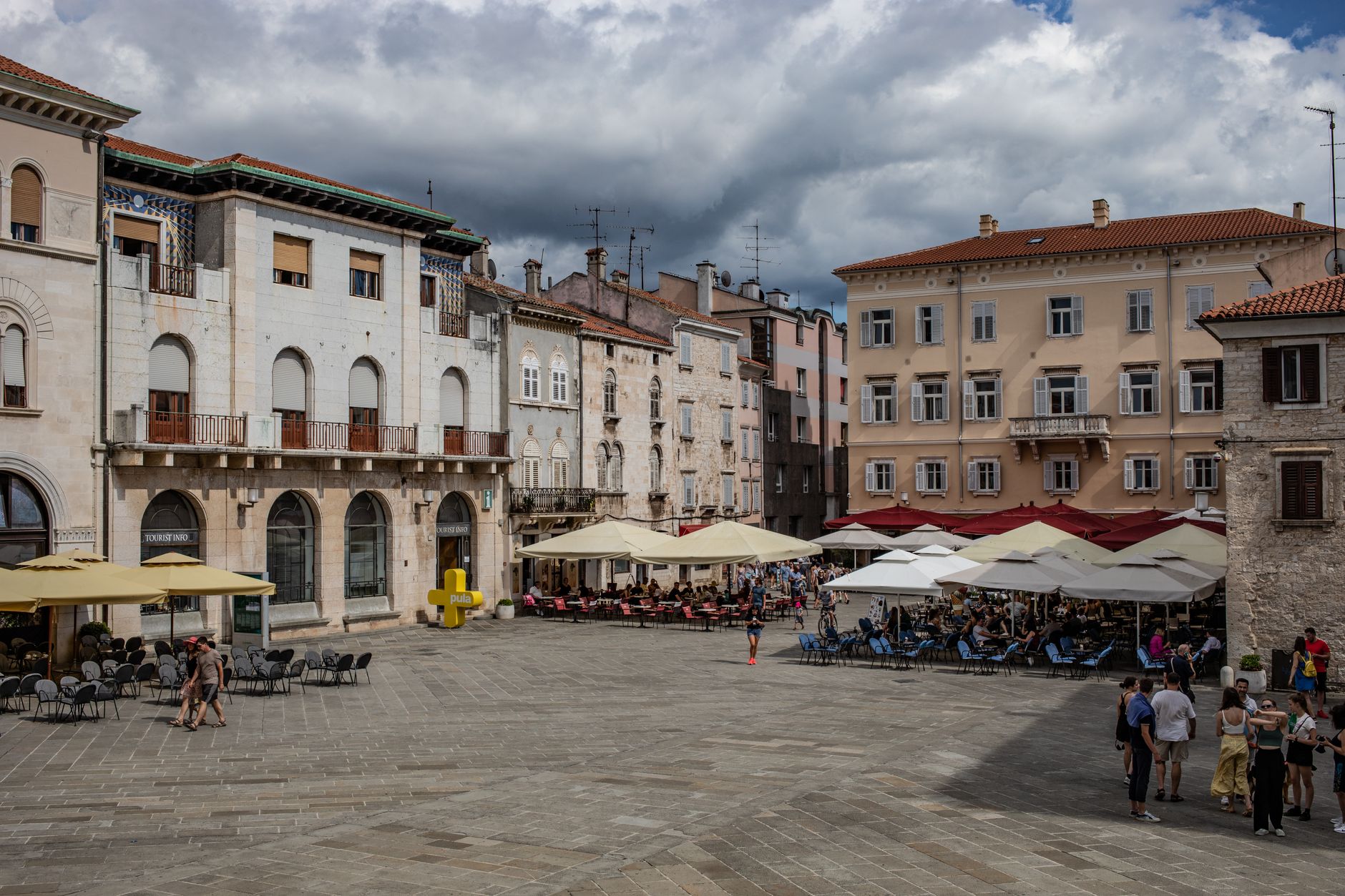
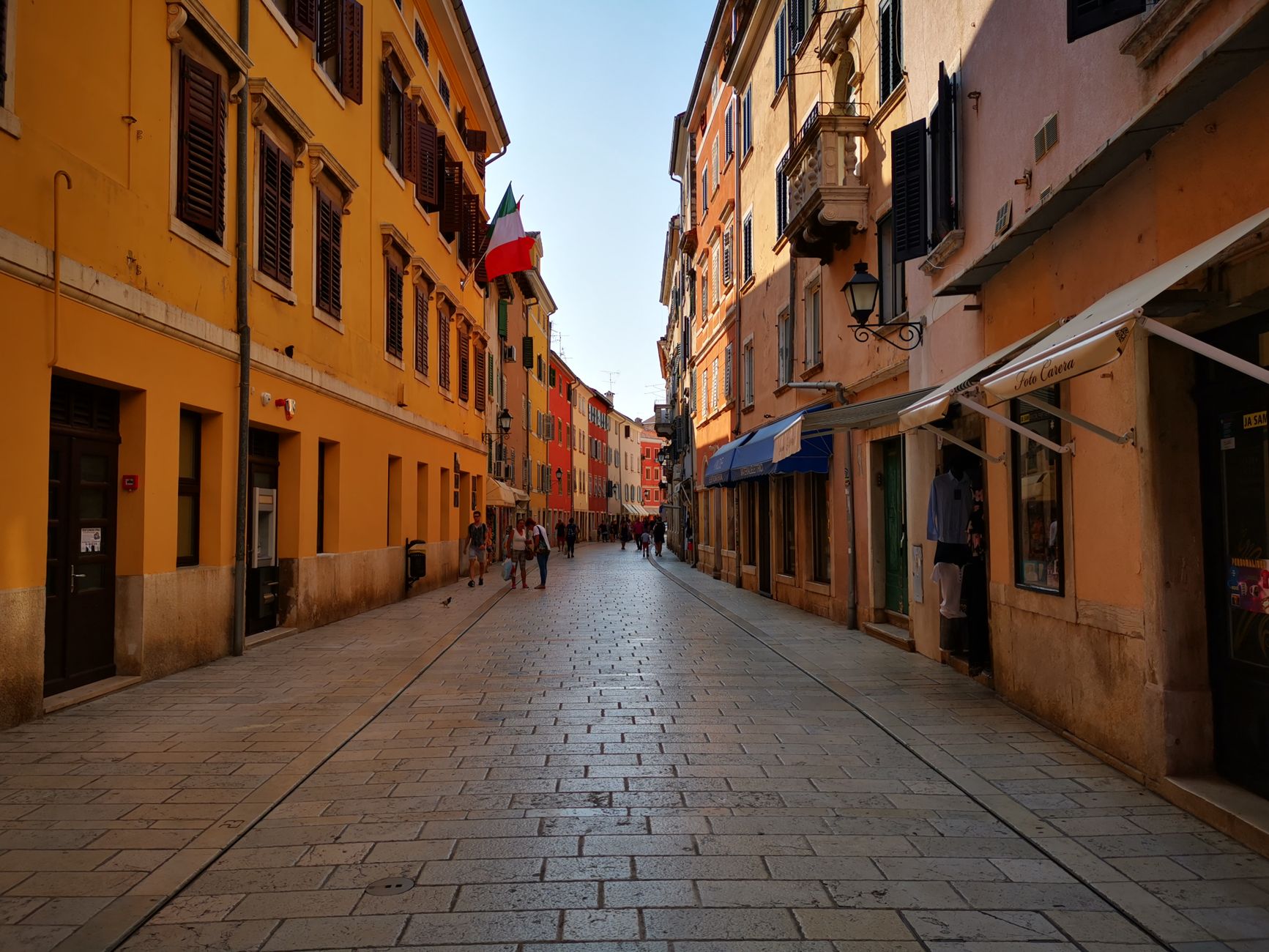
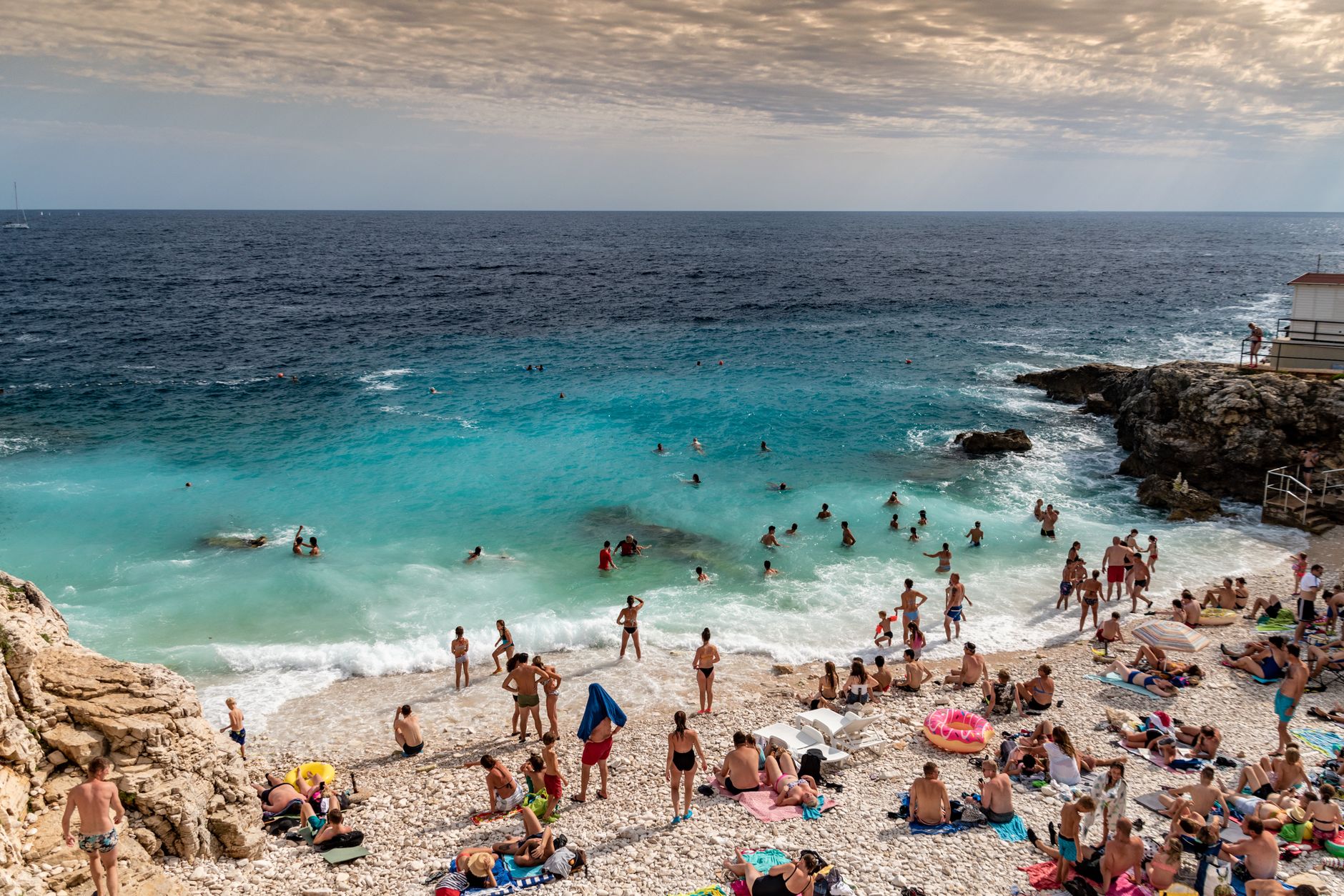
Istria is a triangular peninsula at the top of the Adriatic, and it has been fought over, traded, occupied and renamed so many times that its identity became something genuinely its own — neither quite Italian nor Croatian, but both at once. You hear it in the place names, see it in the food, and feel it in the way the hill towns look west toward Venice and east toward Zagreb with equal indifference.
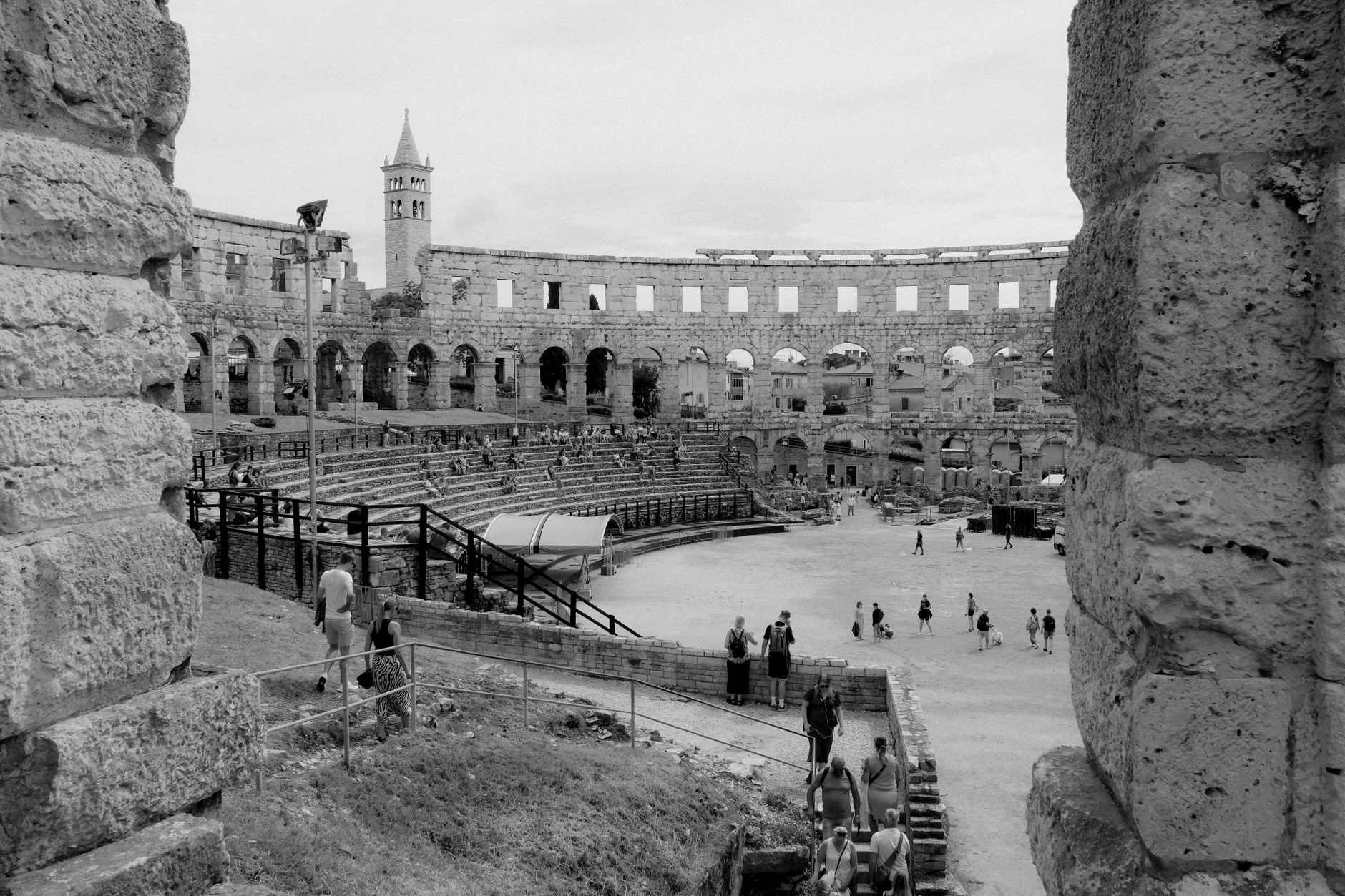
The peninsula runs from Roman amphitheatres on the coast to dry-stone shepherd shelters called kažuni in the olive groves, from Byzantine mosaics in Poreč to Gothic frescoes painted on a chapel wall in a village most visitors drive straight past. There is a lot of ground to cover, and the interior rewards anyone willing to leave the water behind.
💛 What travellers fall for
People who come back tend to do the same thing: base themselves on the coast for a few days, then rent a car and push inland. Motovun, Grožnjan, Beram — these are short drives from anywhere on the peninsula, and the chapel at Beram with Vincent of Kastav's Dance of Death fresco is one of those rooms you remember for years. The Pula Arena at dusk, when the tour groups thin out, is another.
How Istria came to be
People have been living in Istria since at least the Lower Palaeolithic — artefacts found in Šandalja Cave near Pula date back 800,000 years. The Iron Age Histri tribe gave the peninsula its name around the 11th century BC, and Rome absorbed it by force in 177 BC. Byzantine rule followed, leaving the extraordinary 6th-century mosaic basilica at Poreč. Slavic peoples arrived in the 7th century, and medieval control passed between the Holy Roman Empire, the Patriarchs of Aquileia, and the Habsburgs, with Pazin Castle — perched above a 130-metre chasm and first recorded under Emperor Otto II — marking the inland centre of power.
Venice held the coast for centuries, then everything changed fast: Napoleon folded Istria into his Illyrian Provinces in 1809, Austria took it back in 1813, the 1920 Treaty of Rapallo handed it to Italy, and Fascist rule brought forced Italianization of Slavic names and languages. After World War II the Italian population largely departed, and Istria was absorbed into Tito's Yugoslavia until Croatian and Slovenian independence in 1991.
Who and what shaped it
People who shaped it
Landmark buildings
See Istria in motion
Plan your visit
On the map
When to go
Summers are hot and dry along the coast, with July and August pushing well above 30°C. Spring and early autumn — April through June, September into October — are cooler and often clearer, ideal for moving between the interior hill towns and the sea. Winters are mild by northern European standards but quiet, with many coastal businesses closed.
Right now
Background & history adapted from Wikipedia (CC BY-SA) · specs from Wikidata (CC0) · weather from Open-Meteo · map data © OpenStreetMap contributors · photos from Wikimedia Commons / Unsplash with per-image credit. No third-party reviews or social posts reproduced.